Summary:
What LED Light Therapy Actually Does for Your Skin
LED light therapy isn’t some futuristic gimmick. It’s a scientifically-backed treatment that uses specific wavelengths of light to trigger your skin’s natural healing processes. Think of it as giving your skin cells the energy they need to repair and regenerate more effectively.
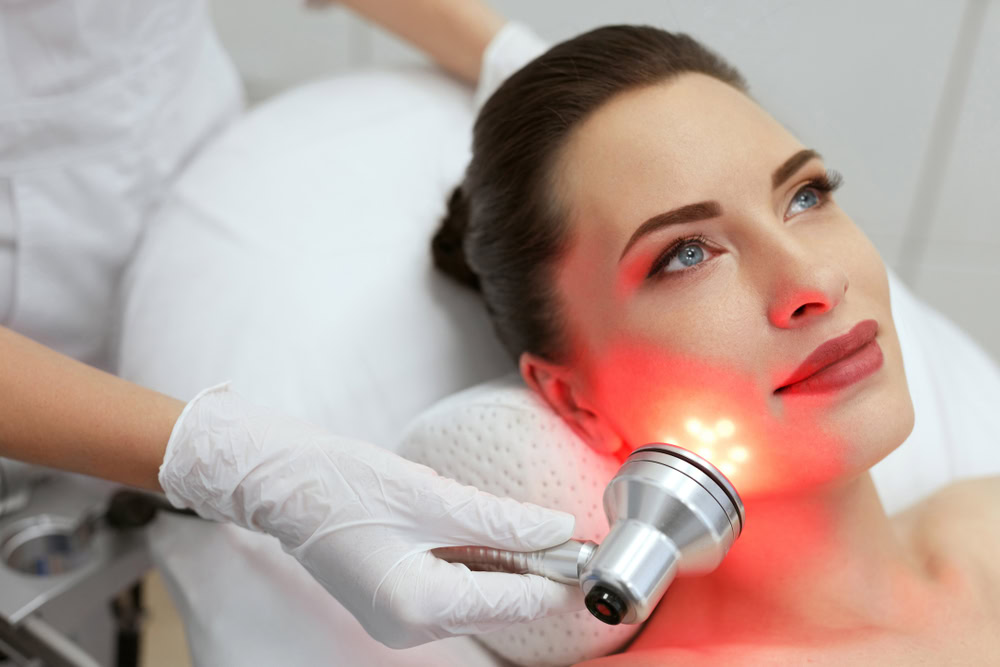
The treatment works by penetrating different depths of your skin depending on the color of light used. Red light goes deeper to stimulate collagen production and reduce inflammation, while blue light stays closer to the surface to kill acne-causing bacteria. Your skin absorbs these light particles and converts them into cellular energy, essentially supercharging your skin’s ability to heal itself.
How Red Light Therapy Targets Aging and Inflammation
Red light therapy is your anti-aging powerhouse. When red light penetrates your skin, it reaches the deeper layers where collagen and elastin live. This stimulates your fibroblasts—the cells responsible for producing collagen—to work overtime.
The result? Your skin becomes firmer, plumper, and more resilient over time. Fine lines start to soften, and your skin develops that healthy glow that comes from improved circulation and cellular function. The anti-inflammatory properties also help calm redness and irritation, making it perfect for sensitive skin types.
What makes red light therapy particularly effective is its ability to work on multiple skin concerns simultaneously. While it’s boosting collagen production to address aging concerns, it’s also improving blood flow, which brings more nutrients to your skin cells. This enhanced cellular activity speeds up the healing process for any existing skin damage.
The treatment is completely non-invasive and feels like basking in warm sunlight. Most people find it deeply relaxing, which is an added bonus since stress can negatively impact your skin’s appearance and health.
Blue Light Therapy for Stubborn Acne Problems
If you’re dealing with persistent acne, blue light therapy targets the root cause: bacteria. The blue wavelength specifically kills Propionibacterium acnes, the bacteria responsible for inflammatory acne. It’s like having a targeted antibiotic treatment without any of the side effects.
Blue light works best on active breakouts and inflamed acne. It penetrates just deep enough to reach the bacteria living in your pores without affecting the surrounding healthy tissue. The bacteria absorb the light energy and essentially self-destruct, reducing inflammation and preventing new breakouts from forming.
This treatment is particularly valuable for people who can’t tolerate harsh topical acne treatments or those who want to reduce their reliance on oral antibiotics. It’s gentle enough to use regularly and can be combined with other acne-fighting treatments for enhanced results.
The key to success with blue light therapy is consistency. While you might see some improvement after the first treatment, the best results come from a series of sessions that gradually reduce the bacterial load in your skin and give your complexion time to heal and rebalance.
Microneedling Benefits That Go Beyond Surface-Level Results
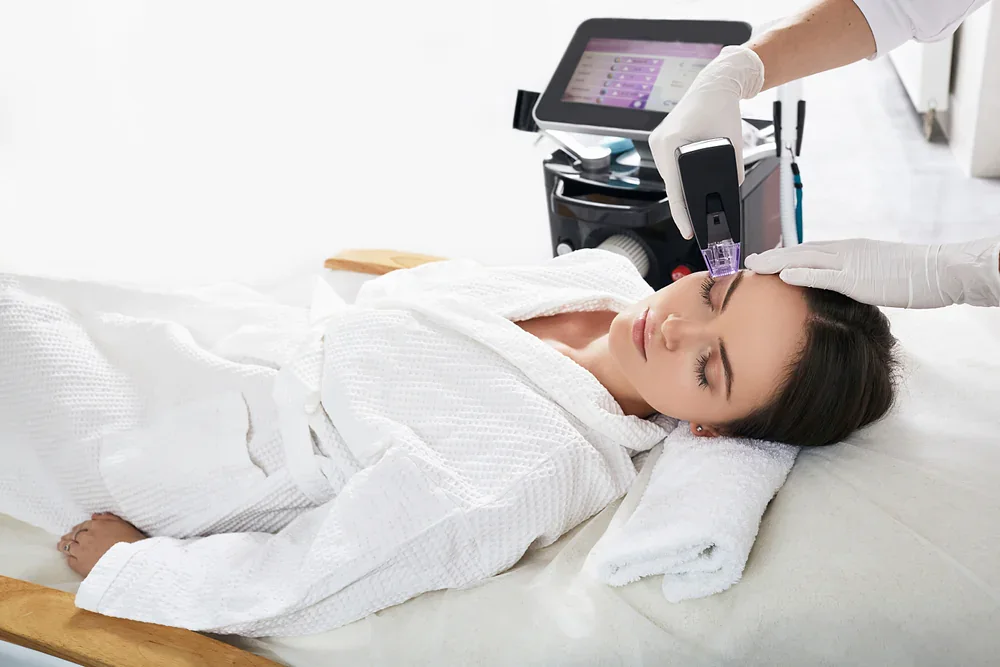
Microneedling might sound intimidating, but it’s one of the most effective ways to trigger your skin’s natural repair mechanisms. The treatment uses tiny, sterile needles to create controlled micro-injuries in your skin. Your body responds by flooding the area with healing factors and ramping up collagen production.
This process, called collagen induction therapy, doesn’t just address surface-level concerns. It works from the inside out to rebuild your skin’s structure, making it stronger, smoother, and more resilient. The micro-channels created during treatment also enhance your skin’s ability to absorb skincare products, making your entire routine more effective.
What Microneedling Can Fix That Other Treatments Can't
Microneedling excels at addressing textural issues that other treatments struggle with. Acne scars, particularly those indented or pitted scars, respond exceptionally well because the treatment literally rebuilds the skin from within. The controlled injury triggers your body to produce new collagen and elastin, gradually filling in depressed areas.
Large pores also shrink with consistent microneedling treatments. As new collagen forms around the pore openings, they become less noticeable and your skin develops a smoother, more refined texture. This is something that surface treatments simply can’t achieve.
Stretch marks, hyperpigmentation, and even fine lines see significant improvement because microneedling addresses the underlying structural issues. The treatment breaks up damaged tissue and stimulates the formation of healthy new skin cells. Over time, this leads to more even skin tone and improved texture.
The versatility of microneedling makes it valuable for almost any skin concern. Whether you’re dealing with sun damage, surgical scars, or just want to improve your skin’s overall appearance, this treatment can be customized to your specific needs and combined with serums that target your particular concerns.
The Science Behind Microneedling's Collagen Boost
Your skin’s response to microneedling follows a predictable healing cascade that works in your favor. Within hours of treatment, your body initiates an inflammatory response that brings healing factors to the treated area. This inflammation is controlled and beneficial—it’s your skin’s way of mobilizing resources for repair.
Over the next few weeks, your fibroblasts get to work producing new collagen and elastin. This isn’t the weak, disorganized collagen that forms from superficial treatments. It’s strong, well-structured collagen that actually improves your skin’s integrity and appearance.
The remodeling phase continues for months after treatment, which is why microneedling results improve over time. Each session builds on the previous one, creating cumulative improvements that become more dramatic with each treatment. Most people see initial improvements within a few weeks, but the full benefits develop over three to six months.
What makes microneedling particularly effective is that it works with your body’s natural healing processes rather than against them. There’s no forcing or artificial manipulation—just strategic stimulation that encourages your skin to function at its best.
How to Choose the Right Advanced Treatments for Your Skin
The key to getting the most from these advanced treatments is understanding which ones address your specific concerns and how they work together. LED therapy is excellent for maintenance and addressing inflammatory issues, while microneedling excels at structural improvements and texture refinement.
Your skin type, current concerns, and long-term goals all factor into creating the right treatment plan. Some people benefit from combining treatments—like following microneedling with LED therapy to enhance healing—while others do better with a sequential approach that addresses different concerns over time.
The most effective approach starts with a thorough skin analysis and honest conversation about what you want to achieve. At Wake Skincare, we design these advanced treatments to complement your existing routine and enhance your results, not replace everything you’re already doing well.