Summary:
How Microdermabrasion Works for Skin Renewal
Microdermabrasion takes a physical approach to skin renewal. Think of it as a professional-grade exfoliation that removes dead skin cells from your outermost layer using either fine crystals or a diamond-tipped wand.
This treatment works by gently buffing away the surface layer of your skin, revealing the fresher skin underneath. The process stimulates blood flow and encourages new cell growth, giving you that immediate glow many people love.
The entire treatment typically takes 30-45 minutes, and most people can return to their regular activities the same day. It’s considered one of the gentler options for skin resurfacing.
What Skin Concerns Does Microdermabrasion Address Best?
Microdermabrasion excels at surface-level skin improvements. If you’re dealing with dull, rough texture or want to minimize the appearance of fine lines, this treatment can deliver noticeable results with minimal discomfort.
The treatment works particularly well for reducing the appearance of enlarged pores, mild acne scarring, and uneven skin tone. Many people choose microdermabrasion as a maintenance treatment to keep their skin looking bright and smooth between more intensive procedures.
Since microdermabrasion only affects the top layer of skin, it’s ideal for people who want visible improvements without significant downtime. You might experience some mild redness immediately after treatment, similar to a light sunburn, but this typically fades within a few hours.
However, microdermabrasion has limitations. It won’t dramatically improve deeper wrinkles, significant acne scars, or stubborn hyperpigmentation. For these concerns, you’d likely need a treatment that penetrates deeper into the skin layers.
The results from microdermabrasion are often described as subtle but immediate. Your skin will look brighter and feel smoother right after treatment, though you’ll typically need a series of treatments spaced a few weeks apart to maintain these benefits.
One advantage of microdermabrasion is its versatility—it works well for most skin types and can be safely repeated regularly as part of your skincare routine. Many people find it’s an excellent way to enhance the effectiveness of their at-home skincare products by removing the barrier of dead skin cells.
Microdermabrasion Recovery: What to Expect After Treatment
Recovery from microdermabrasion is typically straightforward and quick. Most people experience minimal downtime, with skin appearing slightly red or pink immediately after treatment—similar to spending a bit too much time in the sun.
This redness usually subsides within a few hours to a day. Some people notice mild skin sensitivity or a tight feeling, but these effects are generally manageable and don’t interfere with daily activities. You can typically apply makeup the next day if needed.
Your skin might feel slightly dry or tight for a day or two as it adjusts to the treatment. Using a gentle, hydrating moisturizer helps manage this sensation and supports your skin’s healing process. It’s also crucial to apply sunscreen diligently, as your newly revealed skin will be more sensitive to UV exposure.
Unlike deeper treatments, microdermabrasion doesn’t cause significant peeling or flaking. You might notice some very light skin shedding over the next few days, which is completely normal and indicates that the treatment is working to reveal fresh skin cells.
We recommend avoiding harsh skincare products, intense exercise, and prolonged sun exposure for 24-48 hours after treatment. This gives your skin time to settle and reduces the risk of irritation.
The gentle nature of microdermabrasion means you can typically schedule treatments every 2-4 weeks, depending on your skin’s response and your aesthetic goals. This makes it an excellent option for people who want consistent skin improvement without disrupting their busy schedules.
Chemical Peels vs Microneedling: Deeper Treatment Options
When surface treatments aren’t enough, chemical peels and microneedling offer more intensive solutions. These treatments work deeper in your skin to address stubborn concerns that microdermabrasion can’t reach.
Chemical peels use carefully formulated acid solutions to remove damaged skin layers, while microneedling creates controlled micro-injuries that trigger your body’s natural healing response. Both approaches stimulate collagen production and cell renewal, but through very different mechanisms.
The choice between these treatments often comes down to your specific skin concerns, tolerance for downtime, and how your skin responds to different approaches.
When Chemical Peels Are Your Best Option
Chemical peels excel at addressing pigmentation issues, sun damage, and surface-level concerns across your entire face. If you’re dealing with uneven skin tone, age spots, or mild acne scarring, a chemical peel might be your most effective option.
The treatment works by applying a chemical solution that causes controlled damage to specific skin layers. As your skin heals and regenerates, it reveals smoother, more evenly toned skin underneath. Light peels target just the outermost layer, while deeper peels can address more significant concerns.
Recovery from chemical peels varies significantly based on the depth of treatment. Light peels might leave you with mild redness and flaking for 3-7 days, similar to recovering from a sunburn. Medium peels typically require 7-14 days of recovery, with more noticeable peeling and potential swelling.
One major advantage of chemical peels is their ability to treat your entire face evenly. Unlike targeted treatments, peels ensure consistent results across all treated areas. They’re particularly effective for people with fair to medium skin tones, though we can safely perform peels on darker skin types with proper expertise.
However, chemical peels aren’t suitable for everyone. People with certain skin conditions, those taking specific medications, or individuals with very sensitive skin might not be good candidates. The recovery period can also be more challenging than other treatments, with visible peeling that some people find socially uncomfortable.
The results from chemical peels can be dramatic, especially with deeper treatments. Many people see significant improvement in skin texture, tone, and clarity. Light peels might be repeated monthly, while deeper peels are typically done less frequently due to their intensity.
Why Microneedling Might Be Your Perfect Match
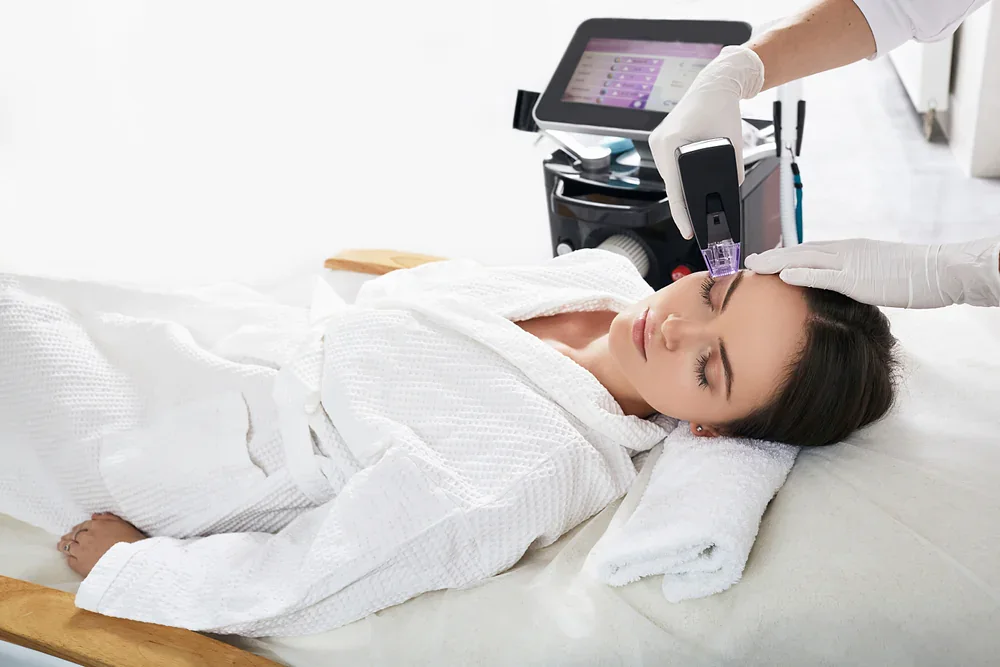
Microneedling offers a unique approach to skin renewal that works exceptionally well for people dealing with acne scars, deeper wrinkles, and skin texture issues. This treatment uses tiny needles to create controlled micro-injuries in your skin, triggering a powerful healing response.
The beauty of microneedling lies in its ability to stimulate your body’s natural collagen production. As your skin heals from these microscopic wounds, it produces new collagen and elastin, leading to firmer, smoother, and more youthful-looking skin over time.
Recovery from microneedling is generally more predictable than chemical peels. Most people experience redness and mild swelling for 24-48 hours, similar to a mild sunburn. Some light peeling or dryness might occur over the next few days, but the overall downtime is typically manageable.
Unlike chemical peels, microneedling works well for all skin types and tones. There’s minimal risk of hyperpigmentation, making it a safer choice for people with darker skin who might not be good candidates for certain chemical peels.
The treatment is particularly effective for acne scarring because it works at the level where these scars form. By stimulating collagen production in the deeper layers of skin, microneedling can gradually improve the texture and appearance of scarred areas.
Results from microneedling develop gradually over several weeks as your skin produces new collagen. While you might notice some immediate improvement in skin texture, the full benefits typically become visible 4-6 weeks after treatment. Most people need a series of 3-6 treatments spaced 4-6 weeks apart for optimal results.
One consideration with microneedling is that it requires multiple sessions to achieve desired results, unlike some deeper chemical peels that might provide dramatic improvement in a single treatment. However, many people prefer the gradual, natural-looking improvement that microneedling provides.
Choosing the Right Exfoliation Treatment for Your Goals
The best treatment for you depends on your specific skin concerns, lifestyle, and comfort with downtime. Microdermabrasion offers gentle, immediate results with minimal recovery time. Chemical peels provide dramatic improvement for pigmentation and surface concerns. Microneedling excels at deeper skin renewal and works safely for all skin types.
Many people find that combining treatments or progressing from gentler to more intensive options gives them the best long-term results. The key is working with an experienced practitioner who can assess your skin and recommend the most appropriate approach.
At Wake Skincare, we specialize in helping you navigate these choices with personalized consultations that take the guesswork out of your skincare journey. Your skin deserves expert care that matches your unique needs and goals.