Summary:
You did the research, you booked the appointment, and now your face is red and tight and you’re wondering if you made a mistake. Or maybe you haven’t booked yet, and you’re trying to figure out whether the horror stories you’ve seen online are the norm or the exception.
Either way, you deserve a straight answer — not a glossy brochure version that skips the uncomfortable parts. Microneedling side effects are real, they’re manageable, and most of them are actually signs that your skin is healing the way it’s supposed to. But some aren’t. Here’s how to tell the difference.
What to Expect After Microneedling: The Normal Healing Timeline
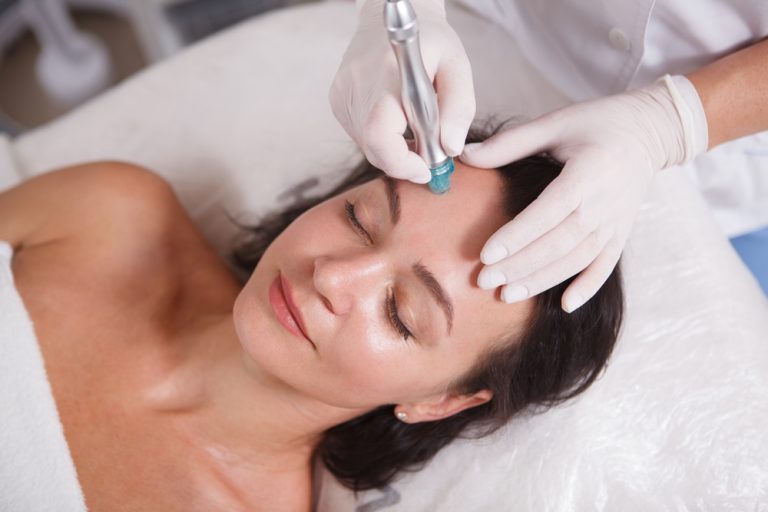
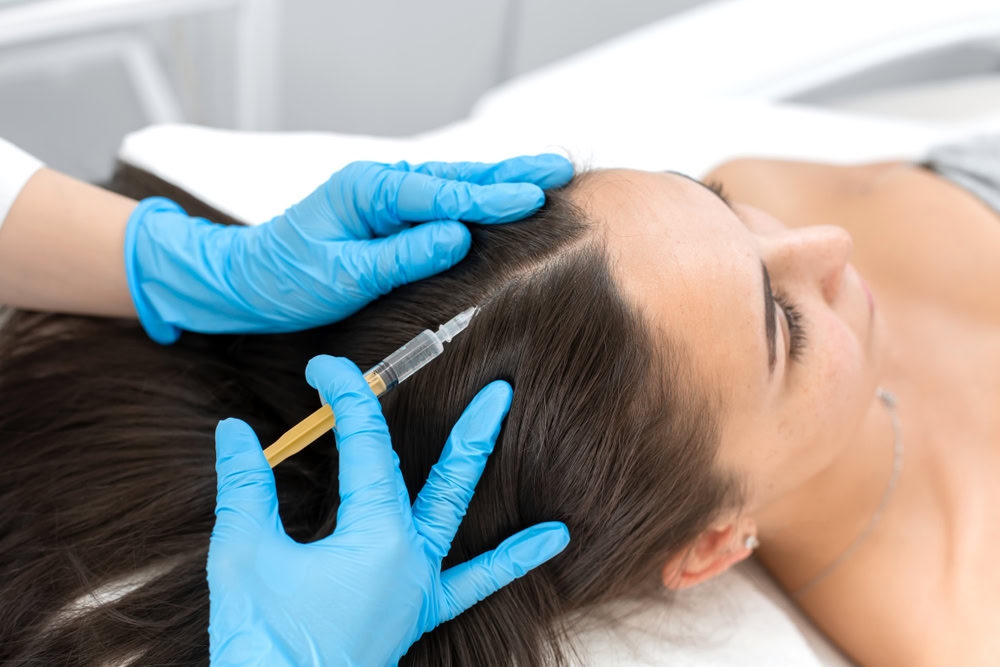
Microneedling works by creating thousands of controlled micro-injuries in the skin, which triggers your body’s natural repair response — collagen production, cell turnover, and tissue remodeling. That process starts immediately after treatment, and the side effects you feel in the first few days are largely just evidence that it’s working.
For most people, the first 24 to 48 hours look something like a mild sunburn. Your skin will be red, warm to the touch, and sensitive. Some mild swelling is normal, especially around the eyes and cheeks. By day two or three, the redness fades and your skin may feel tight or slightly dry. Light flaking can happen around day four or five as the outer layer sheds. By the end of the first week, most people look and feel completely normal — and the real improvements in texture and tone start showing up over the following weeks.
Allergic Reaction After Microneedling: Is It the Needles or Something Else?
This is one of the most common questions people search after a treatment, and the answer matters — because it changes what you do next.
True allergic reactions to the microneedling device itself are rare. What’s far more common is a reaction to something applied to the skin during or after the procedure — numbing creams, serums, or post-treatment products. A review published in the Journal of Clinical and Aesthetic Dermatology found that out of all documented systemic reactions in the microneedling literature, two of the three cases were linked to a vitamin C serum applied before treatment, not to the needling itself. The needles weren’t the problem. The product was.
Signs of an allergic reaction typically include itching, hives, or redness that spreads beyond the treated area and doesn’t follow the normal fade pattern. In rare cases, people have experienced delayed reactions — swelling, joint discomfort, and skin nodules appearing days after treatment. These are not the same as the standard 48-hour redness and sensitivity window. If your symptoms are worsening after the second day rather than improving, that’s worth a call to your provider.
There’s also a less-discussed risk: nickel sensitivity. Lower-quality microneedling devices can contain trace amounts of nickel in the needle alloy, which has been linked to systemic reactions in sensitized individuals. This is one of the reasons device quality isn’t a minor detail — it’s a safety variable. The SkinPen we use at Wake Skincare is FDA-approved, manufactured to precise standards, and uses sterile, single-use cartridges for every treatment. That eliminates a significant category of risk before the appointment even starts.
The best way to prevent a reaction isn’t to avoid microneedling — it’s to have a thorough consultation before treatment. Identifying known sensitivities, reviewing your current skincare routine, and screening for contraindications takes the guesswork out of it. That conversation happens before anything touches your skin.
When Microneedling Side Effects Signal a Real Problem
Most people heal without incident. But knowing what an actual complication looks like — versus normal healing — is the kind of information that gives you real confidence going into a treatment.
Infection is the most serious risk, and it’s also one of the most preventable. The clinical literature is fairly clear on this: documented infection cases are almost exclusively tied to at-home dermarollers and reused needle cartridges, not professional pen-style devices with single-use tips. When a sterile environment, a quality device, and a trained provider are all in the picture, the infection risk drops dramatically. Signs of infection include redness or swelling that worsens after 48 hours instead of improving, pus or yellow crusting at the treatment site, skin that feels hot to the touch days after the procedure, or fever. Any of those symptoms warrant prompt contact with your provider — not a wait-and-see approach.
Scarring is another concern people bring up, and it’s worth separating the two main device types here. Dermarollers — the kind you drag across your skin — have a documented tram-track scarring rate of around 10.5% in reviewed clinical studies. Pen-style devices like the SkinPen, which create vertical micro-channels rather than dragging, showed zero cases of that type of scarring in the same research. The design difference is meaningful.
Post-inflammatory hyperpigmentation, or PIH, is a risk worth taking seriously — especially for people with deeper skin tones. When the skin’s inflammatory response is too aggressive, it can trigger excess melanin production, leaving darker patches in the treated area. This isn’t inevitable, and it’s not a reason to avoid microneedling. But it is a reason to work with a provider who understands how to calibrate treatment for your specific skin. Jacqueline Grace, who founded Wake Skincare, earned first place in the Pigmentation Artist of the Year category at The Skin Games — an international esthetics competition. That credential exists precisely because pigmentation management is a skill, not a given.
Micro Needling After Effects: What the Recovery Window Actually Looks Like
The phrase “downtime” gets thrown around loosely in aesthetics marketing. For microneedling, the honest version is this: most people are socially presentable within 24 to 48 hours, and fully back to normal within a week. That said, what you do — and don’t do — during that window has a real impact on how your skin heals.
Immediately after treatment, your skin barrier is temporarily compromised. That means it’s more permeable, more reactive, and more vulnerable to irritation. Products that are normally fine on your skin — retinol, vitamin C serums, exfoliating acids — can cause significant irritation if applied post-treatment. Sun exposure without protection can trigger hyperpigmentation. Sweating heavily in the first 24 hours can introduce bacteria into open micro-channels. None of this is complicated to avoid, but it does require knowing the rules ahead of time.
What You Should and Shouldn't Put on Your Skin After Microneedling
The post-treatment period is when a lot of avoidable side effects actually happen — not because the treatment went wrong, but because the aftercare did.
For the first 24 hours, your skin wants simple and gentle. A fragrance-free moisturizer, a gentle cleanser, and a broad-spectrum SPF are the essentials. Avoid anything with active ingredients — retinol, glycolic acid, salicylic acid, benzoyl peroxide, vitamin C — until your skin barrier has had time to recover. Most providers recommend waiting at least 72 hours before reintroducing actives, and up to a week for more aggressive formulas. If you’re not sure whether a product is safe to use, the answer is usually to wait.
Sun protection isn’t optional after microneedling — it’s critical. Your skin is more photosensitive than usual for at least a week post-treatment, and unprotected sun exposure during that window is one of the fastest ways to end up with hyperpigmentation. In Wake County, NC, where UV index levels regularly hit 10 or above from late spring through early summer, this is especially relevant. If you’re starting a microneedling series, fall and winter are genuinely better seasons for it — not just because of scheduling, but because lower UV intensity gives your skin a safer environment to heal between sessions.
Hydration matters more than people realize. Drinking water before and after treatment supports the healing process, and some clients who skip this step report headaches afterward — which brings us to one of the most common questions we hear.
Frequently Asked Questions About Microneedling Side Effects
**Can microneedling cause a headache?**
Yes, and it’s more common than most providers acknowledge. Headaches after microneedling are usually mild and short-lived, and they have a few likely explanations. The topical numbing cream used before treatment contains lidocaine, which can be absorbed through the skin — particularly when applied to a larger area. Some people are more sensitive to this than others. Dehydration is another factor; if you went into the appointment without drinking much water, that can contribute. And for some people, the physical and sensory stress of lying still during a procedure — even a comfortable one — creates mild tension that shows up as a headache afterward. Drinking water before and after your appointment, resting for the remainder of the day, and avoiding strenuous activity usually resolves it within a few hours. If a headache is severe, persistent beyond 24 hours, or accompanied by fever or unusual skin changes, contact your provider.
**How long does redness last after microneedling?**
For most people, the initial redness — the sunburn look — fades within 24 to 48 hours. Deeper treatments may extend that to 72 hours. By day three or four, most clients in Wake County are back to their regular routines without visible signs of treatment. If redness is still significant after 72 hours, or if it’s spreading or worsening, that’s worth a follow-up call.
**Is microneedling safe for darker skin tones?**
Yes — when performed by someone who knows what they’re doing. The risk of post-inflammatory hyperpigmentation is real for deeper skin tones, but it’s a manageable risk with the right provider, the right depth settings, and the right aftercare. We see clients across the full range of skin tones here in Wake County, and Jacqueline’s first-place finish in the Pigmentation Artist of the Year category at The Skin Games reflects specific, tested expertise in exactly this area.
**What’s the difference between professional microneedling side effects and at-home roller risks?**
The gap is significant. At-home dermarollers are associated with a 10.5% tram-track scarring rate in clinical studies. They’re also the source of nearly every documented infection case in the microneedling literature. Professional pen-style devices with sterile, single-use cartridges — like the FDA-approved SkinPen we use — operate in a completely different risk category. The convenience of at-home devices comes with a real tradeoff, and it’s one worth understanding before you decide.
How to Choose a Microneedling Provider in Wake County, NC
The side effects of microneedling aren’t the scary part — the scary part is getting treatment from someone who isn’t equipped to prevent the ones that are actually preventable. Redness and sensitivity for 48 hours? That’s the treatment working. Infection, scarring, or prolonged hyperpigmentation? Those are outcomes tied to device quality, provider training, and what happens before and after the needle touches your skin.
What you’re looking for in a provider is straightforward: a thorough consultation before any treatment starts, an FDA-approved device with single-use cartridges, demonstrated expertise in your specific skin concerns, and honest expectations — not just reassurance. Those aren’t high standards. They’re the baseline.
If you’re in Wake County and want to understand what microneedling could actually do for your skin — and whether it’s right for you at all — we offer a free consultation with a full skin evaluation. No pressure, no sales pitch. Just a real conversation about your skin, your concerns, and what makes sense for where you are right now.