Summary:
You cleared the breakout. You did everything right. And now you’re left with a dark mark where the pimple used to be — and it’s been there for weeks, maybe months. That’s post-inflammatory hyperpigmentation, and it’s frustrating precisely because it feels like the skin concern that never ends.
The good news is that PIH is treatable. The less good news is that it rarely fades as quickly as people expect, and for some skin types, waiting it out can make things significantly worse. Here’s what’s actually happening under the surface — and what it takes to genuinely clear it.
What Causes Post-Inflammatory Hyperpigmentation?
PIH isn’t a scar. There’s no structural damage to the skin — it’s a pigmentation response. When your skin experiences inflammation, whether from acne, eczema, a bug bite, a cut, or even an aggressive skincare treatment, it triggers an overproduction of melanin in the affected area. That excess melanin is what leaves the dark mark behind.
The inflammation activates melanocytes — the cells responsible for producing pigment — and they respond by going into overdrive. Once the original trigger is gone, the melanin deposit remains, sitting in the epidermis or deeper in the dermis depending on how intense the inflammation was. The deeper the deposit, the longer it takes to resolve.
Why Does PIH Affect Darker Skin Tones More Severely?
This is one of the most important things to understand about PIH — and one of the most underrepresented in mainstream skincare content. The condition affects everyone, but it does not affect everyone equally.
People with deeper skin tones, particularly those in Fitzpatrick skin types III through VI, have larger, more active melanocytes with heightened tyrosinase activity. That’s the enzyme responsible for driving melanin production. When inflammation hits, the melanocyte response is stronger, the pigment deposit is deeper, and the resulting mark is more pronounced. Research bears this out: 65.3% of African American acne patients develop PIH, compared to 52.7% of Hispanic patients and 47.4% of Asian patients. Those aren’t small differences.
There’s also a structural component. Investigators have found differences in the dermal-epidermal junction, elevated inflammatory markers, and increased oxidative stress in skin with higher melanin content — all of which contribute to a more intense and prolonged PIH response. This isn’t a matter of skin being “more sensitive.” It’s a biological reality that should inform every treatment decision.
Nearly 19% of Wake County residents identify as Black or African American, and the Asian population has grown to over 8.5%. A significant portion of our community is navigating PIH and looking for providers who actually understand their skin — not just providers who offer a generic dark spot treatment and hope for the best.
The other factor that compounds PIH in Wake County specifically is sun exposure. Ultraviolet radiation doesn’t cause PIH, but it absolutely worsens it. UV light stimulates additional melanin production, which can deepen existing marks and trigger new ones. During Wake County’s summer months, UV indices regularly reach 7 to 9 — high enough to meaningfully set back progress on PIH if sun protection isn’t part of the daily routine.
Common PIH Triggers Most People Don't Think About
Acne is the most well-known cause of PIH, but it’s far from the only one. Any source of skin inflammation can trigger the same melanin overproduction response — and some of the triggers are things people do in the name of skincare.
Aggressive exfoliation is a common culprit. Over-scrubbing or using exfoliating acids too frequently can inflame the skin barrier and kick off a PIH response, particularly on darker skin tones. Similarly, picking at blemishes — even gently — introduces additional trauma that deepens the inflammatory signal and almost guarantees a darker, longer-lasting mark.
Skin conditions like eczema, psoriasis, and lichen planus are also frequent PIH triggers. These conditions involve chronic or recurring inflammation, which means the melanocyte activation never fully stops. People managing these conditions often find that PIH accumulates over time, even when individual flares seem minor.
Then there are the external triggers: insect bites, minor burns, cuts, and even poorly matched professional treatments. This last point matters more than most people realize. Laser therapies and chemical peels applied without proper consideration of Fitzpatrick skin type can trigger treatment-induced PIH — sometimes worse than the original marks. Research puts the incidence rate of PIH from laser therapy in skin of color at 10 to 20% when the treatment isn’t properly calibrated. That’s not a reason to avoid professional treatment. It’s a reason to choose your provider carefully.
Understanding your specific trigger is also important for preventing new marks from forming. If the underlying cause — ongoing acne, an inflammatory skin condition, a habit like picking — isn’t addressed alongside the existing PIH, the cycle continues. You clear one mark and another appears. That’s not bad luck; it’s an unresolved trigger. Effective treatment addresses both the existing pigmentation and the source of the inflammation driving it.
Hyperpigmentation Treatment for Black Skin Naturally
Before reaching for a professional treatment, most people try the at-home route first — and that’s reasonable. There are topical ingredients with real evidence behind them, and for mild, surface-level PIH, they can produce meaningful improvement over time.
The key phrase is “over time.” Topical treatments work gradually, and for deeper or more established PIH, they often plateau before the mark is fully resolved. Knowing what to reach for — and what to expect — saves a lot of frustration and wasted money.
Which Ingredients Actually Help With Hyperpigmentation?
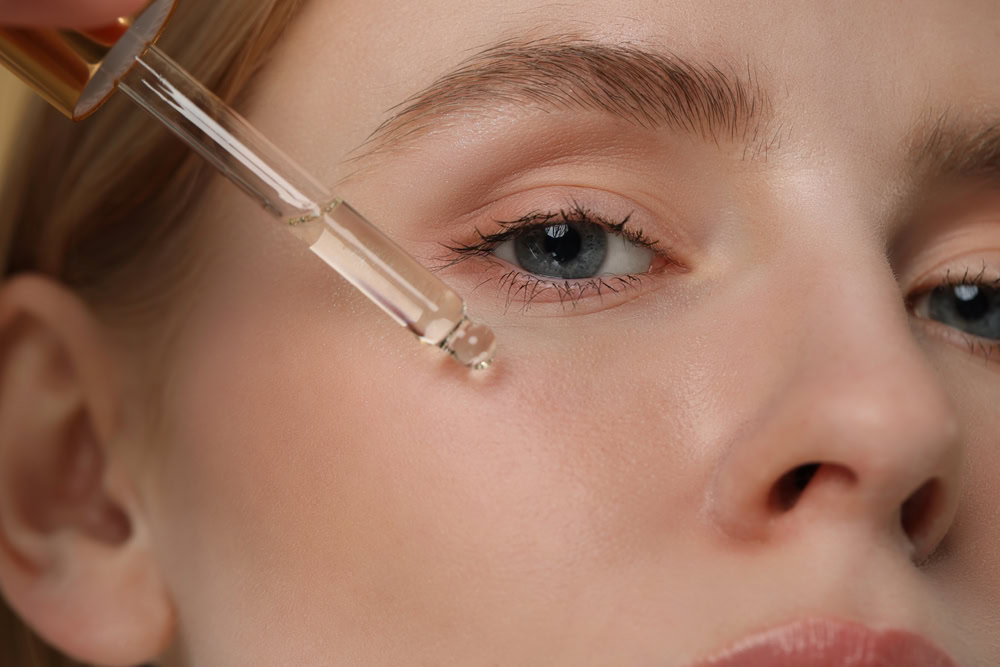
The short list of topical ingredients with consistent evidence for PIH includes niacinamide, kojic acid, azelaic acid, tranexamic acid, vitamin C, and arbutin. Each works through a slightly different mechanism, but they all target the melanin production pathway in some way — either by inhibiting tyrosinase, interrupting melanin transfer to skin cells, or providing antioxidant protection that reduces UV-driven pigmentation.
Niacinamide is one of the most widely tolerated options and works well across skin types. It doesn’t bleach the skin — it regulates melanin transfer, which gradually evens out tone without disrupting the skin’s natural pigment. Azelaic acid is another solid choice, particularly for people who are also managing acne or rosacea alongside PIH, since it addresses inflammation and pigmentation simultaneously.
Kojic acid and tranexamic acid are increasingly popular for skin of color specifically, because they’re effective without the irritation risk that comes with stronger actives like hydroquinone or high-concentration retinoids. Vitamin C is useful but requires a stable formulation and consistent use to see results — and it’s easily destabilized by light and air, so the product quality matters.
The honest reality is that these ingredients work best as part of a broader routine that includes daily SPF 30 or higher. Without sun protection, UV exposure will continue to stimulate melanin production and undo whatever progress the topicals are making. In Wake County’s climate, where summer UV exposure is significant and the sun stays strong well into September, this isn’t optional — it’s foundational.
For mild PIH that’s been present for only a few weeks or months, a consistent at-home routine with one or two of these ingredients plus daily sunscreen is a reasonable starting point. For PIH that’s been present longer, that’s deeper in the dermis, or that keeps recurring because of an ongoing trigger, at-home treatment typically isn’t enough on its own.
Best Way to Get Rid of Hyperpigmentation That Won't Fade on Its Own
If you’ve been patient — genuinely patient, months of consistent product use with sun protection — and the marks are still there, that’s meaningful information. It tells you the PIH is either deeper than topicals can reach, or that the underlying trigger is still active, or both. That’s when professional treatment becomes not just an option but the more efficient path.
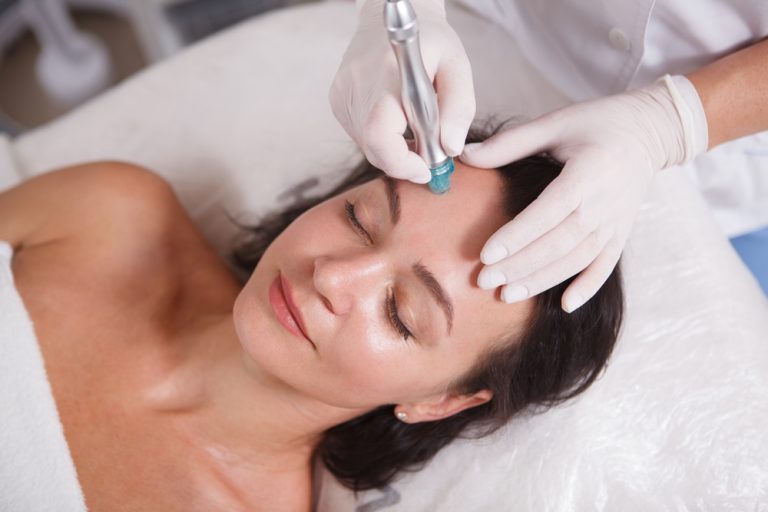
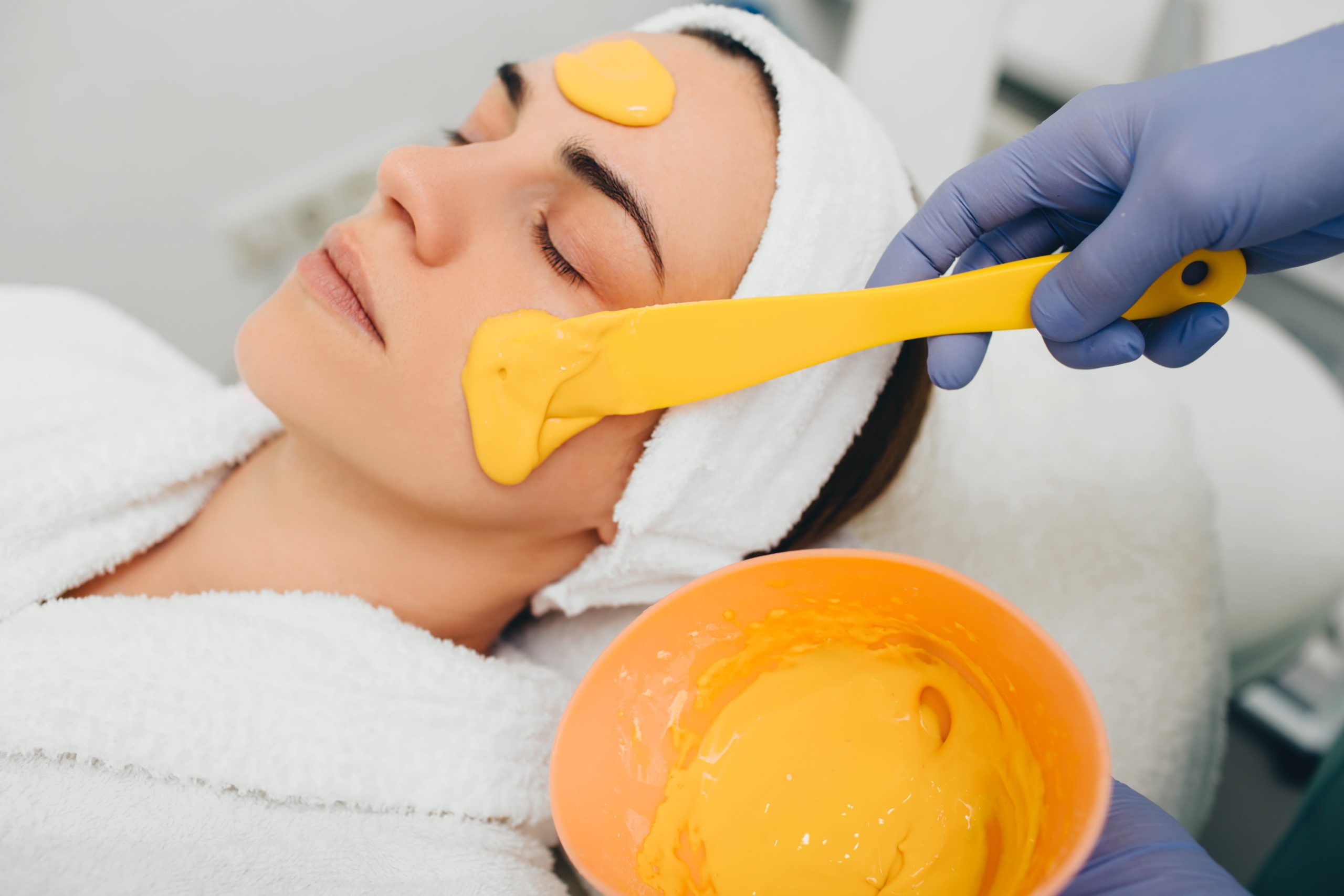
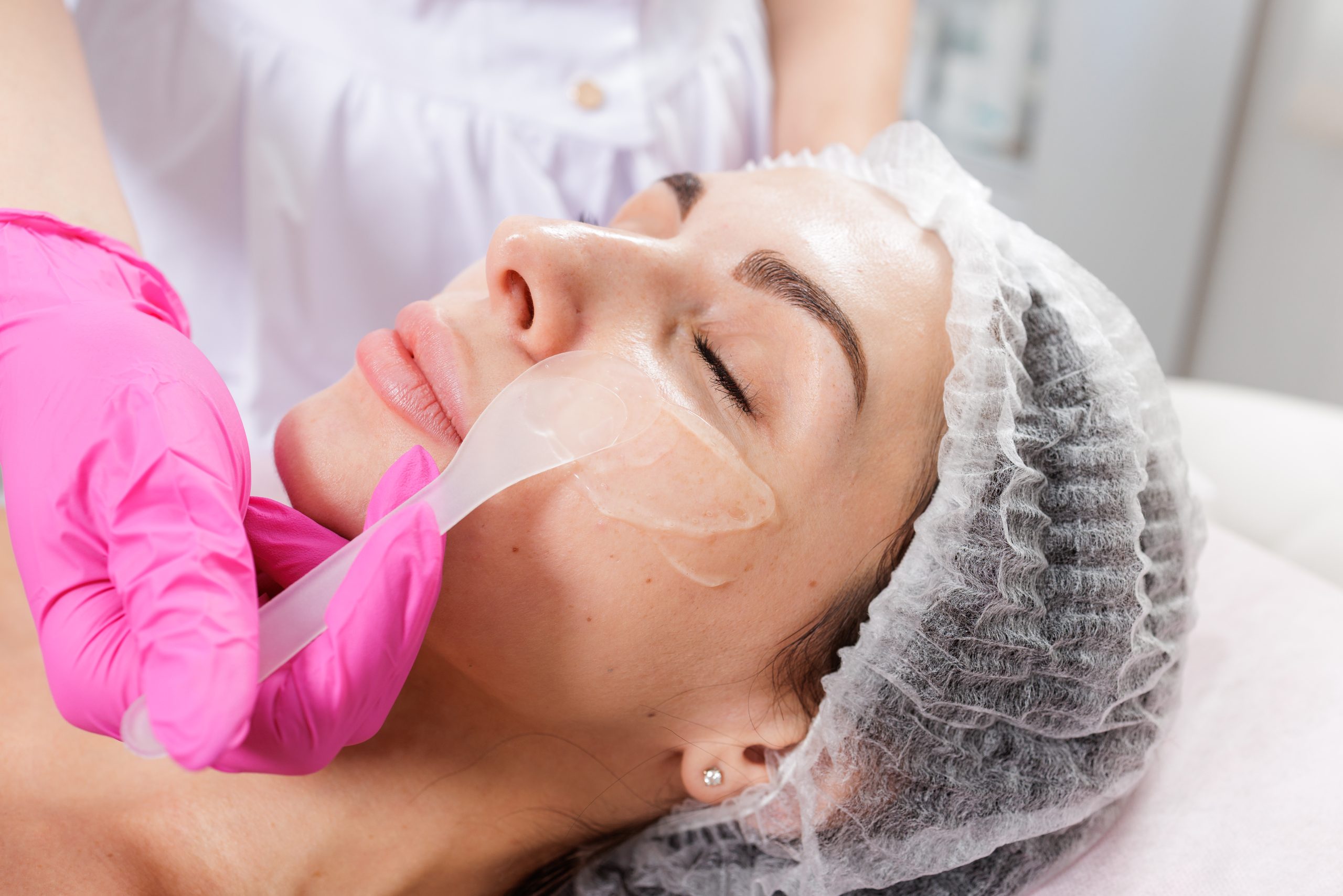
The most effective professional treatments for PIH work by addressing the melanin at the depth where it’s actually sitting. Chemical peels accelerate cell turnover and help bring pigmented cells to the surface more quickly than the skin would do on its own. Microneedling stimulates collagen production and can be combined with targeted serums that drive depigmenting ingredients deeper into the skin than topical application alone allows. IPL (Intense Pulsed Light) therapy targets melanin directly, breaking up pigment deposits so the body can clear them — but it requires precise calibration for each individual’s skin type, which is why provider expertise is non-negotiable.
For skin of color, the treatment selection and the settings matter enormously. Treatments that are too aggressive, or applied without proper understanding of how melanin-rich skin responds, can trigger additional PIH. The goal is to reduce inflammation and pigmentation — not add to it. This is exactly why a provider’s background in pigmentation and skin of color isn’t just a nice credential. It’s the difference between results and setbacks.
Our founder, Jacqueline Grace, has earned both 1st and 2nd place in the Pigmentation Artist of the Year category at The Skin Games — an international professional aesthetics competition. Every treatment plan we build starts with a thorough skin evaluation, because the right treatment for PIH depends on skin type, depth of pigmentation, active triggers, and individual goals — and none of those can be assessed from a booking form.
We also offer free consultations, which means the first step costs you nothing but a conversation. If you’ve been trying to figure out why your marks aren’t fading — or whether professional treatment is the right move for your skin — that’s exactly the kind of question we’re set up to answer.
Post-Inflammatory Hyperpigmentation: What to Do Next
PIH is common, it’s treatable, and it’s not something you have to just live with. But it rarely resolves as quickly as people expect — especially for deeper skin tones, especially in a climate like Wake County’s where UV exposure keeps the pressure on through most of the year.
The most important thing you can take from this page is that waiting isn’t a neutral choice. The longer PIH sits untreated, the deeper the melanin can migrate, and the harder it becomes to clear. Understanding your trigger, protecting your skin from UV daily, and knowing when to move from at-home to professional treatment are the three things that make the biggest difference.
If you’re ready to stop guessing and get a clear picture of what your skin actually needs, we offer free skin evaluations for every new client at Wake Skincare. Come in, talk through what you’re dealing with, and leave with a real plan — not a product recommendation and a hope.