
Summary:
Living in the Research Triangle means dealing with humid summers that trigger breakouts and year-round sun exposure that accelerates aging. Your skin faces unique challenges that generic skincare routines can’t solve.
This guide explains how North Carolina’s climate affects your complexion and why treatments like HydraFacials offer targeted solutions. You’ll learn what’s happening beneath the surface and how to protect your skin through every season.
Table of contents
Your skin sheds millions of dead cells every day, but sometimes they don’t fall away as they should. Instead, they build up on the surface, leaving you with dull, rough skin that makes even the best skincare products less effective. You’ve probably tried countless scrubs and treatments, but nothing seems to give you that smooth, glowing complexion you’re after.
The North Carolina Seasonal Skin Guide: Staying Radiant in Humidity and Sun
If you’ve noticed your skin acting differently depending on the season—breaking out when humidity spikes or feeling parched when temperatures drop—you’re not imagining it. North Carolina’s climate puts real pressure on your complexion. Between muggy August days when humidity hits 78% and year-round sun exposure that doesn’t quit even in winter, your skin is constantly adapting to conditions that most skincare routines weren’t designed to handle. The good news? Understanding how weather affects your skin is the first step toward treatments that actually deliver results. Let’s break down what’s really happening and how you can keep your complexion balanced no matter what the forecast says.
How North Carolina's Climate Affects Your Skin
Wake Forest, Raleigh, and the surrounding Research Triangle area experience a humid subtropical climate that creates specific skincare challenges. Summers bring temperatures into the high 80s with humidity levels that can reach nearly 80%. That moisture in the air doesn’t just make you sweat—it triggers your sebaceous glands to overproduce oil, leading to clogged pores and breakouts you didn’t see coming.
Then there’s the sun. With more than 200 sunny days each year, UV exposure is constant. Even on cloudy winter days, those rays penetrate through and contribute to photoaging—the premature aging caused by sun damage. The combination of humidity and sun creates a perfect storm for skin concerns that range from acne flare-ups to accelerated fine lines and hyperpigmentation.
How NC sun exposure accelerates aging
When humidity levels climb, the moisture-saturated air affects how your skin functions. Your body responds to that thick, heavy feeling by ramping up sebum production. Sebum is the natural oil your skin produces, and in normal amounts, it’s protective. But when humidity triggers overproduction, that excess oil mixes with sweat, dead skin cells, and environmental debris like pollen and pollution.
North Carolina’s 214 sunny days per year mean your skin faces consistent UV exposure, and that exposure is the single biggest factor in premature aging. Photoaging accounts for about 90% of visible skin changes—fine lines, wrinkles, dark spots, uneven texture, and loss of elasticity. Unlike chronological aging, which happens naturally over time, photoaging is preventable damage caused by ultraviolet radiation.
UV rays penetrate deep into your skin’s dermis layer, where they break down collagen and elastin—the proteins that keep your skin firm and smooth. Once that structural support is compromised, wrinkles form and skin starts to sag. The damage happens on a cellular level, altering DNA and creating oxidative stress that deteriorates your skin’s foundation. Even more concerning, this type of damage is cumulative. Every unprotected minute in the sun adds up over the years.
Sun damage doesn’t just age your skin—it also creates hyperpigmentation. Those dark spots and patches you see aren’t just cosmetic concerns; they’re evidence of your skin trying to protect itself by producing excess melanin in response to UV exposure. The more sun your skin absorbs without protection, the more uneven your tone becomes.
What many people don’t realize is that UV rays are present year-round, even on overcast days and during winter months. That’s why sun protection can’t be seasonal. The good news is that treatments designed to address sun damage—like chemical peels, microneedling, and HydraFacials with brightening boosters—can visibly improve texture, tone, and firmness. These treatments work by stimulating collagen production, removing damaged surface cells, and infusing your skin with antioxidants that fight free radical damage. When combined with daily SPF, they give your skin the support it needs to repair and protect itself against ongoing exposure.
Why HydraFacials Work for Climate-Related Skin Concerns
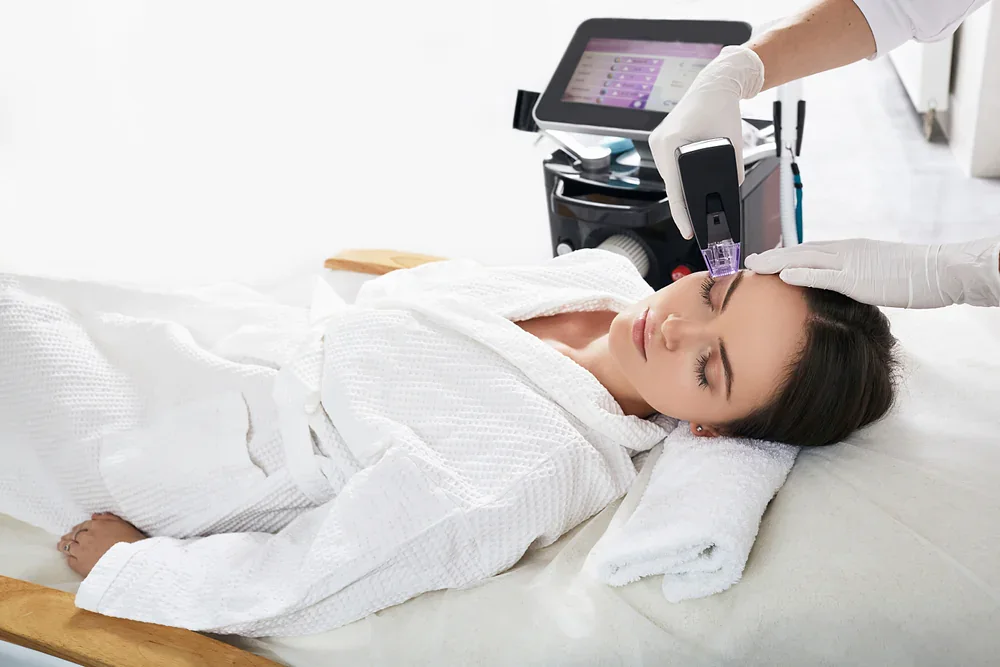
HydraFacials have become one of the most sought-after treatments for a reason: they address multiple skin concerns in a single session without downtime. The treatment uses patented vortex technology to cleanse, exfoliate, extract, and hydrate your skin in a way that’s gentle yet highly effective. Unlike traditional facials that rely on manual extractions or harsh scrubbing, HydraFacials use a water-based approach that’s safe for all skin types, including sensitive skin.
What makes this treatment particularly effective for North Carolina’s climate is its ability to tackle both humidity-related congestion and sun damage at the same time. The multi-step process removes the buildup caused by excess oil and sweat while simultaneously infusing your skin with serums packed with antioxidants, peptides, and hyaluronic acid. You walk out with clearer pores, balanced hydration, and a noticeable glow.
How HydraFacials deep-clean without irritation
The magic of HydraFacials lies in the vortex suction technology. Instead of squeezing or scraping your skin to remove blackheads and debris, the device uses a controlled vacuum to gently pull impurities out of your pores. This method is far less irritating than manual extractions, which can cause redness, broken capillaries, and even scarring if done incorrectly.
The treatment begins with a cleansing and exfoliation step that removes surface dirt and dead skin cells. Then comes a gentle peel—typically a blend of glycolic and salicylic acids—that loosens the buildup inside your pores without the stinging or peeling associated with stronger chemical peels. Salicylic acid is particularly effective because it’s oil-soluble, meaning it can penetrate deep into clogged pores to dissolve sebum and debris from the inside out.
Once your pores are prepped, the extraction step uses that signature vortex suction to clear out blackheads, whiteheads, and congestion. You’ll actually see the gunk being pulled out in real time—it’s oddly satisfying and proof that the treatment is working. Because the process is so gentle, there’s no pain, no downtime, and no risk of the post-facial breakouts that sometimes happen with aggressive extractions.
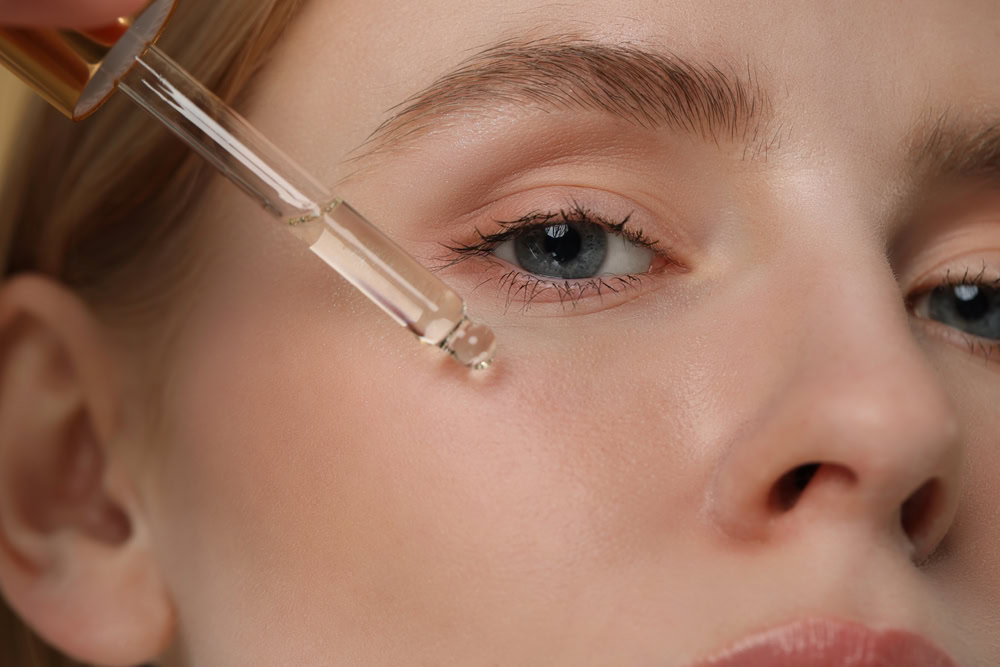
After extractions, your skin is infused with hydrating serums customized to your needs. These serums contain ingredients like hyaluronic acid (which holds up to 1,000 times its weight in water), antioxidants to fight free radical damage, and peptides that support collagen production. The vortex technology doesn’t just sit these serums on top of your skin—it pushes them into the deeper layers where they can actually make a difference. The result is skin that feels clean, balanced, and genuinely hydrated, not stripped or tight. For anyone dealing with the combination of oily T-zones and dehydrated cheeks that humidity often causes, this balance is game-changing.
Customizing treatments for sun damage and pigmentation
One of the biggest advantages of HydraFacials is their customizability. If sun damage and hyperpigmentation are your main concerns, the treatment can be tailored with boosters specifically designed to brighten and even out your skin tone. Boosters are concentrated serums added during the treatment to target specific issues—think of them as the difference between a standard service and one that’s dialed in to exactly what your skin needs.
For sun damage, brightening boosters often contain ingredients like vitamin C, kojic acid, or tranexamic acid—all of which work to fade dark spots and prevent new pigmentation from forming. These ingredients inhibit melanin production and help break up existing pigment clusters, leading to a more even complexion over time. When delivered through the HydraFacial’s vortex infusion system, these active ingredients penetrate more effectively than they would from a topical product you apply at home.
Another option for addressing sun damage is adding LED light therapy to your HydraFacial. Red light stimulates collagen production and helps repair the structural damage caused by UV exposure, while blue light targets acne-causing bacteria if breakouts are also part of the picture. The combination of deep exfoliation, targeted serums, and light therapy creates a layered approach that tackles photoaging from multiple angles.
Clinical studies back up what you’ll see in the mirror. Research on HydraFacial treatments for acne showed that 65% of patients achieved clear or almost clear skin after a series of six treatments, and 100% of participants reported feeling more confident in their appearance. While those studies focused on acne, the same principles apply to sun damage: consistent, professional treatments give your skin the tools it needs to repair itself and maintain results over time. For anyone living in an area with high sun exposure, making HydraFacials a regular part of your routine—whether monthly or seasonally—can significantly slow down visible aging and keep pigmentation in check. Pair that with daily SPF and a solid at-home routine, and you’re giving your skin the best possible defense against North Carolina’s climate.
Protecting your skin through every season
Your skin doesn’t stop working just because the weather changes, and neither should your skincare strategy. North Carolina’s climate demands more than a one-size-fits-all approach—it requires treatments that address the specific challenges of humidity, sun exposure, and seasonal transitions. HydraFacials offer that targeted solution by deep-cleaning congested pores, infusing your skin with climate-appropriate hydration, and addressing sun damage before it becomes permanent.
The key is consistency. One treatment will give you immediate results, but building a routine around professional facials—whether that’s monthly maintenance or a focused series to tackle specific concerns—gives your skin the ongoing support it needs to stay balanced and resilient. Combined with daily sun protection and a home routine that works with your skin instead of against it, you’re setting yourself up for long-term health and confidence in how you look.
If you’re ready to stop fighting your skin and start working with it, we offer the expertise and personalized care that make a real difference. As a HydraFacial Master Certified clinic with a three-time Best Esthetician in Wake County on our team, we understand exactly what North Carolina skin needs to thrive.