Summary:
Your wedding day deserves more than last-minute facials and crossed fingers. This timeline-based guide walks Triangle brides through a strategic 6-month skincare countdown, explaining when to tackle concerns with treatments like VI Peels and when to switch to glow-focused options like HydraFacial.
You’ll learn which treatments need months of lead time, which ones deliver that final-week radiance, and how to avoid the stress breakouts and timing disasters that can derail your bridal glow.
Table of contents
You’ve got the venue booked, the dress ordered, and a Pinterest board that could crash a server. But when someone asks about your skincare plan, you freeze. Should you start now or wait? Chemical peel or facial? And what if you try something that leaves you red and blotchy two weeks before you walk down the aisle?
Here’s the thing: wedding-ready skin isn’t about luck or good genes. It’s about timing. Knowing when to bring in the heavy hitters and when to focus purely on glow. This 6-month countdown gives you a clear roadmap for exactly that—no guesswork, no panic, just a plan that actually works for your timeline and your skin.
Why Six Months Matters for Wedding Skin Care
Six months might sound excessive when you’re juggling caterers and seating charts. But your skin doesn’t work on your schedule. It regenerates on a roughly 28-day cycle, which means real improvement takes time.
Starting six months out gives you room to address concerns like hyperpigmentation, acne scars, or uneven texture with treatments that require multiple sessions. It also gives you a buffer. If something doesn’t go as planned, you’re not scrambling a week before your wedding trying to fix it.
Most importantly, it lets you phase your treatments strategically. The aggressive stuff happens early when you have time to heal. The glow-focused treatments happen closer to the date when you want immediate radiance without any risk.
Months 6-4: When to Start Chemical Peels and Heavy Hitters
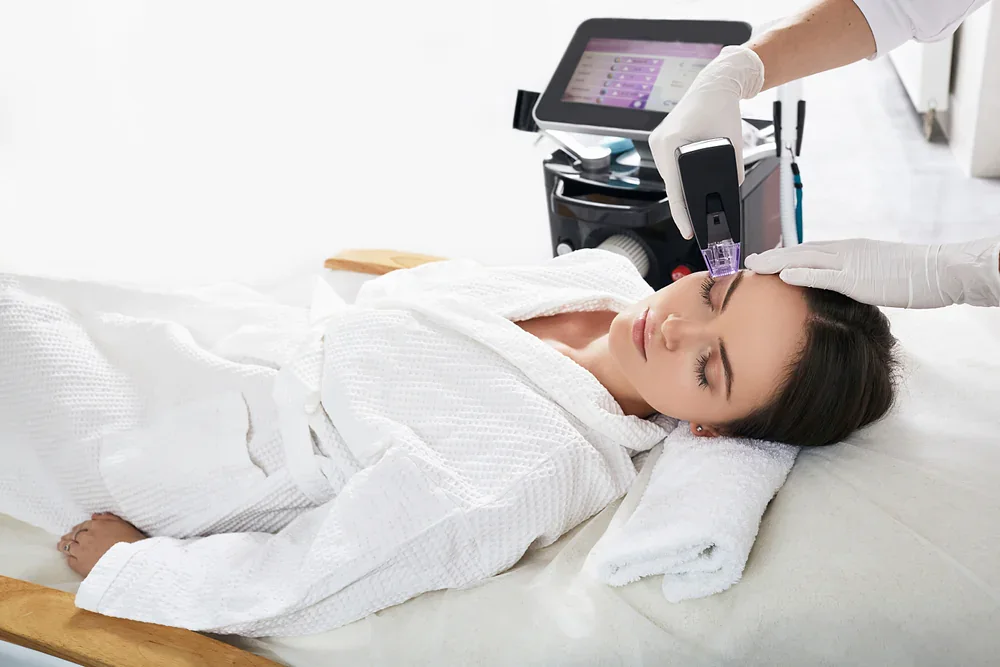
This is your window for the treatments that deliver dramatic results but need recovery time. Think VI Peels, a series of chemical peels, or microneedling sessions. These aren’t the kind of treatments you try for the first time three weeks before your wedding.
VI Peels are particularly popular with brides in the Raleigh-Durham area because they target stubborn issues like melasma, sun damage, and acne. But here’s what most people don’t realize: you’ll experience 5-7 days of visible peeling. Your skin will look worse before it looks better. That’s why the 3-4 month mark is ideal—you get the dramatic improvement without cutting it too close.
If you’re dealing with moderate to severe concerns, you might need a series of chemical peels spaced 5-6 weeks apart. Each peel triggers a full cycle of cell turnover, gradually improving tone and texture. Starting at the six-month mark gives you time for three to six sessions, depending on what your skin needs.
This is also the time to address acne if it’s been an ongoing issue. Consistent professional treatments during these months can clear your complexion and prevent the stress breakouts that tend to pop up as the wedding gets closer. Don’t wait until you’re two months out and panicking about a breakout that won’t quit.
The key here is consistency and patience. You’re building a foundation. These months aren’t about instant gratification—they’re about setting your skin up so that when you hit the final stretch, you’re working with a clean, healthy canvas.
What to Avoid During the Early Months
Just because you have time doesn’t mean you should throw everything at your skin. One of the biggest mistakes brides make is overloading their routine with too many actives or trying multiple aggressive treatments too close together.
If you’re doing chemical peels, give your skin time to recover between sessions. Don’t layer a peel with microneedling in the same week. Your skin needs a chance to heal and regenerate, not get pummeled into submission.
Also, resist the urge to experiment with new products just because someone on social media swears by them. If your skin reacts badly, you’ve just created a problem that could take weeks to resolve. Stick with products and treatments your skin already tolerates, or introduce new things one at a time with plenty of spacing.
And here’s a reality check: if you’re dealing with a chronic skin condition like rosacea, eczema, or cystic acne, now is the time to work with a professional to get it under control. Waiting until the last minute means you’ll be managing flare-ups instead of preventing them.
This phase is about being strategic, not aggressive. You want to improve your skin, not stress it out to the point where it rebels right before your wedding. Think of it as laying the groundwork—you’re not trying to fix everything overnight, you’re building momentum that carries you all the way to the altar.
Months 3-1: Shifting to Glow-Focused Treatments
Once you hit the three-month mark, your strategy shifts. You’re done with the heavy lifting. Now it’s all about refining, hydrating, and building that lit-from-within glow everyone talks about.
This is when HydraFacial becomes your best friend. Unlike chemical peels, HydraFacials have zero downtime. You can get one during your lunch break and head straight to your dress fitting without a hint of redness. It deeply cleanses, exfoliates, and infuses your skin with hydration—exactly what you need as the big day approaches.
The beauty of this phase is that you’re working with the improvements you made earlier. Your skin is clearer, more even, and healthier. Now you’re just enhancing what’s already there.
HydraFacial Timing for Maximum Bridal Glow
Timing your HydraFacial correctly can make or break your wedding day skin. Too early and the glow fades before you walk down the aisle. Too late and you risk unexpected sensitivity on the day itself.
The sweet spot for most brides is 4-7 days before the wedding. This gives your skin time to fully absorb the benefits and settle into that plump, dewy state without any risk of irritation. If you’ve been getting HydraFacials monthly leading up to this point, your skin already knows what to expect, which minimizes any chance of a reaction.
Some brides prefer scheduling their final HydraFacial about two weeks out, especially if they have sensitive skin or want extra cushion time. There’s no single right answer—it depends on how your skin typically responds. But here’s the rule: if you’ve never had a HydraFacial before, don’t make your wedding week the first time you try it.
Start incorporating HydraFacials into your routine during these middle months. Monthly sessions help maintain hydration, keep your pores clear, and give you that consistent glow. By the time you get to your final pre-wedding treatment, your skin is already trained to respond beautifully.
And if you’re layering treatments, here’s the order that works: if you’re getting Botox or filler, schedule those about 3-4 weeks before your wedding. Let them settle. Then do your final HydraFacial in that 4-7 day window. This way, everything has time to look natural and you’re not dealing with multiple recovery periods at once.
The Final Month: What Not to Do
The last month before your wedding is not the time to be a hero. You might see a new treatment trending online or hear about something a friend tried. Ignore it. Seriously. This is the worst possible time to experiment.
Your skin is used to your routine by now. It knows what’s coming. Introducing something new—whether it’s a product, a treatment, or even a different brand of cleanser—can trigger reactions you don’t have time to fix. Stick with what’s been working.
Avoid anything aggressive during this final stretch. No deep chemical peels, no trying microneedling for the first time, no waxing areas you’ve never waxed before. The goal is maintenance and enhancement, not transformation. You already did the transforming in the earlier months.
If you get a stress breakout (and let’s be honest, it happens), don’t panic and don’t pick at it. Reach out to your esthetician for a spot treatment or a gentle extraction if needed. But whatever you do, don’t go rogue and start using harsh acne treatments that could dry out your entire face.
This is also the time to double down on the basics: hydration, sleep, and stress management. Your skin reflects what’s happening inside your body. If you’re running on four hours of sleep and living off wedding-planning adrenaline, it’s going to show. Prioritize rest. Drink water. Take breaks from the chaos when you can.
And here’s something most people don’t think about: the week before your wedding, keep your skincare routine simple and gentle. Use a lightweight moisturizer, skip heavy products that could cause congestion, and consider a calming facial mist to keep your skin refreshed without overloading it. You want your makeup to glide on smoothly, and that starts with a clean, balanced base.
Your Wedding Skin Care Plan Starts Now
Wedding-ready skin isn’t about finding a miracle product or booking a last-minute facial. It’s about having a plan, sticking to it, and trusting the process. The brides who glow on their wedding day are the ones who started early, stayed consistent, and didn’t panic when things didn’t go perfectly.
If you’re six months out, you’re in the ideal position to tackle concerns and build that foundation. If you’re closer to the date, don’t stress—focus on what you can control now. Hydration, consistency, and strategic treatments in the time you have left will still make a difference.
We specialize in creating personalized bridal treatment plans that take the guesswork out of timing your skin care. From VI Peels in those early months to perfectly timed HydraFacials before the big day, we’ll guide you every step of the way—so you can stop worrying about your skin and focus on everything else that comes with saying “I do.”