
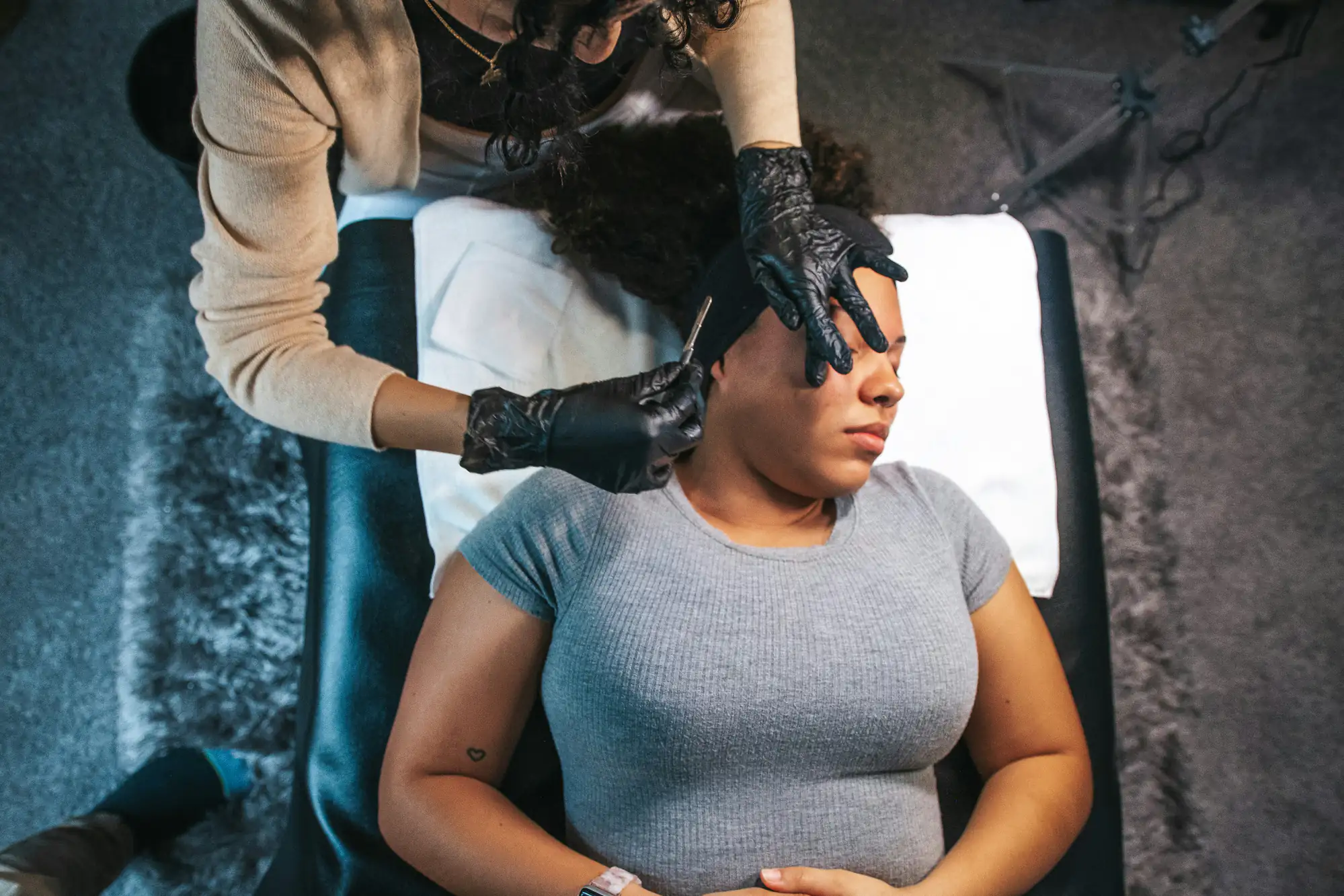
Hear from Our Customers
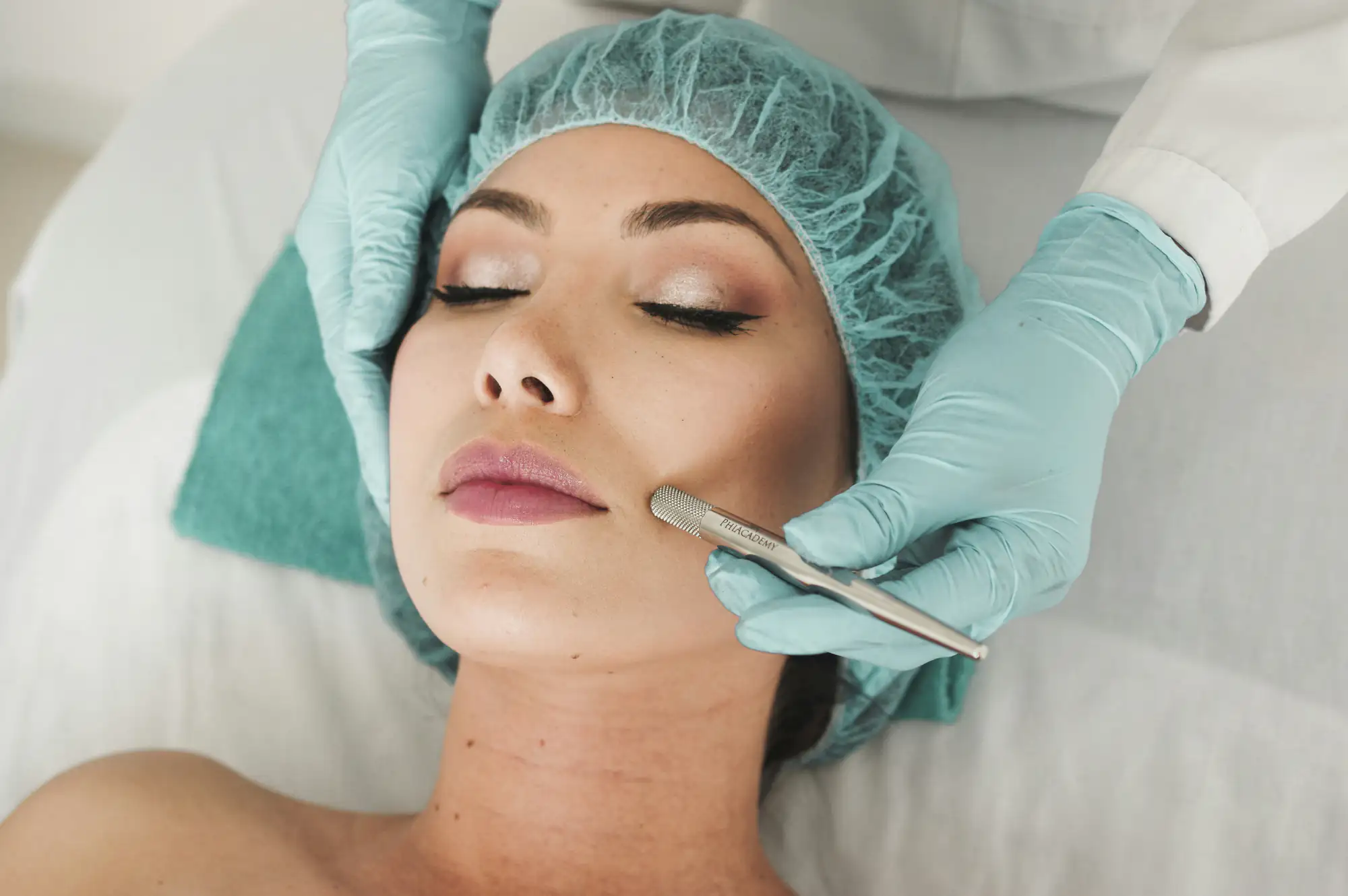
Your makeup goes on smoother. That’s usually the first thing people notice after a dermaplane facial—foundation doesn’t cake, and your skin feels different under your fingertips.
But the real benefit shows up over the next few weeks. Your serums and moisturizers actually absorb instead of sitting on top of dead skin and peach fuzz. Fine lines look softer because light reflects differently off smooth skin.
You’re not dealing with irritation or peeling like you would with harsher exfoliation methods. There’s no downtime, so you can book this before an event without worrying about how you’ll look. Most people in Angier schedule dermaplaning every three to four weeks to maintain results, and that rhythm works because the treatment is gentle enough to repeat regularly.
This isn’t about dramatic transformation. It’s about consistent improvement—skin that looks healthier, feels smoother, and responds better to everything else you’re already doing.
We operate under medical oversight with Dr. Joseph Hummel supervising all treatments. That matters because dermaplaning involves a surgical-grade scalpel and requires proper training to perform safely and effectively.
Jacqueline Grace, our founder and lead esthetician, has been named Best Esthetician in Wake County three years running. She’s also HydraFacial Master Certified and placed first internationally in the Pigmentation Artist of the Year category at The Skin Games. That’s not marketing fluff—those are measurable credentials that reflect real expertise.
We serve Angier and 21 other communities throughout Wake County. Every treatment starts with a free consultation where you discuss your skin concerns and goals. You’re not getting a one-size-fits-all approach—you’re getting a treatment plan based on what your skin actually needs right now.

Your appointment starts with cleansing to remove makeup, oil, and surface debris. Clean skin is essential for safe, effective dermaplaning.
Then comes the actual treatment. Your esthetician uses a sterile, surgical-grade scalpel held at a 45-degree angle to gently scrape away dead skin cells and vellus hair (peach fuzz) from your face. The blade only removes what’s already dead or sitting on the surface—it doesn’t cut into living skin.
The process takes about 30 to 45 minutes depending on the areas being treated. Most people describe the sensation as a light scratching, not pain. You’ll hear the blade against your skin, which can feel strange the first time, but it’s not uncomfortable.
After dermaplaning, your esthetician applies serums and moisturizers that your newly exfoliated skin can actually absorb. Some people add on other treatments like a hydrating mask or LED therapy since your skin is primed to receive maximum benefit.
You leave with no redness, no irritation, and no restrictions on your day. You can wear makeup immediately if needed, though most people enjoy showing off their fresh glow without it.

Ready to get started?
Every dermaplaning service at Wake Skincare includes a personalized consultation, even if you’ve been in before. Your skin changes with seasons, stress, hormones, and age—what worked last month might need adjustment now.
The treatment itself removes approximately two to three weeks’ worth of dead skin buildup plus all the fine facial hair that traps dirt and interferes with product absorption. You’re also getting increased circulation from the physical exfoliation, which delivers more oxygen to your skin cells.
For clients in Angier dealing with North Carolina’s humid summers and dry winters, dermaplaning helps your skin adapt to seasonal changes. Summer humidity can trap dead skin and cause congestion. Winter dryness makes dead skin more visible and causes flaking. Regular dermaplaning keeps your skin clear and smooth regardless of weather.
This treatment works for almost everyone. It’s safe during pregnancy and nursing when chemical exfoliants are off-limits. It’s effective on all skin tones and types. The main exceptions are active acne breakouts or open wounds in the treatment area—you’ll need to wait until those heal.
You’ll schedule your next appointment for three to four weeks out. That’s how long it takes for enough dead skin to accumulate to make the treatment worthwhile again.
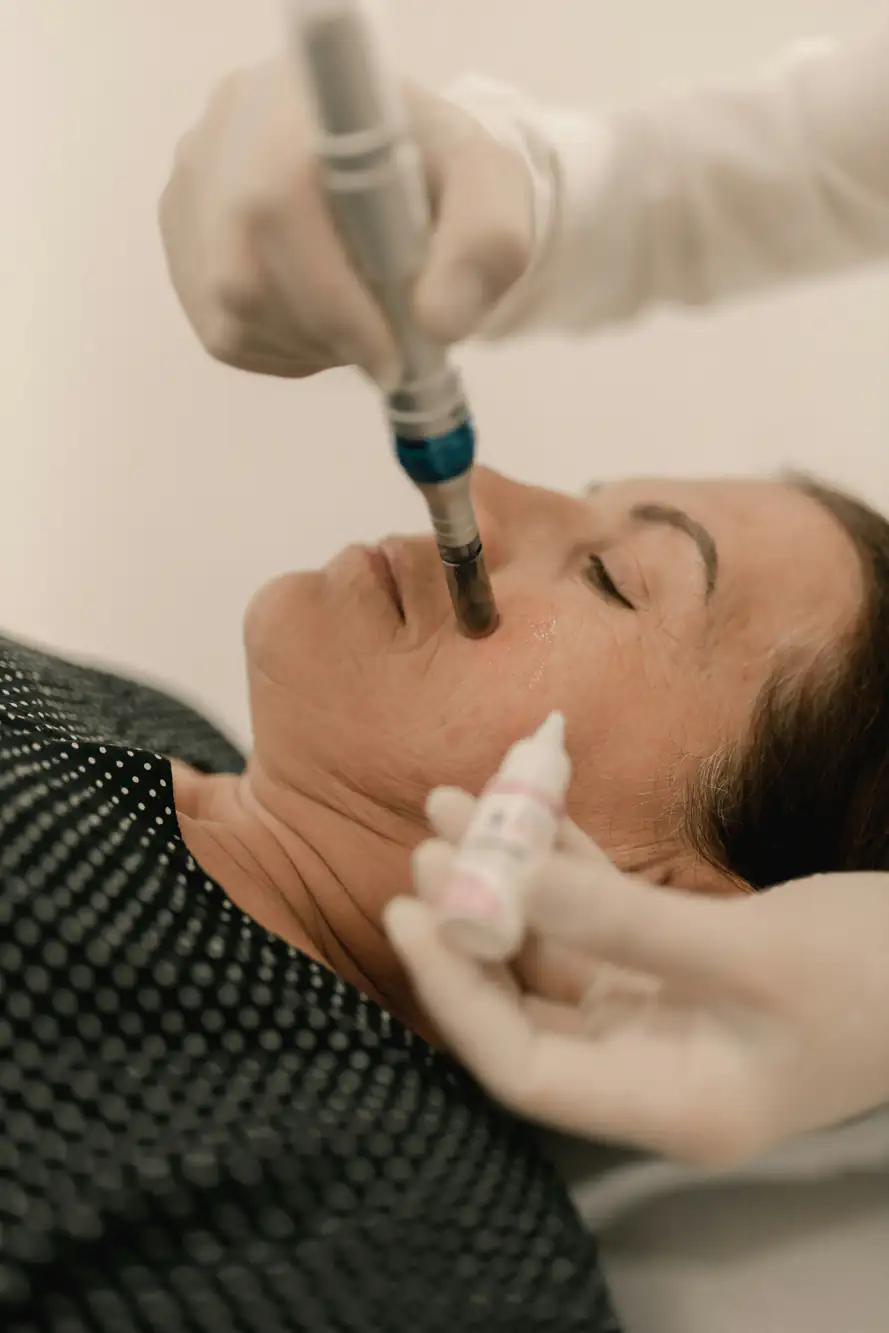
No. This is the most common myth about dermaplaning, and it’s completely false.
Hair texture and color are determined by your hair follicle, which sits deep under your skin. Dermaplaning only removes hair at the surface level—it never touches or affects the follicle itself. The vellus hair on your face (peach fuzz) will grow back at the same rate, texture, and color it was before treatment.
The myth probably started because hair has a tapered end naturally, and when you cut it, you’re seeing the thicker mid-shaft. It can feel slightly blunt as it grows back, but within a few days, it returns to normal. The hair isn’t actually thicker or darker—you’re just noticing it more temporarily because you’re paying attention to it.
Dermaplaning doesn’t hurt. Most people describe the sensation as a light scratching or tickling feeling. You’ll hear the blade against your skin, which can seem intense at first, but there’s no pain involved.
Your skin might feel slightly sensitive immediately after, similar to how it feels after washing your face with a textured cloth. But there’s no redness, swelling, or visible irritation. You can return to all your normal activities right away, including wearing makeup if you want to.
The only aftercare requirement is sun protection. Your newly exfoliated skin is more vulnerable to UV damage for a few days, so you’ll need to wear SPF 30 or higher if you’re going outside. That’s standard advice after any exfoliation treatment. Otherwise, you’re good to go.
The tools are different. At-home dermaplaning devices use guarded blades that can’t get as close to the skin, which means less effective exfoliation. Professional dermaplaning uses a surgical-grade scalpel that removes dead skin and hair more thoroughly.
The technique matters too. Licensed estheticians are trained on proper blade angle, pressure, and stroke direction. Incorrect technique can cause nicks, irritation, or uneven results. It’s not that you can’t do it yourself—it’s that you probably won’t get the same level of exfoliation or smoothness without professional training.
There’s also the sanitation factor. Professional treatments use sterile, single-use blades in a controlled environment. At home, you’re responsible for keeping everything clean, and most people don’t have access to medical-grade sterilization. The risk of infection or irritation is higher when you’re not working in a clinical setting with proper protocols.
Dermaplaning is actually one of the gentler exfoliation options for sensitive skin because it’s purely physical—no chemicals, no heat, no suction. But whether it’s right for you depends on your specific condition.
If you have mild sensitivity or redness, dermaplaning is usually fine and often helpful. Removing dead skin and peach fuzz can actually reduce irritation because your skincare products work better and you’re not trapping dirt against your skin.
If you have active rosacea flare-ups, broken capillaries, or extremely reactive skin, you’ll want to discuss timing with your esthetician. It might make sense to wait until your skin calms down, or to do a test area first. The free consultation we offer exists specifically for these conversations—you’ll get an honest assessment of whether dermaplaning makes sense for your skin right now.
Before your appointment, skip any harsh exfoliants for at least three days. That means no retinoids, no glycolic acid, no scrubs, and no other professional treatments like chemical peels or microneedling. You want your skin in a neutral, non-irritated state before dermaplaning.
Don’t come in with active breakouts in the treatment area. Dermaplaning over acne can spread bacteria and make things worse. If you have a pimple or two, your esthetician can work around them, but if you’re having a significant breakout, it’s better to reschedule.
After treatment, avoid direct sun exposure for at least 48 hours, and wear SPF 30 or higher whenever you’re outside. Your skin is more vulnerable to UV damage right after exfoliation. Also skip heavy workouts that cause excessive sweating for the first 24 hours—you don’t want sweat and bacteria sitting on your freshly exfoliated skin.
You can resume your normal skincare routine immediately, but this is a great time to use your best serums and treatments since your skin can actually absorb them properly now.
Dermaplaning at Wake Skincare is priced as a standalone treatment, and you can also add it to other services like HydraFacial or chemical peels for enhanced results. Exact pricing is discussed during your free consultation since it depends on whether you’re combining treatments or booking dermaplaning alone.
Most people schedule dermaplaning every three to four weeks. That’s the natural skin cell turnover cycle—it takes about that long for enough dead skin to accumulate to make the treatment worthwhile again. Some people go longer between appointments, especially if they’re just maintaining results rather than addressing specific concerns.
If you’re preparing for an event, book your appointment two to five days before. That gives your skin time to settle while still looking fresh. Booking the day before can work, but you’ll want to do a test run first to see how your skin responds. Most people in Angier find that regular monthly appointments keep their skin consistently smooth without requiring extra prep before big events.