
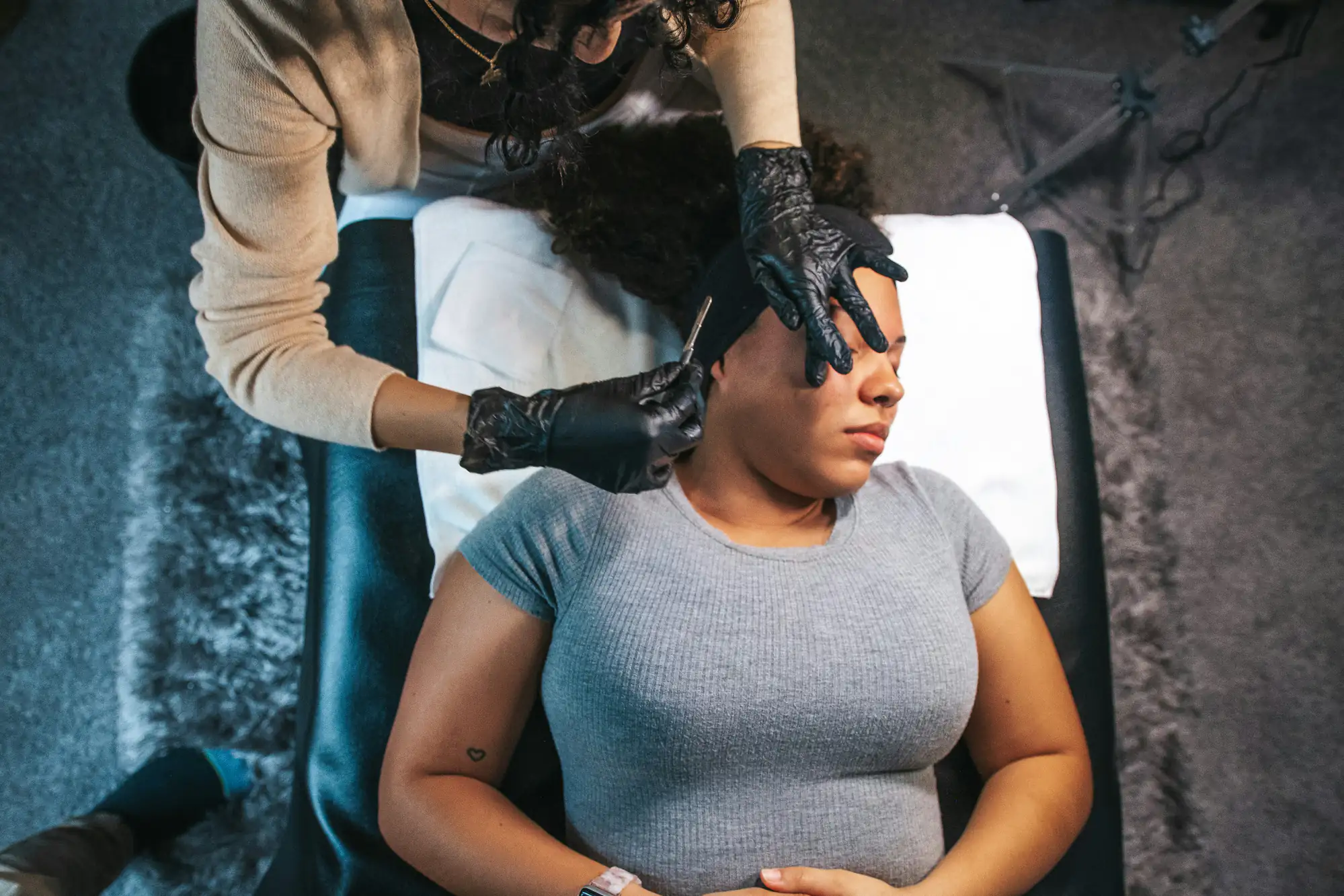
Hear from Our Customers
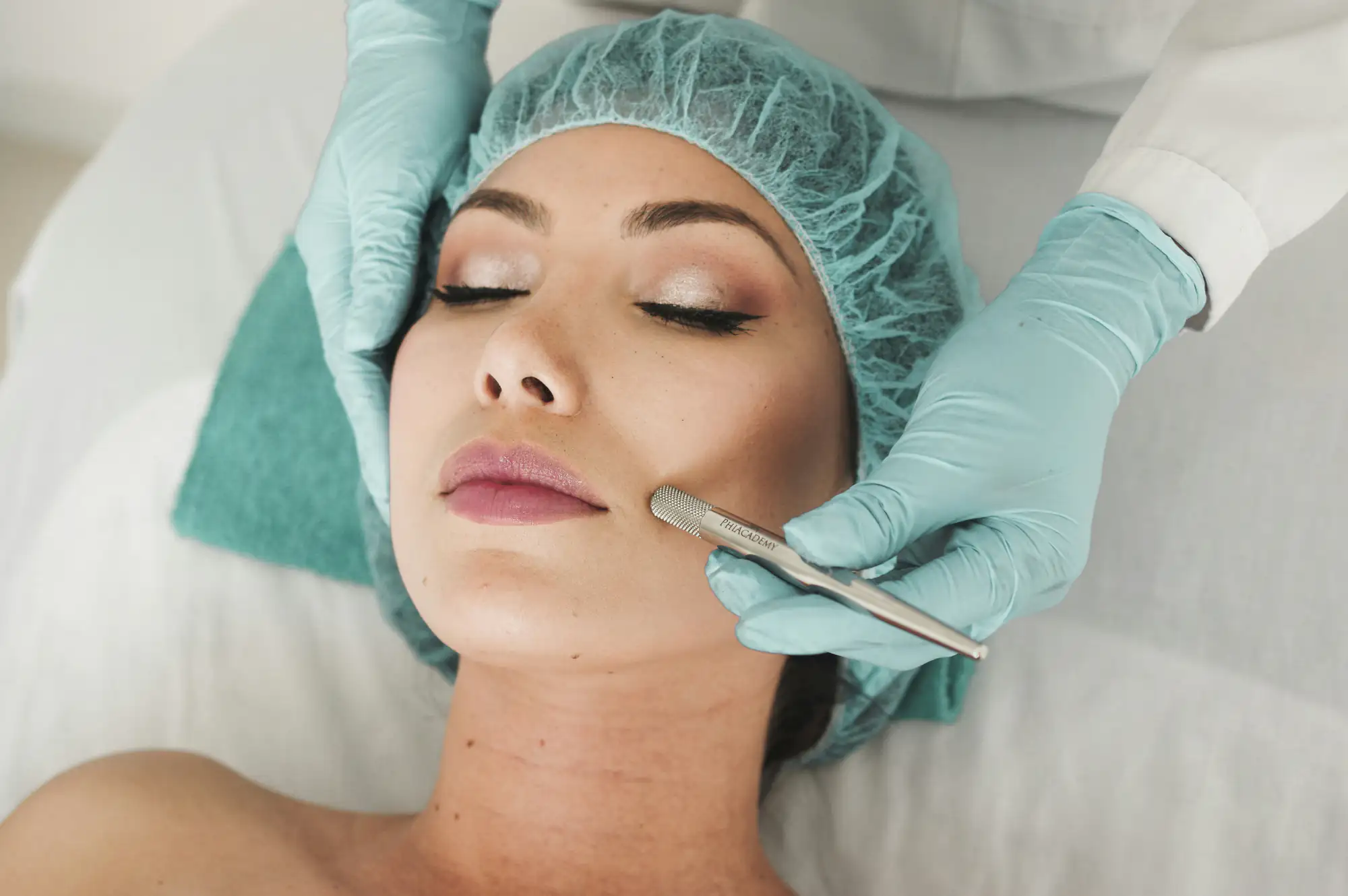
Your skin feels different the second you touch it. Smoother. Softer. Like you just reset the surface and cleared out everything that was sitting there dulling your complexion.
Makeup goes on cleaner because there’s no fuzz or texture getting in the way. Your serums and moisturizers actually sink in instead of sitting on top of dead skin. You’re not imagining it—your products work up to 35% better when there’s nothing blocking them.
And the glow is immediate. Not “give it a week” immediate—you’ll see it before you leave. That’s what happens when you remove the buildup that’s been sitting on your face making everything look flat and tired. It’s not magic, it’s just proper exfoliation done right.
Wake Skincare is run by Jacqueline Grace, a licensed esthetician who’s been named Best Esthetician in Wake County three years running. She’s HydraFacial Master Certified—one of the first hundred practitioners worldwide to hit that level—and she’s placed first internationally in pigmentation artistry at The Skin Games.
That’s not name-dropping. It’s context. Because dermaplaning looks simple, but doing it safely and effectively on different skin types takes training and precision. Butner residents drive to Wake Forest because they want someone who knows what they’re doing, not someone who just bought a blade and hung a sign.
Every treatment here starts with a free consultation. You’re not walking into a one-size-fits-all situation. Your skin gets evaluated, your concerns get heard, and the approach gets customized before anything touches your face.

Your skin gets cleansed first. Clean surface, no oils or makeup in the way. That’s not optional—it’s how you avoid irritation and get an even result.
Then comes the actual dermaplaning. A sterile, medical-grade surgical blade is held at a 45-degree angle and moved across your skin in short, controlled strokes. It’s removing the top layer of dead skin cells and all that vellus hair (peach fuzz) in one pass. It doesn’t hurt. Most people say it feels like a light scratching or brushing sensation. There’s no heat, no chemicals, no downtime.
The whole process takes about 30 to 45 minutes depending on your skin and whether you’re adding anything else to the treatment. Afterward, a hydrating serum or mask goes on to calm and nourish the newly exposed skin. You walk out glowing, not red. And your skin stays smooth for about three weeks before you’d even think about booking again.

Ready to get started?
This isn’t just a quick scrape and send-off. You’re getting a full dermaplaning facial that includes cleansing, the dermaplane treatment itself, and post-treatment care that leaves your skin hydrated and protected.
Butner’s close enough to Wake Forest that you’re not making a day trip out of it, but far enough that you want to make sure the drive is worth it. It is. Because this is medical-grade skincare, not a spa add-on. The tools are sterile, the technique is precise, and the results show up right away.
If you’ve been dealing with dull skin, clogged pores, makeup that won’t sit right, or skincare products that don’t seem to do much—dermaplaning fixes the barrier problem. It’s one of the fastest ways to see a visible difference without needles, chemicals, or waiting weeks for results. And because we customize every treatment, you’re not getting a cookie-cutter facial. You’re getting what your skin actually needs.
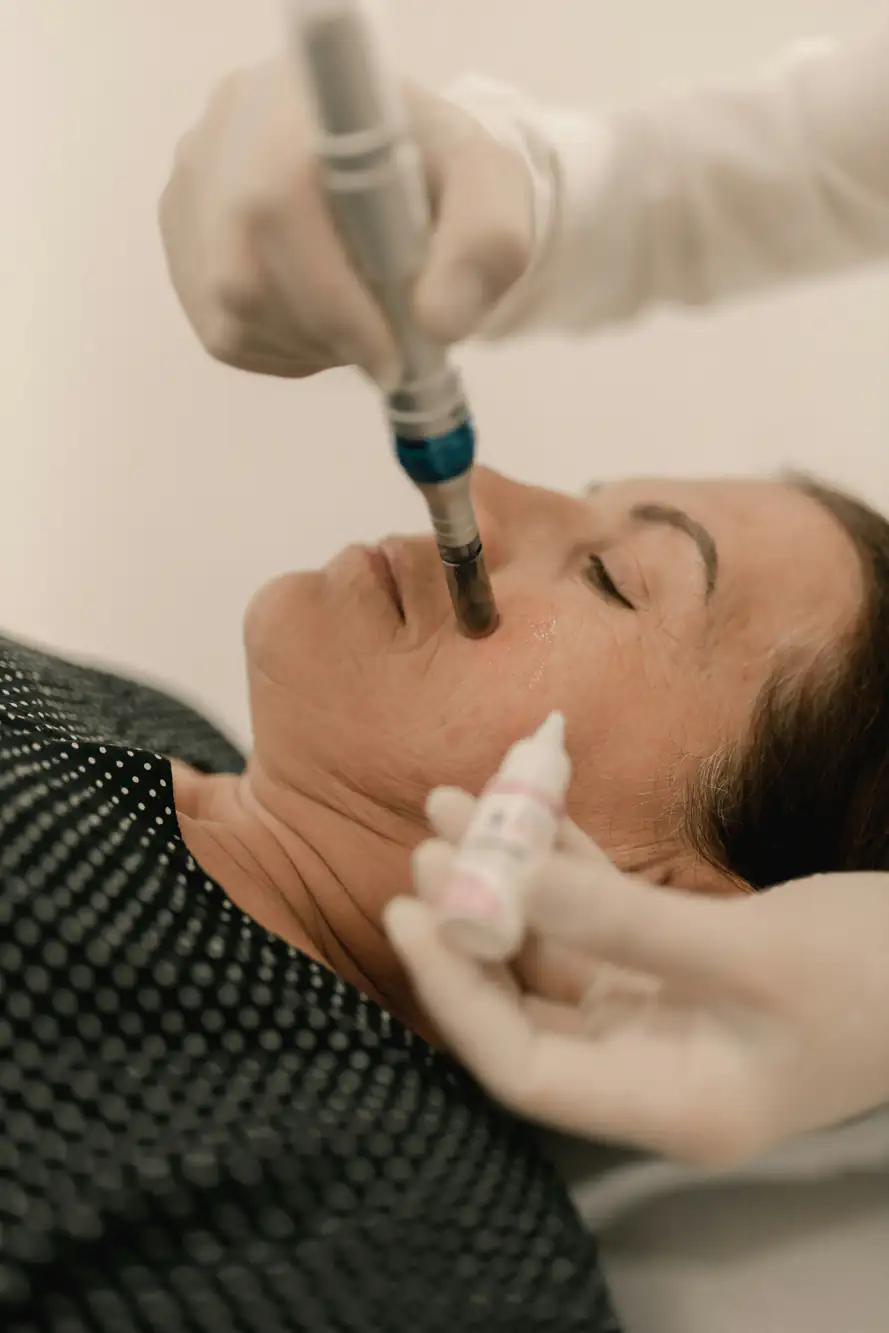
Dermaplaning is safe for most skin types, including sensitive skin, because it’s a physical exfoliation method that doesn’t involve chemicals or heat. It’s especially good if you can’t tolerate acids or retinoids but still want serious exfoliation.
That said, it’s not recommended if you have active acne, especially cystic or inflamed breakouts. The blade can spread bacteria and make things worse. If you’re dealing with occasional breakouts or closed comedones, that’s a conversation to have during your free consultation—sometimes dermaplaning helps by clearing out the buildup, other times we’ll recommend treating the acne first.
As for causing breakouts afterward, that’s rare when it’s done correctly. What some people mistake for breakouts is actually purging—your skin releasing congestion that was already under the surface. It clears up fast. If you’re worried about how your skin will react, that’s exactly why the consultation exists.
The blade is different. At-home razors are designed for safe, shallow hair removal. Professional dermaplaning uses a sterile, surgical-grade scalpel that’s sharper and angled specifically for exfoliation. It removes more dead skin and gets a cleaner result.
The technique matters too. Angle, pressure, and stroke direction all affect how much you’re exfoliating and whether you’re irritating your skin. Do it wrong at home and you’re looking at nicks, uneven texture, or irritation. Do it right in a clinical setting and you’re getting smooth, glowing skin with zero damage.
And then there’s the prep and aftercare. Your skin gets properly cleansed before and treated afterward with professional-grade products that maximize the results. You’re not just shaving your face over the bathroom sink and hoping for the best. If you want real exfoliation and real results, this isn’t a DIY situation.
No. That’s a myth that won’t die, but it’s not how hair growth works. Dermaplaning removes vellus hair—the fine, soft peach fuzz on your face. It’s not the same as terminal hair (like what grows on your scalp or in your eyebrows). Vellus hair doesn’t have the same follicle structure, so shaving it doesn’t change its thickness, color, or growth rate.
What happens is this: when hair grows back with a blunt tip instead of a tapered one, it can feel slightly coarser for a day or two. But it’s the same hair. Same texture. Same color. It just hasn’t been worn down by friction and exposure yet.
If your hair was fine and blonde before dermaplaning, it’s growing back fine and blonde. If you’ve heard horror stories from someone whose hair “changed” after dermaplaning, they either had a different hair type to begin with or they’re misremembering. This has been studied. The hair doesn’t change.
Results typically last about three weeks. That’s how long it takes for your skin to build up a new layer of dead cells and for the vellus hair to grow back to a noticeable length. Some people stretch it to four weeks, but three is the sweet spot if you want to maintain that smooth, glowing look.
You can safely get dermaplaning done every three to four weeks. Your skin needs that time to complete its natural turnover cycle. Going more often doesn’t give you better results—it just increases your risk of irritation or over-exfoliation.
If you’re prepping for an event, book your appointment about three to five days before. That gives your skin time to calm down completely and lets your makeup application be absolutely flawless. A lot of people in Butner book around weddings, photos, or big work events for exactly that reason. You want to look your best when it matters, and timing it right makes a difference.
Yes, and it’s actually one of the best things you can do for your skin. Dermaplaning before a chemical peel removes the dead skin barrier so the peel can penetrate deeper and work more effectively. You’re getting better results from both treatments when they’re done together.
Same goes for other treatments like HydraFacial or enzyme masks. Dermaplaning first means better product absorption and a more dramatic outcome. A lot of our clients stack treatments this way because it maximizes their investment and their results.
Microneedling is a little different. You can combine them, but not in the same session. Dermaplaning is usually done first, then microneedling a week or two later once your skin has settled. Doing them together increases irritation risk without adding benefit. If you’re interested in combining treatments, that’s something we map out during your consultation so the timing and order make sense for your skin and your goals.
Skip the sun for at least a few days, and if you can’t avoid it, wear SPF 30 or higher. Your skin just lost its top protective layer, so it’s more vulnerable to UV damage. That’s non-negotiable.
Avoid active ingredients like retinoids, acids (glycolic, salicylic, lactic), and vitamin C serums for about three days. Your skin is more sensitive right after dermaplaning, and those products can cause irritation or redness when there’s no dead skin buffer. Stick to gentle, hydrating products until your skin acclimates.
Don’t scrub your face, use harsh cleansers, or do any other exfoliating treatments for at least a week. You already exfoliated. Doing it again just irritates your skin and undoes the smooth results you just paid for. And skip the gym or heavy sweating for 24 hours if you can—sweat and bacteria getting into your newly exposed pores isn’t ideal. Just keep it simple, keep it gentle, and let your skin enjoy being smooth.