Hear from Our Customers
You walk out with skin that looks different immediately. Brighter. Smoother. The kind of glow people notice before you say anything.
Dermaplaning removes the layer of dead skin cells and fine facial hair that dulls your complexion and creates texture. That means your foundation doesn’t cake. Your moisturizer penetrates deeper. Your skin reflects light the way it’s supposed to.
The treatment takes about 30 minutes. There’s no redness, no peeling, no hiding at home for three days. You can get it done on your lunch break and go straight back to work. Or book it two days before an event and show up looking like you just came back from a spa weekend.
Most people in Louisburg come in monthly because that’s how long results last. Your skin regenerates on a 30-day cycle, so staying on that rhythm keeps you consistently smooth. It’s not a one-time fix. It’s maintenance that actually makes sense.
We’re not new to this. Jacqueline Grace has been named Best Esthetician in Wake County three years running, and she’s HydraFacial Master Certified—a designation held by less than 1% of providers worldwide.
She’s also won first place internationally in the Pigmentation Artist of the Year category at The Skin Games. That’s not local recognition. That’s competing against the best and coming out on top.
When you book dermaplaning services here, you’re working with someone who’s proven her skill at the highest level. Louisburg is part of the 22-city service area we cover across Wake County, and clients drive from Franklinton, Youngsville, and beyond because the results speak for themselves. You get a free consultation before anything happens, and every treatment is built around what your skin actually needs—not a one-size-fits-all script.

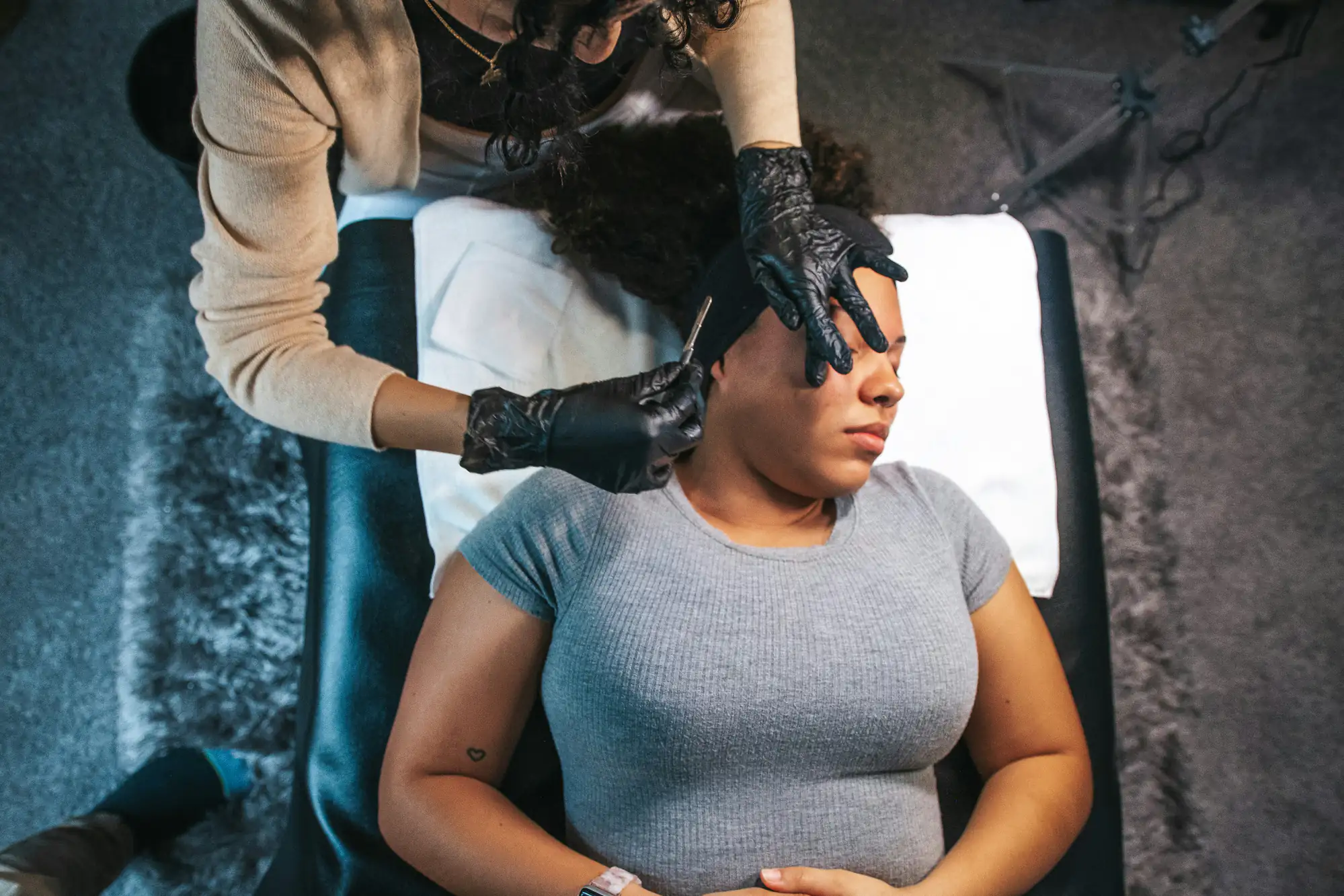
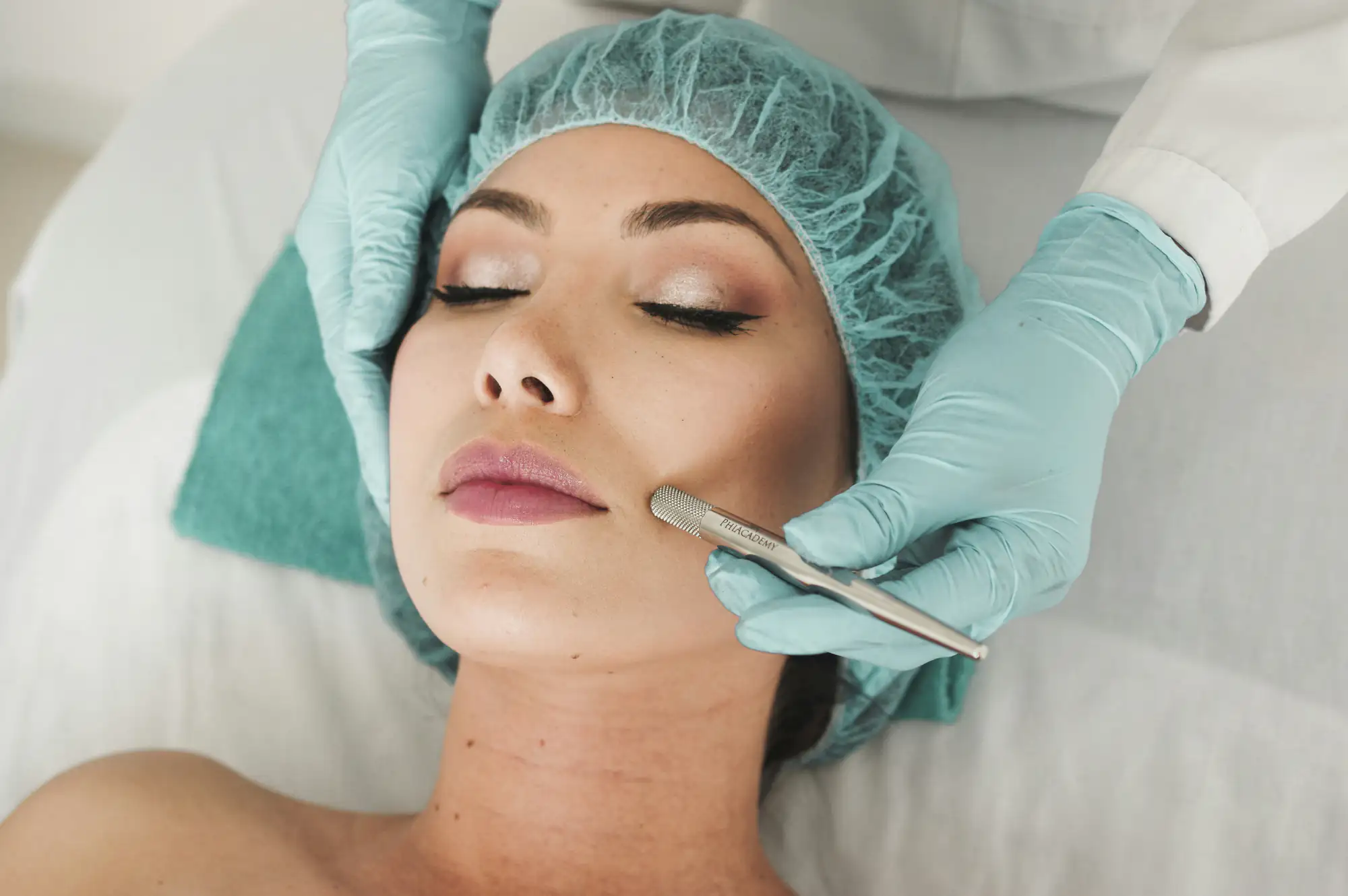
First, your skin gets cleansed. No makeup, no oils, nothing in the way. Then Jacqueline uses a surgical-grade steel blade held at a precise 45-degree angle to gently scrape away dead skin and vellus hair from your face.
It’s not painful. Most people say it feels like a light scratching sensation. You’re not bleeding, you’re not raw, and your skin isn’t traumatized. It’s controlled exfoliation at the surface level.
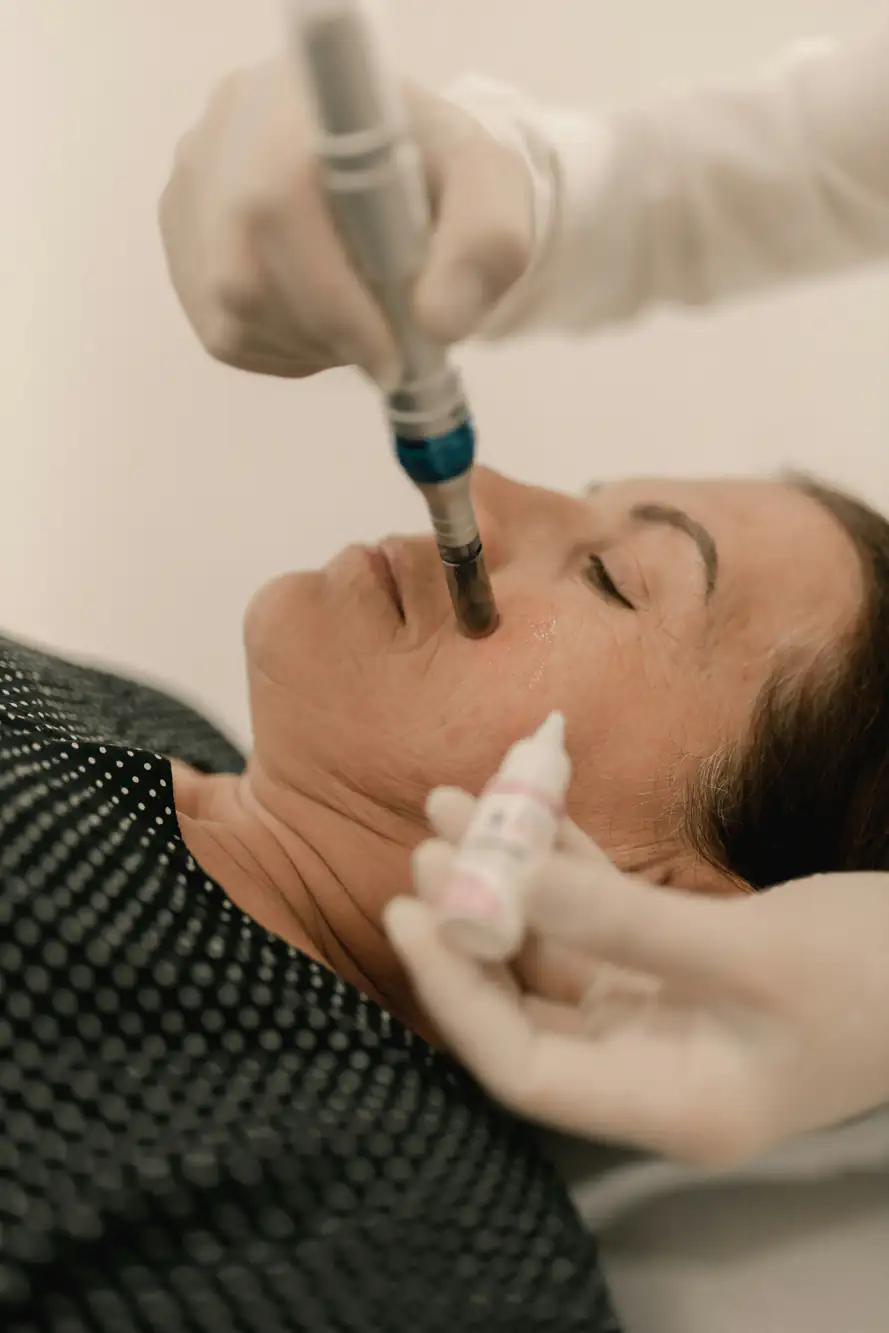
After dermaplaning, a soothing serum or mask goes on to calm and hydrate. Your skin is more receptive right now, so whatever gets applied sinks in deeper than it normally would. That’s why this is the perfect time to layer in actives like hyaluronic acid or peptides.
You leave with zero downtime. No restrictions on sun exposure beyond normal SPF use. No waiting period before applying makeup. You can go straight into your day looking better than when you walked in. If you want to maintain results, booking every four to six weeks keeps your skin in that smooth, glowing zone consistently.

Ready to get started?
Every dermaplaning session at Wake Skincare starts with a skin analysis. You’re not getting a generic treatment. Jacqueline evaluates your skin type, concerns, and goals before the blade ever touches your face.
The treatment itself uses medical-grade tools and techniques. This isn’t the same as at-home dermaplaning kits you see online. The blade angle, pressure, and stroke pattern all matter, and they’re all controlled by someone who’s done this thousands of times.
After exfoliation, your treatment includes targeted serums chosen for your specific skin needs. If you’re dealing with hyperpigmentation, fine lines, or dehydration, this is when those concerns get addressed. Your skin is prepped to absorb active ingredients more effectively than it would on a normal day.
Louisburg clients also benefit from our broader expertise in medical-grade treatments. If dermaplaning alone isn’t enough to hit your goals, you’ll get honest guidance on what else might help—whether that’s a chemical peel, microneedling, or a HydraFacial. The median household income in this area is over $120,000, and people here expect results that match their investment. You’re not getting upsold. You’re getting a real plan.
No. This is the most common myth about dermaplaning, and it’s completely false.
The hair on your face is vellus hair—soft, fine, and light in color. It’s structurally different from terminal hair, which is what grows on your scalp or legs. Shaving or removing vellus hair doesn’t change its texture, thickness, or color because you’re only cutting it at the surface. You’re not affecting the follicle or the way the hair grows.
When the hair grows back after dermaplaning, it comes back exactly the same as it was before. Same texture. Same color. Same fine, barely-there appearance. The idea that it grows back darker is a myth that’s been debunked repeatedly by dermatologists and estheticians. If you’ve heard otherwise, you’ve been given bad information.
Most people come in every four to six weeks. That timing matches your skin’s natural regeneration cycle, which is about 30 days.
If you go longer than six weeks, you’re letting dead skin and peach fuzz build back up to the point where you lose the smooth, glowing results. If you come in more frequently than every four weeks, you’re not giving your skin enough time to regenerate between sessions. There’s no benefit to overdoing it.
Some clients in Louisburg book monthly as part of their regular skincare routine. Others come in before big events—weddings, photos, vacations—and then return when they have another occasion coming up. Both approaches work. It just depends on whether you want consistent maintenance or targeted results for specific moments. Jacqueline will give you a recommendation based on your skin and your goals during your free consultation.
It depends on the type of acne you have. If you’re dealing with active cystic acne or open, inflamed breakouts, dermaplaning isn’t recommended. Dragging a blade over irritated or infected skin can spread bacteria and make things worse.
But if you have closed comedones, blackheads, or post-acne texture and scarring, dermaplaning can actually help. It removes the dead skin layer that clogs pores and creates dullness, and it allows acne treatments like salicylic acid or retinoids to penetrate more effectively.
During your consultation, Jacqueline evaluates your skin and tells you honestly whether dermaplaning is a good fit right now. If it’s not, she’ll recommend what to do instead—whether that’s a chemical peel, a HydraFacial, or a different exfoliation method that won’t aggravate your skin. You’re not getting pushed into a treatment that doesn’t make sense for your situation. You’re getting a real assessment from someone who’s seen every skin type and knows what works.
Dermaplaning uses a surgical-grade scalpel held at a precise 45-degree angle to exfoliate dead skin cells and remove vellus hair. Shaving uses a razor with a guard designed to cut hair at the surface without exfoliating skin.
The blade, the angle, and the technique are all different. When you dermaplane, you’re removing an entire layer of buildup that dulls your complexion and blocks product absorption. When you shave, you’re just cutting hair. The exfoliation component isn’t there.
Dermaplaning is also performed by a licensed professional who knows how to control pressure, avoid irritation, and work around sensitive areas like active breakouts or broken capillaries. If you try to replicate this at home with a razor or a cheap dermaplaning tool from Amazon, you’re not getting the same result. You’re also risking nicks, uneven exfoliation, and potential infection if your tools aren’t sterile. It’s not the same thing, and it doesn’t produce the same outcome.
No. Most people have zero redness or irritation after a dermaplaning treatment. Your skin might feel slightly sensitive for an hour or two, but there’s no visible downtime.
You can put makeup on immediately if you want. You can go back to work, run errands, meet friends for dinner—whatever. There’s no recovery period where you need to hide at home or avoid being seen in public.
The only aftercare you need to follow is basic: wear SPF during the day, avoid harsh exfoliants for a few days, and keep your skin hydrated. That’s it. You’re not dealing with peeling, flaking, or redness like you would after a chemical peel or laser treatment. Dermaplaning is one of the gentlest professional exfoliation methods available, and that’s part of why it’s so popular among people in Louisburg and across Wake County who want results without disruption.
Yes, and it’s actually one of the best times to do it. Dermaplaning removes the barrier of dead skin and peach fuzz, so anything you apply afterward penetrates deeper and works more effectively.
A lot of clients pair dermaplaning with a HydraFacial, a chemical peel, or a custom mask treatment. The exfoliation preps your skin to absorb serums, acids, and hydration at a level it couldn’t reach otherwise. You get better results from both treatments when they’re done together.
At Wake Skincare, Jacqueline will walk you through what combinations make sense based on your skin type and goals. If you’re dealing with hyperpigmentation, she might recommend dermaplaning followed by a brightening peel. If your main concern is dehydration or fine lines, a HydraFacial after dermaplaning delivers serious hydration and plumping. You’re not guessing. You’re getting a plan built around what will actually move the needle for your skin.