
Hear from Our Customers
Your skin looks brighter the second the treatment ends. That layer of dead cells and peach fuzz that’s been dulling your complexion? Gone.
Makeup glides on smoother than it has in months. Your serums and moisturizers actually absorb instead of sitting on the surface. You’re not dealing with redness, peeling, or hiding indoors for a week.
This is the treatment you book before a wedding, a big presentation, or when you just want to feel put-together without the recovery time. It’s completely chemical-free, safe for all skin types, and takes about as long as your lunch break. You walk out glowing, not recovering.
We’ve been serving Nashville and the surrounding Wake County area with medical-grade skincare treatments that actually work. Jacqueline Grace, our licensed esthetician, has been named Best Esthetician in Wake County three years running and placed first internationally in the Pigmentation Artist of the Year category at The Skin Games.
We’re HydraFacial Master Certified, which puts us among the top practitioners worldwide. That’s not marketing speak—it’s a credential that requires proven expertise and consistent results.
Every dermaplaning session starts with a free skin evaluation. You’re not getting a one-size-fits-all treatment. You’re getting a personalized approach from someone who knows exactly what your skin needs and how to deliver it safely.

Your appointment starts with a consultation. We look at your skin, talk about what you’re hoping to achieve, and make sure dermaplaning is the right fit for where your skin is right now.
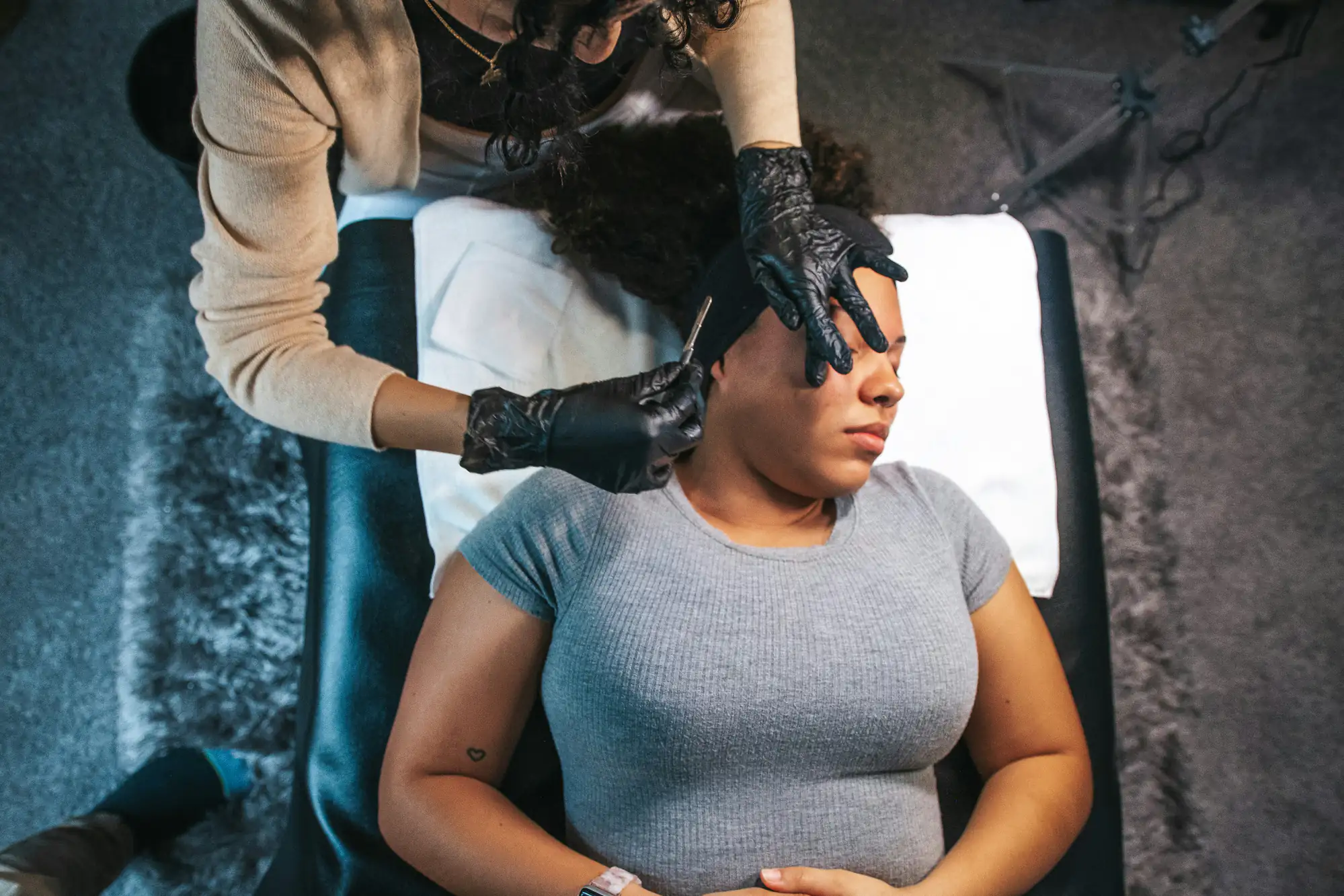
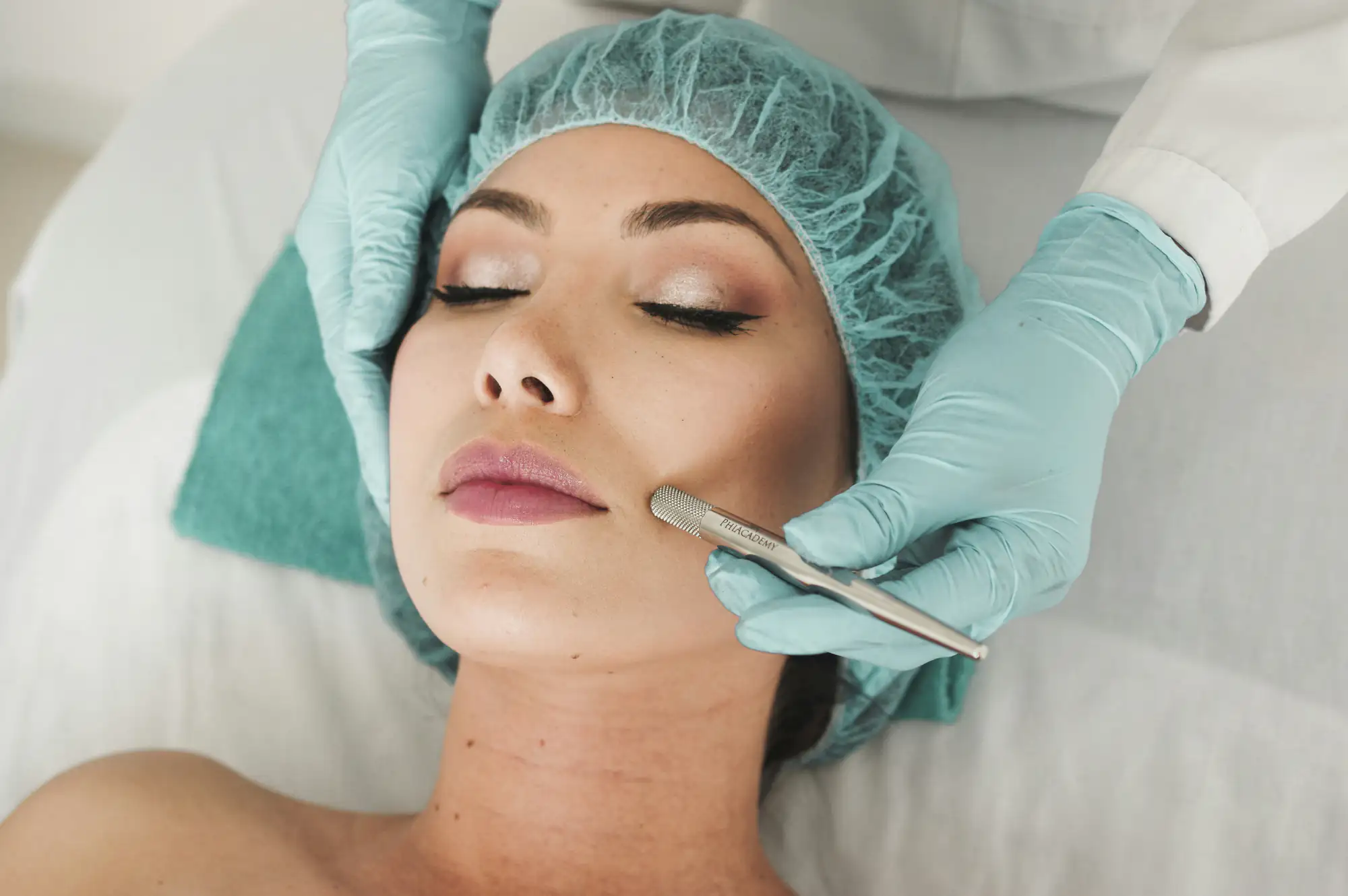
Once we’re ready, your skin gets cleansed to remove any makeup, oil, or debris. Then we use a sterile surgical scalpel held at a precise 45-degree angle to gently exfoliate the outermost layer of dead skin cells and remove vellus hair—that fine peach fuzz that traps dirt and dulls your complexion.
The blade never cuts or scrapes. It glides across your skin in controlled, feathering strokes. Most people find it relaxing, not uncomfortable.
After we’re done, we apply a soothing serum or mask to hydrate and protect your newly revealed skin. The whole process takes about 30 minutes. You leave with immediate results and zero downtime—no redness, no flaking, no hiding at home.

Ready to get started?
Every dermaplaning session at Wake Skincare includes a free skin evaluation and personalized consultation. We don’t just perform the treatment—we make sure it’s the right move for your skin type, your goals, and your timeline.
You get the full 30-minute dermaplaning treatment using medical-grade tools in a clean, professional environment. We’re not using at-home razors or cutting corners. This is the same level of precision and safety you’d expect from a medical procedure, because that’s how we approach every service.
Nashville residents benefit from our proximity and our understanding of the local climate and lifestyle. Whether you’re prepping for an event at Peachtree Community Center or just want to look camera-ready for everyday life, we know what works. Post-treatment, you’ll receive aftercare guidance tailored to your routine—what products to use, what to avoid, and when to schedule your next session for ongoing results.
No. This is one of the most common myths about dermaplaning, and it’s completely false.
Dermaplaning removes vellus hair—the fine, soft peach fuzz on your face. Vellus hair is structurally different from terminal hair (like the hair on your head or eyebrows). It doesn’t have the same thickness, color, or growth pattern. Shaving or removing vellus hair doesn’t change its structure or stimulate it to grow back darker or coarser.
When the hair grows back, it may feel slightly blunt at the tip because it was cut at the surface level, but it’s the same texture, color, and thickness it was before. You’re not going to wake up with a beard. That’s not how hair biology works, and decades of dermaplaning treatments have proven it.
Most people see results for about three to four weeks. That’s how long it takes for your skin to complete its natural cell turnover cycle and for vellus hair to grow back.
The immediate glow and smoothness you get right after treatment will last about a week or two. After that, you’ll still notice improved texture and better product absorption, but the ultra-smooth finish will gradually diminish as new skin cells accumulate and hair regrows.
For ongoing results, most clients schedule dermaplaning every four weeks. If you’re prepping for a specific event—a wedding, photos, a big presentation—we recommend booking your appointment about a week beforehand. That gives your skin time to settle while still looking its absolute best.
Dermaplaning is safe for most skin types, including sensitive skin, but there are some exceptions. If you have active acne, open lesions, or inflamed breakouts, we’ll wait until your skin calms down before performing the treatment. Dermaplaning over active acne can spread bacteria and make things worse.
If you’re dealing with rosacea, eczema, or another inflammatory skin condition, we’ll evaluate your skin during the consultation to determine whether dermaplaning is appropriate or if another treatment would be a better fit.
For sensitive skin without active breakouts, dermaplaning is often gentler than chemical exfoliants. There’s no stinging, no irritation from acids, and no downtime. We use a light touch and medical-grade tools to minimize any risk of nicks or irritation. That’s why the consultation matters—we’re not guessing. We’re looking at your skin and making an informed decision.
You can, but we usually recommend waiting at least a few hours if possible. Your skin is freshly exfoliated, and giving it a little time to breathe and settle is ideal.
That said, if you have somewhere to be right after your appointment, you’re not going to damage your skin by applying makeup. Just make sure your products are clean, your brushes are sanitized, and you’re using something gentle—avoid heavy foundations or anything with harsh ingredients immediately after treatment.
Most people find that their makeup applies better than ever after dermaplaning. The smooth surface means no patchiness, no pilling, and no texture showing through. If you’re getting dermaplaned before an event, plan to do it a day or two ahead so your skin has time to fully settle and you get the best possible finish.
For the first 24 to 48 hours, skip anything that could irritate your freshly exfoliated skin. That means no retinoids, no exfoliating acids like glycolic or salicylic acid, no scrubs, and no harsh active ingredients.
You’ll also want to avoid direct sun exposure and wear a broad-spectrum SPF 30 or higher whenever you’re outside. Your skin is more vulnerable to UV damage right after dermaplaning because that protective layer of dead cells is gone. Sunscreen isn’t optional—it’s part of the treatment.
Hold off on intense workouts or anything that makes you sweat heavily for the first day. Sweat can irritate your skin and clog your newly cleared pores. Stick to gentle cleansers, hydrating serums, and moisturizers. Keep it simple, keep it clean, and let your skin do its thing. We’ll give you specific aftercare instructions based on your skin type and routine during your appointment.
The tools, the technique, and the training. At-home dermaplaning tools are designed for consumer use, which usually means they’re less sharp, less precise, and less effective than the medical-grade scalpels we use in a professional setting.
More importantly, we’re trained to hold the blade at the correct angle, use the right amount of pressure, and work in controlled strokes that exfoliate evenly without causing nicks, cuts, or irritation. DIY dermaplaning often leads to uneven results, missed areas, or accidental cuts—especially around the delicate areas near your eyes, nose, and jawline.
Professional dermaplaning also includes a full skin evaluation before we start. We’re checking for contraindications, active breakouts, or skin conditions that would make dermaplaning unsafe. You’re not getting that level of assessment with a tool you ordered online. If you want real results without the risk, this is one treatment worth leaving to a licensed professional.