Hear from Our Customers
Your skin feels different the moment you touch it. Smoother than it’s been in years, without the layer of dead cells and fine hair that’s been dulling your complexion and catching your foundation.
Your skincare products sink in instead of sitting on the surface. That serum you’ve been using for months actually reaches the skin it’s supposed to treat.
Makeup glides on like you’re working with a completely different canvas. No more peach fuzz creating texture under your foundation or catching powder in harsh lighting. If you’ve got an event coming up—a wedding, photos, anything where you want to look your absolute best—this is the treatment people book two days before.
The results are immediate. There’s no redness, no peeling, no recovery period where you’re waiting for your skin to calm down. You walk out ready to go anywhere, and the glow lasts for weeks as your products work better and your skin stays smoother.
Jacqueline Grace has been named Best Esthetician in Wake County three years running, and Wake Skincare holds international awards from The Skin Games competition. That’s not marketing language—those are actual placements against estheticians worldwide.
We’re HydraFacial Master Certified, which puts us among the top practitioners globally. Every dermaplaning treatment uses a surgical-grade No. 10 scalpel held at the exact angle needed to remove buildup without irritation, performed by someone trained to navigate around moles, raised areas, and active breakouts safely.
Rolesville and the surrounding Wake County area have grown by over 24% in the last decade, and that growth has brought more professionals looking for effective skincare without the downtown Raleigh drive. We’re here because this community deserves access to medical-grade treatments that actually work, with no pressure and no upselling during your free consultation.

Your appointment starts with a skin analysis. We’re looking at your texture, any active breakouts, areas to avoid, and what your skin actually needs today—not what worked for someone else.
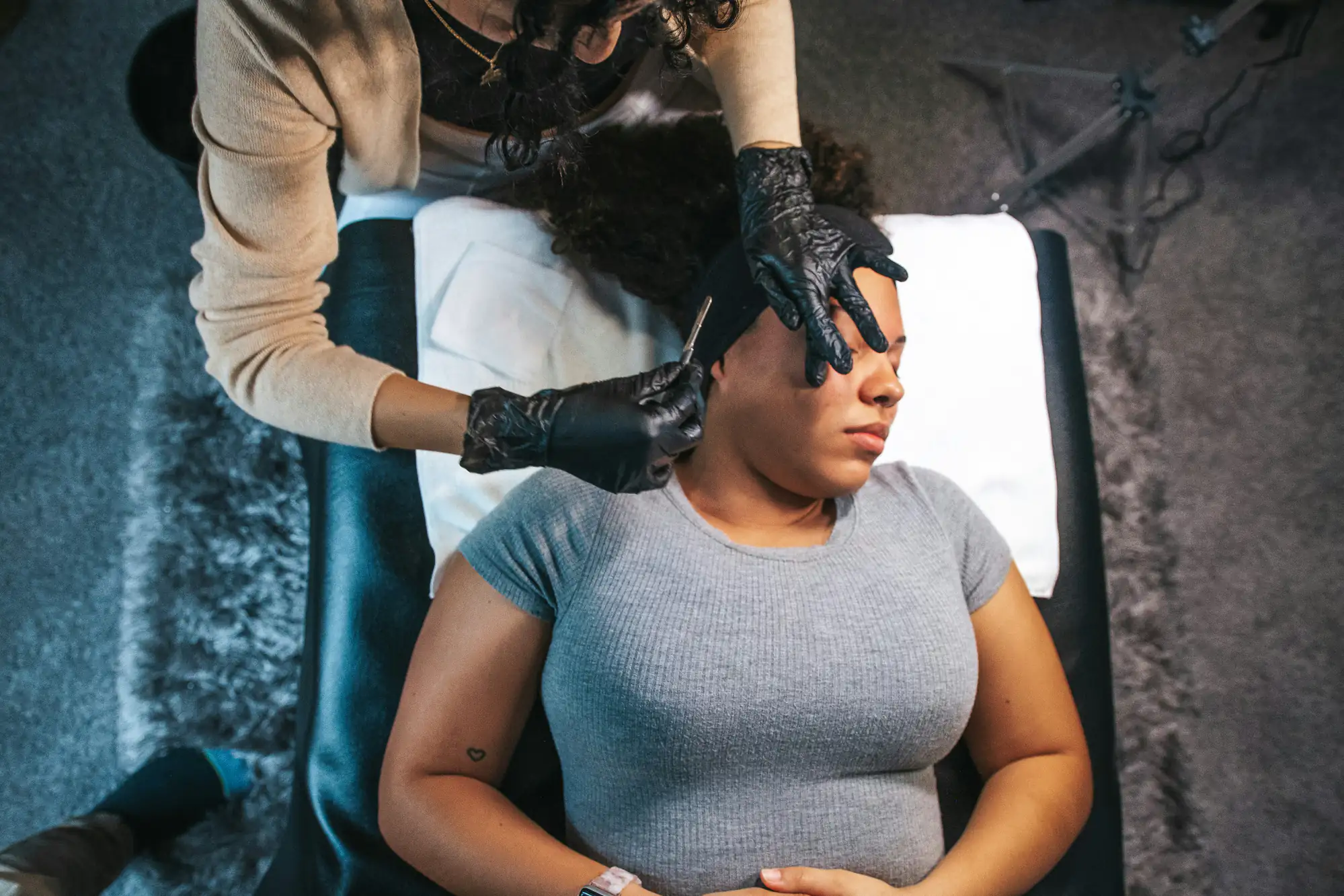
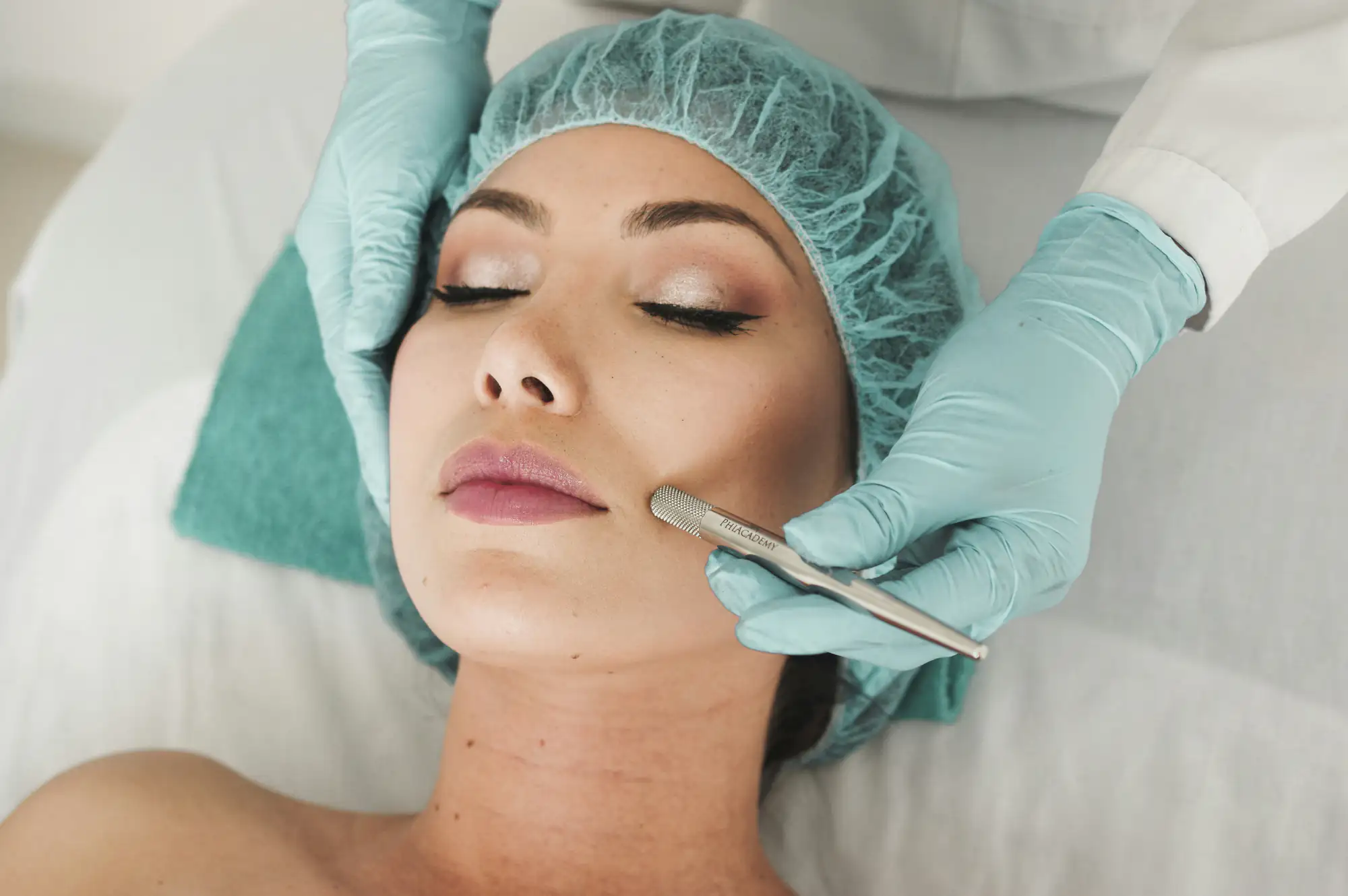
Your skin gets cleansed to remove makeup, oil, and surface debris. Then the dermaplaning begins: a sterile surgical blade held at a 45-degree angle, moved in short strokes across your skin to lift away dead cells and vellus hair. It’s not painful. Most people say it feels like a light scratching sensation, almost relaxing.
The whole process takes about 20 to 30 minutes. We work systematically across your face, avoiding any areas that shouldn’t be treated and adjusting pressure based on how your skin responds.
After dermaplaning, we apply products chosen specifically for what your skin needs—hydration, brightening, calming, whatever makes sense. Because the barrier’s been removed, everything penetrates better. You’ll feel the difference in texture immediately, and you’ll see how much brighter your skin looks without the buildup.

Ready to get started?
Every dermaplaning service includes a complimentary skin consultation. We don’t start any treatment without understanding what you’re dealing with and what you’re trying to achieve.
You get the full dermaplaning treatment using medical-grade tools in a controlled environment. Not the at-home razors that have flooded the market—those account for over 40% of the dermaplaning tool sales now, and they come with real risks of nicks, infections, and post-inflammatory hyperpigmentation if you don’t know what you’re doing.
Post-treatment products are customized. If your skin tends toward dryness, you’re getting hydration. If you’re dealing with pigmentation issues, we’re applying brightening agents that can actually penetrate now. The treatment is tailored, not templated.
For Rolesville residents and anyone in the Wake County area, this means you’re not driving into Raleigh for a 30-minute appointment. We serve 22 cities locally, and we’ve built our practice around people who want results but don’t have time for complicated routines or long recovery periods. Dermaplaning works for busy schedules because there’s zero downtime and the results show up immediately.
No. This is the most persistent myth about dermaplaning, and it’s completely false.
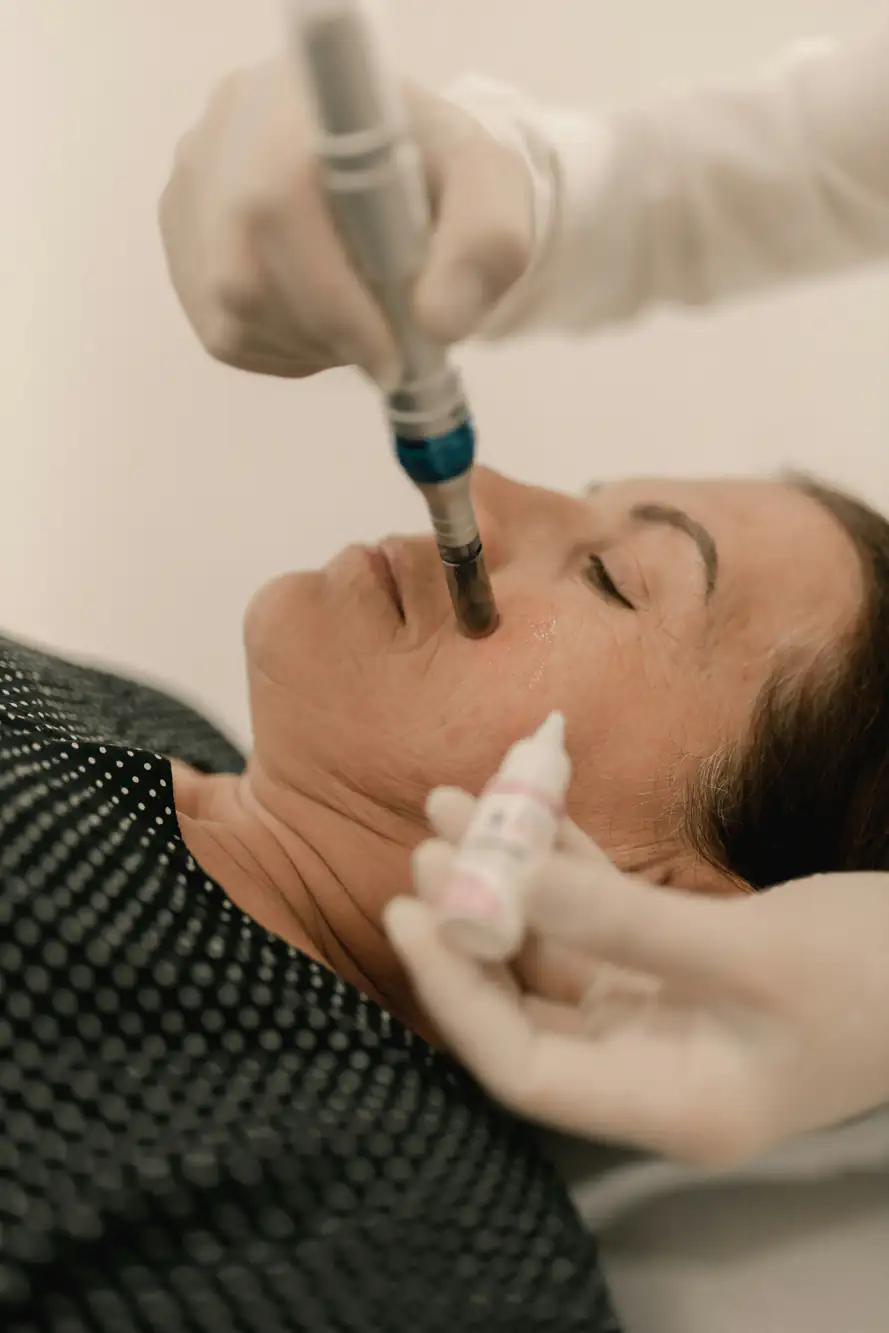
Dermaplaning removes vellus hair—the fine, soft peach fuzz on your face. Vellus hair is structurally different from terminal hair (like what grows on your head or legs). When vellus hair grows back after dermaplaning, it returns with the same diameter, color, and texture it had before. It doesn’t change because the hair follicle itself hasn’t changed.
The myth likely started because people feel the blunt edge of the hair as it grows back and assume it’s thicker. It’s not—it just hasn’t been naturally tapered by sun and friction yet. Within a week or two, the hair returns to normal and you won’t notice any difference in texture or appearance compared to before your treatment.
Yes. Dermaplaning is one of the safest exfoliation options during pregnancy and breastfeeding.
Many chemical exfoliants and treatments aren’t recommended when you’re pregnant or nursing because of concerns about absorption into the bloodstream. Dermaplaning is purely physical exfoliation—there are no chemicals involved that could be absorbed or passed through breastmilk.
You’re dealing with hormonal skin changes during pregnancy, and dermaplaning can help manage texture issues, dullness, and uneven tone without any risk to you or your baby. It’s a treatment we recommend often for clients who want effective exfoliation but need to avoid harsher chemical options during this time.
The blade, the angle, and the training make all the difference.
Professional dermaplaning uses a No. 10 surgical scalpel—sterile, sharp, and designed for precision. At-home tools are safety razors or guarded blades that can’t achieve the same level of exfoliation. They might remove some surface hair, but they’re not removing the layer of dead skin cells that professional dermaplaning targets.
The angle matters. We hold the blade at exactly 45 degrees and use controlled pressure and strokes. Too steep and you risk cutting the skin. Too shallow and you’re not removing anything. Most people can’t maintain that angle consistently on their own face, especially around the contours of the nose, jawline, and forehead.
We’re also trained to navigate around moles, active breakouts, raised lesions, and areas that shouldn’t be treated. At-home dermaplaning has real risks: nicks, cuts, infections from non-sterile blades, and post-inflammatory hyperpigmentation if you damage the skin. Professional treatment eliminates those risks while delivering better results.
Most people see results for about three to four weeks before they’re ready for another treatment.
Your skin’s natural cell turnover cycle is roughly 28 days, so you’ll start accumulating dead skin cells again as that cycle continues. The vellus hair grows back within two to three weeks, though it’s not immediately noticeable.
The smoothness and glow you get right after treatment will gradually diminish as your skin goes through its normal renewal process. That doesn’t mean your skin looks bad after a month—it just means you’re back to baseline and ready for another session if you want to maintain that ultra-smooth texture.
A lot of clients book dermaplaning monthly as part of their regular skincare routine. Others book it strategically before events when they want their skin to look its absolute best. Both approaches work—it depends on your goals and your budget.
It depends on the type of acne and where it’s located.
If you have active, inflamed breakouts—cystic acne, pustules, or open wounds—we’ll avoid those areas during treatment. Dermaplaning over active acne can spread bacteria and make the breakout worse. But we can still treat the rest of your face and work around problem areas.
If you’re dealing with closed comedones (small bumps under the skin), texture from old acne scarring, or post-inflammatory hyperpigmentation, dermaplaning can actually help. Removing the dead skin layer allows your acne treatments to penetrate better and can improve the appearance of scarring over time by encouraging cell turnover.
During your free consultation, we’ll look at your skin and tell you honestly whether dermaplaning makes sense right now or if we should wait until active breakouts calm down. We’re not going to perform a treatment that could make your skin worse just to book an appointment.
Your skin is more exposed after dermaplaning, so you need to protect it for a few days while the surface layer rebuilds.
Avoid direct sun exposure for at least 48 hours, and wear SPF 30 or higher if you’re going outside. Your skin is more vulnerable to UV damage immediately after exfoliation, and sun exposure can lead to hyperpigmentation or irritation.
Skip harsh actives like retinol, glycolic acid, or other exfoliating products for three to five days. You’ve already exfoliated at a deeper level than those products can achieve, and layering them on top can cause redness or sensitivity. Let your skin recover before reintroducing actives.
Don’t use heavily fragranced products or anything that tends to irritate your skin. Stick with gentle, hydrating products for the first few days. And avoid intense workouts or activities that cause heavy sweating for 24 hours—sweat and bacteria can irritate freshly exfoliated skin.
Most people have zero issues after dermaplaning and go straight back to their normal routine. But these precautions help ensure your skin heals optimally and you get the longest-lasting results from your treatment.