Hear from Our Customers
You walk out with skin that feels different immediately. Smoother. Brighter. The kind of texture that makes you want to skip foundation because you don’t need it anymore.
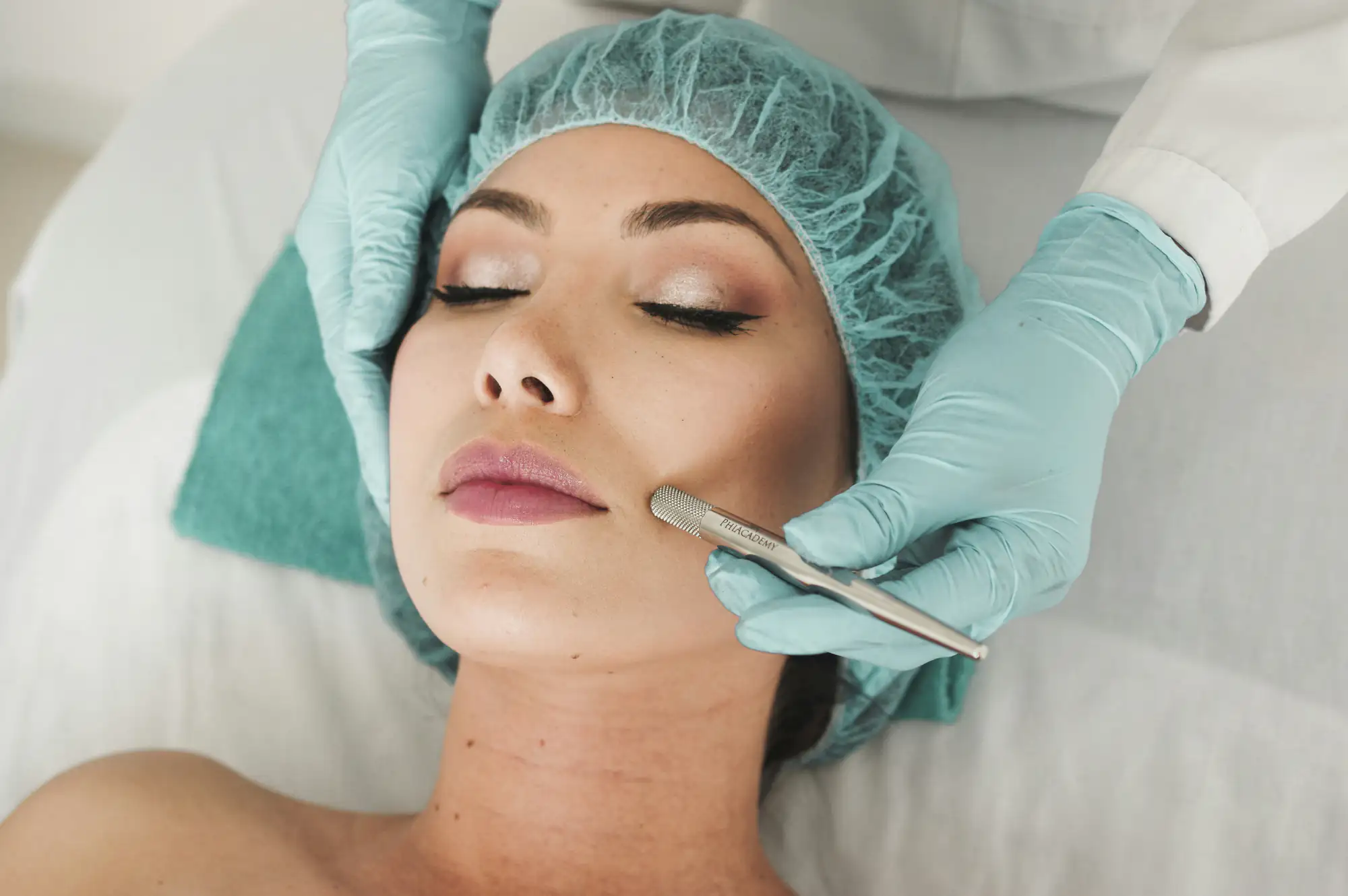
Dermaplaning removes the layer of dead skin cells and fine facial hair that’s been dulling your complexion and catching your makeup. It’s not just about looking good for a weekend—it’s about your serums actually absorbing, your skincare working the way it should, and your skin behaving like it’s supposed to.
North Carolina’s humidity doesn’t help. The constant moisture traps oil, clogs pores, and leaves your skin looking tired even when you’re not. Removing that buildup gives your skin room to breathe and function properly again. No peeling. No redness. Just results you can see before you leave.
We’re located in Wake Forest and serve Rougemont and the surrounding Wake County area with medical-grade skincare treatments that deliver real, visible results. Jacqueline Grace, our founder and licensed esthetician, has been named Best Esthetician in Wake County three years running—not by us, by clients who saw the difference.
She’s also earned first place in Pigmentation Artist of the Year at The Skin Games, an international aesthetics competition. We hold HydraFacial Master Certification, which puts us among the top practitioners worldwide. That’s not marketing language—it’s measurable credibility.
Every dermaplaning treatment here is customized during a complimentary consultation. You’re not getting a one-size-fits-all approach. You’re getting someone who understands how North Carolina’s climate affects your skin and knows how to adjust treatment accordingly.

Your appointment starts with a skin evaluation. Not a sales pitch—an actual assessment of what your skin needs right now based on texture, tone, sensitivity, and your specific concerns.
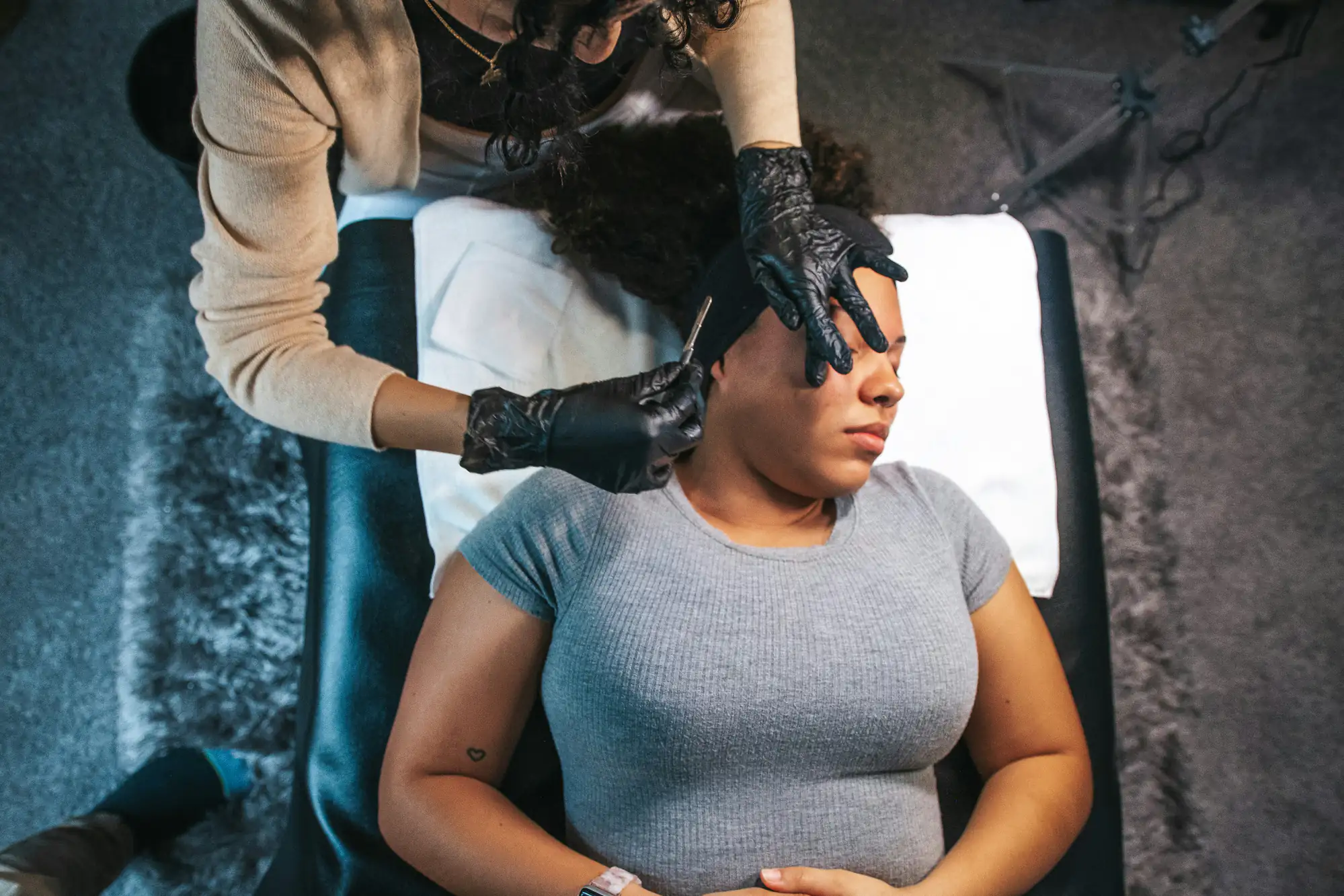
Once your skin is prepped and cleansed, a sterile surgical scalpel is used at a precise angle to gently remove dead skin cells and vellus hair from the surface. It’s not painful. Most people say it feels like a light scratching sensation, and some find it oddly satisfying. The process takes about 30 to 45 minutes depending on the areas being treated.
After dermaplaning, a customized serum or treatment is applied. Because the barrier of dead skin is gone, your skin absorbs products significantly better—up to 80% more effectively. That’s why this treatment is often done before other procedures like chemical peels or LED therapy.
You’ll see the difference immediately. Skin looks brighter, feels softer, and makeup glides on without clinging to dry patches or peach fuzz. Results typically last three to four weeks, and there’s zero downtime. You can go straight back to work, an event, or wherever you need to be.

Ready to get started?
Every dermaplaning session at Wake Skincare includes a complimentary consultation where your skin is evaluated and a treatment plan is created specifically for you. You’re not walking into a cookie-cutter facial—you’re getting a service designed around your skin type, concerns, and goals.
The treatment itself removes both dead skin buildup and fine facial hair, which is especially helpful if you live in or around Rougemont where humidity accelerates oil production and traps debris in your pores. That buildup leads to clogged pores, uneven texture, and makeup that won’t cooperate. Dermaplaning clears all of that in one session.
After exfoliation, medical-grade serums are applied based on what your skin needs most—hydration, brightening, anti-aging, or calming. Because the dead skin layer is gone, those products penetrate deeper and work harder. You’re not just getting surface-level results.
This treatment is safe for all skin types, including sensitive skin and rosacea. It’s also an excellent prep treatment if you’re planning microneedling, a chemical peel, or any other advanced skincare service. And if you’re dealing with acne scars, fine lines, or sun damage from North Carolina’s intense UV exposure, regular dermaplaning can visibly reduce those concerns over time.
No. This is one of the most common myths about dermaplaning, and it’s completely false.
The hair on your face—called vellus hair or peach fuzz—is different from the hair on your head or body. It’s fine, soft, and lacks the thick root structure of terminal hair. Shaving or removing vellus hair does not change its texture, color, or growth rate. It grows back exactly the same way it was before.
What sometimes confuses people is the blunt edge of the hair as it grows back. When hair is cut, the tip is blunt instead of tapered, which can make it feel slightly different for a day or two. But it doesn’t become coarse, dark, or thicker. That’s biologically impossible. If dermaplaning changed hair texture, every person who’s ever shaved their face would have a beard by now—and that’s obviously not the case.
The tools, technique, and safety standards are completely different.
At-home dermaplaning tools are designed for consumer use and don’t provide the same level of exfoliation as a professional-grade surgical scalpel used by a licensed esthetician. The blade angle, pressure, and precision matter. If done incorrectly at home, you risk nicks, irritation, or uneven exfoliation that can actually make your skin look worse.
Professional dermaplaning at Wake Skincare is performed by Jacqueline Grace, a licensed esthetician with advanced training and certifications. She understands skin anatomy, how to adjust pressure based on your skin type, and how to avoid areas that shouldn’t be treated. The treatment is done in a sterile environment with medical-grade tools, and it’s followed by customized serums that maximize your results. You’re not just getting hair removal—you’re getting a full exfoliation treatment that’s tailored to your skin’s specific needs and safe for your face.
Most people have zero redness or irritation after dermaplaning. That’s one of the biggest advantages of this treatment.
Unlike chemical peels or microdermabrasion, dermaplaning is a purely physical exfoliation method that doesn’t use heat, chemicals, or suction. It’s gentle enough that even people with sensitive skin or rosacea can tolerate it well. You might notice a slight pinkness immediately after treatment, but it fades within minutes—not hours or days.
There’s no downtime. You can put on makeup right away if you want to, though most people don’t need it because their skin looks that good. If you have an event later that day or need to go back to work, dermaplaning won’t interfere. Just avoid direct sun exposure for 24 hours and wear SPF, which you should be doing anyway—especially in North Carolina where UV exposure is high year-round.
Most people see the best results when they come in every three to four weeks.
That’s roughly how long it takes for your skin to complete a full cell turnover cycle and for vellus hair to grow back. Spacing treatments about a month apart keeps your skin consistently smooth, bright, and receptive to your skincare products without over-exfoliating.
If you’re preparing for a specific event—a wedding, photoshoot, or important meeting—schedule your dermaplaning appointment about three to five days before. That gives your skin time to fully settle and look its absolute best. Some people also use dermaplaning as a monthly maintenance treatment to keep their skin in top condition, especially if they’re dealing with ongoing concerns like dullness, uneven texture, or stubborn makeup application issues. Your esthetician will recommend a schedule based on your skin’s response and your goals during your consultation.
It depends on the type and severity of your acne.
If you have active cystic acne or inflamed breakouts, dermaplaning isn’t recommended because the blade could irritate those areas or spread bacteria. But if you’re dealing with closed comedones, blackheads, or post-acne scarring, dermaplaning can actually help by removing the dead skin layer that’s trapping oil and debris in your pores.
During your complimentary consultation at Wake Skincare, Jacqueline will assess your skin and let you know whether dermaplaning is appropriate right now or if another treatment—like a customized facial, chemical peel, or LED therapy—would be a better fit. If your acne is hormonal or related to North Carolina’s humid climate causing excess oil production, she’ll create a treatment plan that addresses the root cause instead of just treating the surface. The goal is always to improve your skin safely and effectively, not to push a service that isn’t right for you.
Keep it simple. Your skin will be more receptive to products after dermaplaning, so this is the time to use your best serums and moisturizers.
Avoid harsh exfoliants, retinoids, or acids for at least three to five days after treatment. Your skin has just been exfoliated, so adding chemical exfoliation on top of that can cause irritation. Stick to gentle cleansers, hydrating serums, and a good moisturizer. And wear sunscreen every single day—this is non-negotiable, especially after dermaplaning when your fresh skin is more vulnerable to UV damage.
If you’re in Rougemont or anywhere in Wake County, you already know how intense the sun can be, even on cloudy days. Use a broad-spectrum SPF 30 or higher and reapply throughout the day if you’re outside. Beyond that, just let your skin do its thing. You’ll notice your makeup applies smoother, your skincare absorbs better, and your overall texture stays even. If you want to maintain results long-term, plan to come back every four weeks and stay consistent with your at-home routine.