Hear from Our Customers
Your skin feels smoother the second the treatment ends. Foundation glides on without catching on texture or fine hair. Serums and moisturizers absorb faster because there’s no barrier blocking them.
Dermaplaning removes vellus hair—the peach fuzz—and the top layer of dead skin cells in one pass. You’re left with a brighter surface, softer texture, and makeup that looks airbrushed instead of cakey.
The treatment takes about 30 minutes. There’s no peeling, no redness that lasts, and no recovery time. You can book it during lunch and go straight back to work. Or schedule it two days before an event and show up glowing.
This isn’t a temporary fix that fades in 48 hours. Results typically last three to four weeks before hair and skin naturally regenerate. That’s nearly a month of smoother skin, better product absorption, and makeup that actually cooperates.
We’re a medical-grade skincare clinic located in Wake Forest, serving Spring Hope and 21 other cities across Wake County. Jacqueline Grace, our founder and lead esthetician, is licensed in North Carolina and trained in New York. She’s been named Best Esthetician in Wake County three years running and holds HydraFacial Master Certification—one of the first hundred practitioners worldwide to earn it.
North Carolina explicitly permits licensed estheticians to perform dermaplaning using FDA-approved devices, following a 2022 ruling by the state Board of Cosmetic Art Examiners. That means you’re working with someone who’s legally trained, properly equipped, and held to medical-grade safety standards.
Every appointment starts with a free consultation. You’re not walking into a one-size-fits-all treatment. Jacqueline evaluates your skin type, discusses your goals, and determines whether dermaplaning is the right move for you right now.

You’ll start with a consultation if it’s your first visit. Jacqueline examines your skin, asks about current products and concerns, and confirms that dermaplaning is appropriate for your skin type. If you have active acne or certain sensitivities, she’ll recommend a different treatment.
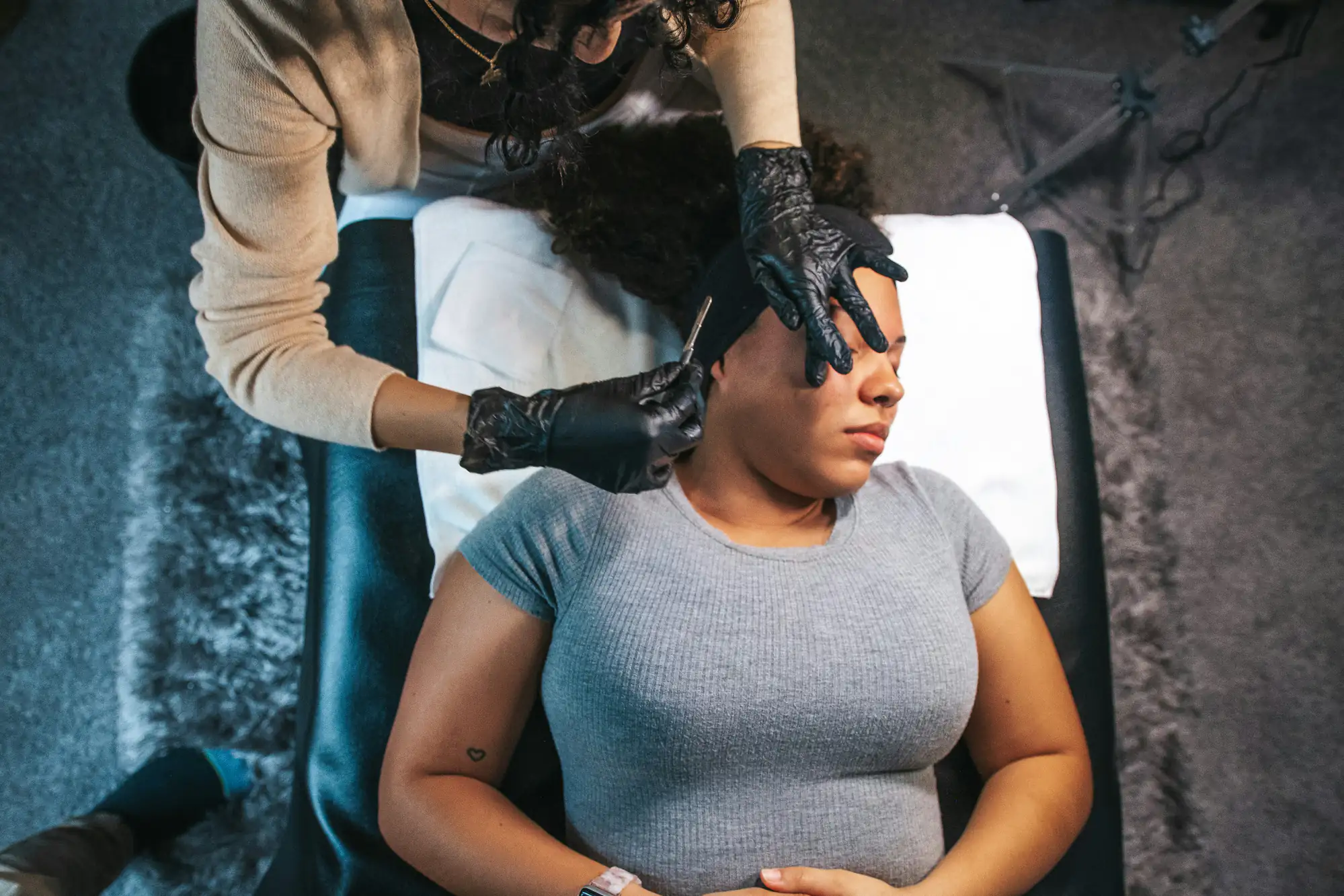
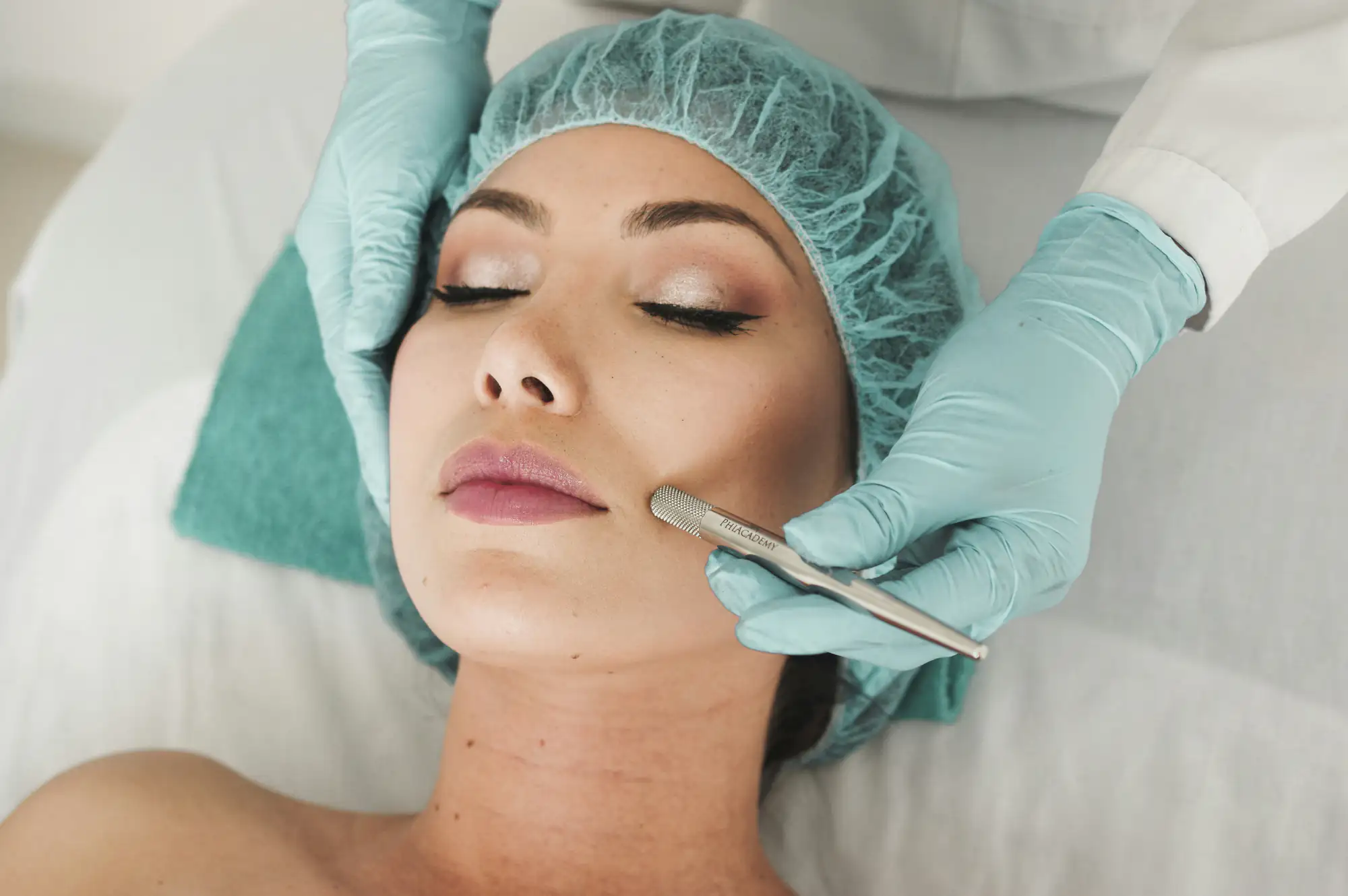
Once you’re cleared, your skin is cleansed and prepped. Jacqueline uses a surgical-grade scalpel held at a precise 45-degree angle to gently scrape away dead skin cells and vellus hair. The blade moves in short, controlled strokes across your forehead, cheeks, chin, and jawline.
Most people describe the sensation as light scraping or brushing. It doesn’t hurt. There’s no numbing required. The entire process takes about 30 minutes from start to finish.
After dermaplaning, a soothing serum or moisturizer is applied. Your skin may look slightly pink for an hour or two, but that fades quickly. You’ll leave with specific aftercare instructions—mainly around sun protection and avoiding harsh exfoliants for a few days.
Results show up immediately. You’ll notice smoother texture, brighter tone, and a more even surface before you walk out the door.

Ready to get started?
Every dermaplaning session at Wake Skincare includes a skin evaluation, the dermaplaning treatment itself, and post-treatment care. You’re not rushed through a 15-minute appointment. Jacqueline takes the time to assess your skin and adjust the treatment based on what she sees.
Spring Hope clients often combine dermaplaning with other treatments for enhanced results. Pairing it with a HydraFacial or a mild chemical peel can deepen exfoliation and boost hydration. Because the top layer of dead skin is removed, active ingredients penetrate more effectively.
We use FDA-approved surgical scalpels and follow strict sanitation protocols. Tools are either single-use or sterilized between clients. North Carolina requires licensed estheticians to operate within specific guidelines, and we exceed those standards.
You’ll also receive personalized aftercare instructions. Sun protection is critical for the first few days post-treatment, since your skin is more sensitive to UV exposure. Jacqueline will recommend specific products based on your skin type and any other treatments you’re receiving.
If you’re dealing with acne scars, sun damage, fine lines, or dullness, dermaplaning addresses multiple concerns in one session. It’s a gentle yet effective option for people who can’t tolerate harsh peels or aggressive exfoliation methods.
No. This is the most common concern people have, and it’s based on a myth that won’t die.
Dermaplaning removes vellus hair—the fine, soft peach fuzz on your face. It doesn’t touch the hair follicle or root. The blade only cuts the hair at the surface level, which means it has zero impact on the follicle’s structure, thickness, or growth rate.
When the hair grows back, it comes in at the same texture and density as before. It’s not darker, coarser, or more noticeable. The reason people sometimes think it feels different is because the hair has a blunt tip after being cut, rather than the natural tapered end. That blunt edge can feel slightly more noticeable for a day or two, but it softens quickly as it grows.
Vellus hair is fundamentally different from terminal hair—the thicker, darker hair that grows on your scalp, legs, or underarms. Dermaplaning can’t change vellus hair into terminal hair. That’s not how hair biology works.
The tool, the technique, and the training all matter. At-home dermaplaning tools are designed with safety guards and duller blades to reduce the risk of injury. That also means they don’t exfoliate as deeply or as evenly.
Licensed estheticians use surgical-grade scalpels that are sharper and more precise. Jacqueline has been trained to hold the blade at the correct angle, apply the right amount of pressure, and move in the proper direction across different areas of your face. That’s harder than it looks, especially around curves like the jawline, chin, and upper lip.
When you do it yourself, you’re working blind on parts of your face. You can’t see the angle you’re holding the blade or gauge pressure accurately. That’s where people run into issues—nicks, scrapes, irritation, or uneven exfoliation that leaves some areas over-treated and others untouched.
Professional dermaplaning also reduces the risk of spreading bacteria. If you have any active breakouts and drag a blade across them, you can push bacteria into other areas and make things worse. A licensed esthetician knows when dermaplaning isn’t appropriate and will recommend a different treatment if your skin isn’t in the right condition.
You also get better results. The exfoliation is deeper, the hair removal is cleaner, and the overall finish is smoother. Most people notice a visible difference between professional and DIY dermaplaning after just one session.
It depends on the type and severity. If you have active breakouts—especially inflamed or cystic acne—dermaplaning isn’t recommended. The blade can irritate existing blemishes, spread bacteria, and make the breakout worse.
If your acne is under control or you’re dealing with post-acne scarring, dermaplaning can actually help. It removes the top layer of dead skin, which can improve the appearance of shallow scars and create a smoother texture. Many people with acne-prone skin use dermaplaning as part of a broader treatment plan that includes other modalities like chemical peels or microneedling.
Sensitive skin is a different situation. Dermaplaning is one of the gentler exfoliation methods available. It’s mechanical, not chemical, so it doesn’t involve acids or active ingredients that can trigger reactions. Most people with sensitive skin tolerate it well.
That said, certain conditions make you a poor candidate. If you have rosacea, eczema, or active cold sores, dermaplaning can aggravate those issues. If you’re on medications that thin your skin—like Accutane or high-dose retinoids—you’ll need to wait until you’re off them.
This is why the consultation matters. Jacqueline evaluates your skin in person and makes a recommendation based on what she sees. If dermaplaning isn’t right for you, she’ll suggest an alternative that addresses the same concerns without the risk.
Most people see results for three to four weeks. That’s how long it takes for vellus hair to grow back and for your skin to build up a new layer of dead cells.
The smoothness you feel right after treatment starts to fade gradually, not all at once. You’ll notice the texture staying soft for the first two weeks, then slowly returning to baseline as hair regrows and your skin goes through its natural turnover cycle.
How long results last also depends on your skin type and how quickly your skin regenerates. People with faster cell turnover may notice changes sooner. People with slower turnover may stay smooth a bit longer.
You can repeat dermaplaning every three to four weeks. That’s the standard maintenance schedule for most clients. Some people come in before big events—weddings, photoshoots, vacations—and then take a break. Others keep a standing monthly appointment because they like how their skin looks and feels with consistent treatments.
Dermaplaning doesn’t provide permanent results, but it’s also not a treatment that requires weeks of downtime or recovery. You can fit it into your routine as often as your skin needs it, and you’ll see the benefits immediately every time.
Sun exposure is the biggest one. Your skin is more sensitive to UV damage for the first 48 to 72 hours after dermaplaning because the top protective layer has been removed. Wear a broad-spectrum SPF 30 or higher every day, and reapply if you’re spending time outside.
Skip any harsh exfoliants for at least three to five days. That includes scrubs, retinoids, glycolic acid, salicylic acid, and other active ingredients that increase cell turnover. Your skin has just been exfoliated—adding more exfoliation on top of that can cause irritation, redness, or peeling.
Avoid heavy workouts or activities that make you sweat heavily for the first 24 hours. Sweat can irritate freshly treated skin, especially if you’re touching your face or wiping it with a towel that isn’t clean.
Don’t use dirty makeup brushes or sponges. Your skin is more vulnerable to bacteria right after dermaplaning, so make sure anything touching your face is clean. If you’re applying makeup the same day, use fresh tools or clean ones thoroughly before use.
You’ll also want to skip saunas, steam rooms, and hot yoga for a few days. Heat can increase sensitivity and cause redness or irritation. Stick to lukewarm water when washing your face, and avoid anything that raises your skin temperature significantly.
Jacqueline provides specific aftercare instructions based on your skin type and any other treatments you’re receiving. Follow them. They’re designed to protect your skin and extend your results.
Pricing varies depending on the provider, but most dermaplaning treatments in North Carolina range from $75 to $150 per session. Our pricing falls within that range and reflects the level of training, equipment quality, and personalized care you’re receiving.
You’re not paying for a quick scrape with a dull blade. You’re paying for a licensed esthetician who’s been trained in proper technique, uses medical-grade tools, follows strict sanitation protocols, and tailors the treatment to your specific skin type and goals.
Some clinics offer package pricing if you’re planning to come in regularly. Booking multiple sessions upfront can reduce the per-treatment cost and make it easier to maintain results over time.
We also offer free consultations. If you’re not sure whether dermaplaning is right for you, or if you want to discuss combining it with other treatments, you can book a consultation without committing to the service. That gives you a chance to ask questions, see the space, meet Jacqueline, and make an informed decision.
If you’re comparing prices, pay attention to what’s included. Some places charge extra for post-treatment serums, aftercare products, or consultations. We include the consultation, the treatment, and post-care guidance in the session price. You’re not nickel-and-dimed for basics.
Spring Hope clients also have the option to combine dermaplaning with other services like HydraFacial or chemical peels for a more comprehensive treatment. Bundling services can improve results and often comes with a slight discount compared to booking each treatment separately.