
Hear from Our Customers
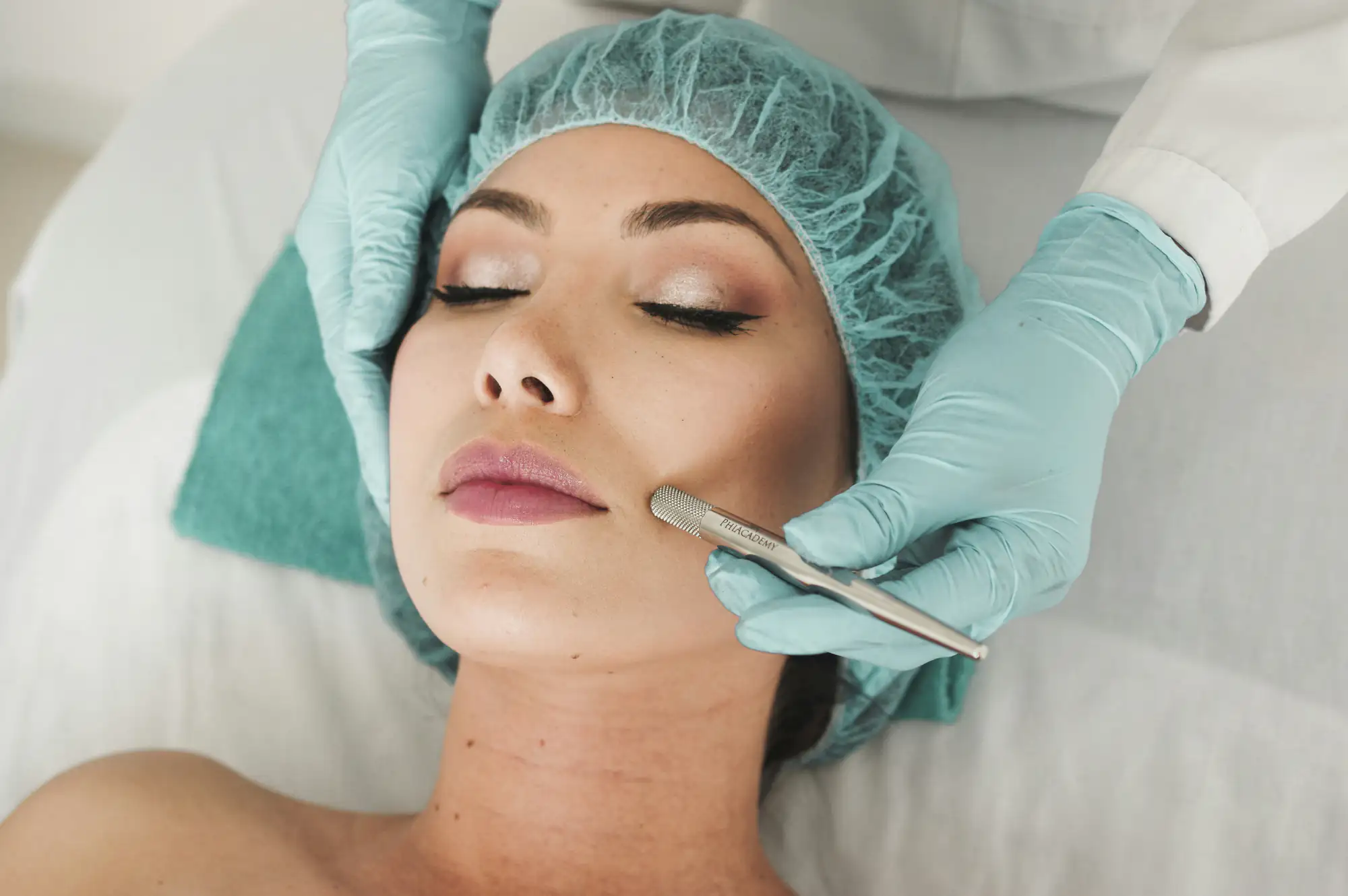
Your makeup stops clinging to peach fuzz and settles into a smooth, even canvas. Foundation blends seamlessly. Your skin catches light differently because there’s nothing blocking it anymore.
The serums and moisturizers you’re already spending money on actually penetrate your skin instead of sitting on top of dead cells and fine hair. You’re not wasting product. You’re getting what you paid for.
And if you’ve got an event coming up—a wedding, photos, an important meeting—this is how you show up looking like the most polished version of yourself. No redness, no recovery time, just an immediate glow that lasts for weeks.
We’re not new to Wake Forest, NC. Our founder, Jacqueline Grace, has been named Best Esthetician in Wake County three years running, and she’s HydraFacial Master Certified—a distinction held by less than 1% of practitioners worldwide.
She’s also taken first place internationally in the Pigmentation Artist of the Year category at The Skin Games. That’s not local recognition. That’s competing against the best and winning.
When you book a dermaplane facial here, you’re working with someone who uses surgical-grade tools, follows medical-grade protocols, and has built a reputation across 22 cities in the Wake County area. Wake Forest families trust us because we’re consistent, precise, and transparent about what works.

You start with a free skin evaluation. Jacqueline looks at your skin type, your concerns, and whether dermaplaning is the right move for you right now. If you’ve got active acne, we’ll tell you to wait. If your skin is ready, we’ll walk you through what to expect.
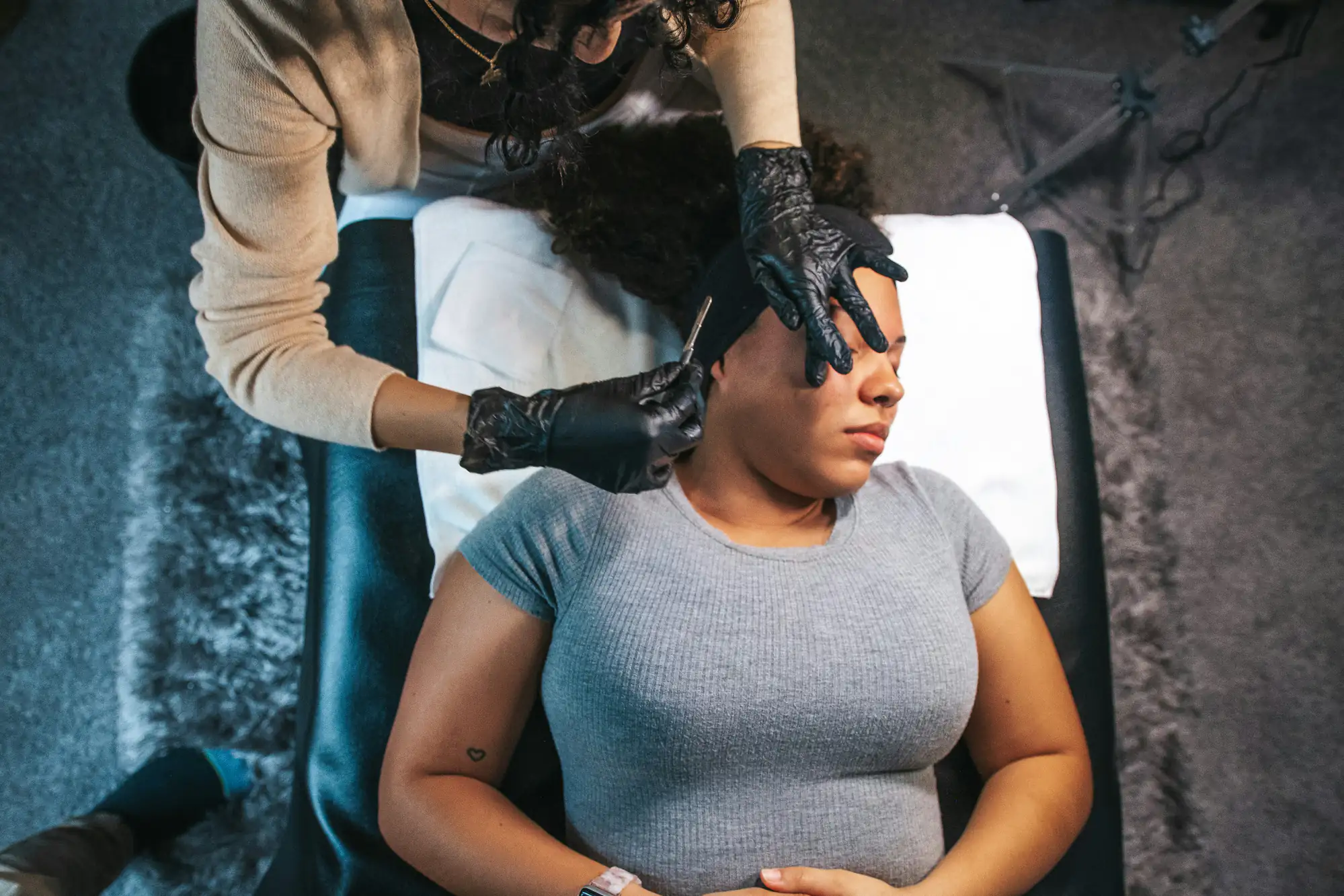
During the treatment, we use a sterile surgical blade at a precise 45-degree angle to remove dead skin cells and vellus hair—the peach fuzz that traps dirt and dulls your complexion. It’s not painful. Most people say it feels like a light scratching sensation, and some even find it relaxing.
The whole process takes about 30 to 45 minutes. There’s no downtime afterward. You can put on makeup the next day if you want, though most people skip it because their skin looks that good on its own. Results are immediate, and they last three to four weeks before your skin naturally regenerates.

Ready to get started?
Every dermaplaning session at Wake Skincare includes a one-on-one consultation, the treatment itself using medical-grade tools, and a post-treatment plan so you know exactly how to care for your skin afterward. You’re not rushed in and out. You get time, attention, and answers.
In Wake Forest, NC, where the median household income is over $123,000 and the poverty rate sits below 5%, people expect quality when they invest in themselves. That’s why we don’t cut corners. You’re getting the same level of precision that wins international competitions, applied to your specific skin needs.
And because dermaplaning stimulates collagen production and increases circulation, you’re not just removing buildup—you’re actively improving your skin’s health over time. It’s maintenance and improvement in one appointment, which is exactly what busy professionals in this area need.
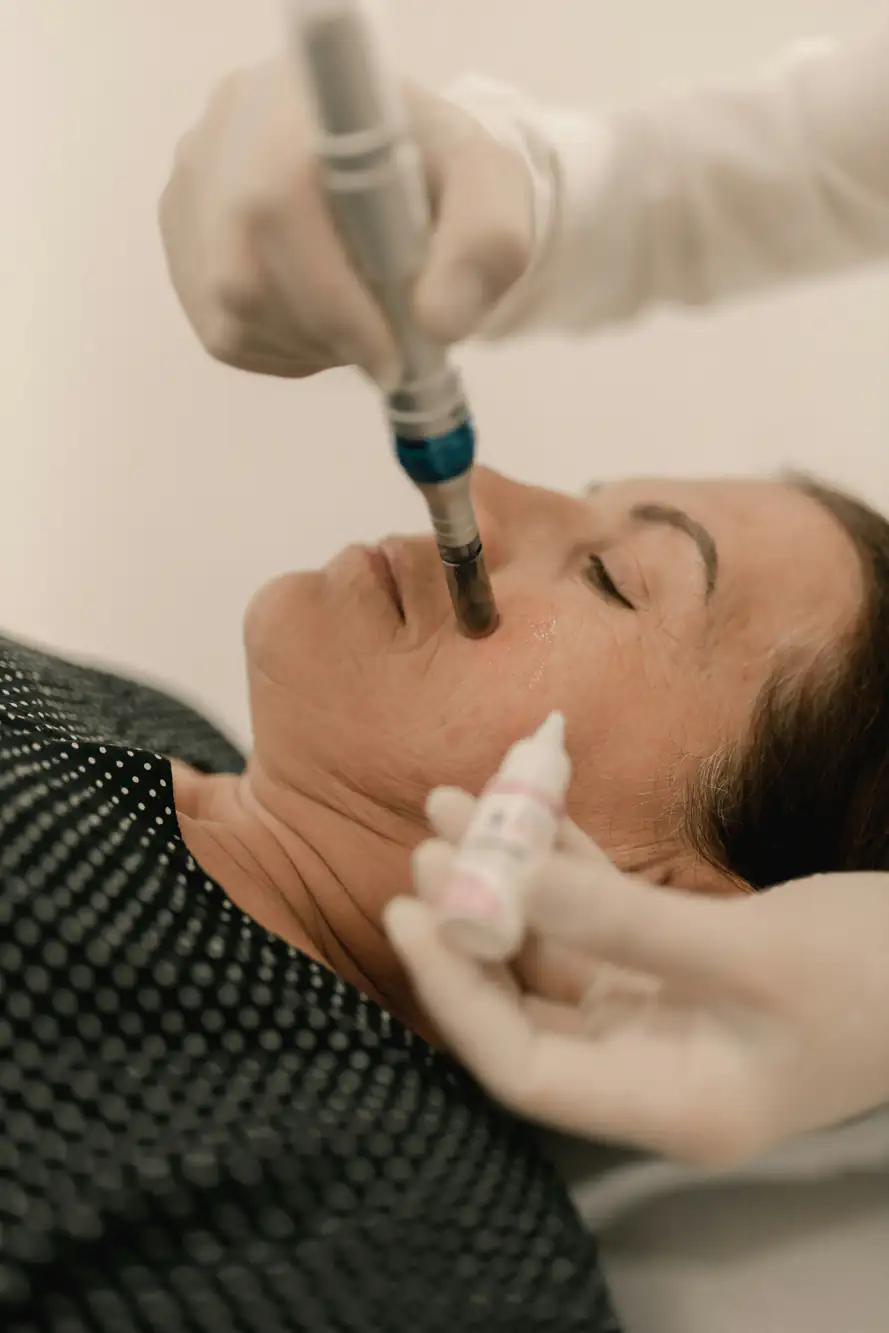
Yes. Dermaplaning is one of the safest exfoliation methods for sensitive skin, rosacea, and pregnancy because it doesn’t use chemicals, heat, or suction. It’s purely mechanical.
If you’re pregnant or nursing and want to avoid retinoids, acids, or other active ingredients, dermaplaning gives you a way to refresh your skin without any risk to you or your baby. It’s also ideal if your skin reacts poorly to peels or microdermabrasion.
That said, if you have active acne, open wounds, or a current skin infection, you’ll need to wait until your skin heals. Jacqueline evaluates your skin during the free consultation and will tell you honestly whether now is the right time or if you should hold off.
No. That’s a myth that won’t die, but it’s not how hair growth works. Dermaplaning removes vellus hair—soft, fine peach fuzz—not terminal hair like what grows on your scalp or eyebrows.
When vellus hair grows back, it comes back at the same texture, color, and thickness it was before. The reason it might feel different at first is because the hair has a blunt edge from being cut, but that softens within days as it grows.
If this were true, every man who shaves his face would have thicker and darker facial hair with each shave. It doesn’t happen. Your hair follicles don’t change because a blade passed over them.
The blade, the angle, and the training. At-home tools are designed to be safer, which means they’re also less effective. They don’t get as close to the skin, and they’re not sharp enough to remove dead skin cells the way a surgical-grade scalpel does.
We use a specific 45-degree angle and controlled pressure that takes training to master. If you’re off by even a few degrees at home, you risk nicking your skin, causing irritation, or missing the buildup entirely.
There’s also the issue of sterility. Professional dermaplaning uses single-use, surgical-grade blades in a controlled environment. At home, you’re working with tools that may not be as clean, and you’re doing it in a bathroom that’s not exactly a sterile field. The risk of infection or irritation is higher, and the results are weaker.
Most people come in every three to four weeks. That’s how long it takes for your skin to complete its natural cell turnover cycle and for vellus hair to grow back.
If you’re preparing for a specific event—a wedding, photos, a big presentation—book your appointment about a week before. That gives your skin time to settle and look its absolute best without any risk of sensitivity on the day of.
Some people with slower cell turnover or less noticeable peach fuzz can go longer between treatments, but that’s something we’ll help you figure out based on your skin’s behavior. There’s no one-size-fits-all schedule, and you’re not locked into a rigid plan. You come back when your skin needs it.
Absolutely. In fact, dermaplaning makes other treatments more effective because you’ve just removed the barrier of dead skin and peach fuzz. Serums penetrate deeper. Masks work better. Even your at-home skincare routine gets a boost.
A lot of people pair dermaplaning with a HydraFacial, which we specialize in. Jacqueline is HydraFacial Master Certified, so she knows exactly how to layer treatments for maximum impact without overdoing it.
You can also combine it with chemical peels, microneedling, or other facials depending on your skin goals. We map that out during your consultation and recommend a treatment plan that makes sense for your skin type, your timeline, and your budget. You’re not upsold. You’re guided.
Skip direct sun exposure for at least a few days, and wear SPF 30 or higher when you go outside. Your skin is more vulnerable to UV damage right after exfoliation, and you don’t want to undo the results with a sunburn.
Avoid harsh actives like retinoids, glycolic acid, or vitamin C serums for 48 hours. Your skin is freshly exfoliated and more sensitive than usual, so give it time to calm down before reintroducing strong ingredients.
Also hold off on intense workouts or anything that makes you sweat heavily for the first 24 hours. Sweat can irritate freshly treated skin, especially if you’re touching your face or wearing a hat. After that, you’re good to go back to your normal routine.