
Hear from Our Customers
That’s the difference you’ll notice first. Foundation that used to catch on peach fuzz now glides on smooth. Skincare products that sat on the surface actually sink in.
Dermaplaning removes the top layer of dead skin cells and fine facial hair in one pass. The result is skin that looks brighter immediately and feels smoother than it has in months. Your serums work better because they’re not fighting through a layer of buildup.
Most people walk out and get compliments within 24 hours. That’s not an exaggeration. When you remove what’s dulling your complexion, the difference is visible to everyone, not just you in the mirror with good lighting.
This isn’t a treatment that takes weeks to see results. You’ll see them before you leave. And if you have an event coming up, this is the treatment that actually delivers on the “immediate glow” promise without making your skin angry.
Wake Skincare isn’t new to this. Our founder, Jacqueline Grace, has been named Best Esthetician in Wake County three years running, and she’s HydraFacial Master Certified, which puts her among the top practitioners worldwide. She also took first place in Pigmentation Artist of the Year at The Skin Games, an international competition.
That matters because dermaplaning looks simple, but precision makes the difference between great results and mediocre ones. You’re trusting someone with a blade near your face. Experience counts.
We serve Youngsville, Wake Forest, Rolesville, Raleigh, and over 20 other communities across Wake County. Our clinic combines medical-grade techniques with a personalized approach. Every treatment starts with a free consultation, so you’re not guessing what your skin actually needs.

Your skin gets cleansed first to remove makeup, oil, and surface debris. Clean skin is essential for safe, effective dermaplaning.
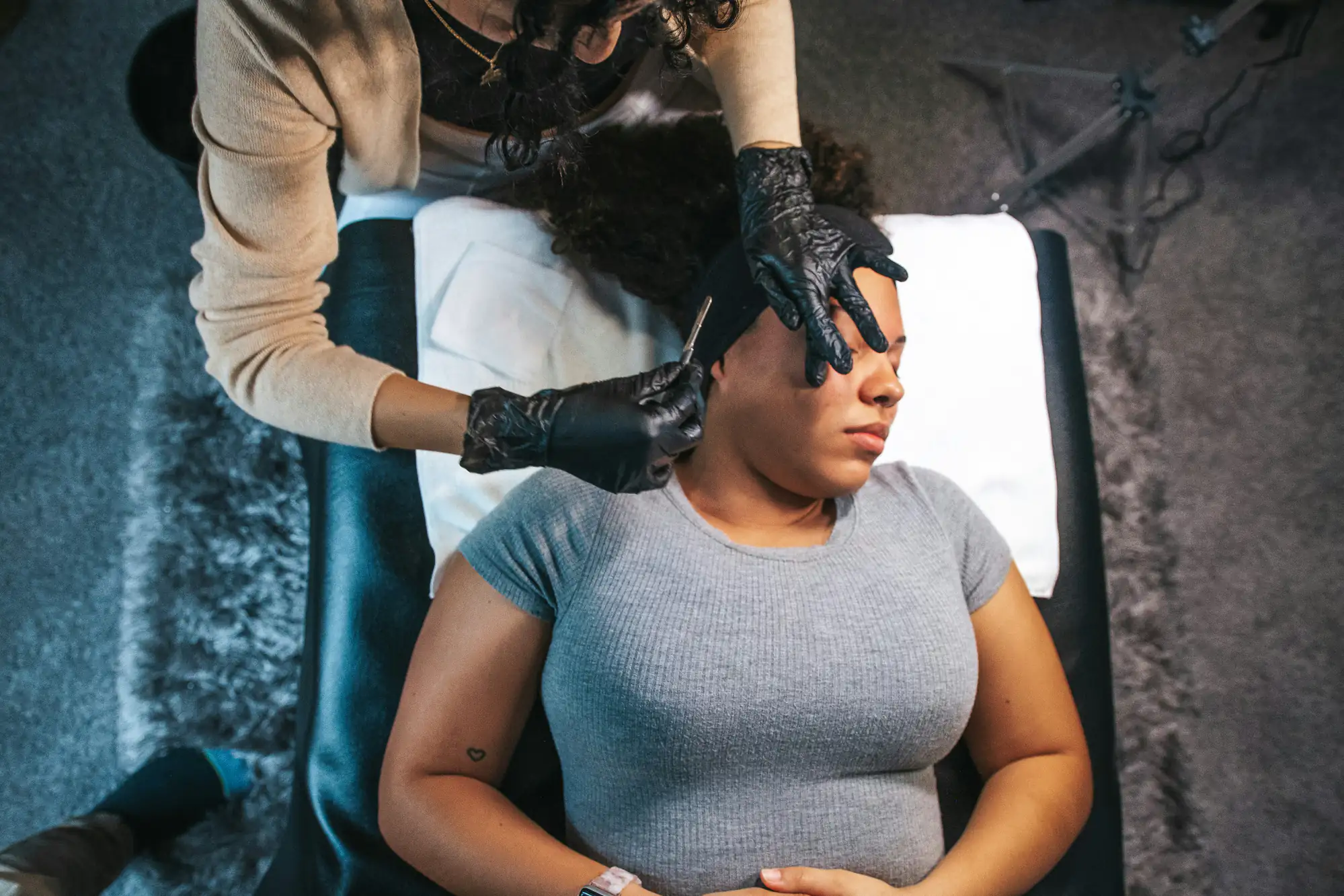
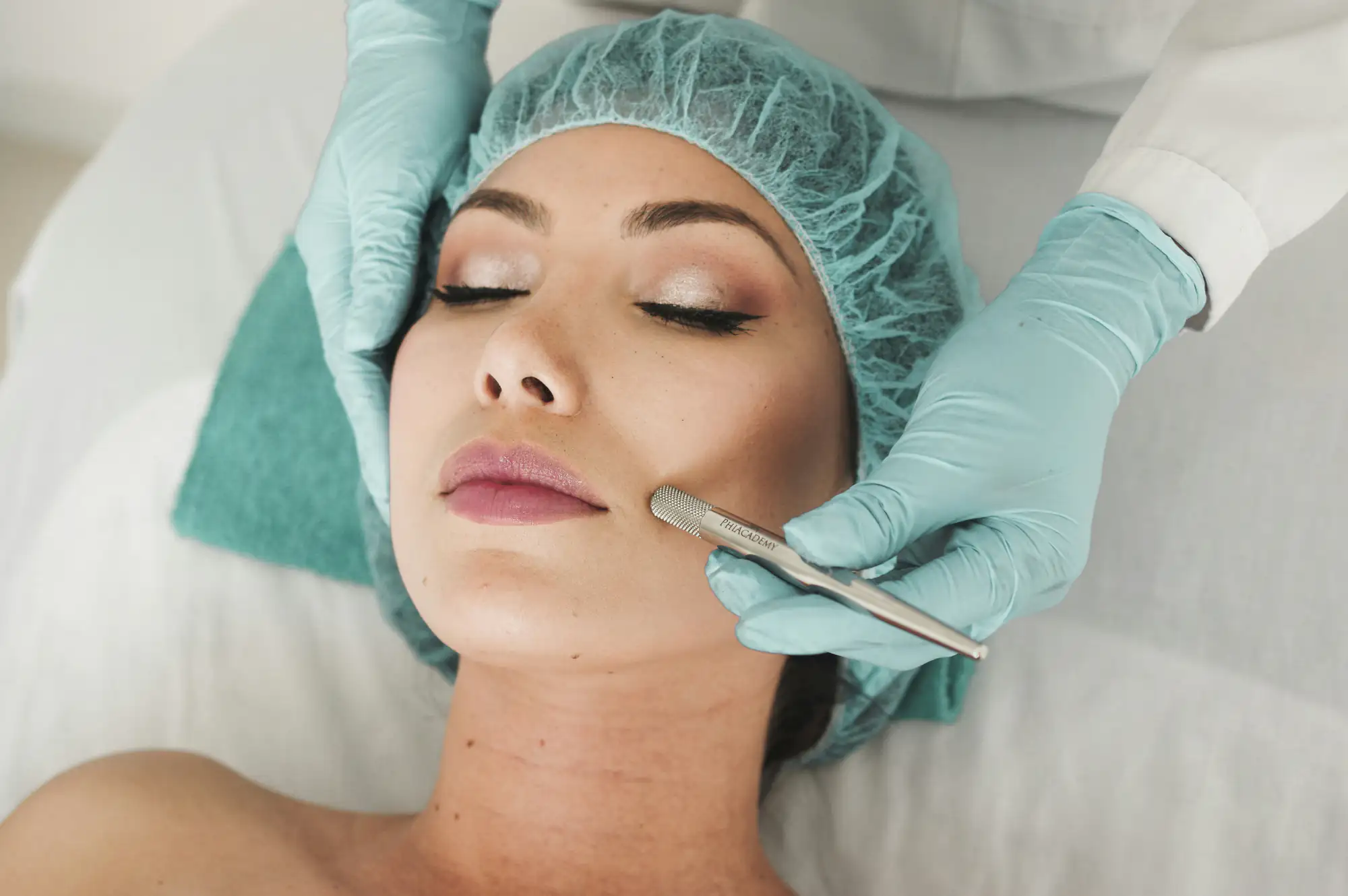
Then comes the actual dermaplaning. A sterile surgical scalpel is held at a 45-degree angle and gently moved across your skin in short, controlled strokes. This removes dead skin cells and vellus hair (peach fuzz) without cutting or irritating the skin underneath. Most people say it feels like a light scratching sensation. Some even find it relaxing.
The process covers your full face, avoiding only the most sensitive areas. Once complete, a hydrating serum or moisturizer is applied. Your skin absorbs it faster than usual because there’s no barrier blocking it.
You can add dermaplaning to other treatments like HydraFacial or chemical peels for enhanced results, or book it as a standalone service. There’s no redness, no downtime, and no recovery period. You can put makeup on the same day if you want, though most people skip it because their skin already looks that good.

Ready to get started?
Dermaplaning does three things well: it removes dead skin, eliminates peach fuzz, and creates a smooth surface for everything else you put on your face.
That means your moisturizer, serums, and treatments penetrate deeper. Your makeup sits flatter and lasts longer. Fine lines look softer because there’s no texture emphasizing them. Acne scars and hyperpigmentation appear less noticeable when the skin’s surface is even.
In Wake County, where the professional population skews heavily toward women in technical and scientific fields earning solid incomes, dermaplaning has become a go-to treatment before big presentations, conferences, and events. It’s fast, it’s effective, and it doesn’t require you to hide at home for three days while your skin recovers.
You can book dermaplaning as a monthly maintenance treatment or as a one-time refresh before something important. Some clients come in every three to four weeks to keep their skin smooth and glowing year-round. Others book it strategically around weddings, photoshoots, or vacations.
It’s also one of the few exfoliation treatments that’s safe during pregnancy and breastfeeding, since there are no chemicals involved. If you’re pregnant or nursing and dealing with dull skin but can’t use retinoids or strong acids, this is your option.
No. This is the most common myth about dermaplaning, and it’s completely false.
Dermaplaning removes vellus hair, which is fine, soft peach fuzz. It’s not the same as terminal hair (like the hair on your head or eyebrows). Vellus hair doesn’t have the same follicle structure, so shaving it doesn’t change its thickness, color, or growth rate.
When the hair grows back, it may feel slightly blunt at the tip because it was cut straight across. That can create the illusion of thickness for a day or two, but it’s the same hair you had before. Within a week, the tips soften and it looks exactly like it did before treatment.
This myth exists because people confuse vellus hair with terminal hair. If dermaplaning changed your hair texture, every person who’s ever shaved their face would have a beard by now. That’s not how hair biology works.
Most people see smooth, glowing skin for about three to four weeks. That’s how long it takes for your skin to build up a new layer of dead cells and for the vellus hair to grow back to a noticeable length.
Your skin cell turnover cycle runs about 28 days on average, though it slows down as you age. Dermaplaning manually speeds up that process by removing the outermost layer. Once those cells regenerate, you’re back to where you started.
The glow and smoothness are most dramatic in the first week. After that, you’ll still look better than before the treatment, but the peak results start to fade. That’s why many people schedule dermaplaning every four weeks to maintain consistent results.
If you’re booking it for an event, aim for two to five days before. That gives your skin time to settle while still looking its absolute best.
Dermaplaning is safe for sensitive skin. It’s actually one of the gentler exfoliation methods because it’s purely physical—no chemicals, no heat, no suction. If your skin reacts badly to acids or retinoids, dermaplaning gives you an alternative.
That said, it’s not recommended if you have active acne, especially cystic or inflamed breakouts. The blade can spread bacteria and irritate open lesions. If you’re dealing with active acne, it’s better to address that first with targeted treatments, then add dermaplaning once your skin has calmed down.
Dermaplaning works well for acne-prone skin that’s currently clear. It helps prevent clogged pores by removing the dead skin cells and fine hair that can trap oil and debris. Many people with acne scarring use dermaplaning to smooth out texture and reduce the appearance of old scars.
If you’re unsure whether your skin is a good candidate, book a free consultation. We evaluate your skin first and recommend the best approach based on what’s actually happening with your complexion, not a one-size-fits-all protocol.
Yes, and it’s one of the best ways to maximize results. Dermaplaning preps your skin by removing the barrier of dead cells and peach fuzz, which allows other treatments to penetrate deeper and work more effectively.
Many clients pair dermaplaning with HydraFacial for a full resurfacing and hydration treatment in one session. The dermaplaning removes surface buildup, and the HydraFacial delivers serums directly into freshly exfoliated skin. The combination gives you brighter, smoother, more hydrated skin than either treatment alone.
You can also combine dermaplaning with chemical peels, though timing matters. Some peels are applied immediately after dermaplaning to enhance penetration. Others are scheduled separately depending on the strength of the peel and your skin’s tolerance.
We customize combination treatments based on your skin type, concerns, and goals. During your consultation, you’ll get a clear recommendation on what to pair together and what to space out. The goal is results, not overstimulating your skin.
Your skin will be more sensitive to the sun immediately after dermaplaning, so sunscreen is non-negotiable. Use a broad-spectrum SPF 30 or higher every day for at least a week, even if you’re just running errands.
Avoid direct sun exposure, tanning beds, and harsh exfoliants for at least three to five days. That means no retinoids, glycolic acid, salicylic acid, or scrubs. Your skin just went through a deep exfoliation—it doesn’t need more.
Skip intense workouts for 24 hours if possible. Sweat and bacteria from gym equipment can irritate freshly treated skin. If you do work out, cleanse your face immediately after and avoid touching your face during the workout.
Most people can wear makeup the same day, but if your skin feels sensitive, give it 24 hours. Stick to gentle, hydrating products for the first few days. Your skin will absorb everything faster, so this is the time to use your best serums and moisturizers.
Dermaplaning typically costs between $75 and $150 as a standalone treatment, depending on the provider and what’s included. Some clinics offer it as an add-on to other facials for a lower price, usually around $40 to $50.
At Wake Skincare, our pricing reflects the level of expertise and personalized care you’re getting. You’re not paying for a quick pass with a blade. You’re paying for a licensed, award-winning esthetician who knows how to customize the treatment based on your skin type, concerns, and goals.
Whether it’s worth it depends on what you’re comparing it to. If you’re spending $60 on drugstore skincare products that aren’t absorbing because of dead skin buildup, dermaplaning solves that problem in 30 minutes. If you’re covering texture and peach fuzz with heavy makeup every day, this eliminates the need.
For people with events coming up, it’s one of the most reliable treatments for immediate visible results. For people maintaining clear, smooth skin year-round, it’s a monthly investment that keeps everything else working better. The ROI shows up in your mirror and in how much easier your skincare and makeup routine becomes.