Hear from Our Customers

You’ve tried the drugstore serums. You’ve watched the YouTube tutorials. You’ve spent money on products that promised the world and delivered maybe 10% of it. Here’s what’s different about medical-grade facial treatments: they’re designed to work with your skin’s actual biology, not against it.
When you book a facial spa appointment with us in Holly Springs, NC, you’re not just getting a relaxing hour in a dimmed room. You’re getting targeted treatment for the specific issues that bother you most—whether that’s acne scarring that won’t fade, hyperpigmentation from years of sun exposure, or fine lines that showed up seemingly overnight.
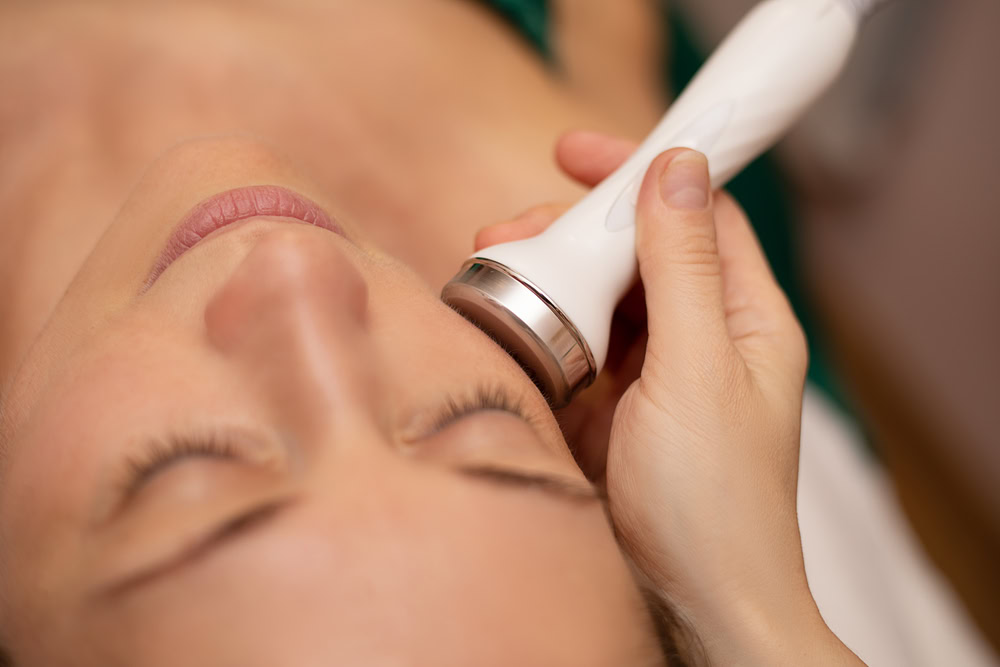
The HydraFacial treatment alone combines seven different therapies in one session: lymphatic drainage to reduce puffiness, a gentle peel that doesn’t leave you red for days, pain-free extractions that actually clear your pores, superficial microdermabrasion for texture, personalized boosters for your specific concerns, LED light therapy to calm inflammation, and deep hydration that lasts. No downtime. No peeling for a week. Just clearer, smoother skin you can see the same day.
That’s the difference between hoping something works and knowing it will.
Wake Skincare isn’t a chain. We’re run by Jacqueline Grace, a licensed esthetician who’s earned Best Esthetician in Wake County three years in a row and placed first internationally in the Pigmentation Artist of the Year category at The Skin Games. That’s not marketing speak—that’s recognition from other professionals in the field.
Holly Springs residents don’t need to drive to Raleigh or Cary for medical-grade skincare anymore. You can get HydraFacial Master Certified treatments, SkinPen microneedling, VI peels, and personalized consultations right here. Every treatment starts with a free skin evaluation, because cookie-cutter approaches don’t work when everyone’s skin is different.
Our goal isn’t to upsell you on products you don’t need. It’s to figure out what’s actually going on with your skin and build a plan that fits your schedule, your budget, and your actual goals—whether that’s looking good for an upcoming event or finally addressing something that’s bothered you for years.
First, you come in for a free consultation. This isn’t a sales pitch. It’s a one-on-one conversation about what you’re dealing with, what you’ve already tried, and what results you’re actually hoping for. Your skin gets evaluated under proper lighting, and you get honest feedback about what treatments will help and which ones won’t.
Once you book a treatment, the process depends on what you’re getting done. A HydraFacial takes about 30-45 minutes and involves zero discomfort—just a handheld device that cleanses, exfoliates, extracts, and hydrates in one smooth process. Microneedling takes a bit longer and involves tiny needles that create controlled micro-injuries to trigger collagen production. Chemical peels vary based on strength, but most people are back to normal activities the same day or next.
After your treatment, you’ll get specific aftercare instructions. Some treatments require sunscreen and gentle cleansing for a few days. Others have no restrictions at all. You’ll also get a realistic timeline for when to expect results—some treatments work immediately, others build over weeks as your skin regenerates. Follow-up appointments get scheduled based on your goals and how your skin responds.
Ready to get started?
Every service at Wake Skincare starts with that free consultation and skin evaluation. From there, you have options that range from holistic and all-natural to advanced medical-grade solutions. HydraFacial treatments can be customized with boosters for specific concerns like acne, aging, or dehydration. SkinPen microneedling works for acne scars, wrinkles, and overall texture. VI peels target hyperpigmentation and sun damage. Dermaplaning removes dead skin and peach fuzz for an instant glow.
Holly Springs has a growing population of professionals who don’t have time for complicated skincare routines or treatments that require a week of downtime. That’s exactly who these treatments are designed for. You can book an appointment during lunch, get a HydraFacial, and go straight back to work without looking like you just had anything done.
You’re also not locked into packages or memberships you don’t want. Some people come in once before a wedding or vacation. Others book monthly maintenance treatments. Both approaches work, and neither one gets judged. The focus is on what actually makes sense for your skin, your schedule, and your life—not on hitting some arbitrary sales quota.
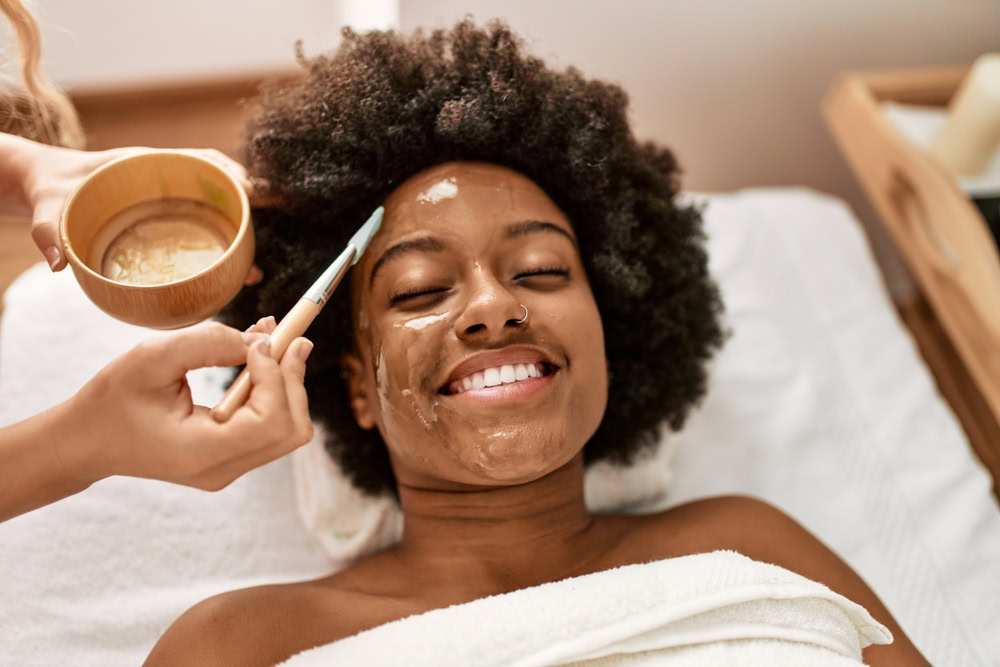
A regular spa facial focuses mostly on relaxation—steam, massage, maybe a mask. It feels nice, but it’s not designed to create lasting change in your skin. Medical-grade facials use clinical-strength products and advanced techniques that actually penetrate deeper layers of skin and trigger real biological responses.
HydraFacial, for example, uses patented vortex technology to cleanse and extract while simultaneously delivering serums that contain higher concentrations of active ingredients than you’d find in over-the-counter products. Microneedling creates controlled micro-injuries that force your skin to produce new collagen and elastin. Chemical peels use acids at strengths that require professional application to safely remove damaged outer layers and reveal healthier skin underneath.
The difference shows up in results. A spa facial might make your skin look dewier for a day or two. A medical-grade treatment addresses the underlying issues—acne, scarring, hyperpigmentation, fine lines—and creates improvement that builds over time. You’re not just temporarily plumping up your skin with moisture. You’re actually changing its structure and function.
You’ll see immediate results after a HydraFacial—clearer pores, smoother texture, more hydration, better glow. That initial boost lasts about five to seven days for most people. But the deeper benefits build over time, especially if you’re consistent with treatments.
The exfoliation and extraction components give you instant gratification. Your skin looks cleaner and brighter right away. The serums and boosters continue working for several days after your appointment, delivering antioxidants, peptides, and hyaluronic acid that support skin health beyond just that day. If you’re dealing with specific concerns like fine lines or hyperpigmentation, you’ll see more dramatic improvement with a series of treatments spaced about four weeks apart.
Most people maintain results with monthly HydraFacials. Some do them quarterly. It depends on your skin type, your concerns, and your goals. If you have an event coming up, booking a HydraFacial three to five days before gives you that peak glow without any risk of irritation or downtime. If you’re trying to address deeper issues, a treatment plan with regular sessions works better than one-off appointments.
HydraFacial treatments typically range from $150 to $300 depending on which boosters and add-ons you choose. Basic microneedling sessions usually fall between $200 and $400. Chemical peels vary widely based on strength and type, anywhere from $150 for a lighter peel to $400+ for more intensive options. Dermaplaning is generally on the lower end, around $75 to $150.
These aren’t impulse purchases, and they shouldn’t be. You’re paying for medical-grade products, professional expertise, and equipment that actually works. The consultation is free, so you can get a clear picture of what your specific concerns would cost to address before committing to anything. Some people start with one treatment to see how their skin responds, then build from there.
The cost makes more sense when you compare it to what most people spend on skincare products that don’t work. If you’re dropping $50 on a serum every month and seeing zero results, that’s $600 a year with nothing to show for it. A few professional treatments that actually address the problem end up being more cost-effective in the long run, plus you’re not cluttering your bathroom with half-used products that didn’t deliver.
Yes, but you need the right treatment for the specific type of scarring or pigmentation you’re dealing with. Microneedling works well for atrophic scars—the indented ones that come from severe acne. The needles create controlled injuries that trigger collagen production, which gradually fills in the depressed areas over a series of treatments. You won’t see complete reversal after one session, but most people notice visible improvement after three to six treatments spaced four to six weeks apart.
Hyperpigmentation responds well to chemical peels and certain HydraFacial boosters. VI peels specifically target sun damage and melasma by removing the outer layers of skin where excess pigment has accumulated. HydraFacial treatments with brightening boosters deliver ingredients like vitamin C and kojic acid that inhibit melanin production and fade dark spots over time. The key is consistency—hyperpigmentation didn’t show up overnight, and it won’t disappear overnight either.
For both concerns, you’ll get the best results by combining professional treatments with proper at-home care. That means daily sunscreen, because UV exposure makes both scars and hyperpigmentation worse. It also means using the right cleansers and serums between appointments. We cover all of this during the consultation, so you’re not guessing about what products to use or how often to come in.
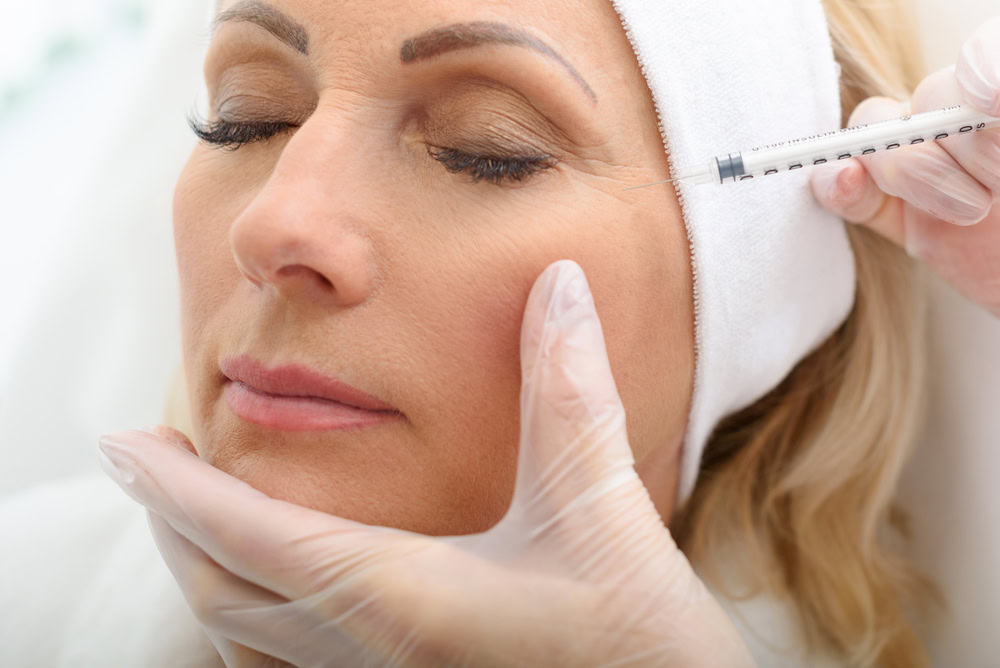
Before your appointment, skip any harsh exfoliants or retinoids for about three days. Don’t get waxed or threaded right before a treatment, especially if you’re doing microneedling or a chemical peel. Show up with a clean face if possible, though cleansing is part of the treatment anyway. If you’re getting Botox or fillers, mention that during your consultation—some treatments need to be spaced out from injectables.
After a HydraFacial, there’s basically no downtime. You can wear makeup immediately if you want, though most people don’t need to because their skin looks good enough without it. Just use a gentle cleanser that night and apply sunscreen the next day. After microneedling, your skin will be red for 24 to 48 hours, similar to a mild sunburn. Avoid makeup for the first day, skip the gym for 24 hours, and don’t use any active ingredients like retinol or acids for about a week.
Chemical peels vary based on strength. Lighter peels might cause some flaking for a few days—don’t pick at it, just let it shed naturally. Deeper peels require more downtime and more careful aftercare. You’ll get specific instructions based on what you’re having done. The main rules across all treatments: sunscreen every day, gentle products only, and no picking or scrubbing. Your skin is doing important work after a treatment, and the best thing you can do is stay out of its way.
That’s exactly what the free consultation is for. You’re not expected to diagnose your own skin or know which treatment protocol makes sense. You show up, explain what’s bothering you, and get professional guidance based on what’s actually happening with your skin—not based on what some influencer said worked for them.
If you’re dealing with multiple concerns, the treatment plan might combine different modalities. Someone with acne scarring and fine lines might benefit from microneedling for the scars and HydraFacial for overall texture and hydration. Someone with sun damage and dullness might start with a chemical peel and follow up with regular HydraFacials for maintenance. There’s no one-size-fits-all answer, which is why the personalized approach matters.
You’ll also get realistic expectations during that consultation. Some concerns resolve quickly. Others take time and consistency. Some require ongoing maintenance. If a treatment isn’t likely to give you the results you want, you’ll hear that upfront instead of wasting money on something that won’t work. The goal is to build a plan that actually makes sense for your skin, your budget, and your timeline—not to sell you the most expensive option on the menu.