Hear from Our Customers

You’re not looking for another basic facial that feels nice but doesn’t change anything. You want your skin to look noticeably better—clearer, smoother, more even—and you want it to last longer than a day or two.
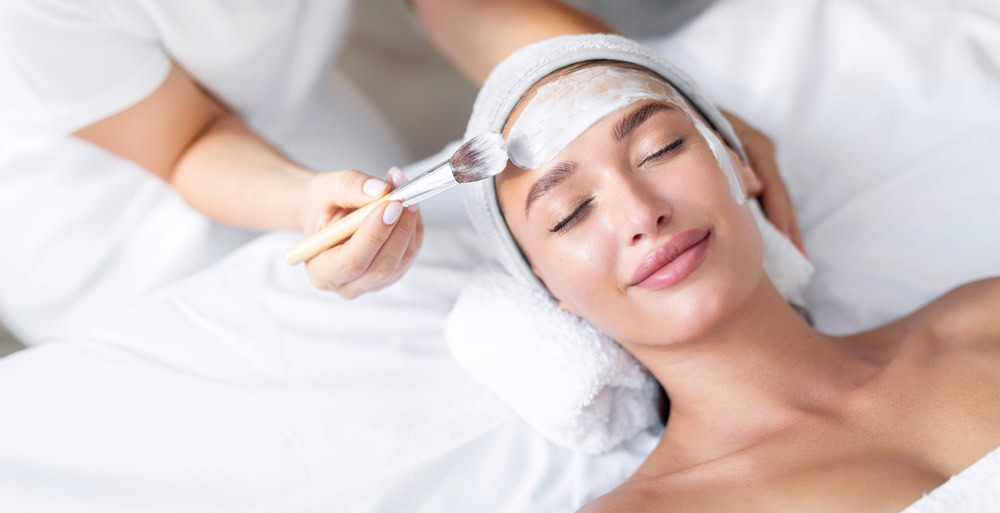
That’s what happens when treatments are built around your specific concerns instead of a generic script. HydraFacial pulls out what’s clogging your pores while flooding your skin with what it’s missing. Microneedling triggers actual collagen production for texture you can feel weeks later. Chemical peels address pigmentation and dullness at the level where it starts.
You walk out with skin that looks refreshed, not red or irritated. And because every treatment starts with a real consultation and skin analysis, you’re not guessing what your skin needs. You know exactly what you’re getting and why it works.
We’ve been serving Youngsville and the surrounding Wake County area since 2020. Jacqueline Grace, the licensed esthetician behind our clinic, holds HydraFacial Master Certification—a distinction earned by less than 1% of providers worldwide—and has won international recognition in pigmentation treatment competitions.
We focus exclusively on medical-grade skincare. That means clinical-level treatments with proven ingredients, not spa-grade products that smell good but don’t penetrate deep enough to make a difference. Every client gets a free consultation and personalized treatment plan, because your skin doesn’t fit a template.
Youngsville residents don’t need to drive into Raleigh or Wake Forest for expert-level care. You’re getting the same advanced treatments, certifications, and results right here.
You start with a free consultation. This isn’t a sales pitch—it’s a skin analysis using AI-powered imaging to identify what’s happening under the surface. You’ll see your skin’s hydration levels, pigmentation, pore congestion, and texture in detail, which makes it easier to understand what treatment will actually help.
From there, Jacqueline builds a treatment plan based on what your skin needs and what you’re trying to fix. If you’re dealing with acne scarring, that’s a different approach than anti-aging or hyperpigmentation. If you have an event coming up, the plan adjusts for that timeline.
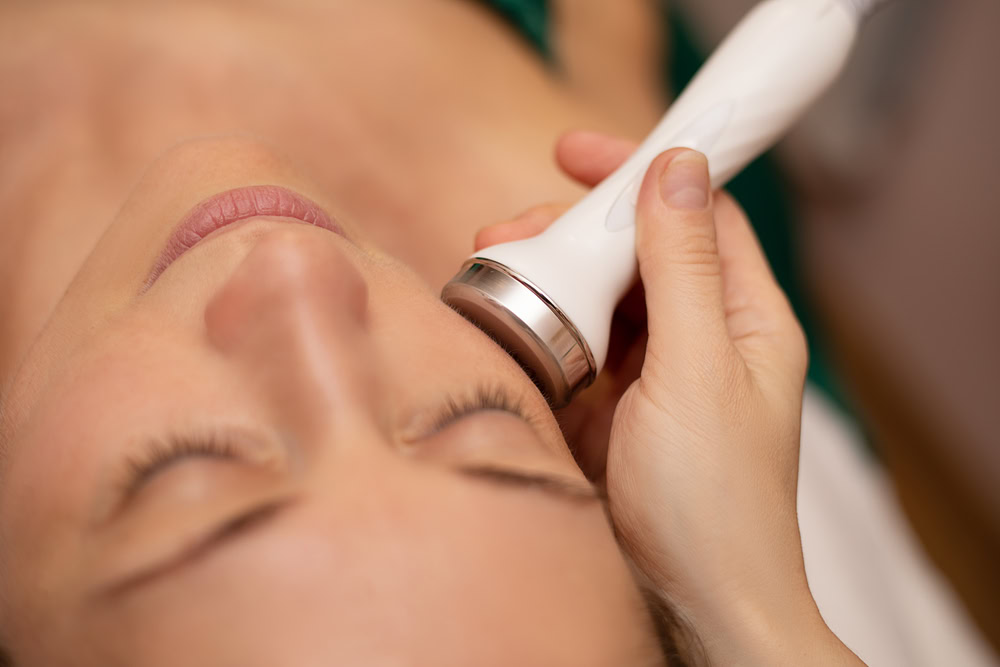
During the treatment itself, you’re getting medical-grade solutions. HydraFacial uses vacuum extraction and infusion technology to clean out pores and deliver serums that penetrate deeper than topical products. Microneedling creates controlled micro-injuries to stimulate collagen. Chemical peels use clinical-strength acids to resurface skin at the dermal level.
Most treatments take 30 to 60 minutes. There’s little to no downtime for most services, so you can come in on a lunch break or before an event. You’ll leave with specific aftercare instructions and product recommendations if they’ll help maintain results—but only if they actually make sense for your routine.
Ready to get started?
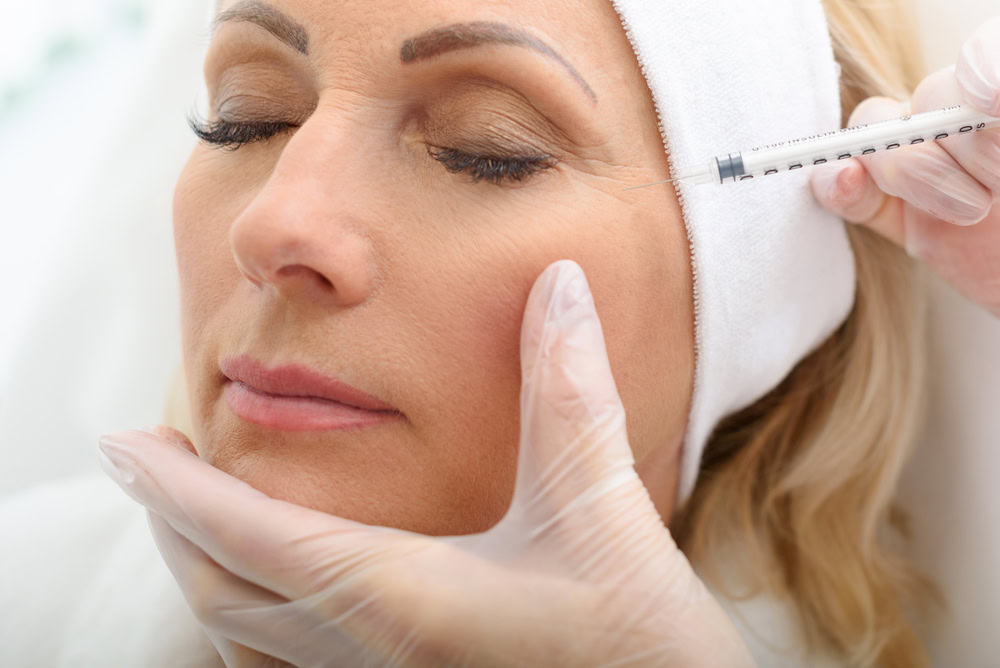
We offer HydraFacial, SkinPen microneedling, chemical peels, dermaplaning, brow threading, and facial threading alongside Botox and other injectables. Each service addresses specific skin concerns, and most clients combine treatments for better results.
HydraFacial is the most popular option for a reason—it works on almost every skin type and delivers immediate results. You’ll see clearer pores, better hydration, and a glow that doesn’t look artificial. It’s also customizable, so if you’re dealing with congestion, dullness, or fine lines, the serums adjust accordingly.
Youngsville’s climate—hot, humid summers and fluctuating temperatures in spring and fall—can wreak havoc on your skin. Increased oil production leads to clogged pores. Sun exposure accelerates pigmentation and aging. Our treatments account for those factors, which is why aftercare and product recommendations are tailored to what your skin faces day to day, not just what looks good in a treatment room.
Brow threading and facial threading are also available for clients who want precise hair removal without the irritation that comes with waxing. It’s faster, cleaner, and works well for sensitive skin or anyone prepping for an event.
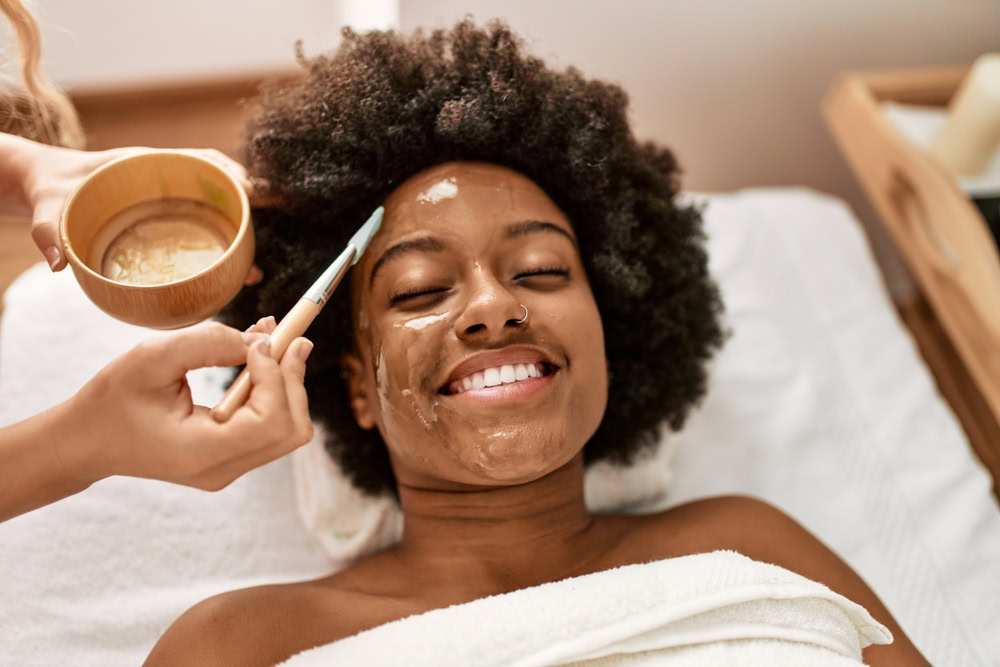
The difference comes down to ingredients, equipment, and training. Medical-grade facials use clinical-strength products that penetrate deeper into your skin because they contain higher concentrations of active ingredients like hyaluronic acid, peptides, and glycolic acid. Regular spa facials typically use over-the-counter products that sit on the surface and focus more on relaxation than results.
The equipment matters too. HydraFacial uses patented vortex technology to extract and infuse simultaneously, which you won’t find at a standard day spa. SkinPen microneedling is an FDA-cleared device that creates controlled micro-channels to trigger collagen production—it’s not the same as a derma roller you’d buy online.
Medical-grade facials are performed by licensed estheticians trained in skin anatomy and treatment protocols. That means you’re getting a service based on how your skin actually functions, not just what feels good. You’ll see measurable improvement in texture, tone, and clarity, not just temporary plumpness that fades by the next day.
Your first visit starts with a consultation, not a treatment. You’ll sit down with Jacqueline to talk through your skin concerns, your goals, and any products or treatments you’ve tried before. This is also when you’ll get a skin analysis using AI imaging technology that shows hydration, pigmentation, pore size, and other factors you can’t see in a mirror.
Based on that analysis, you’ll get a treatment recommendation. If you’re ready to move forward the same day, most treatments can be done immediately. If you want time to think about it or need to schedule around your calendar, that’s fine too—there’s no pressure to book on the spot.
During the actual treatment, you’ll know what’s happening at each step. HydraFacial, for example, involves cleansing, exfoliation, extraction, and serum infusion. You might feel some suction during extraction, but it’s not painful. Most clients find it relaxing. Afterward, you’ll get specific aftercare instructions—what to avoid for the next 24 hours, when you can wear makeup again, and whether you need follow-up treatments to maintain results.
For HydraFacial, you’ll see immediate results—clearer skin, smaller-looking pores, better texture—that last about five to seven days at full intensity. After that, your skin will still look better than before the treatment, but the glow starts to fade as your skin goes through its natural turnover cycle. Most clients book HydraFacials every four to six weeks to maintain results.
Microneedling works differently because it’s stimulating collagen production, not just cleaning out your pores. You’ll see some improvement right away, but the real results show up over the next four to six weeks as new collagen forms. Those results can last several months, and most people do a series of three to four treatments spaced a month apart for the best outcome.
Chemical peels depend on the strength. A light peel might give you a week or two of brighter, smoother skin. A medium-depth peel can improve pigmentation and texture for several months. Your skin type, age, and how well you protect your skin from sun damage all affect how long results last. Jacqueline will give you a realistic timeline during your consultation based on what treatment you’re considering.
It depends on the treatment. HydraFacial has zero downtime—you can go straight back to work, put on makeup, and go about your day. Your skin might be slightly pink for an hour or two, but that’s it.
Microneedling causes redness and mild swelling for about 24 to 48 hours. Your skin will look like you have a sunburn the first day, then it starts to calm down. Most people schedule it on a Thursday or Friday so they’re back to normal by Monday. You’ll need to avoid makeup, heavy sweating, and direct sun exposure for at least 24 hours, sometimes longer depending on how your skin reacts.
Chemical peels vary based on strength. A light peel might leave your skin a little red and flaky for a few days. A medium peel can cause peeling that lasts up to a week—your skin will literally shed in visible layers, which sounds dramatic but it’s not painful. You just need to plan around it if you have events or meetings where you need to look polished. Jacqueline will walk you through what to expect for the specific peel you’re getting so there are no surprises.
Yes, and a lot of clients do exactly that. Threading is quick—usually 10 to 15 minutes for brows—and it doesn’t interfere with facial treatments. In fact, it’s often better to do threading before a facial so we can work around freshly cleaned brows and make sure no irritation occurs.
Threading is a good option if you have sensitive skin or you’ve had reactions to waxing in the past. It’s more precise, there’s no heat or chemicals involved, and it doesn’t pull on your skin the way wax does. You might have some redness right after, but it fades within an hour or two.
If you’re getting a more intensive facial treatment like a chemical peel or microneedling, we might recommend scheduling threading on a different day to avoid any unnecessary irritation. But for HydraFacial, dermaplaning, or a standard facial, threading fits right in. Just mention it when you book so the appointment is scheduled with enough time for both services.
That’s what the consultation is for. You don’t need to diagnose your own skin or figure out the right treatment before you walk in. Jacqueline will assess your skin, ask about your concerns, and recommend what will actually work based on your skin type, your goals, and your timeline.
If you’re dealing with clogged pores, dullness, or dehydration, HydraFacial is usually the best starting point. It’s effective for almost everyone and you’ll see results immediately. If you’re trying to address deeper issues like acne scarring, fine lines, or significant pigmentation, microneedling or a chemical peel might make more sense.
Some clients need a combination approach. You might start with HydraFacial to get your skin in better condition, then move into microneedling or peels for more targeted work. Or you might alternate treatments depending on the season—HydraFacial in the summer when your skin is oilier, and peels in the fall when you’re not getting as much sun exposure. The plan adjusts as your skin changes, and you’re never locked into one approach if it’s not working.