Hear from Our Customers
You roll out of bed and your brows are already done. No pencil. No powder. No mirror panic before you leave the house.
That’s what microblading gives you—hair-like strokes that look just like real brows, customized to your face shape and coloring. Whether you’re dealing with over-plucked brows from the ’90s, sparse patches from aging, or just want fuller definition without the daily routine, this is the solution that actually sticks around.
Most clients say the discomfort is minimal—around a 3 or 4 on a 10-point scale. We use topical numbing cream that kicks in after 20 minutes, so the process feels manageable, not miserable. You’re in and out in about two hours for the initial session, and results last one to two years depending on your skin type and lifestyle.
No more smudging at the gym. No more reapplying after swimming. Just consistent, natural-looking brows that move with your face and don’t scream “tattooed.”
Wake Skincare isn’t new to this. Jacqueline Grace has been named Best Aesthetician in Wake County three years running, and she’s placed first internationally in the Pigmentation Artist of the Year category at The Skin Games—a competition that draws top artists from around the world.
She trained under one of Raleigh’s best permanent makeup artists and specializes in light, airy powder brow techniques that look natural, not blocky. Every consultation is one-on-one, and every treatment is customized to your face—not a cookie-cutter stencil.
Dortches residents don’t have to drive far for this level of expertise. We serve 22 cities across Wake County and surrounding areas, including Nash County communities like Dortches. Our facility is clean, calming, and designed for clients who want real results without the spa theater.
First, you sit down for a complimentary consultation. We talk about your brow goals, face shape, skin type, and lifestyle to figure out the best approach—whether that’s classic microblading, nano brows, or powder brows.
Once we map out your brow shape and choose the right pigment match, we apply a topical numbing cream. It takes about 20 to 30 minutes to kick in, and it makes a noticeable difference in comfort level.
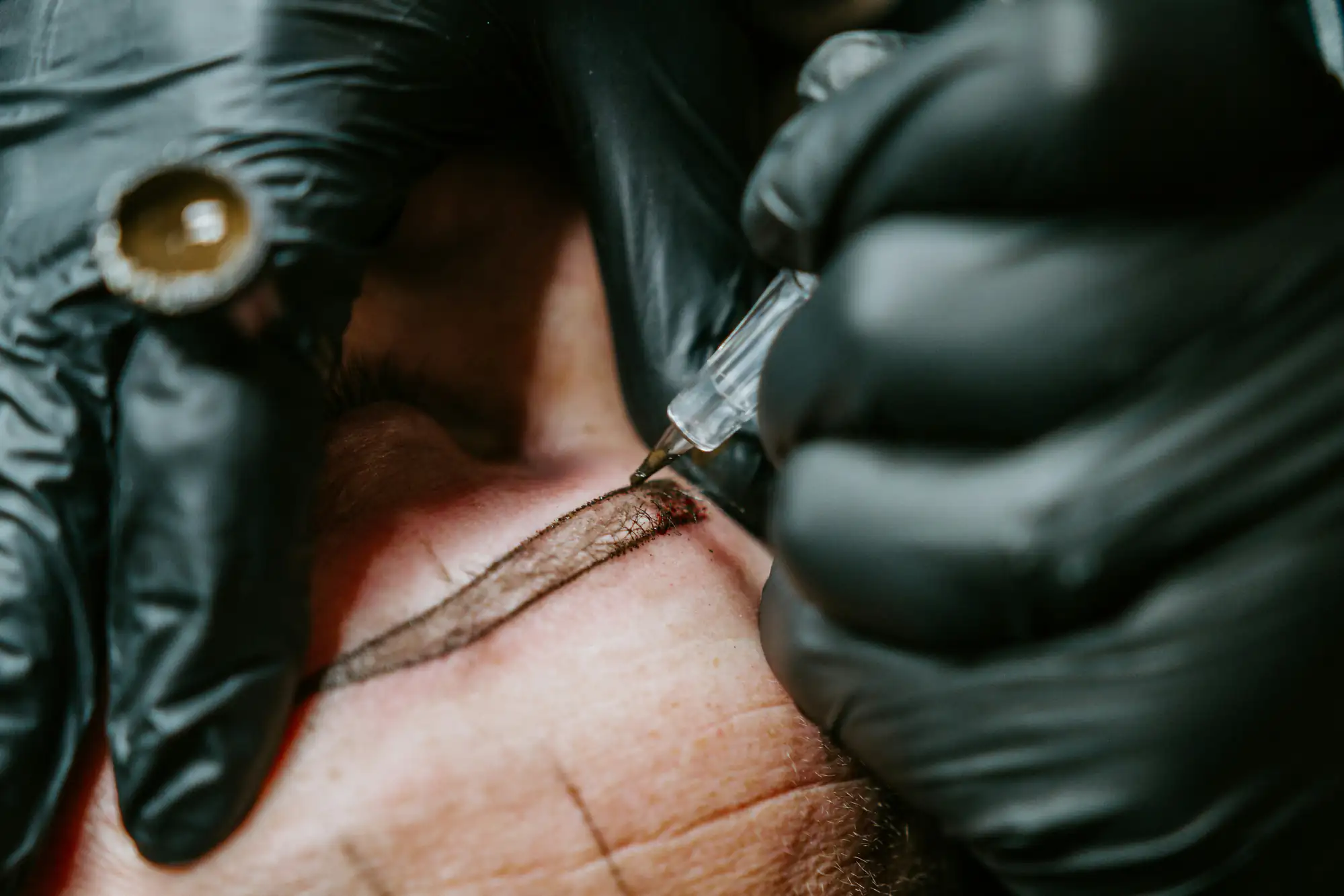
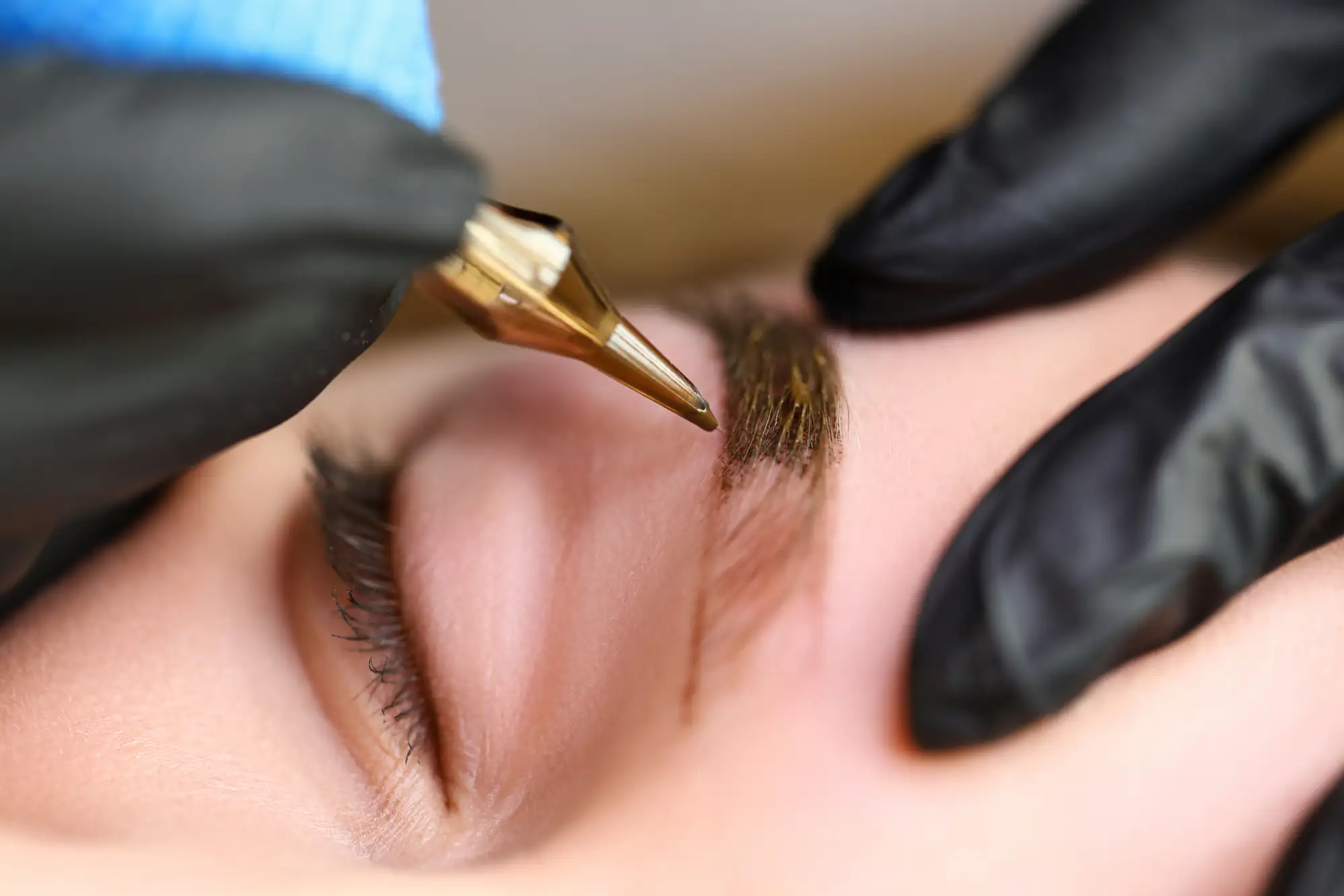
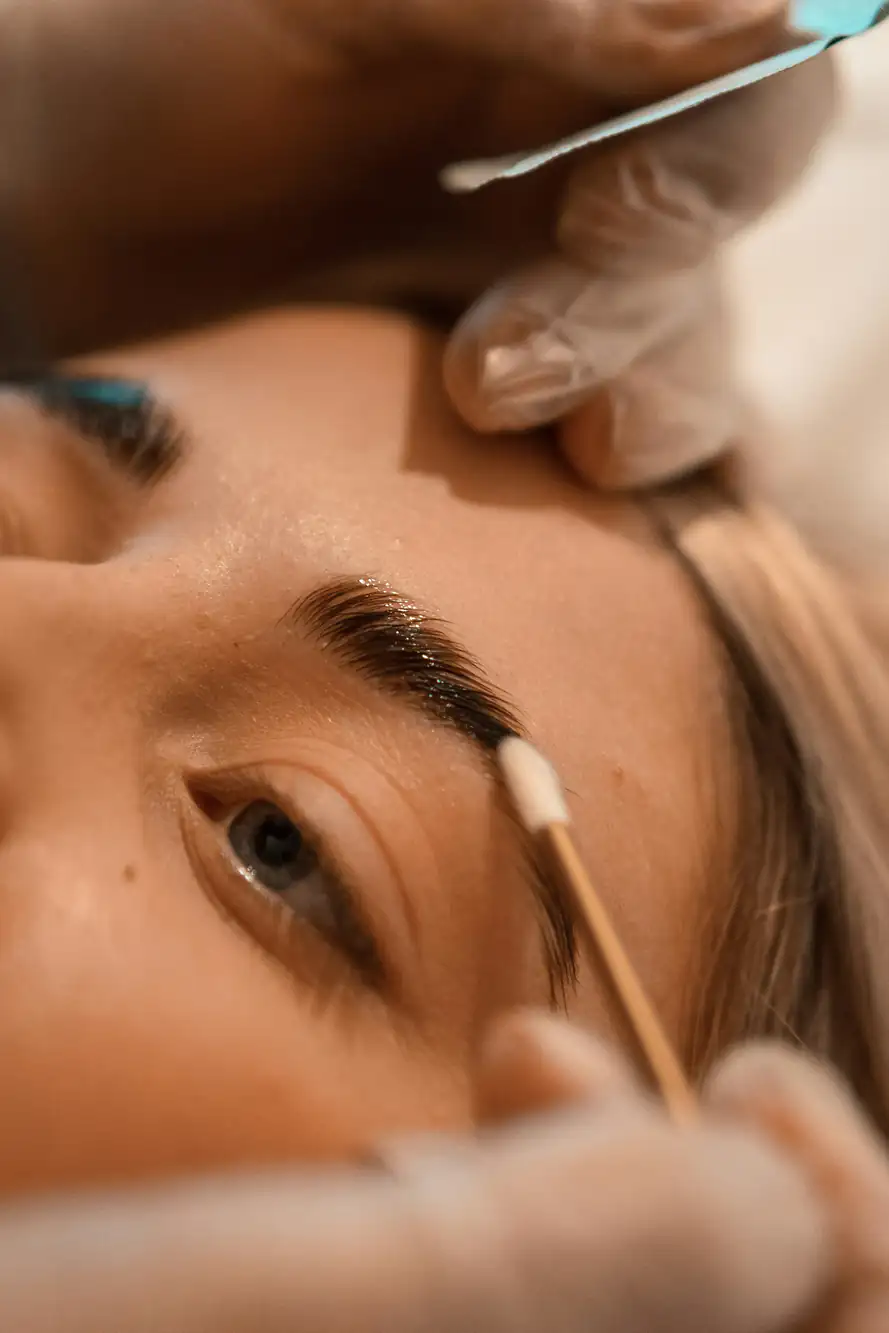
Then comes the actual microblading. Using a fine blade, we create hair-like strokes that mimic the direction and texture of real brow hairs. The process takes around two hours for the initial session. You’ll see results immediately, though the color will soften slightly as your skin heals over the next few weeks.
A follow-up appointment is scheduled six to eight weeks later to touch up any areas that didn’t retain pigment as well and to refine the shape. After that, you’re set for one to two years before you need a refresh. Aftercare is straightforward—keep the area clean, avoid heavy sweating for a week, and don’t pick at any scabbing.

Ready to get started?
You get a full consultation before any work begins. That’s where we assess your natural brow shape, discuss your preferences, and choose the pigment that matches your hair and skin tone.
The initial microblading session includes numbing cream, custom brow mapping, and the full procedure—usually around two hours start to finish. You also receive a professional aftercare kit with instructions to make sure your brows heal properly and the pigment sets evenly.
A follow-up session is included six to eight weeks later. This is when we fine-tune the shape, add density where needed, and make sure the results match what you were hoping for. Most people need this touch-up because everyone’s skin heals a little differently.
For Dortches residents, this level of service is closer than you think. Wake County has seen a surge in demand for semi-permanent makeup, and we’ve become one of the go-to spots for natural-looking eyebrow microblading near Dortches. The median household income here is around $72,000, and homeownership sits near 80%—people are investing in quality services that save time and deliver consistent results.
Most people rate the discomfort between a 3 and 5 on a 10-point scale. It’s not painless, but it’s not unbearable either.
We apply a topical numbing cream about 20 to 30 minutes before starting, which significantly reduces sensation. You might feel light pressure or a scratching feeling during the procedure, but it’s manageable for the vast majority of clients—81% report discomfort at a 5 or below.
The area may feel slightly tender for a day or two afterward, similar to a mild sunburn. There’s no sharp pain once the procedure is done. If you’ve ever had your eyebrows threaded or waxed, this is comparable—just longer in duration but less intense moment-to-moment.
Microblading typically lasts one to two years, depending on your skin type, lifestyle, and how well you follow aftercare instructions. Oily skin tends to fade faster because the pigment doesn’t hold as well in larger pores.
You’ll need a touch-up session about six to eight weeks after your initial appointment. This isn’t optional—it’s part of the process. Your skin sheds and heals differently than the next person’s, so this follow-up ensures even color and shape.
After that, most clients come back for a refresh every 12 to 18 months. Some stretch it to two years if their skin holds pigment well. The fading is gradual, so you won’t wake up one day with half your brows gone—it just lightens over time, and you’ll know when it’s time to book again.
Microblading uses a manual blade to create hair-like strokes. It’s ideal if you want a natural, feathered look that mimics real brow hairs. The strokes are fine and precise, and the result is soft and realistic.
Nano brows use a machine with an ultra-fine needle to create similar hair-like strokes, but with more precision and less trauma to the skin. It’s a newer technique that works well for people with sensitive or oily skin, and the results tend to last a bit longer than traditional microblading.
Powder brows, on the other hand, create a soft, shaded look—like you filled in your brows with powder or pencil. It’s done with a machine and gives you more density and definition. If you like a bolder, more filled-in brow, powder brows are the way to go. All three are semi-permanent, and the right choice depends on your natural brow texture, skin type, and the look you’re after.
Yes, but your results may not last as long, and the strokes might blur slightly over time. Oily skin produces more sebum, which can push out pigment faster than normal or dry skin types.
That doesn’t mean you’re not a candidate—it just means you might need more frequent touch-ups, and powder brows or nano brows might be a better long-term option for you. Powder brows tend to hold better on oily skin because the technique deposits pigment differently.
During your consultation, we’ll assess your skin type and talk through which method will give you the best results. If microblading is still the right fit, we’ll adjust the technique and pigment to work with your skin, not against it. Plenty of people with oily skin get beautiful, lasting results—they just need realistic expectations and a skilled artist who knows how to adapt.
For the first week, avoid getting your brows wet as much as possible. That means no long showers with steam hitting your face, no swimming, and no sweating from intense workouts. Water and moisture can interfere with how the pigment sets.
Don’t pick at any scabbing or flaking. Your brows will go through a healing phase where they might look darker at first, then flake off and look lighter. That’s normal. Picking can cause scarring and uneven pigment retention.
Skip makeup, skincare products, and sunscreen directly on the brow area for at least 10 days. Also avoid saunas, tanning beds, and direct sun exposure. Once your brows are fully healed—usually around four weeks—you can go back to your normal routine. Following aftercare instructions isn’t optional if you want your brows to heal evenly and last as long as possible.
Check for certifications, training background, and competition placements. A qualified microblading artist should have formal training from a reputable academy or mentor, not just a weekend crash course.
Look at their portfolio. You want to see healed results, not just fresh work. Healed brows show you how the pigment actually settles and whether the artist’s technique holds up over time. If they only show before-and-after photos taken the same day, that’s a red flag.
Ask about their infection control practices and whether they’re licensed as an esthetician or cosmetologist in your state. North Carolina requires proper licensing for permanent makeup procedures. At Wake Skincare, Jacqueline Grace is a licensed esthetician trained by one of Raleigh’s top permanent makeup artists, and she’s won first place internationally in pigmentation artistry. That’s the level of expertise you should be looking for—not someone who just took an online course and started tattooing faces.