Hear from Our Customers
You stop spending fifteen minutes every morning trying to make your eyebrows match. No more smudging by lunchtime, no more avoiding the pool because your brows might disappear, and no more wondering if they look even.
Your brows stay put through workouts, humidity, and long days. They look natural—like you were born with fuller, perfectly shaped eyebrows that complement your face.
The results last between 12 and 18 months, depending on your skin type and how you care for them. You’ll come back for a touch-up appointment about six weeks after your initial session to perfect the color and shape. After that, you’re set for over a year of waking up ready to go.
Our founder, Jacqueline Grace, has been named Best Esthetician in Wake County three years running. She’s also earned first place in the Pigmentation Artist of the Year category at The Skin Games, an international competition that draws practitioners from around the world.
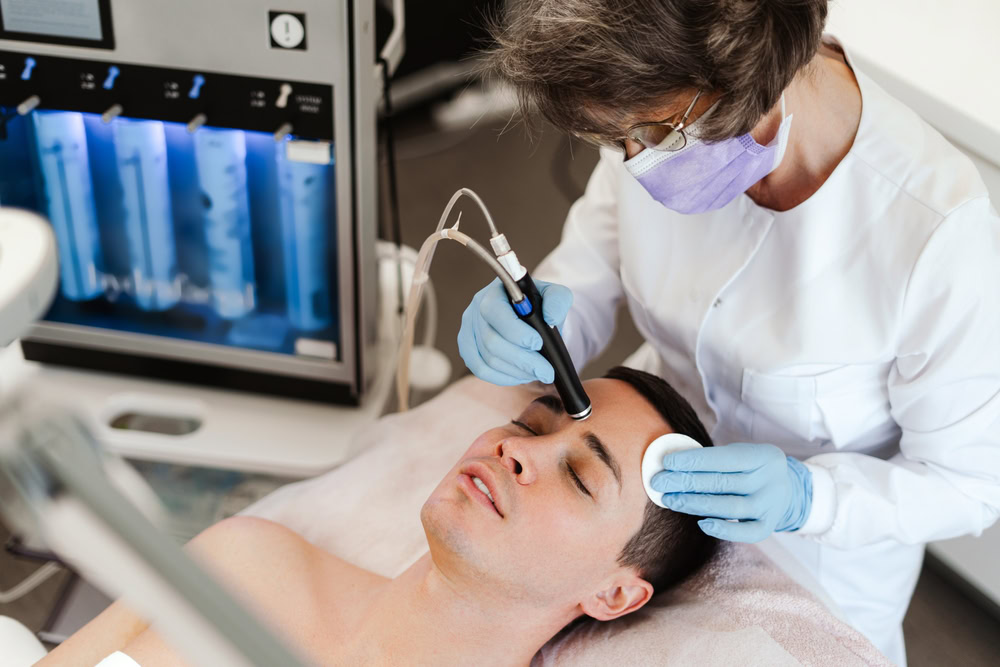
She’s one of fewer than 100 people globally to hold HydraFacial Master Certification. That’s not marketing language—it’s a verifiable credential that requires extensive training and demonstrated skill.
Four Oaks residents don’t have to drive to Raleigh or Durham for this level of expertise. We serve 22 cities across Wake County, bringing medical-grade skincare and permanent makeup services closer to home. Every microblading session starts with a free consultation where you’ll discuss your goals, facial structure, and the specific technique that works best for your skin and desired look.
Your first visit is a consultation. You’ll talk through what you want, look at examples, and map out the shape that works with your bone structure and preferences. This isn’t rushed—getting the shape right matters more than getting you in and out quickly.
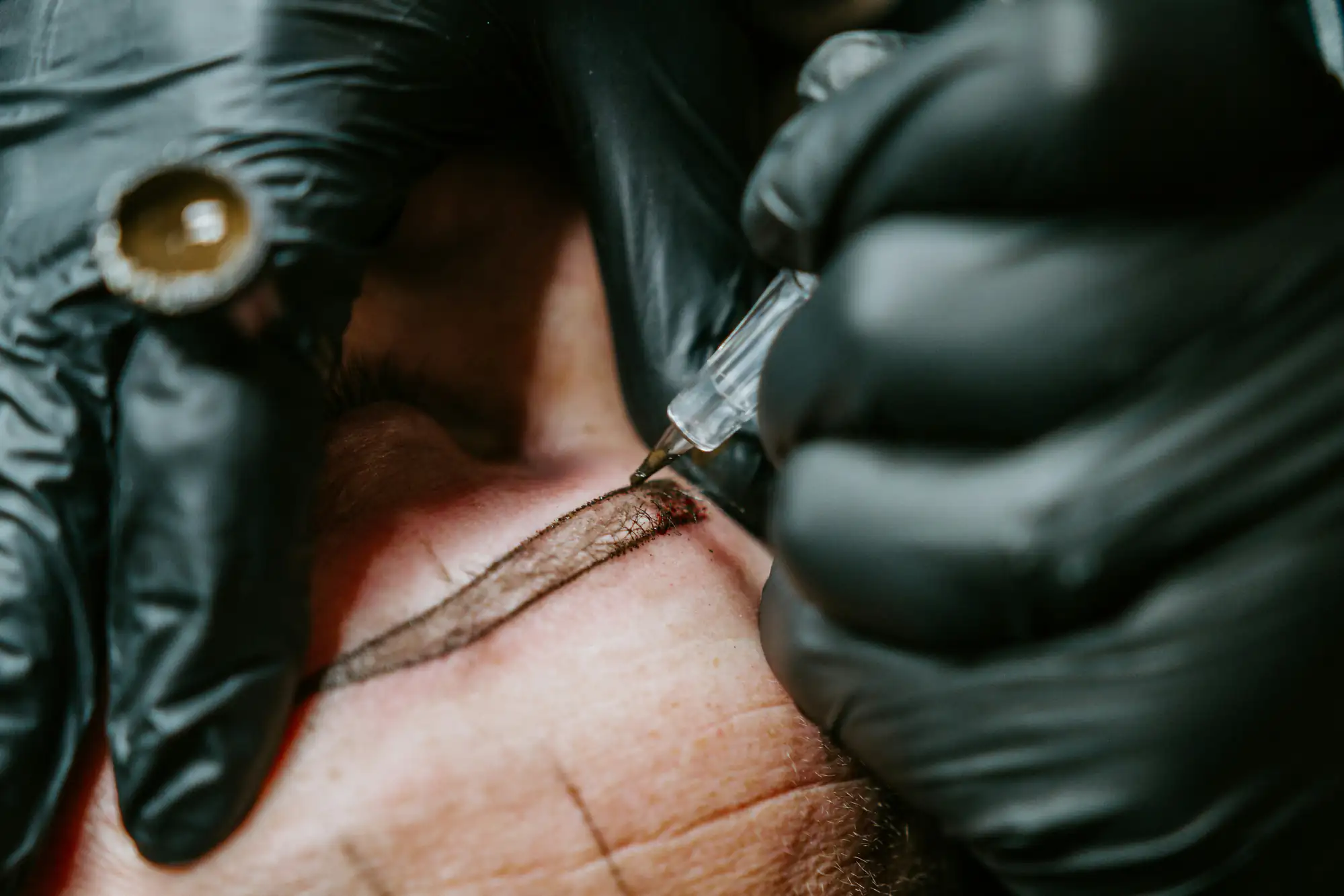
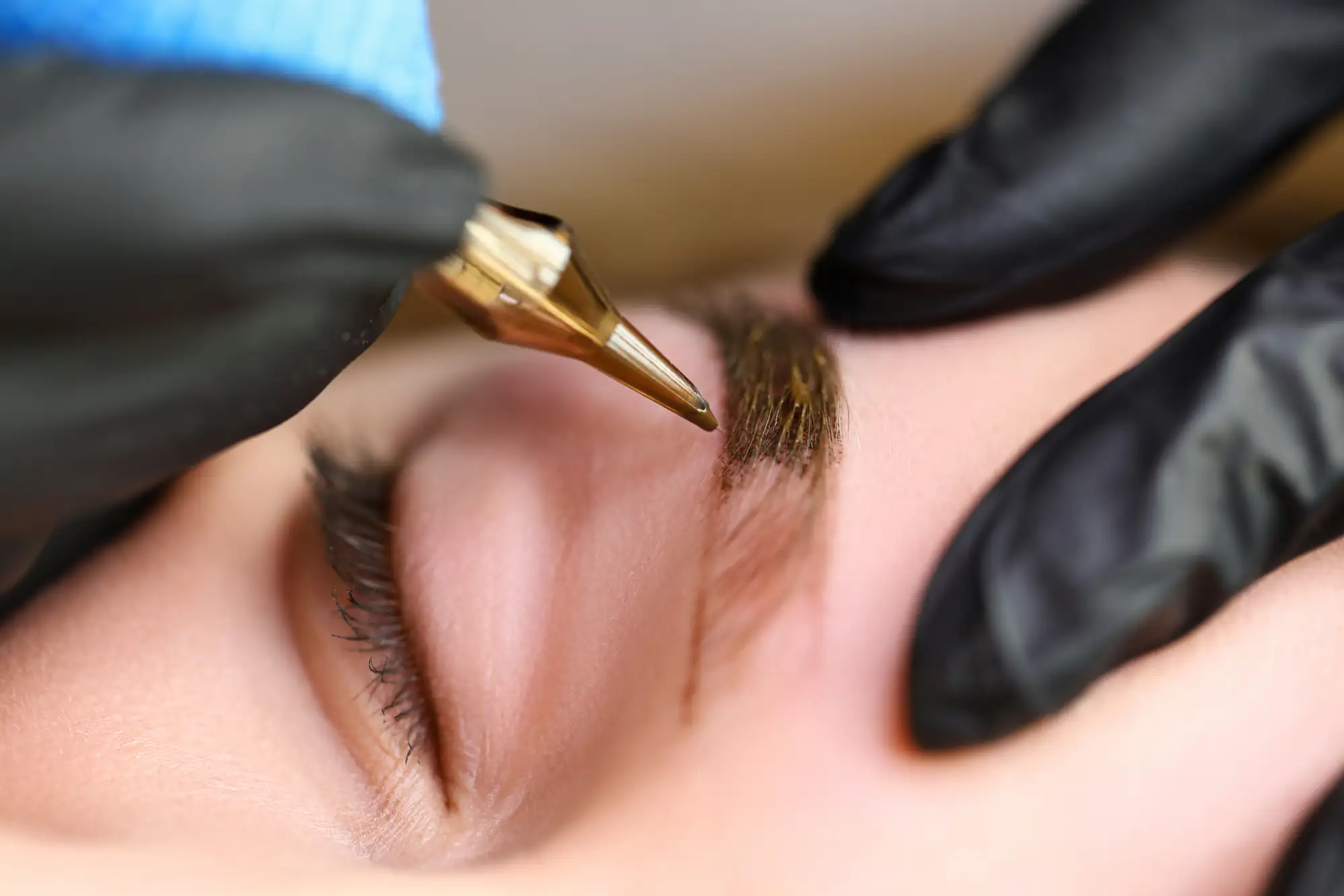
During the actual microblading appointment, a topical numbing cream is applied first. Most people rate the discomfort around a 2 to 4 out of 10—manageable and brief. The microblading itself involves creating fine, hair-like strokes using a specialized tool and pigment that matches your natural coloring.
The whole process takes about two to three hours. You’ll leave with aftercare instructions that are straightforward: keep the area dry for the first week, avoid heavy sweating, and don’t pick at any flaking. Your brows will look darker initially, then lighten as they heal over the next four weeks.
You’ll return for a touch-up session about six weeks later. This is when any areas that didn’t retain pigment as well get perfected, and the overall shape and color are fine-tuned to exactly what you want.

Ready to get started?
Microblading works beautifully for most people, but it’s not the only option. Nano brows use a machine to create even finer, more precise strokes than traditional microblading. This technique works especially well if you have oily skin, which sometimes doesn’t hold manual microblading strokes as crisply.
Powder brows create a soft, filled-in look similar to wearing brow powder—less defined individual strokes, more of an overall shaded effect. If you like the look of filled-in brows or have very sparse natural hair, this might be the better fit.
Four Oaks has seen steady population growth—up over 27% since 2020—and with that growth comes more professionals looking for low-maintenance beauty solutions that hold up during busy weeks. Whether you’re commuting to Raleigh, working locally, or managing a household, the goal is the same: brows that look intentional without daily effort.
We customize the approach based on your skin type, lifestyle, and the specific look you’re going for. The free consultation exists specifically to figure out which technique gives you the result you actually want—not just what’s easiest to perform.
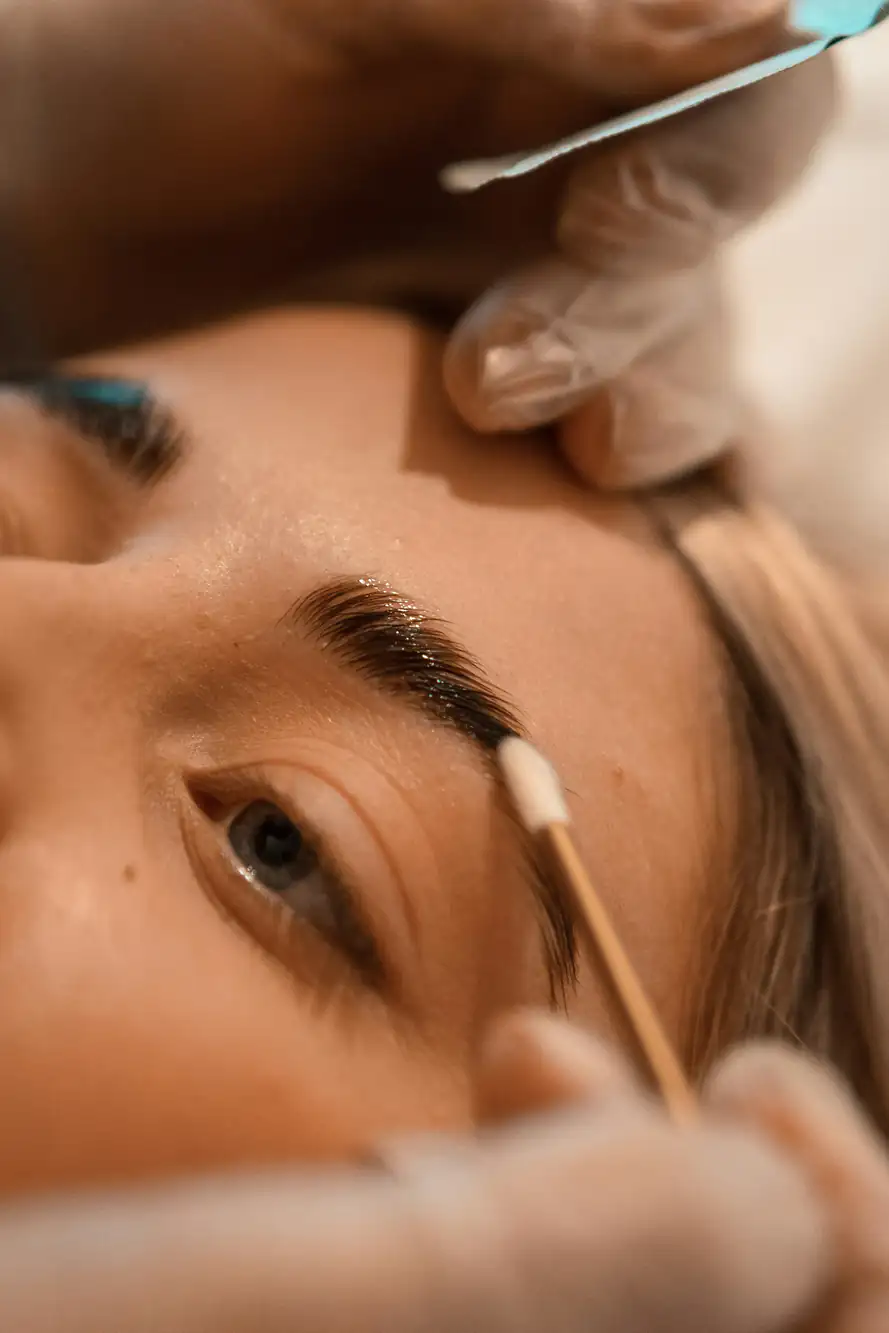
Microblading typically lasts between 12 and 18 months before you’ll want a refresh. The exact timeline depends on a few factors: your skin type, how much sun exposure your face gets, and how well you follow aftercare during the healing phase.
Oily skin tends to break down the pigment faster than dry or normal skin. If you’re outside a lot without sunscreen on your face, the pigment will fade more quickly. People who are diligent about the aftercare—keeping brows dry and protected during that first week—usually see better retention.
After the initial session and six-week touch-up, most people don’t need anything done for at least a year. When the pigment does start to fade, it fades gradually. You’re not going to wake up one day with half your brows gone. You’ll just notice they’re lighter, and that’s when you’d book a refresh appointment to bring the color and definition back.
Most people describe the sensation as annoying rather than painful. With the numbing cream applied beforehand, the average pain level sits around 2 to 4 out of 10. You’ll feel pressure and some scratching, but it’s not the kind of pain that makes you want to stop.
The healing process is straightforward if you follow the instructions. For the first week, you’ll need to keep your brows dry—no sweating heavily, no swimming, no long showers where water runs directly over your face. They’ll feel a little tight and may itch as they heal, but you can’t scratch or pick at them.
Around day four or five, you’ll notice some flaking. This is completely normal and means the top layer of skin is healing. The color will look darker right after the appointment, then lighter as it heals, then it settles into the final shade after about four weeks. The six-week touch-up appointment is built into the process specifically because some areas may need a second pass once everything has fully healed.
Microblading uses a manual tool to create individual, hair-like strokes in the upper layers of your skin. Traditional eyebrow tattoos use a machine that deposits ink deeper into the skin, creating a more solid, filled-in look that’s permanent.
The pigments are different too. Microblading pigment is designed to fade gradually over time, which is actually a benefit—your face changes as you age, and your brow shape and color can be adjusted accordingly. Tattoo ink is permanent and can change color over time, sometimes turning blue or green as it ages.
Microblading looks more natural because each stroke mimics an actual eyebrow hair. You can see individual lines rather than a solid block of color. Tattooed eyebrows tend to have that “drawn-on” appearance that was popular decades ago but doesn’t hold up to current standards for natural-looking brows. If you want brows that look like you were born with them—just better—microblading or nano brows are the way to go.
The consultation phase exists specifically to answer this question. You’ll sit down with someone who’s been trained in facial morphology—the study of how your bone structure, face shape, and natural features work together. The brow shape that looks amazing on someone else might not suit your face, and that’s okay.
During the consultation, you’ll map out the shape together using your natural brow bone, eye spacing, and face proportions as guides. You’ll see the proposed shape drawn on before any microblading happens, and you can request adjustments until it looks right. The pigment color is also customized to match your natural hair color and skin tone.
Natural-looking results come from two things: proper technique and realistic expectations. If your natural brows are very light or sparse, microblading will make them more visible—that’s the point. But the goal is for people to notice that you look polished and put-together, not that you obviously had work done. We specialize in the light, airy powder brow technique that creates realistic, three-dimensional results rather than harsh, overly dark lines.
Yes, but not immediately. During the first week of healing, you need to keep the brow area completely clean and free of any products—no makeup, no moisturizer, no sunscreen directly on the brows. This gives the pigment time to settle and the skin time to heal without interference.
After that first week, you can resume your normal makeup routine. Most people find they don’t need to fill in their brows anymore, which is the whole point. But if you want to add a little extra definition for a special event or just because you like the look, you absolutely can.
The microblading creates a base that looks complete on its own. Any additional makeup you choose to apply just enhances what’s already there. You’re not starting from scratch every morning trying to create brows from nothing—you’re working with a solid foundation that already frames your face the way you want it to.
This is why the consultation and mapping process matters so much. You approve the shape before any pigment goes into your skin. If something looks off during that preview stage, it gets adjusted right then—no pigment, no commitment, no problem.
Once the microblading is done, the pigment does fade over time, so even if you’re not thrilled with the results, they’re not permanent like a traditional tattoo. That said, the six-week touch-up appointment is specifically designed to address any concerns. If the color didn’t take evenly, if one brow healed lighter than the other, or if you want slight adjustments to the shape, that’s when those fixes happen.
Our approach is collaborative, not prescriptive. You’re not handed a one-size-fits-all brow template. The goal is to create something that works for your face and your preferences, and that requires honest communication during the consultation. If you come in with reference photos of what you like and don’t like, that helps tremendously. The more specific you can be about your goals, the better the final result will match what you actually want.