Hear from Our Customers
You’re not drawing on your eyebrows anymore. You’re not worrying if they’re even or if they’ll smudge by noon. You wake up, look in the mirror, and your brows are already done.
That’s what microblading gives you. Natural-looking, hair-like strokes that blend with your real brows and last 12 to 18 months. No pencils, no powders, no daily maintenance.
If you’ve been dealing with thin brows from over-plucking, age, or just genetics, this is the solution that actually sticks. You get your time back. You get consistency. And you stop second-guessing how your face looks before you’ve even had coffee.
The results are immediate. The convenience is permanent. And for anyone in Franklinton, NC who’s tired of the eyebrow pencil routine, this is what finally ends it.
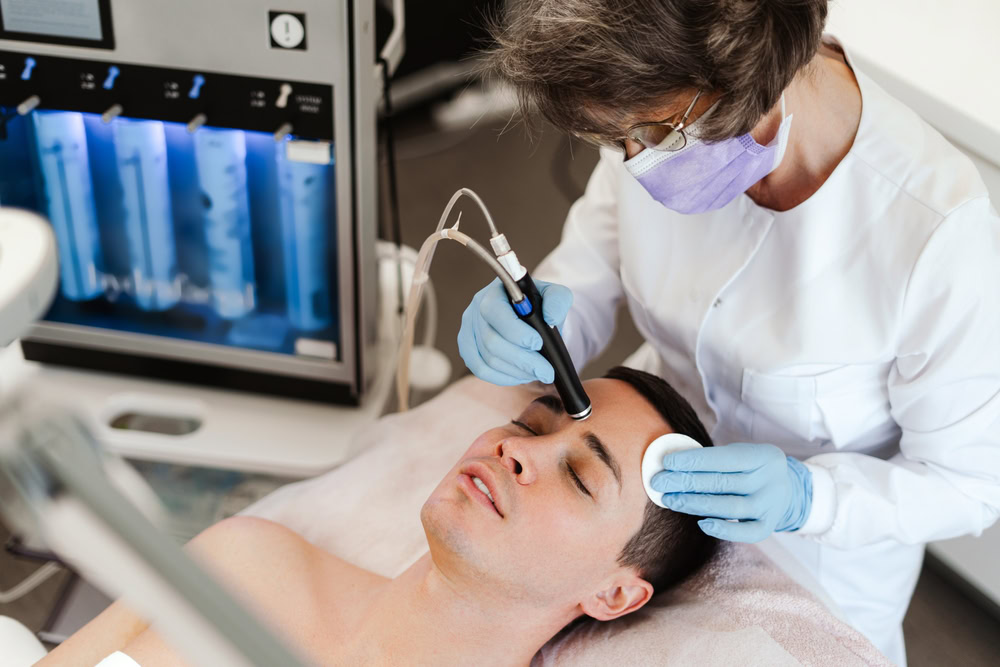
We’re not new to this. Jacqueline Grace has been named Best Esthetician in Wake County three years running and earned first and second place in the Pigmentation Artist of the Year category at The Skin Games, an international aesthetics competition. She’s also one of the first hundred practitioners in the world to achieve HydraFacial Master Certification.
That’s not luck. That’s skill, training, and a track record you can verify. Clients from Franklinton, Wake Forest, Youngsville, and across the Triangle come here because the work speaks for itself.
You’re getting someone who knows how to create hyper-realistic brows that suit your face, not a cookie-cutter shape that looks good on Instagram but weird in real life. And you’re working with a clinic backed by one of the most respected medical directors in the area, so safety and quality aren’t optional here.
You start with a free consultation. That’s where we talk about your brow goals, face shape, and what you’re hoping to fix or improve. No pressure, no upselling. Just a real conversation about what makes sense for you.
Once you’re ready to move forward, we map out your brows. This is where symmetry, proportion, and your natural bone structure all come into play. You approve the shape before anything permanent happens.
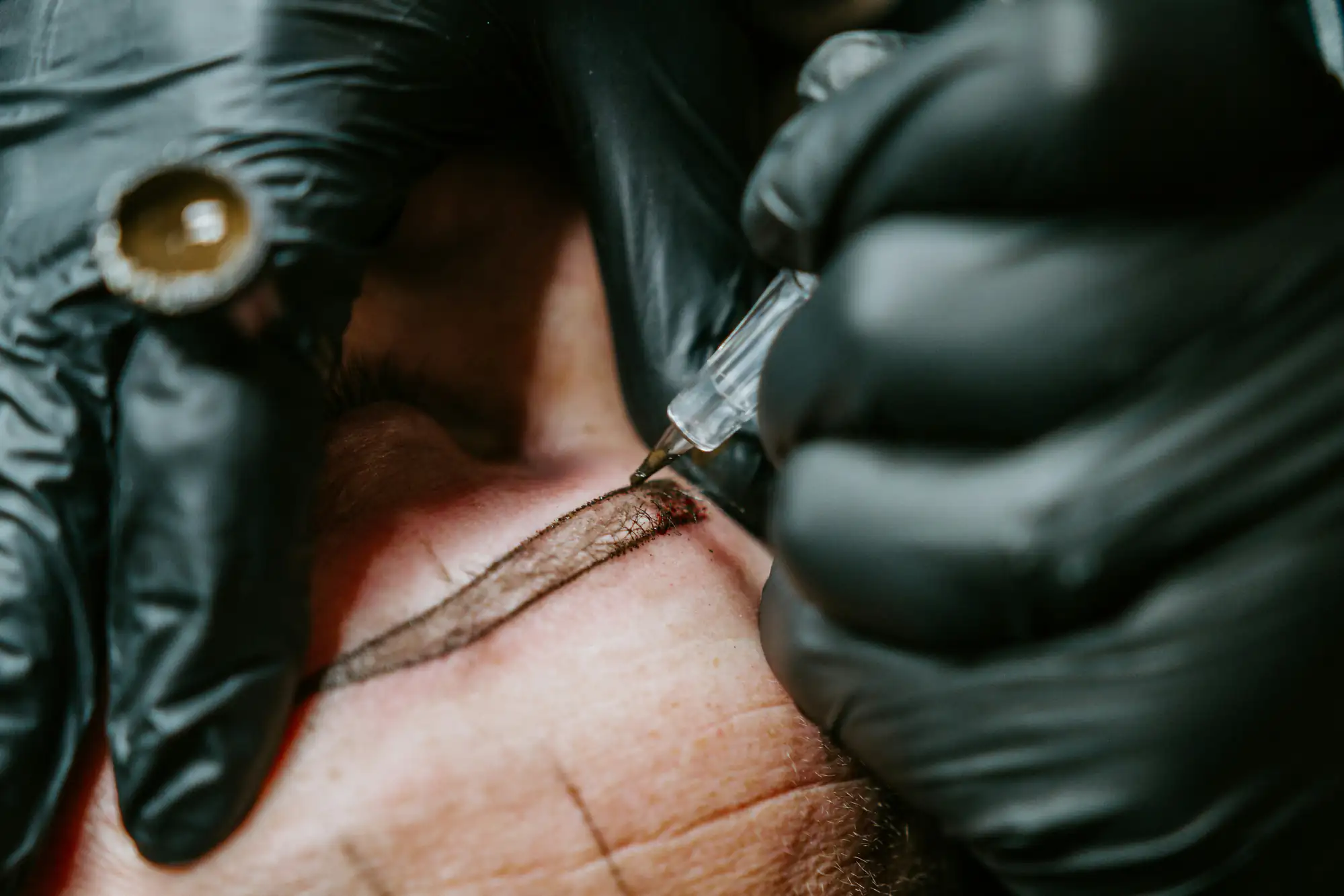
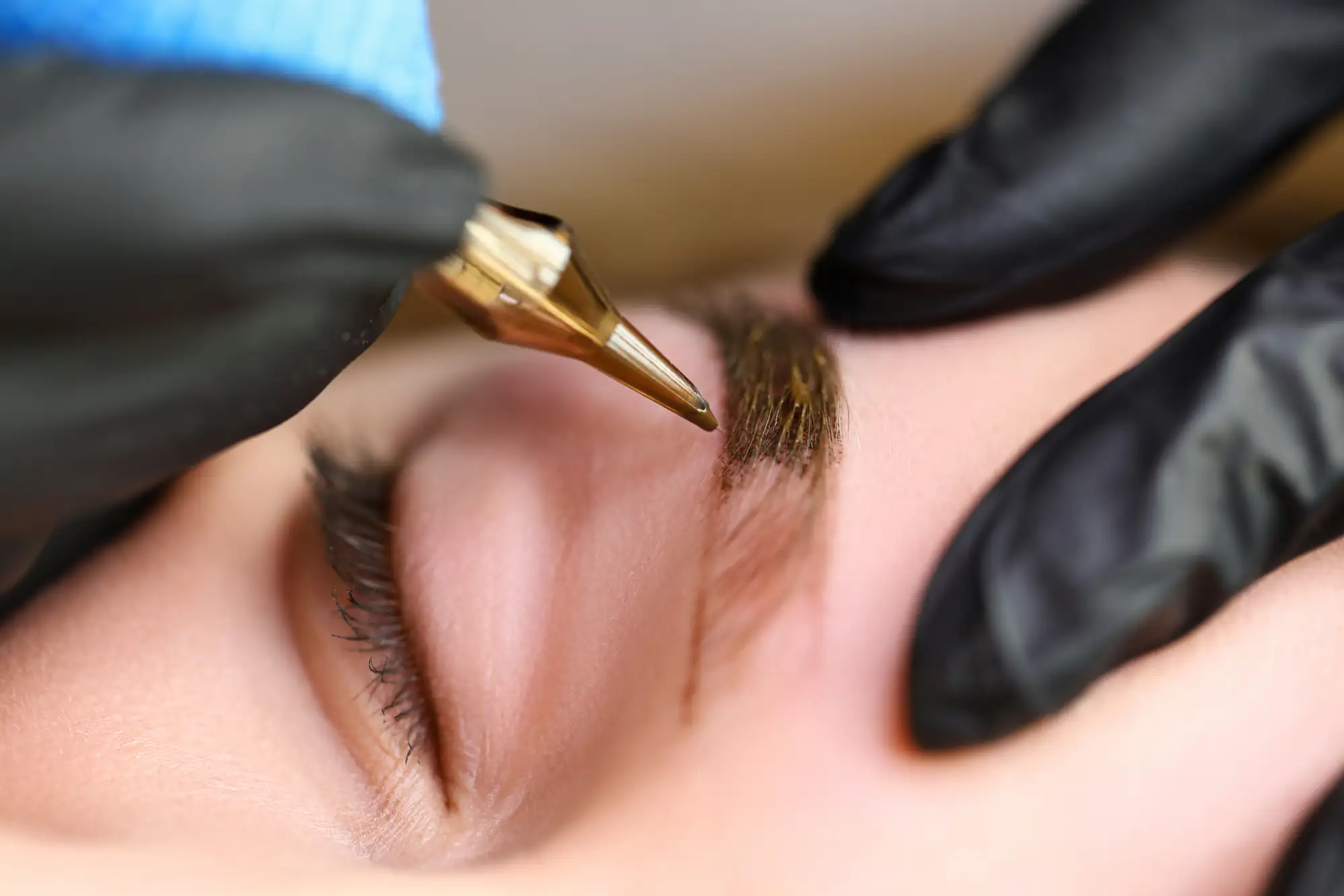
Then comes the microblading itself. Using a sterile, disposable tool and high-quality pigment, fine hair-like strokes are applied to mimic your natural brow hairs. Most people describe it as uncomfortable but manageable. Numbing cream is used, and the majority of clients rate the discomfort around a 5 out of 10 or lower.
The whole appointment takes about two hours. Afterward, you’ll have some redness and slight tenderness, but that fades within a day or two. You’ll need to avoid water, sweat, and makeup on your brows for about 10 days while they heal. A follow-up appointment is scheduled around six weeks later to perfect any areas that need a touch-up.

Ready to get started?
Not everyone wants the same brow style, and that’s the point. Microblading gives you those crisp, individual hair strokes. Nano brows use an even finer technique for ultra-realistic detail, and they’re trending hard in 2025. Powder brows give you a soft, filled-in look, like you just applied brow powder, and they tend to last a bit longer.
All three are semi-permanent. All three are customized to your face. And all three save you from the daily grind of filling in your brows.
In Franklinton and the surrounding Wake County area, there’s a growing demand for these services because people are done with the hassle. They want results that last, and they want someone who knows what they’re doing. The difference between a great result and a disaster often comes down to training and experience, and that’s where we separate ourselves.
North Carolina only requires a tattoo permit to perform microblading. No mandatory training. No skill assessment. That’s a problem, and it’s why you see so many bad results out there—brows that are too dark, too thick, or placed at the wrong depth, causing scarring. You’re not getting that here. You’re getting someone who’s been recognized internationally for this exact work.
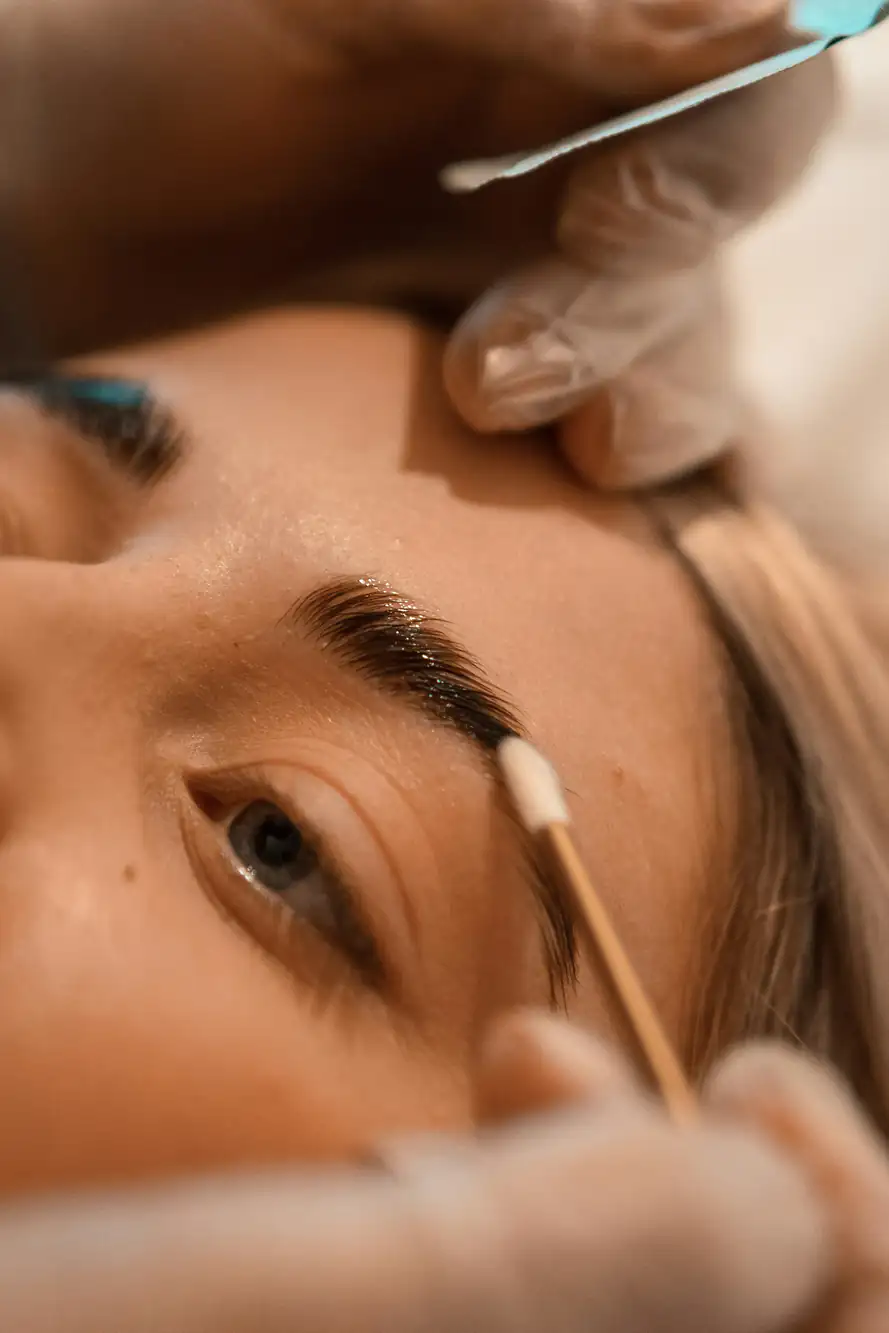
Microblading typically lasts between 12 and 18 months, depending on your skin type, lifestyle, and how well you follow aftercare. Oily skin tends to fade faster because the pigment doesn’t hold as long in larger pores.
You’ll need a touch-up appointment about six weeks after your initial session. This is normal and included in most treatment plans. It’s not because something went wrong—it’s because your skin is healing and some areas may need reinforcement.
After that, most people come back once a year or every 18 months to keep their brows looking fresh. It’s not a monthly commitment. It’s a once-in-a-while refresh that keeps you looking polished without the daily work.
Most people say it’s uncomfortable but not unbearable. You’ll feel a scratching or scraping sensation, kind of like someone lightly dragging a blade across your skin. Numbing cream is applied before and during the procedure to minimize discomfort.
Out of over 3,500 clients surveyed, 81% rated the pain at a 5 or below on a 10-point scale. Some people barely feel it. Others are more sensitive, especially if they’re anxious or it’s their first time.
If you have a low pain tolerance, let your technician know. There are ways to make you more comfortable, and the process moves quickly. The discomfort is temporary. The results last over a year. That’s the trade-off, and most people say it’s worth it.
Microblading uses a manual blade to create individual hair-like strokes. It’s great if you want a natural, feathered look and you have normal to dry skin. The strokes mimic real brow hairs and blend right in.
Nano brows use a machine with an ultra-fine needle to create even more precise strokes. The results are hyper-realistic, and the technique is gentler on the skin, which means better retention and less trauma. This is trending heavily in 2025 because the results look incredibly natural.
Powder brows also use a machine, but instead of strokes, you get a soft, shaded effect that looks like you filled in your brows with powder. It’s ideal for oily skin or anyone who wants a bolder, more defined look. Powder brows tend to last a bit longer than microblading.
All three are semi-permanent. All three are customized. The best option depends on your skin type, lifestyle, and the look you’re going for. That’s what the consultation is for.
Most people are good candidates for microblading, but there are exceptions. If you have very oily skin, the pigment may not hold as well because oil breaks down the strokes faster. In that case, powder brows or nano brows might be a better fit.
If you have certain skin conditions like eczema, psoriasis, or active acne in the brow area, you may need to wait until your skin is stable. Same goes if you’re pregnant, breastfeeding, or on certain medications like blood thinners or Accutane.
During your free consultation, we’ll assess your skin, ask about your medical history, and let you know what’s realistic. If microblading isn’t the right option, we’ll tell you that upfront. We’re not going to take your money and give you a result that won’t last or could cause complications. That’s not how we work.
Right after your appointment, your brows will look darker and more defined than the final result. That’s normal. Over the next 7 to 10 days, they’ll scab lightly and start to flake. Don’t pick at them. Let them heal naturally.
You’ll need to keep your brows dry during this time. That means no sweating, no swimming, no long showers where water is running over your face. You also can’t wear makeup on or around your brows while they heal.
After about two weeks, the color will have softened and settled into a more natural tone. Some areas may look patchy or uneven—that’s why the six-week touch-up exists. We’ll fill in anything that didn’t take as well during the first session.
Once you’re fully healed, your brows are good to go. You can get them wet, work out, wear makeup, do whatever you normally do. The pigment is set, and you’re living with the results you signed up for.
Because you’re not just getting microblading. You’re getting someone who’s won international awards for this exact skill. Jacqueline Grace placed first and second in the Pigmentation Artist of the Year category at The Skin Games, and she’s been named Best Esthetician in Wake County three years in a row.
She’s also HydraFacial Master Certified, which puts her in the top 100 practitioners worldwide. That level of training and recognition doesn’t happen by accident. It happens because the work is consistent, the results are real, and clients keep coming back.
You’re also working with a clinic that’s backed by a respected medical director and uses only sterile, disposable tools and high-quality pigments. In a state where microblading requires no mandatory training, that matters. You’re not rolling the dice on someone who took a weekend course. You’re working with a professional who’s been doing this at a high level for years and has the credentials to prove it.