Hear from Our Customers
You stop reaching for the brow pencil before you’ve even had coffee. You stop worrying about smudging at the gym or sweating through your makeup on humid North Carolina days. Your mornings get shorter, your confidence gets stronger, and your face finally has the symmetry and definition you’ve been drawing on for years.
Microblading gives you brows that look hand-drawn but don’t wash off. The results are semi-permanent, which means they fade naturally over 12 to 18 months depending on your skin type and lifestyle. You’re not locked into anything forever, but you also don’t have to start from scratch every single day.
And if your brows are sparse from over-plucking, aging, or medical conditions like alopecia, microblading fills in those gaps with hairlike strokes that blend seamlessly with what you already have. It’s not about following a trend. It’s about waking up looking like yourself on your best day.
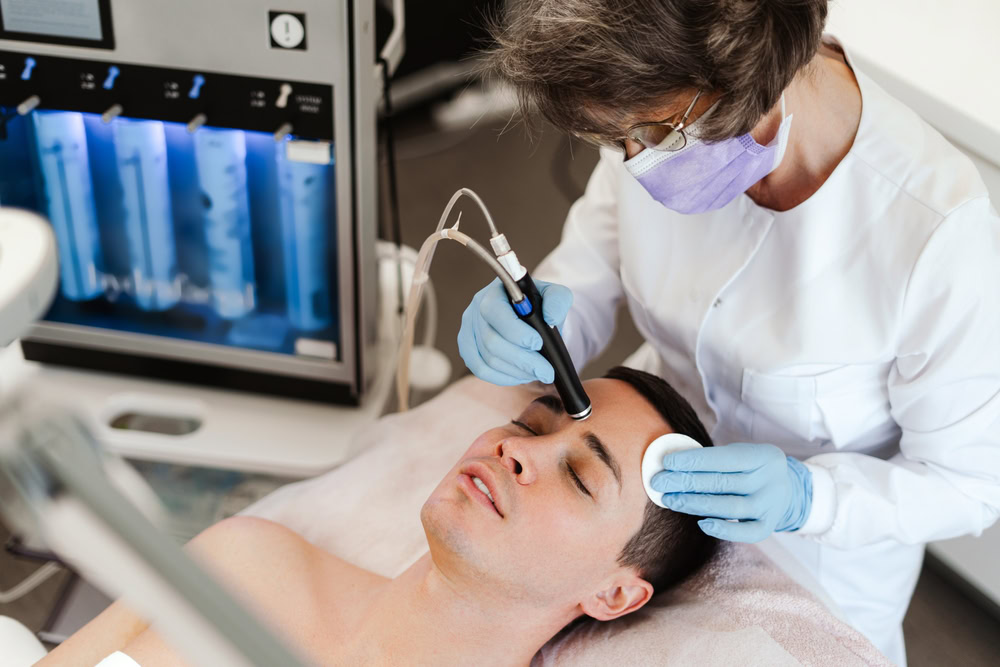
We’re not new to this. Our founder, Jacqueline Grace, has been named Best Esthetician in Wake County three years running and has earned international recognition at The Skin Games, taking first place in Pigmentation Artist of the Year. She’s also one of fewer than 100 practitioners worldwide to hold HydraFacial Master Certification.
That’s not bragging. That’s proof that our work holds up under scrutiny. When you’re letting someone tattoo your face, you want to know they’ve done it hundreds of times before—and done it well.
Middlesex is a small town, and word travels fast. We’ve built our reputation serving clients across Wake County with the kind of care that keeps people coming back and referring their friends. You’re not a number here. You’re someone who deserves brows that actually fit your face.
You start with a free consultation where Jacqueline maps out your brows based on your bone structure, facial symmetry, and personal preferences. This isn’t a one-size-fits-all stencil. Every face is different, and your brows should reflect that.
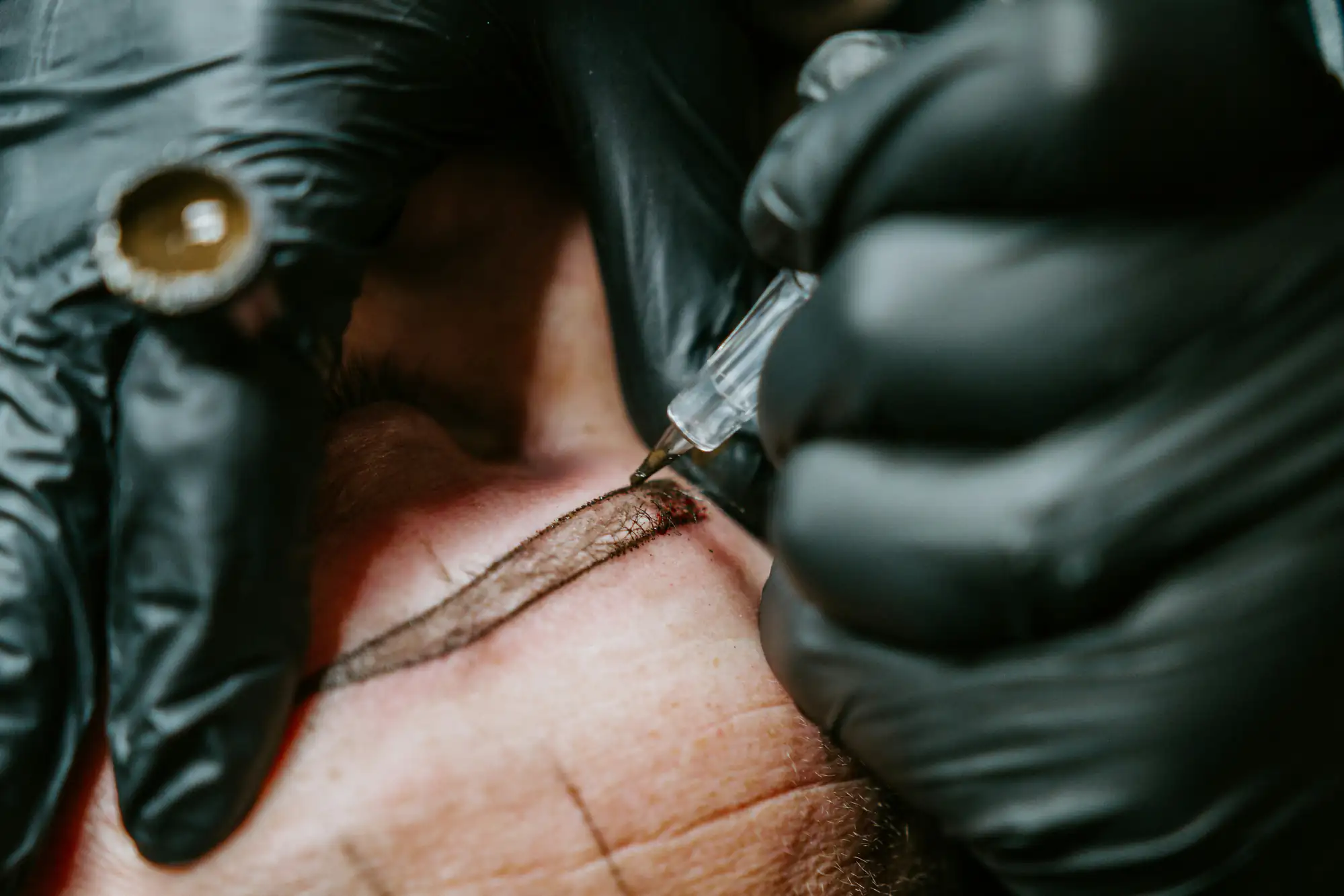
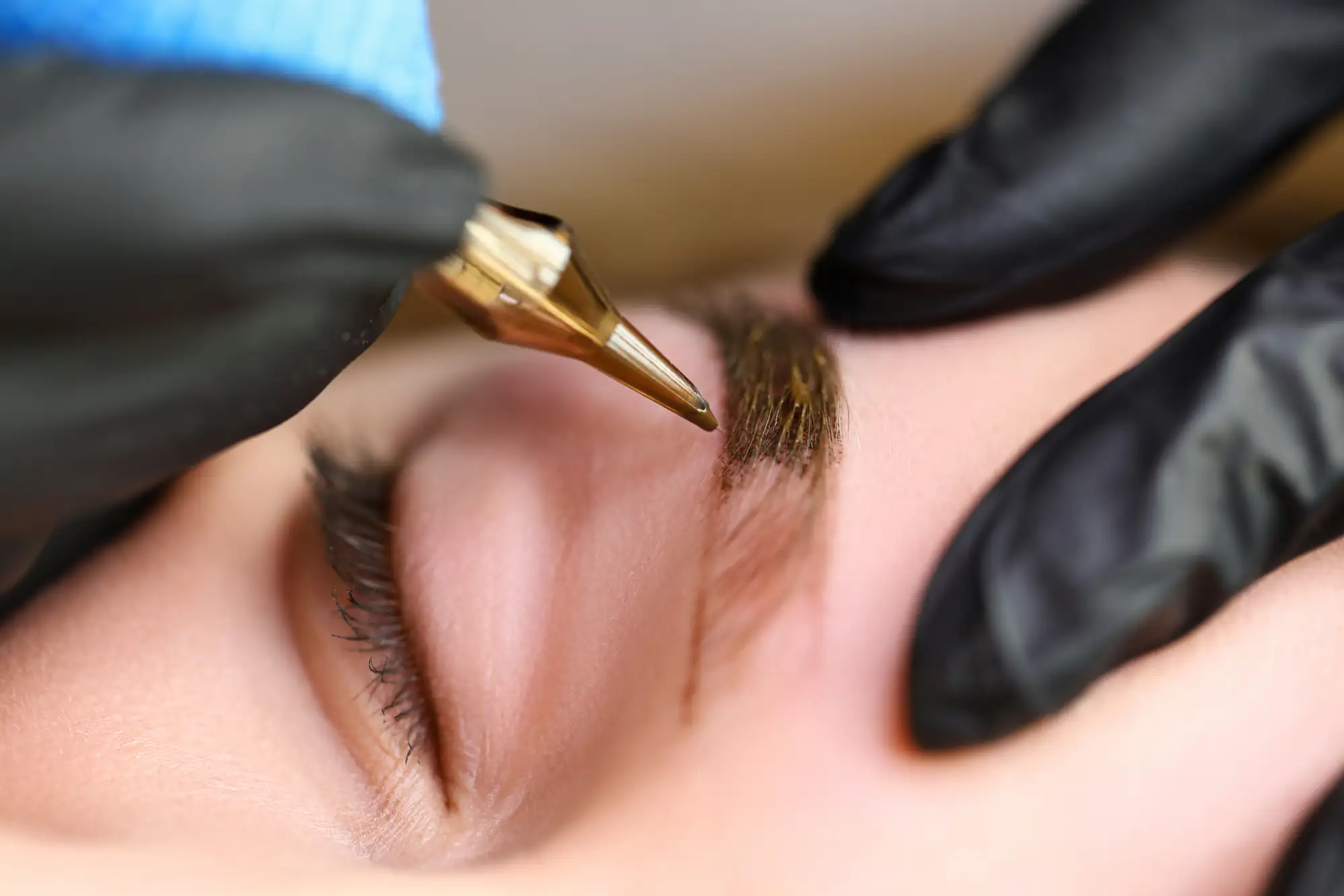
Once the shape is finalized and you’ve approved it, a topical numbing cream is applied to minimize discomfort. Then, using a manual microblade tool, Jacqueline creates fine, hairlike strokes in the upper layers of your skin and deposits pigment that matches your natural brow color. The whole process takes about two hours.
Your brows will look darker for the first week as they heal. That’s normal. The color softens significantly as the skin regenerates, and by week two, you’ll see the true result. A touch-up appointment six to eight weeks later ensures everything has settled evenly and allows for any adjustments. After that, you’re set for over a year.

Ready to get started?
Microblading isn’t the only option, and it’s not always the best one depending on your skin type. If you have oily skin, large pores, or mature skin, nano brows or powder brows might give you better longevity and a softer finish.
Nano brows use a digital machine to create ultra-fine strokes that mimic natural hairs, but they tend to last longer than traditional microblading because the pigment is implanted more consistently. Powder brows, on the other hand, create a soft, filled-in look similar to brow powder makeup. It’s ideal if you want more density or if your natural brows are very sparse.
We offer all three techniques, and Jacqueline will walk you through which one makes the most sense for your goals, skin type, and lifestyle. Our Middlesex clients often appreciate the low-maintenance aspect of powder brows, especially if they’re used to filling in their brows daily. Others prefer the natural texture of microblading or nano brows. There’s no wrong answer—just the right fit for you.
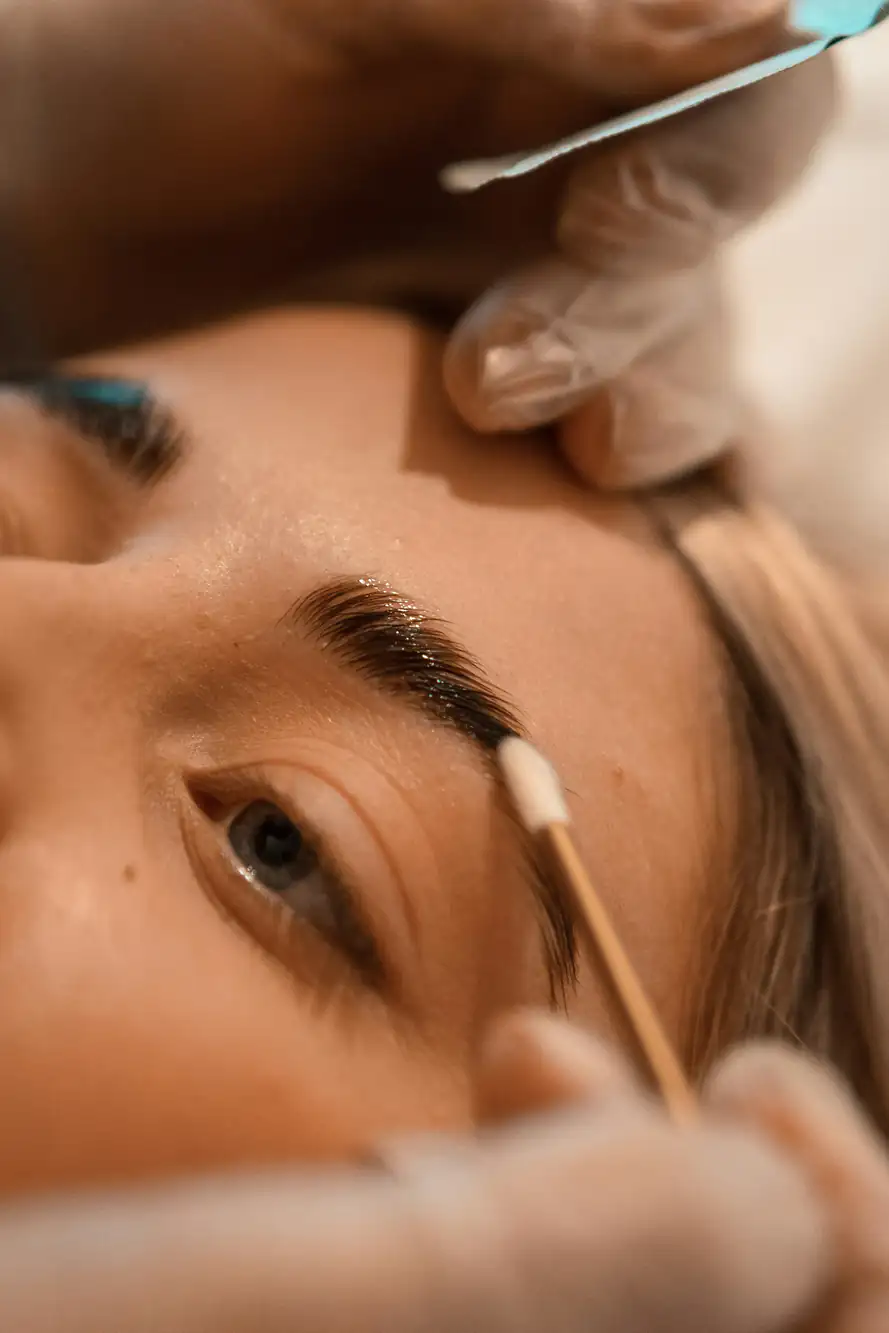
Most people describe microblading as uncomfortable but not painful. Before the procedure starts, a topical numbing cream is applied and left on for about 20 minutes, which significantly reduces sensation. During the actual microblading, you might feel light scratching or pressure, but it’s not sharp or unbearable.
Some areas of the brow are more sensitive than others, particularly near the inner corners and tail ends. If you start to feel more discomfort during the session, we can apply additional numbing. The goal is to keep you comfortable enough to sit still so the strokes can be precise.
After the appointment, your brows may feel slightly tender or tight for a day or two, similar to a mild sunburn. There’s no throbbing or intense pain. Most clients go right back to their normal routine without needing any downtime or pain relief.
Microblading typically lasts between 12 and 18 months, but that range depends heavily on your skin type, age, lifestyle, and how well you care for your brows during the healing process. Oily skin tends to break down pigment faster because the natural oils push the ink out more quickly. If that’s you, you might be closer to the 12-month mark.
Sun exposure, exfoliating products, and retinol can also speed up fading. If you’re using active skincare ingredients around your brows or spending a lot of time outdoors without sunscreen, expect the pigment to lighten sooner. On the flip side, clients with drier skin and minimal sun exposure often see their results last well beyond a year.
We recommend touch-ups annually to keep your brows looking fresh. The pigment doesn’t disappear overnight—it fades gradually, so you’ll have time to decide if you want to refresh them or let them fade completely. You’re never stuck with a look you don’t want.
Microblading is a form of semi-permanent tattooing, but it’s very different from the traditional eyebrow tattoos you might be picturing. Old-school brow tattoos used a machine to implant ink deep into the skin, which often resulted in a solid, blocky shape that turned blue or gray over time. That’s not what happens with modern microblading.
Microblading uses a manual handheld tool to create individual hairlike strokes in the upper dermal layer of the skin. The pigment is specifically formulated to fade naturally without changing color. The strokes are designed to mimic real brow hairs, so the result looks soft and realistic—not drawn on or artificial.
The depth of pigment placement also matters. Microblading stays shallow, which is why it fades over time instead of becoming permanent. Traditional tattoos go deeper, which is why they last forever but also why they can look harsh or outdated as trends and your face change. Microblading gives you the benefits of tattooing without the lifetime commitment.
Yes, and that’s actually one of the most common reasons people seek out microblading. If your brows are thin from over-plucking, aging, chemotherapy, alopecia, or trichotillomania, microblading can recreate the appearance of natural hair where there isn’t any. The strokes are placed strategically to fill gaps and add density without looking obvious.
During your consultation, Jacqueline will assess how much natural hair you have and where the sparse areas are. She’ll then design a shape that works with your existing brows and complements your facial structure. Even if you have very little to work with, microblading can create a full, balanced look.
The key is realistic expectations. Microblading won’t give you Instagram brows if your natural brows are very fine or light. But it will give you definition, shape, and the appearance of fullness that looks believable and age-appropriate. That’s often more valuable than dramatic brows that don’t suit your face.
The first ten days after microblading are critical for how well the pigment sets and how your brows heal. You’ll need to keep them dry, which means no sweating, swimming, or long showers where water runs directly over your face. Moisture can pull the pigment out before it’s had a chance to settle into the skin.
You’ll also need to avoid touching, picking, or scratching your brows as they heal. They’ll scab lightly and may itch, but interfering with that process can cause pigment loss and uneven results. We’ll provide a thin layer of aftercare ointment to keep the area moisturized without overdoing it.
Stay away from retinol, exfoliants, and any active skincare ingredients near your brows for at least two weeks. Also skip makeup on or around the treated area until the skin has fully healed. Sun exposure should be minimized, and if you’re outside, wear a hat. Following these guidelines makes a significant difference in how your brows look once they’ve settled.
Microblading works beautifully on normal to dry skin, but if you have very oily skin or large pores, the results may not last as long or look as crisp. Oil breaks down the pigment faster, and the strokes can blur slightly over time. That doesn’t mean you can’t get microblading—it just means you might need more frequent touch-ups or a different technique like nano brows or powder brows.
Mature or thin skin can also be tricky because the skin doesn’t hold pigment as predictably. In those cases, a combination approach or a softer powder technique often yields better results. If you’re on certain medications like blood thinners or Accutane, microblading may not be recommended at all until you’ve been off them for a specific period.
That’s why the consultation matters. Jacqueline evaluates your skin in person, asks about your health history and skincare routine, and recommends the best approach based on what will actually work for you. You’re not pushed into a service that isn’t a good fit. You’re given honest guidance so your investment pays off.