Hear from Our Customers
You wake up with defined, symmetrical brows. No mirror time spent trying to make them match. No wondering if they’ll hold up through your workout, the pool, or a long day in the heat.
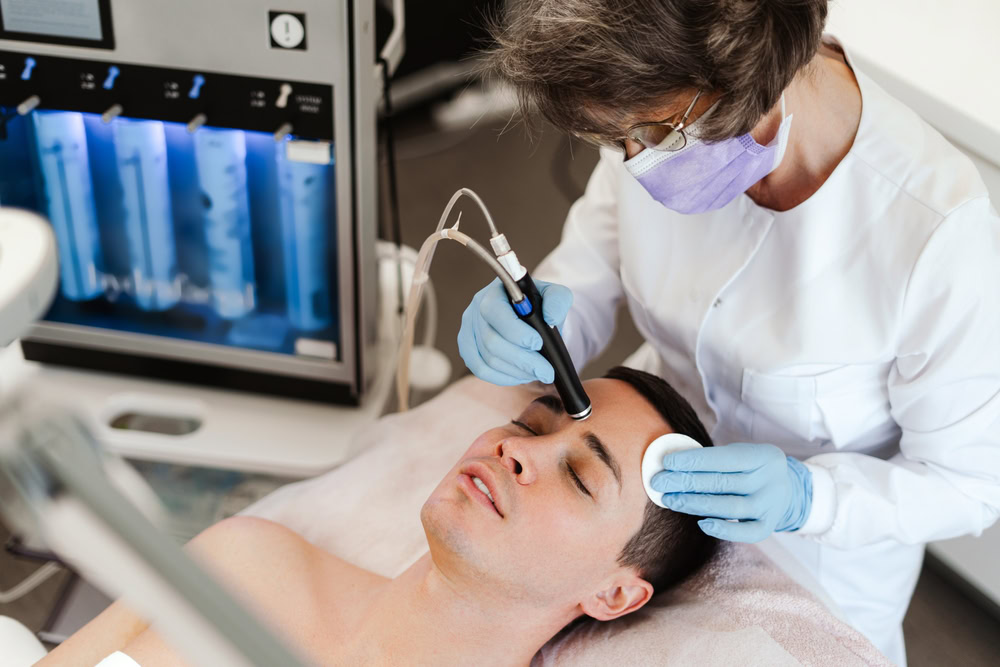
Microblading creates semi-permanent brows using tiny, hair-like strokes that mimic your natural eyebrow hair. The pigment sits in the upper dermis layer, which means results last 12 to 18 months before needing a touch-up. You’re not drawing them on anymore—you’re just living with them.
Most clients walk out seeing immediate results. There’s some initial darkening during the healing phase, but within two weeks, you’ll see the final shape and color settle in. And because the strokes are customized to your face shape, skin tone, and natural brow pattern, the outcome looks like your brows—just fuller, more balanced, and always ready.
Wake Skincare is led by Jacqueline Grace, a licensed esthetician who’s been named Best Esthetician in Wake County three years running. She also took first place in the Pigmentation Artist of the Year category at The Skin Games, an international competition that doesn’t hand out participation trophies.
We’re HydraFacial Master Certified, which puts us among the top practitioners worldwide. But what matters more than the plaques is this: we’ve worked with hundreds of clients across Wake County—including Moncure—who wanted natural-looking brows without the daily maintenance or the risk of looking overdone.
Moncure clients appreciate straightforward service. You’re not far from Wake Forest, but you also don’t want to waste time driving around for consultations that go nowhere. That’s why we start every appointment with a free evaluation to map your brows, match your tone, and make sure you’re clear on what to expect before any blade touches your skin.
Your first visit starts with a consultation. We analyze your natural brow shape, discuss what you want to change or enhance, and map out a shape that complements your bone structure and face proportions. You’ll see the outline before we begin, and we don’t move forward until you approve it.
Next comes numbing. A topical anesthetic is applied to minimize discomfort. Most people compare the sensation to eyebrow plucking—not painless, but manageable. Over 3,500 clients rated it a 5 or lower on a 10-point pain scale, so it’s not the nightmare some expect.
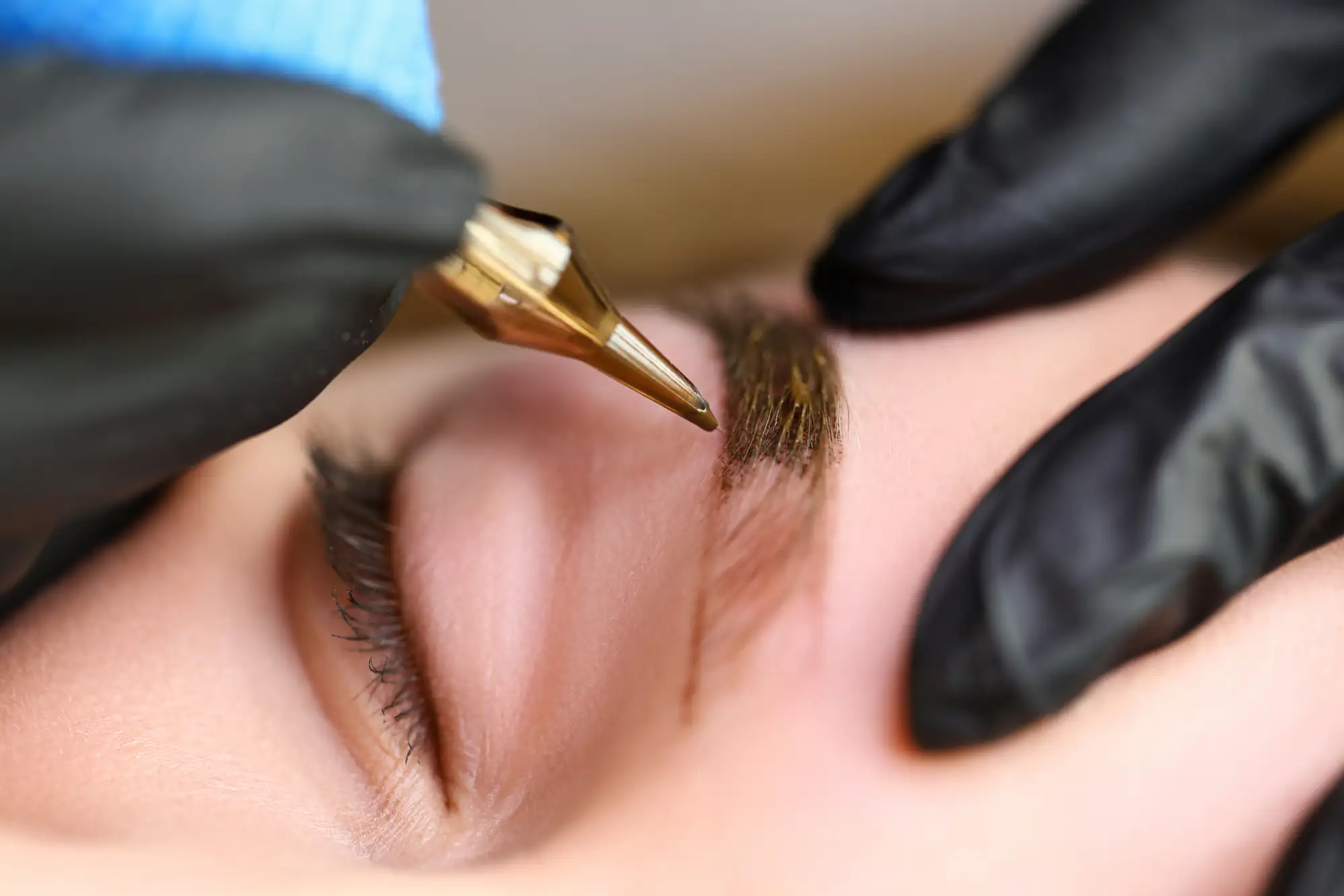
The actual microblading takes about 90 minutes to two hours. We use a manual blade to create fine, hair-like incisions and deposit organic pigment into the skin. Each stroke is placed individually to mimic the direction and thickness of real brow hairs. You’ll leave with darker brows than the final result—that’s normal. The color softens as your skin heals over the next 10 to 14 days.
A follow-up session happens around six to eight weeks later. This is where we fill in any areas that didn’t retain pigment as expected and refine the shape. After that, you’re set for a year or more depending on your skin type, lifestyle, and how well you follow aftercare.

Ready to get started?
Microblading isn’t one-size-fits-all. Some clients want a soft, natural fill. Others are dealing with hair loss from alopecia or chemotherapy and need full reconstruction. We also offer nano brows and powder brows for clients who want a slightly different finish—nano brows use even finer strokes for ultra-realistic hair simulation, while powder brows create a soft, shaded look similar to filled-in makeup.
Your service includes the initial session, a follow-up appointment, and a personalized aftercare plan. We don’t use cookie-cutter stencils. Every brow is drawn by hand based on your unique features, so the arch height, tail length, and thickness are designed specifically for your face.
Moncure is a smaller community, and a lot of clients here value low-key results. You don’t want people asking if you got work done—you just want to look like yourself on a good day, every day. That’s the goal. According to a 2023 survey, 70% of people said they’d feel more confident if their brows looked perfect all the time. Microblading delivers that without the theatrics.
The cost typically runs between $250 and $850 depending on the artist’s experience and your location. We’re transparent about pricing during your consultation, and we don’t upsell you on things you don’t need. You’re paying for skill, safety, and results that last—not just the appointment itself.
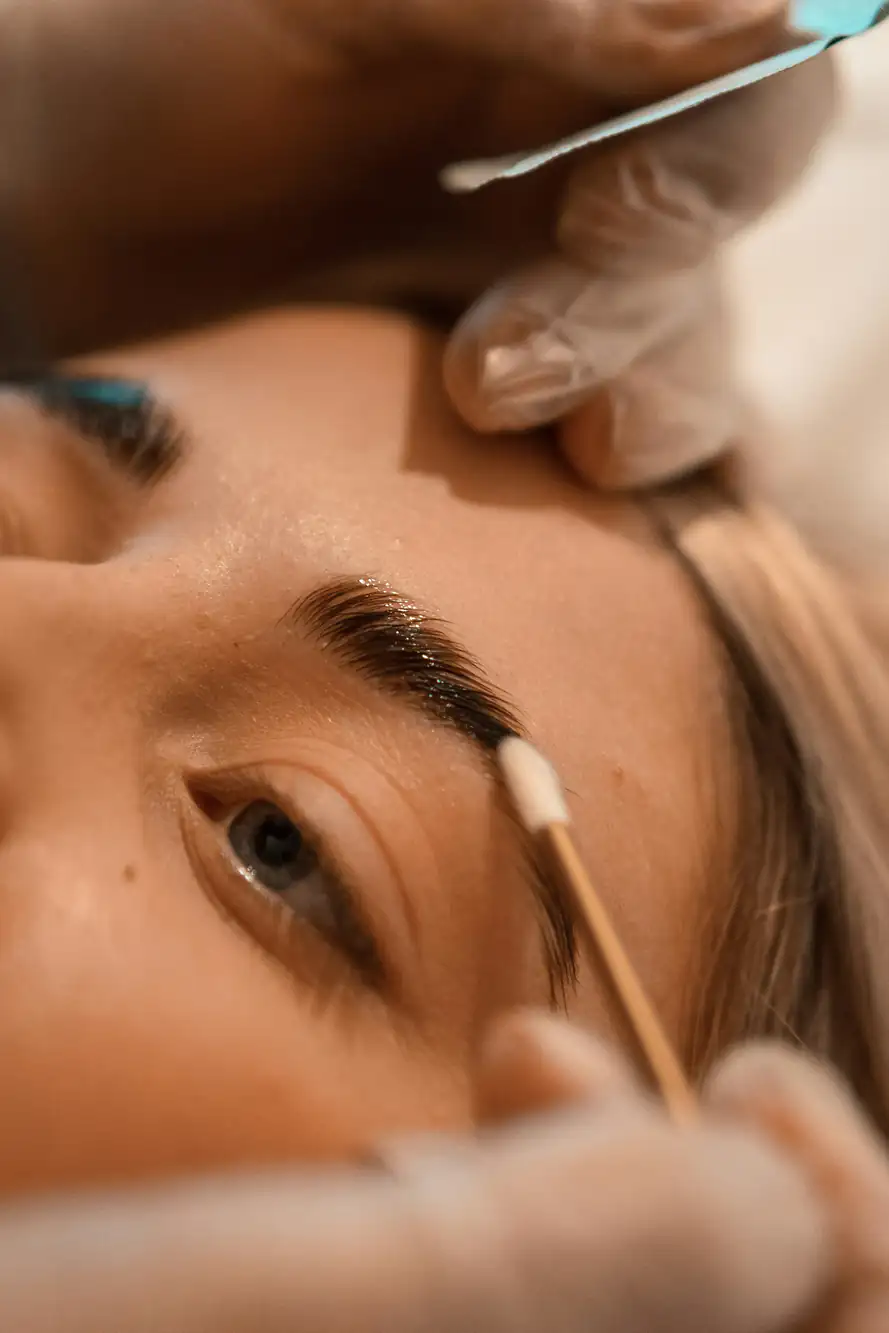
Most people feel pressure and some scratching, but it’s not the kind of pain that makes you want to stop. We apply a topical numbing cream before starting, which takes the edge off significantly.
In a survey of over 3,500 clients, 81% rated their discomfort at a 5 or below on a scale of 10. The sensation is often compared to eyebrow threading or tweezing—annoying, but short-lived. Some areas of the brow are more sensitive than others, especially near the arch, but the process moves quickly.
If you have a low pain tolerance, let us know upfront. We can reapply numbing cream during the session if needed. The discomfort doesn’t linger after the appointment. You might feel a little tenderness for a few hours, similar to a mild sunburn, but nothing that requires pain medication.
Microblading typically lasts 12 to 18 months, but that timeline varies based on your skin type, age, lifestyle, and how well you follow aftercare. Oily skin tends to break down pigment faster than dry skin. Sun exposure, exfoliating products, and certain skincare ingredients like retinol can also fade the strokes sooner.
You’ll need a touch-up session about six to eight weeks after your initial appointment. This isn’t optional—it’s part of the process. Your skin won’t retain 100% of the pigment on the first pass, so the follow-up fills in any gaps and deepens the color where needed.
After that, most clients come back once a year for a refresh. Some stretch it to 18 months. The brows don’t disappear overnight—they gradually lighten. You’ll notice the strokes getting softer and less defined, which is your cue to book a maintenance session. If you wait too long, we may need to start over rather than just touch up.
Microblading uses a manual blade to create individual hair-like strokes. It’s ideal if you want a natural, textured look that mimics real brow hairs. The strokes are visible up close, which is the point—they’re meant to blend with your existing brows and fill in sparse areas.
Nano brows use a machine with an ultra-fine needle to create even more precise hair strokes. The lines are thinner and crisper than traditional microblading, which works well for clients with very fine natural hair or those who want maximum realism. The healing process is similar, but nano brows tend to last slightly longer because the pigment is implanted more consistently.
Powder brows create a soft, shaded effect that looks like you filled in your brows with powder or pencil. Instead of individual strokes, the pigment is applied in tiny dots to build up color and dimension. This technique works better for oily skin types because it holds up longer than hair strokes, and it’s a good option if you want a more polished, makeup-like finish. All three techniques can be customized or even combined depending on what you’re starting with and what you want to achieve.
Microblading is safe when performed by a licensed professional using sterile tools and high-quality pigments. The risks are low, but they’re not zero. Infection is possible if aftercare instructions aren’t followed or if the procedure is done in an unregulated environment. That’s why choosing a licensed esthetician matters.
Allergic reactions to pigment are rare but can happen. We use organic, hypoallergenic pigments and can do a patch test if you have a history of skin sensitivities. Some people experience minor swelling or redness immediately after the procedure, but that usually resolves within a few hours.
The bigger risk is poor technique. If the strokes are placed too deep, the pigment can blur or migrate, leaving you with brows that look smudged or unnatural. If they’re too shallow, the color won’t hold. If the shape is wrong, you’re stuck with it until it fades. That’s why experience and certification matter more than price. We’ve been doing this long enough to know how different skin types heal, how pigment behaves over time, and how to create a shape that actually fits your face.
Yes. Microblading works for people with thinning brows, over-plucked brows, gaps from scarring, or complete brow loss due to alopecia or chemotherapy. The technique is designed to build brows from scratch if needed, not just enhance what’s already there.
If you have very few natural hairs, we’ll map out a full brow shape based on your bone structure and facial proportions. The strokes are placed to mimic natural hair growth patterns, so even if you’re starting with a blank canvas, the result still looks real. Clients who’ve lost their brows due to medical conditions often say microblading helps them feel like themselves again without drawing attention to what they’ve been through.
The process is the same whether you have sparse brows or none at all. The difference is in the density and placement of strokes. We may recommend combining microblading with powder shading if you need more coverage, but that’s something we’ll discuss during your consultation. The goal is always the same: brows that look natural, frame your face, and don’t require you to think about them every morning.
Aftercare isn’t complicated, but skipping steps can ruin your results. For the first 10 days, keep your brows dry. That means no sweating, no swimming, no long showers where water runs directly over your face. Moisture interferes with healing and can cause the pigment to lift unevenly.
Don’t pick at the scabs. Your brows will flake as they heal—that’s normal. Peeling off the dry skin pulls out pigment and creates patchy spots that won’t fill in on their own. Let it fall off naturally. You’ll also need to avoid makeup, skincare products, and sunscreen on the brow area until healing is complete.
After the first week and a half, you can return to your normal routine, but long-term care matters too. Retinol, glycolic acid, and other exfoliating ingredients will fade your brows faster, so keep those products away from the area. Sunscreen is fine after healing, and it actually helps preserve the color. Most people find aftercare easy once they get through the first two weeks. It’s not a lifestyle change—it’s just a temporary adjustment that protects your investment.