Hear from Our Customers
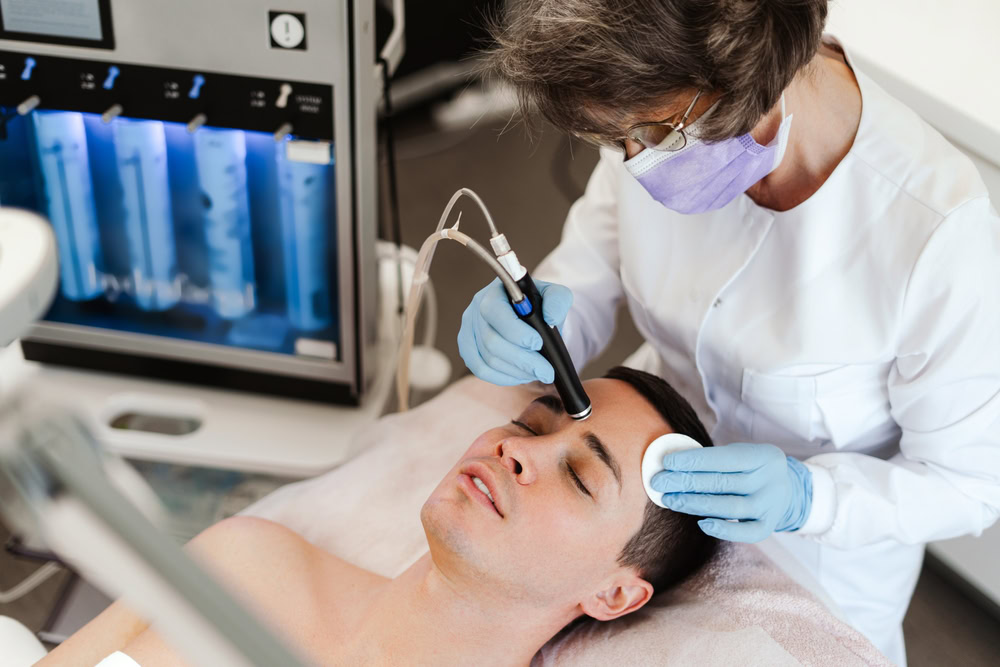
You’re spending 10 minutes every morning trying to get your eyebrows even. One’s thicker than the other. The shape changes depending on your mood or how steady your hand is that day. By noon, if you’ve touched your face or gotten caught in the rain, you’re checking the mirror again.
Microblading removes that entire routine. You get hair-like strokes that match your natural brow pattern, customized to your face shape and coloring. The pigment sits in the upper dermis layer, so it looks like real hair growing from your skin—not drawn on, not blocky, not obvious.
The results last one to three years depending on your skin type and lifestyle. You’ll need a touch-up around six weeks after your initial session to perfect the shape and fill in any areas where pigment didn’t take as well. After that, you’re looking at annual or biannual maintenance to keep them looking fresh.
You wake up with defined brows. You go to the gym with defined brows. You swim, you sweat, you sleep—nothing smudges. That’s the difference.
We’re led by Jacqueline Grace, a licensed esthetician who’s been named Best Esthetician in Wake County three years running. She’s also earned first place in the Pigmentation Artist of the Year category at The Skin Games, an international aesthetics competition that draws top practitioners from across the globe.
We hold HydraFacial Master Certification, which places us among the top-tier providers worldwide. That same standard applies to every service we offer, including microblading and other semi-permanent makeup techniques like nano brows and powder brows.
Pittsboro clients come to us because they want precision and consistency. The consultation is free, one-on-one, and focused entirely on your face—not a template or a trend. You’re not getting cookie-cutter brows. You’re getting a shape that fits your bone structure, your natural hair growth, and your daily life.
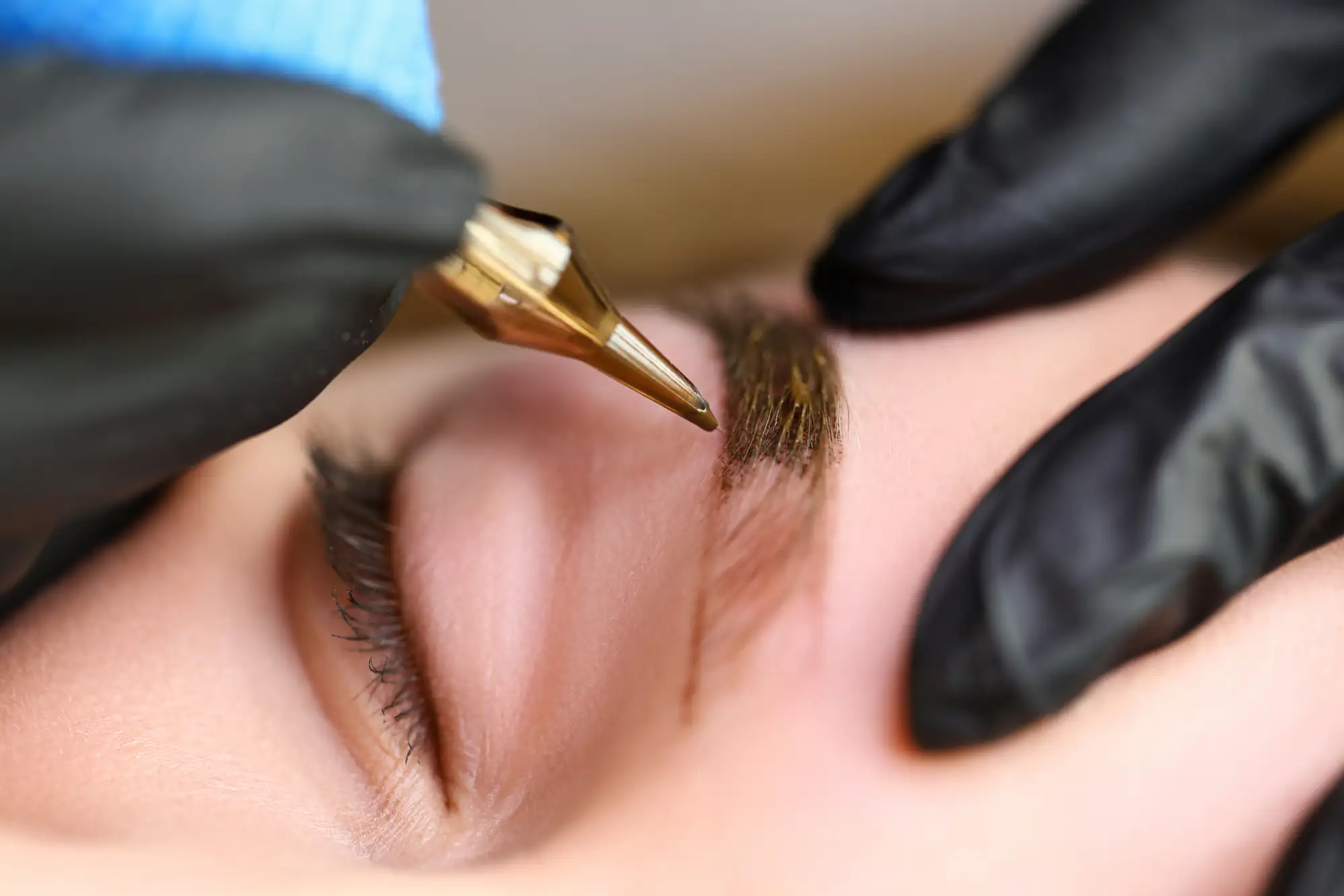
Your first step is a consultation. You’ll sit down with Jacqueline to talk through what you want, what’s realistic for your skin and brow area, and what the healing process looks like. She’ll map out your brows using precise measurements based on your facial symmetry—this is where the customization happens.
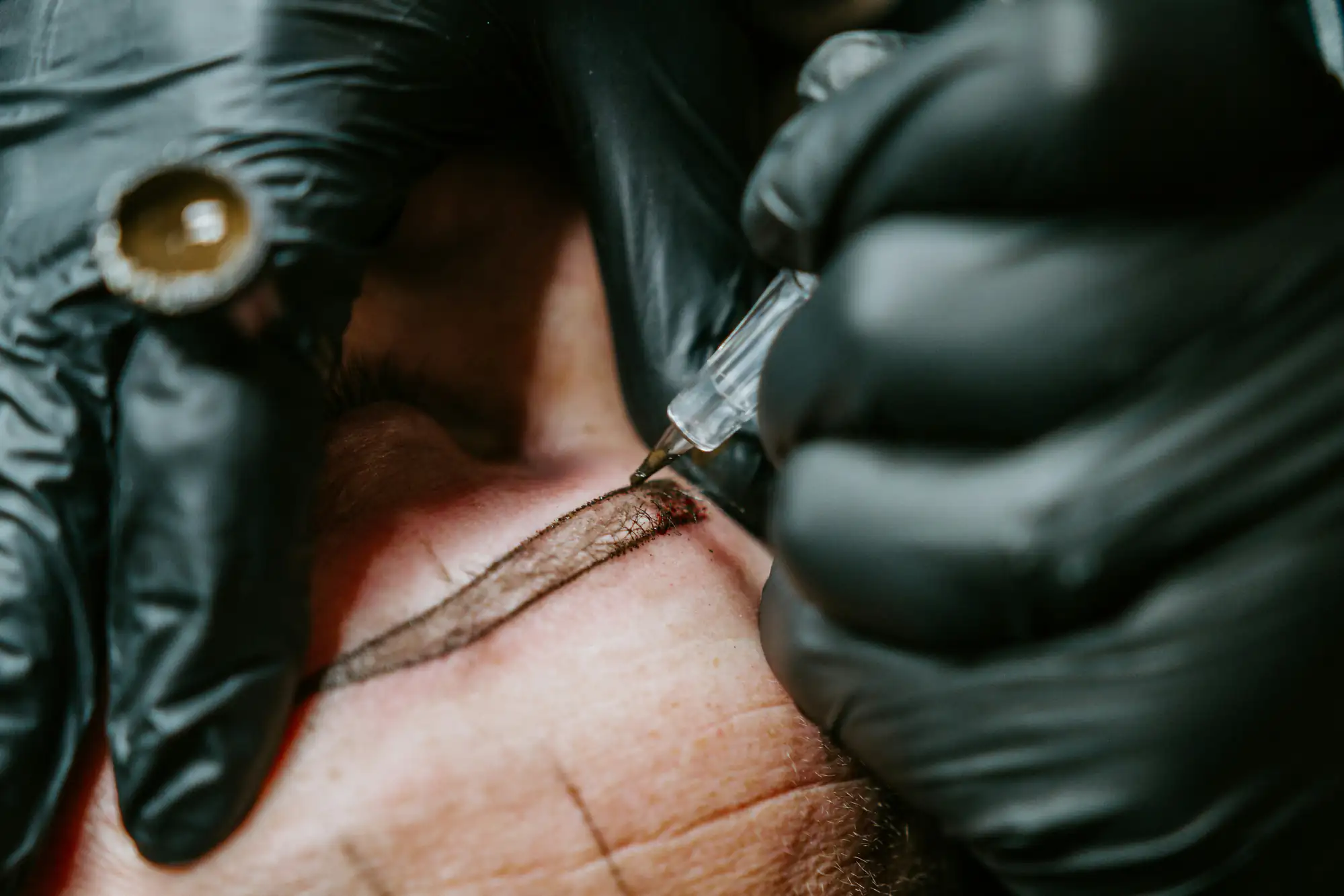
Once the shape is approved, a topical numbing cream is applied. Most people feel pressure but not pain. The microblading tool uses a fine blade to create small, shallow cuts in the skin, and pigment is deposited into each stroke. The whole process takes about two hours.
Your brows will look darker and more defined immediately after the appointment. That’s normal. Over the next 7 to 10 days, they’ll scab lightly and flake as they heal. The color will soften by about 30-40%, settling into a natural tone that blends with your existing hair.
You’ll come back around six weeks later for a touch-up session. This is where any gaps get filled in and the shape gets refined. After that, your brows are set. You’ll need to avoid water, sweat, makeup, and sun exposure on the area during the initial healing window, but once that’s done, they’re virtually maintenance-free.

Ready to get started?
Microblading gives you semi-permanent eyebrows using a manual hand tool and pigment that mimics natural hair. It’s not the same as tattooed eyebrows—the pigment doesn’t go as deep, and the strokes are finer and more controlled. You can also explore nano brows, which use an even finer needle for ultra-realistic detail, or powder brows, which create a soft, filled-in look similar to makeup.
Each service includes a full consultation, custom brow mapping, numbing, the procedure itself, and aftercare instructions. You also get a follow-up touch-up session six weeks later, which is critical for locking in the shape and color.
Pittsboro and the surrounding Wake County area have seen growing demand for these services, especially among professionals who want a polished look without the daily time investment. The market here leans toward natural results—not Instagram brows, not overly bold arches. Clients want brows that look like they were born with them.
That’s exactly what this process delivers. The pigment is matched to your natural or desired hair color. The shape follows your bone structure. The strokes are placed in the direction your hair grows. It’s detailed work, and it requires both artistry and technical skill to get it right.
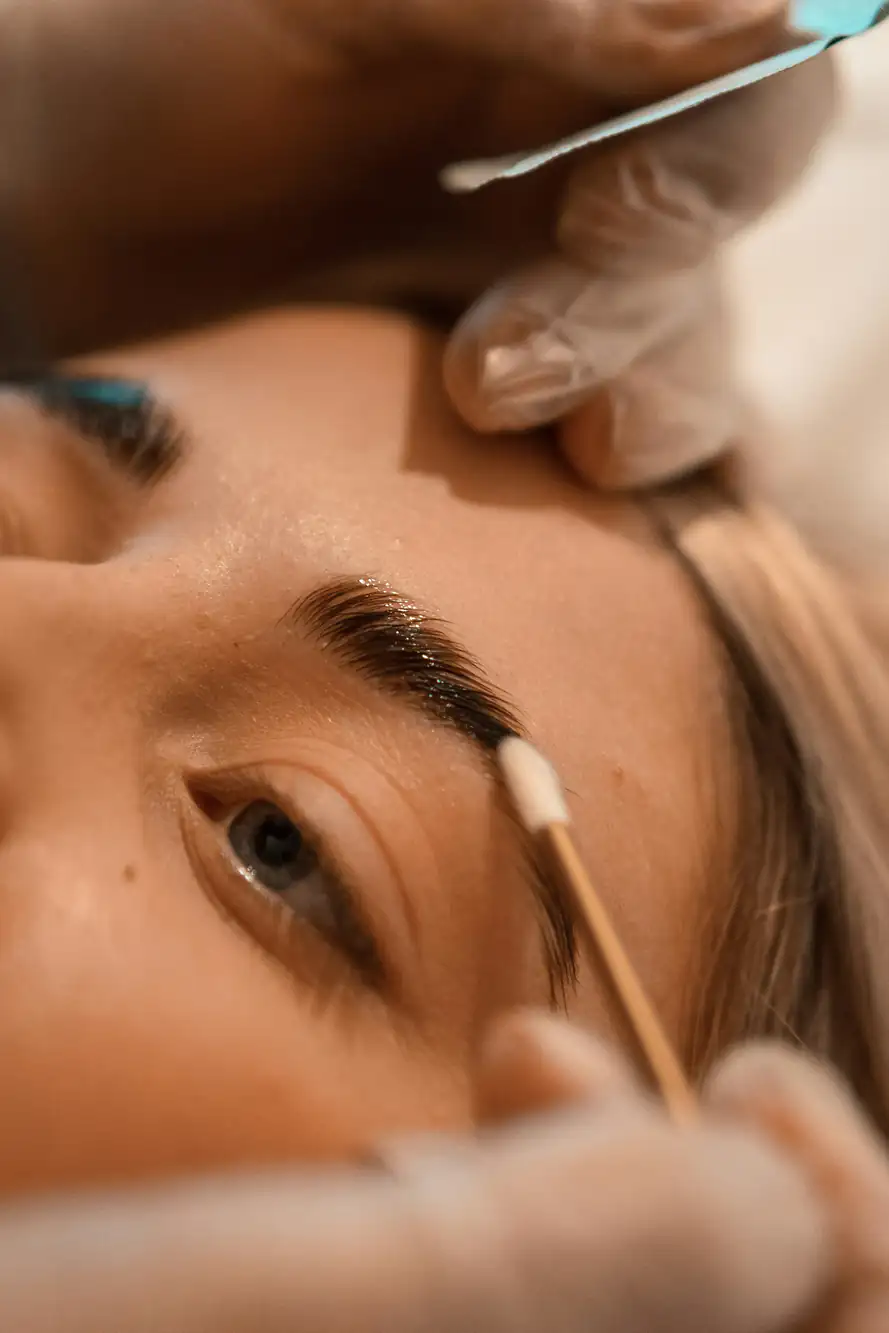
Most people describe microblading as uncomfortable but not painful. You’ll feel a scratching or pressure sensation during the procedure, but we apply topical numbing cream beforehand to minimize discomfort.
Pain tolerance varies from person to person. Some clients feel almost nothing. Others are more sensitive, especially if they’re getting work done closer to the tail of the brow where the skin is thinner. The numbing cream takes about 20-30 minutes to kick in, and we reapply it as needed throughout the session.
After the appointment, there’s usually no pain—just tightness or slight tenderness, similar to a mild sunburn. That fades within a day or two. The itchiness during healing is often more annoying than the procedure itself, but you can’t scratch or pick at the area or you’ll disrupt the pigment.
Microblading typically lasts one to three years, depending on your skin type, lifestyle, and how well you follow aftercare. Oily skin tends to break down the pigment faster, so you might need touch-ups closer to the one-year mark. Drier skin holds pigment longer.
Your first touch-up happens six weeks after the initial session. This isn’t optional—it’s part of the process. During healing, some areas may lose pigment or fade unevenly, and the touch-up corrects that. It also gives you a chance to adjust the shape or intensity if needed.
After that, most clients come back every 12 to 18 months for a refresh. You’ll notice the strokes start to fade gradually, and the color lightens. The brows don’t disappear overnight—they just lose definition over time. A quick maintenance session brings them back to full strength.
Microblading uses a manual blade to create hair-like strokes. It’s ideal if you want a natural, feathered look and have normal to dry skin. The strokes mimic real brow hairs, and the result is soft and realistic.
Nano brows use a machine with an ultra-fine needle to create even more precise strokes. The technique is similar to microblading but offers better control and works well on oily or sensitive skin. The pigment tends to last a bit longer, and the healed result is slightly softer.
Powder brows, on the other hand, create a filled-in, makeup-like finish. Instead of individual strokes, the pigment is applied in tiny dots that blend together to form a gradient. It’s perfect if you want more definition or if your natural brows are very sparse. Powder brows also tend to last longer than microblading because the technique deposits pigment more evenly.
Aftercare is critical. For the first 7 to 10 days, you need to keep the area dry. That means no sweating, no swimming, no long showers where water runs directly over your brows. You also can’t wear makeup on or around the treated area.
We’ll give you an aftercare ointment to apply lightly once or twice a day. Don’t over-apply—too much moisture can cause the pigment to blur or fade prematurely. The brows will scab and flake naturally. Do not pick at them. Let the skin heal on its own.
Avoid direct sun exposure and don’t use any exfoliating products, retinol, or acids near your brows during the healing period. After the first 10 days, you can resume normal activities, but you should still use SPF on your brows when you’re outside. Sun exposure is one of the fastest ways to fade the pigment long-term.
Yes. Microblading is one of the most effective ways to restore fullness to sparse or over-plucked brows. The strokes are placed in areas where hair no longer grows, filling in gaps and creating a fuller, more balanced shape.
If you’ve been over-plucking for years, your hair follicles may be permanently damaged. Microblading doesn’t stimulate regrowth, but it does give the appearance of natural hair. The pigment strokes blend seamlessly with whatever existing hair you have, so the overall look is cohesive.
It’s also a great option if you’re dealing with hair loss from medical conditions like alopecia or chemotherapy. The process is safe for most skin types, and the results can be life-changing for people who’ve lost their brows entirely. You’ll walk out with shape, symmetry, and definition that looks completely natural.
Most people are good candidates, but there are a few exceptions. If you’re pregnant or breastfeeding, it’s best to wait. The same goes if you’re on blood thinners or have a bleeding disorder—those conditions can affect how well the pigment takes and increase the risk of complications.
If you have very oily skin, microblading may not last as long, and you might be better suited for nano brows or powder brows. Oily skin pushes pigment out faster, which can cause the strokes to blur or fade unevenly. A consultation will help determine which technique works best for your skin type.
You should also avoid microblading if you have active skin infections, eczema, or psoriasis in the brow area, or if you’re prone to keloid scarring. If you’ve had Botox or fillers recently, wait at least two weeks before booking your microblading appointment. The consultation at Wake Skincare covers all of this in detail, so you’ll know exactly what to expect before committing.