Hear from Our Customers
You stop filling in your brows every morning. You stop worrying if they’re even. You stop avoiding the pool or the gym because your makeup might smudge.
Microblading creates individual hair-like strokes using a specialized blade and pigment that matches your natural color. The result looks like real eyebrow hair—not a block of color, not a stencil. Just fuller, defined brows that frame your face the way they’re supposed to.
Most clients see results lasting 12 to 18 months depending on skin type and lifestyle. Touch-ups keep them looking fresh. But the real outcome isn’t just how they look—it’s how much easier your mornings become and how much more confident you feel walking out the door.
If you’ve been filling in sparse brows for years, dealing with over-plucking damage, or just tired of the daily routine, this is what changes that.
Wake Skincare is led by Jacqueline Grace, a licensed esthetician who’s been named Best Esthetician in Wake County three years running. She also took first place internationally as Pigmentation Artist of the Year at The Skin Games—a competition that draws top practitioners from around the world.
That’s not luck. That’s skill, precision, and hundreds of hours perfecting technique.
Red Oak clients don’t have to drive far to access that level of expertise. We’re located in Wake Forest, just a short drive up US-1, and we serve the surrounding Wake County area with the same personalized approach whether you’re coming from Red Oak, Zebulon, or Wendell. You’re not getting a cookie-cutter treatment—you’re getting a free consultation, a customized brow design, and work done by someone who actually knows what they’re doing.
You start with a free consultation. Jacqueline evaluates your skin, discusses your goals, and maps out a brow shape that fits your face—not a template, not a trend, but what actually works for your bone structure and natural brow pattern.
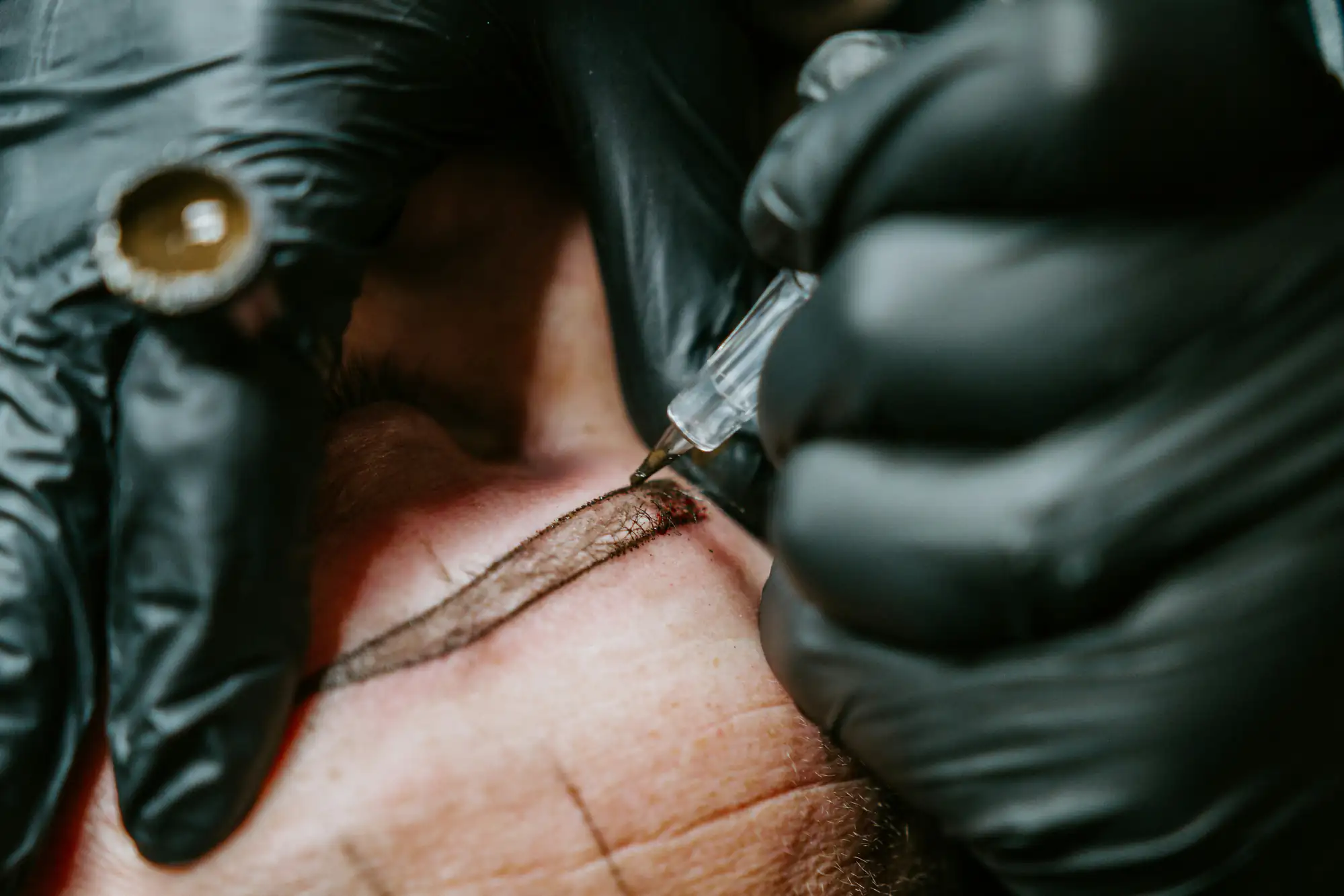
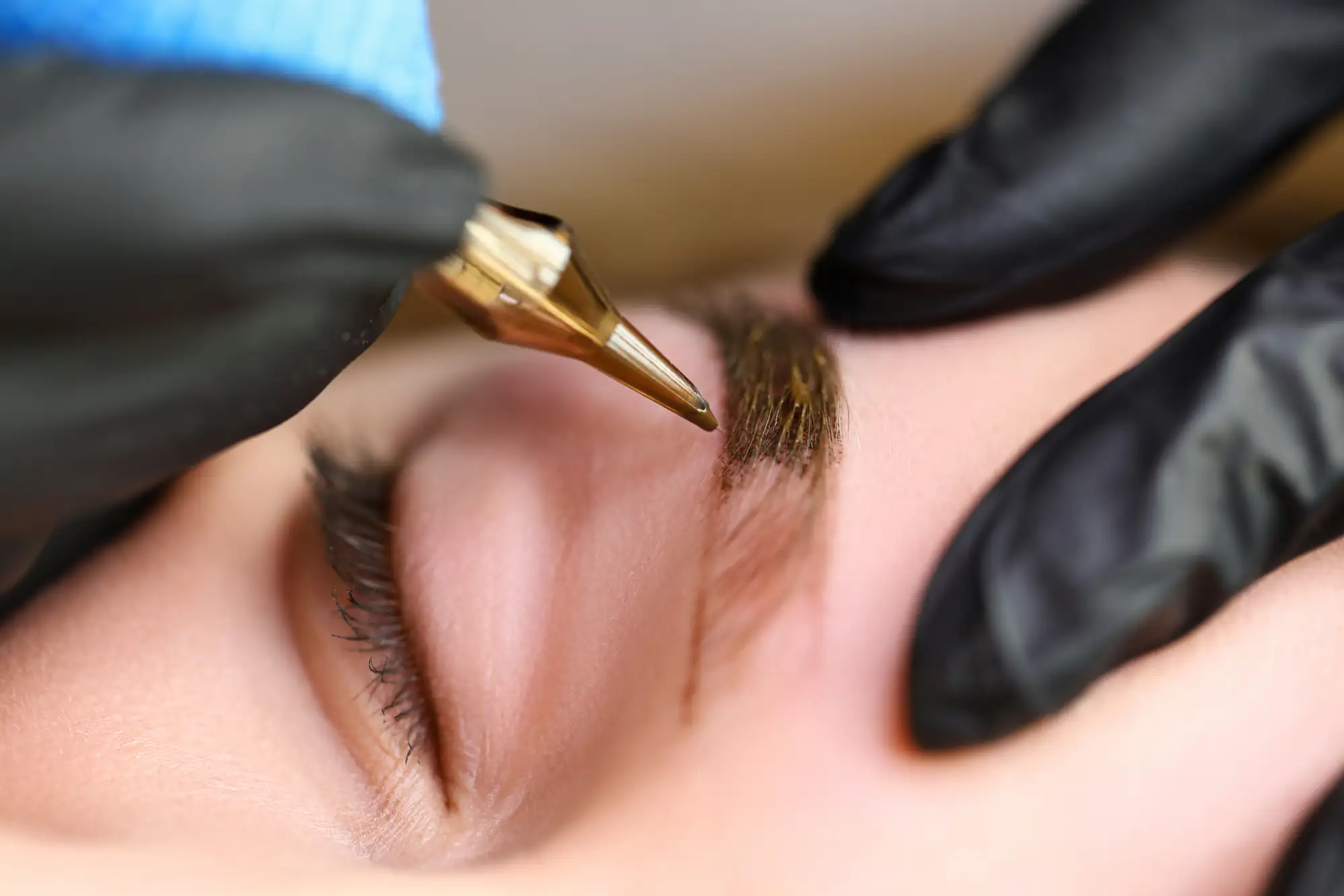
Once the shape is approved, a topical numbing cream is applied. Then the microblading process begins: using a manual handheld tool with ultra-fine needles, pigment is deposited into the upper dermal layer in small, precise strokes that mimic real hair. You’ll see the shape take form in real time.
The appointment typically takes around two hours. Afterward, you’ll get clear aftercare instructions—mostly about keeping the area dry and avoiding certain products for about a week while the pigment sets. There’s minimal downtime. Most people go right back to work the next day.
A follow-up appointment is usually scheduled 6 to 8 weeks later to perfect the shape and add any additional strokes. That’s when the brows really settle into their final look. From there, you’re set for over a year before needing a refresh.

Ready to get started?
Microblading isn’t the only option for permanent eyebrows. Depending on your skin type, lifestyle, and the look you want, there are a few approaches worth knowing about.
Microblading uses fine blade strokes and works best for people with normal to dry skin who want a natural, hair-like finish. Nano brows use a machine with an ultra-fine needle to create similar strokes, often lasting longer on oily skin. Powder brows create a soft, shaded look—more like filled-in makeup than individual hairs—and tend to hold up well across all skin types.
In the Red Oak and greater Wake County area, you’ll find a mix of people seeking these treatments for different reasons. Some want to cover gaps from over-plucking in the ’90s. Others are dealing with thinning brows due to age or medical conditions. Some just want to stop spending 20 minutes a day on their face before work.
We walk you through which technique makes sense for your goals during the consultation. You’re not locked into one method—you’re choosing what actually fits your skin and the result you’re after. And because North Carolina only requires a tattoo permit to offer microblading—with no mandatory training—it matters who’s holding the tool. You want someone trained, certified, and experienced. Not someone who took a weekend course.
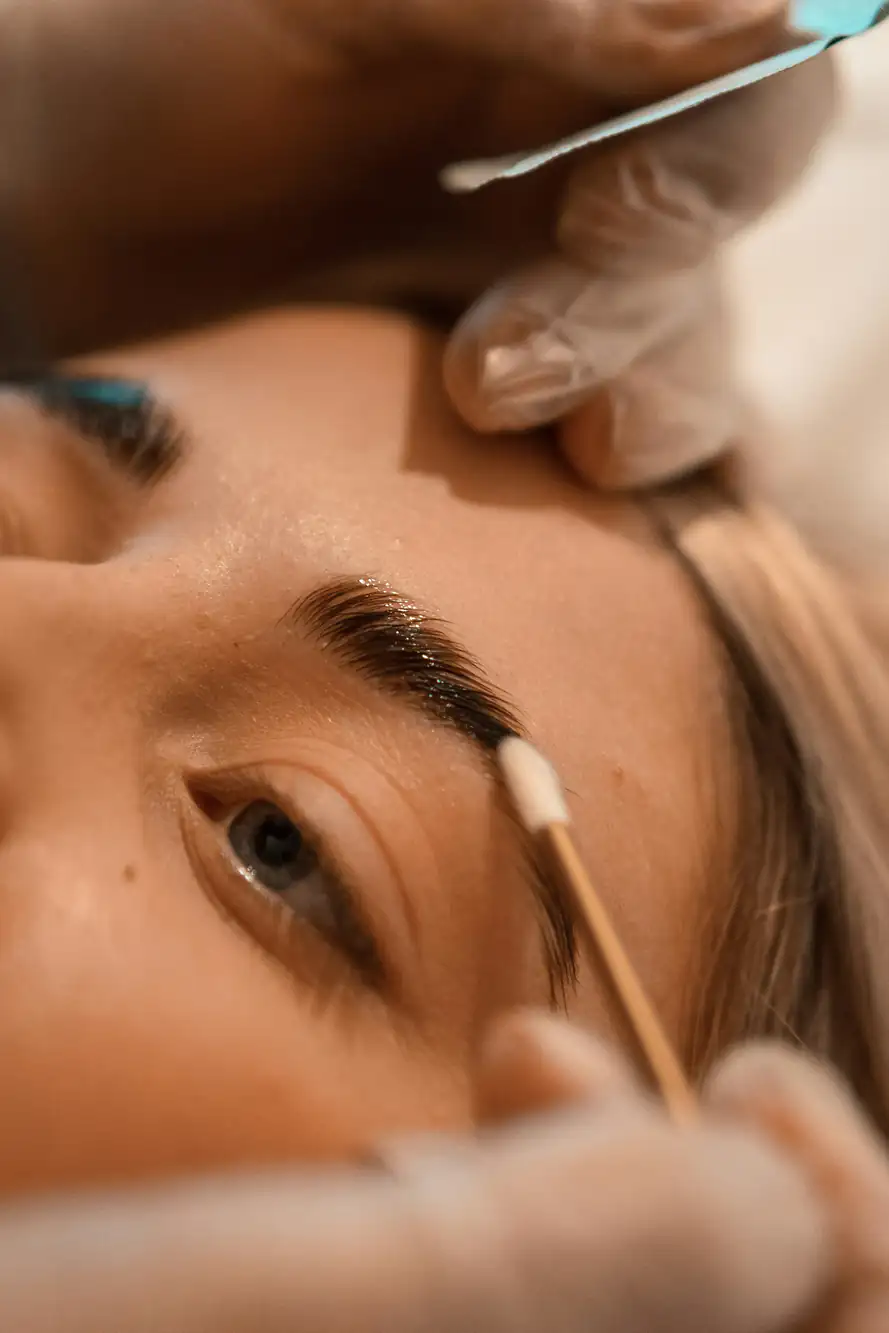
Microblading typically lasts between 12 and 18 months, though that timeline varies based on your skin type, age, and how well you follow aftercare. Oily skin tends to break down pigment faster. Sun exposure, skincare products with retinol or acids, and even how often you exfoliate can affect longevity.
Most people schedule their first touch-up around 6 to 8 weeks after the initial appointment. This isn’t because something went wrong—it’s part of the process. Your skin heals, some pigment naturally fades, and that follow-up session allows for adjustments and reinforcement.
After that, you’ll likely want a refresh once a year or every 18 months depending on how the pigment holds. Some clients stretch it longer. Others prefer to keep them looking sharp and come in sooner. It’s not a forever commitment, but it’s also not something you’re redoing every few months like regular makeup.
Most people describe microblading as uncomfortable, not painful. A topical numbing cream is applied before the procedure, which takes the edge off. You’ll feel pressure and some scratching, but it’s tolerable. Pain tolerance varies, but the numbing does its job for the majority of clients.
Healing takes about 7 to 10 days. For the first few days, your brows will look darker and more defined than the final result—that’s normal. The color softens as your skin heals. You’ll notice some light scabbing and flaking around day 3 or 4. Don’t pick at it. Let it fall off naturally.
During the healing period, keep your brows dry. No sweating, no swimming, no heavy workouts for at least a week. Avoid putting makeup or skincare products directly on the area. You’ll also want to skip retinol, acids, and exfoliants until you’re fully healed. Following aftercare instructions makes a big difference in how well the pigment sets and how your brows look long-term.
Microblading uses a manual handheld tool with a blade to create fine, hair-like strokes. It’s ideal for people with normal to dry skin who want a natural look. The strokes mimic real eyebrow hairs, and the result is soft and realistic.
Nano brows use a machine with an ultra-fine needle instead of a blade. The technique is similar—individual strokes—but the tool allows for more precision and tends to last longer, especially on oily skin. If microblading fades too quickly on you, nano brows might be the better option.
Powder brows create a filled-in, shaded effect using a stippling technique. The result looks more like you filled in your brows with powder or pencil. It’s softer than a traditional tattoo but more defined than microblading. Powder brows work well for all skin types and tend to last longer overall. Some people combine techniques—microblading in the front for a natural hairline, powder shading in the tail for depth. It depends on what you’re going for and what your skin can hold.
Most people are good candidates, but there are a few exceptions. If you’re pregnant or breastfeeding, it’s best to wait. If you’re on blood thinners or have a bleeding disorder, microblading isn’t recommended. Active skin conditions like eczema or psoriasis in the brow area can interfere with healing and pigment retention.
People with very oily skin may find that microblading fades faster or doesn’t hold as well. In those cases, nano brows or powder brows are usually better options. If you’ve had Botox recently, wait at least two weeks before microblading. If you’re planning Botox, schedule it at least two weeks after your microblading appointment.
The free consultation at Wake Skincare covers all of this. Jacqueline evaluates your skin, talks through your medical history, and determines whether microblading is the right fit or if another technique makes more sense. You’re not walking in blind. You’re getting a professional assessment before any work is done, so there are no surprises and no wasted time.
Microblading in the Triangle area typically starts around $300 and goes up depending on the provider’s experience, location, and what’s included. At Wake Skincare, pricing reflects the level of expertise you’re getting—award-winning work, not someone fresh out of a certification course.
The initial appointment includes the consultation, custom brow design, numbing, the microblading procedure, and aftercare instructions. The follow-up touch-up appointment 6 to 8 weeks later is often included or offered at a reduced rate, depending on the package. After that, annual or semi-annual touch-ups keep your brows looking fresh and are priced separately.
It’s worth understanding what you’re paying for. In North Carolina, the only legal requirement to offer microblading is a tattoo permit—no training required. That means you could be paying someone with minimal experience who’s working out of their house. Or you could be paying someone with international recognition, proper licensing, and a track record of results. The price might look similar, but the outcome won’t be. You’re not just paying for pigment and time—you’re paying for skill, safety, and a result that actually looks like real brows.
Yes, but not right away. During the healing process—about 7 to 10 days—you need to keep makeup off your brows entirely. That includes brow pencils, powders, gels, and any skincare or foundation that might touch the area. Your skin is healing and the pigment is setting. Putting products on too soon can cause infection, interfere with retention, or lead to uneven color.
Once you’re fully healed, you can wear makeup again if you want to. Most people find they don’t need it. That’s the whole point—waking up with brows that already look done. But if you want to add a little extra definition for a night out or fill in areas as the pigment fades over time, go ahead.
Just avoid using harsh products directly on your microbladed brows long-term. Retinol, glycolic acid, and exfoliating scrubs can break down the pigment faster. If you’re using those products elsewhere on your face, just keep them away from your brow area. A little awareness goes a long way in keeping your results looking good for as long as possible.