
Hear from Our Customers
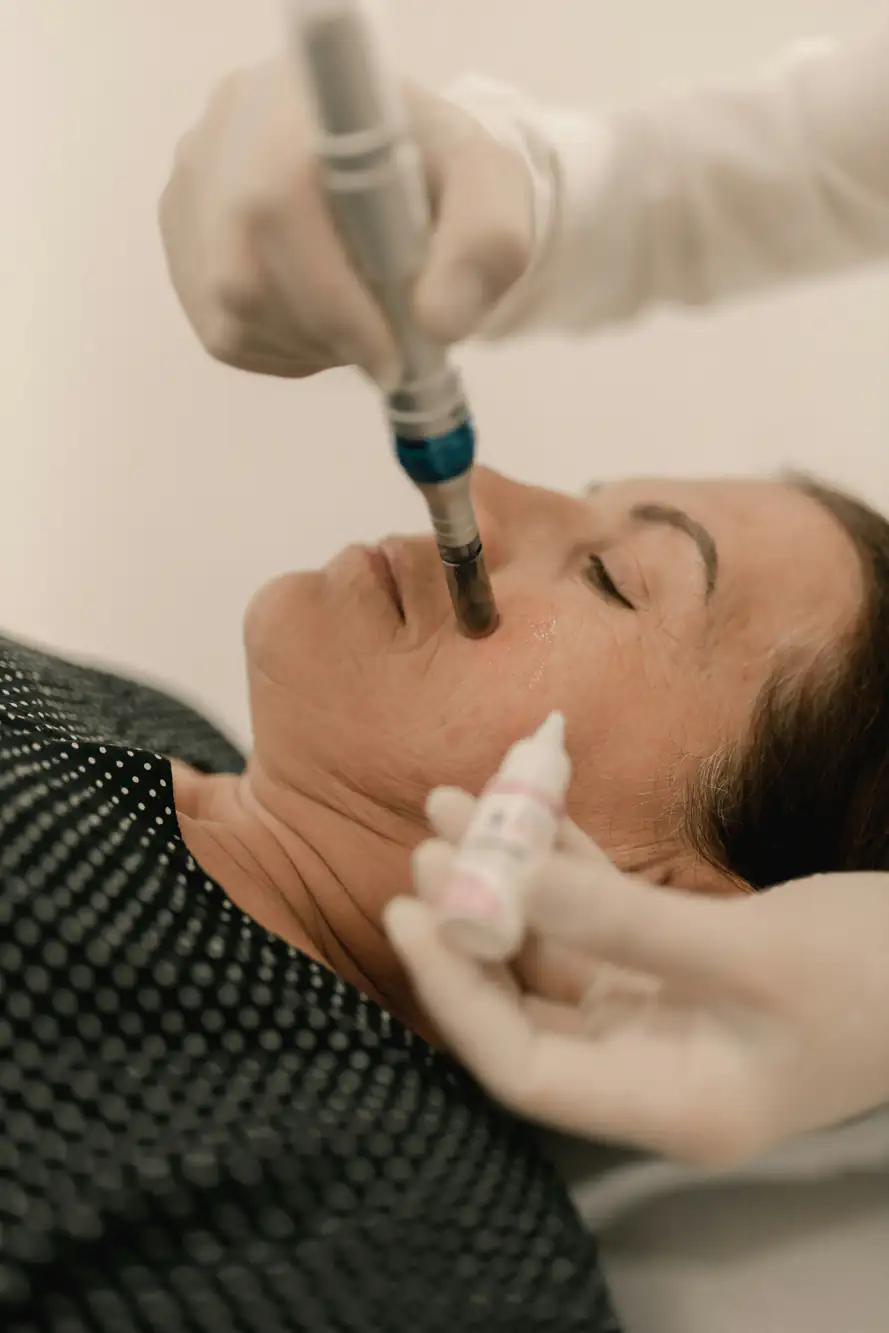
Acne scars fade. Pores tighten. Fine lines soften.
That’s what happens when you stimulate your skin to produce new collagen instead of just covering up damage with creams. Microneedling works by creating controlled micro-injuries that trigger your body’s natural healing response. Your skin doesn’t just look better temporarily—it actually rebuilds itself from the inside out.
Most people see noticeable improvement in skin texture within weeks. Acne scars that have been there for years start to flatten and blend. The crepey texture around your eyes and mouth becomes firmer. Even stubborn stretch marks respond when your skin is given the right push to regenerate.
This isn’t about erasing every imperfection. It’s about giving your skin the tools to repair itself so you stop avoiding mirrors and cameras. You stop wondering if people are staring at your scars. You book fewer last-minute dermatologist appointments because your skin is finally doing what it’s supposed to do.
We’re located just 20 minutes north of Angier in Wake Forest, and clients make the drive because they want someone who actually knows what they’re doing with a microneedling pen. Jacqueline Grace has been named Best Esthetician in Wake County three years running and placed first internationally in pigmentation treatment—the kind of recognition that comes from getting real results on real skin.
We use SkinPen, an FDA-cleared device that reaches the depth your skin needs without the risks that come with at-home rollers or inexperienced hands. Every treatment starts with a consultation to map out what your skin can handle and what results you can realistically expect.
Angier is growing fast, and more residents are looking for medical-grade skincare that doesn’t require a trip to Raleigh or Cary. We’re close enough to be convenient and experienced enough that you’re not gambling with your face.
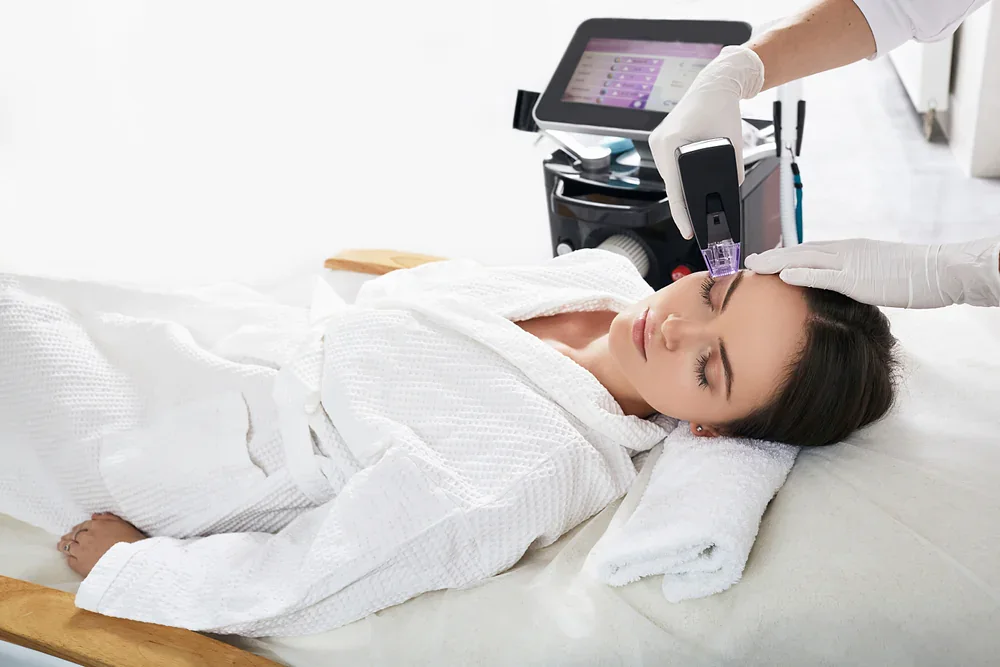
You start with a free consultation where we look at your skin concerns—whether that’s acne scarring, sun damage, or aging texture. We talk about what microneedling can realistically do for your specific situation and how many sessions you’ll likely need. Most people need three to five treatments spaced four weeks apart to see the improvement they’re after.
On treatment day, we apply a numbing cream so you’re comfortable throughout the process. Then we use the SkinPen device to create thousands of tiny channels in your skin at the exact depth needed for your concern. Shallow passes around delicate areas like your eyes. Deeper penetration over acne scars or stretch marks.
Your face will be red afterward—think mild sunburn. That fades within a day or two for most people. You’ll notice your skin feels tighter within the first week as collagen production kicks in. Real texture improvement shows up around the four-week mark, which is when you come back for your next session.
Between treatments, your skin continues rebuilding. By the end of your series, you’re looking at 50-70% improvement in acne scarring based on clinical studies. That’s the difference between feeling self-conscious and feeling normal.

Ready to get started?
Every microneedling session includes a thorough skin assessment, numbing cream application, the treatment itself, and post-care instructions that actually matter. We adjust needle depth based on what we’re treating—0.5mm for fine lines, up to 2-3mm for deeper acne scars.
You’re also getting a provider who’s HydraFacial Master Certified and trained in medical aesthetics, not someone who took a weekend course. That matters when you’re dealing with skin of color, active acne, or previous scarring from aggressive treatments elsewhere.
Wake County has seen a surge in med spas over the past few years, especially as Angier and Holly Springs expand. Not all of them have medical oversight. We operate under Dr. Joseph Hummel’s supervision, which means you’re getting medical-grade treatment with actual accountability.
The difference between professional microneedling and at-home devices is depth and safety. At-home rollers only penetrate 0.25mm—barely past the surface. Professional devices reach the dermis where collagen actually lives. You’re also not risking infection or scarring from improper technique or dirty needles.
If you’ve been dealing with acne scars or aging skin and you’re tired of products that don’t work, this is the treatment that actually changes the texture of your skin. It’s not instant, but it’s real.

Most people need three to five treatments spaced four weeks apart to see significant improvement. You’ll notice your skin feels tighter and looks brighter after the first session, but real texture changes—like fading acne scars or reducing wrinkle depth—take multiple treatments.
Here’s why: microneedling works by triggering your skin’s natural healing response. Each session builds on the last one, stimulating more collagen production over time. Studies show that a series of treatments can improve acne scarring by 50-70%, but that doesn’t happen in one appointment.
If you’re treating mild concerns like early fine lines or dull texture, you might see what you’re after in three sessions. Deeper acne scars or significant sun damage usually need four to six. We map this out during your consultation based on what your skin actually looks like, not a generic treatment plan.
We apply numbing cream before your treatment, so most people describe the sensation as mild pressure or tingling rather than pain. You’ll feel the device moving across your skin, but it shouldn’t be uncomfortable.
Your face will be red immediately after—similar to a moderate sunburn. That redness typically fades within 24-48 hours for most skin types. Some people also experience mild swelling or tightness for a day or two. You can go back to work the next day if you’re comfortable with some residual redness, or you can schedule your appointment before a weekend if you’d rather wait it out.
The downtime is significantly shorter than laser treatments or chemical peels, which is why a lot of working professionals choose microneedling. You’re not peeling or crusting. You just look a little flushed for a day. Compare that to at-home devices that can cause irritation, infection, or scarring if used incorrectly, and the professional route makes a lot more sense.
Yes, and it’s often the preferred treatment for people with darker skin who want to avoid the hyperpigmentation risks that come with laser therapy. Microneedling doesn’t use heat or light, so it won’t trigger the post-inflammatory response that causes dark spots on melanin-rich skin.
That said, technique matters. You need someone who understands how to treat skin of color and won’t go too aggressive too fast. Jacqueline specializes in pigmentation treatment and has worked extensively with clients who have darker skin tones throughout Wake County.
We also avoid microneedling if you have active melasma or certain types of hyperpigmentation that could worsen with treatment. That’s why the consultation matters—we look at your specific skin, your history, and your concerns before deciding if microneedling is the right move. If it’s not, we’ll tell you what is.
Yes, and combining treatments often gives you better results than microneedling alone. We frequently pair it with HydraFacial, chemical peels, or PRP (platelet-rich plasma) depending on what you’re trying to accomplish.
For example, if you’re dealing with both acne scars and active breakouts, we might do a series of microneedling sessions for the scarring while incorporating peels to manage the acne. If you want to maximize collagen production and healing, adding PRP to your microneedling treatment can accelerate results.
The key is timing and sequencing. Some treatments need to be spaced out. Others work well together in the same appointment. We build a plan based on your skin’s tolerance and your goals, not just what’s trendy. You’re not paying for treatments you don’t need, and you’re not wasting time on a plan that won’t get you where you want to go.
Skip the gym, hot yoga, and anything that makes you sweat heavily for 24-48 hours after your treatment. Your skin has thousands of tiny channels that are still healing, and sweat can introduce bacteria or cause irritation.
You also need to avoid direct sun exposure and wear SPF 30 or higher every day for at least a week post-treatment. Your skin is more vulnerable to UV damage right after microneedling, and sun exposure can lead to hyperpigmentation—especially if you have darker skin.
Don’t use retinol, glycolic acid, or other active ingredients for about five days after your session. Your skin is already working hard to heal itself. Adding aggressive exfoliants or actives on top of that can cause irritation or delay recovery. Stick to gentle cleansers and a good moisturizer. We’ll give you specific post-care instructions based on your skin type and the depth of your treatment so you know exactly what to do.
At-home microneedling devices only penetrate about 0.25mm into your skin—barely past the surface layer. Professional devices like SkinPen can reach 2-3mm deep into the dermis where collagen and elastin actually live. That depth is what creates real change in skin texture, scarring, and wrinkles.
There’s also the safety factor. At-home rollers can cause infections, irritation, or permanent scarring if you use them incorrectly or don’t sterilize them properly. You’re also guessing at the right depth and pressure for your skin type and concern. With professional treatment, you’re getting precise depth control and sterile, single-use needle cartridges.
The results speak for themselves. Clinical studies on professional microneedling show 50-70% improvement in acne scarring after a series of treatments. At-home devices might give you a slight glow or help your serums absorb better, but they’re not going to fade scars or rebuild collagen the way professional treatment does. If you’re serious about changing your skin texture, at-home devices won’t get you there.