Hear from Our Customers
You’ve tried the serums. You’ve scrolled past the at-home rollers. Maybe you’ve even bought one, hoping it would finally fade those acne scars or smooth out the fine lines that seem deeper every year.
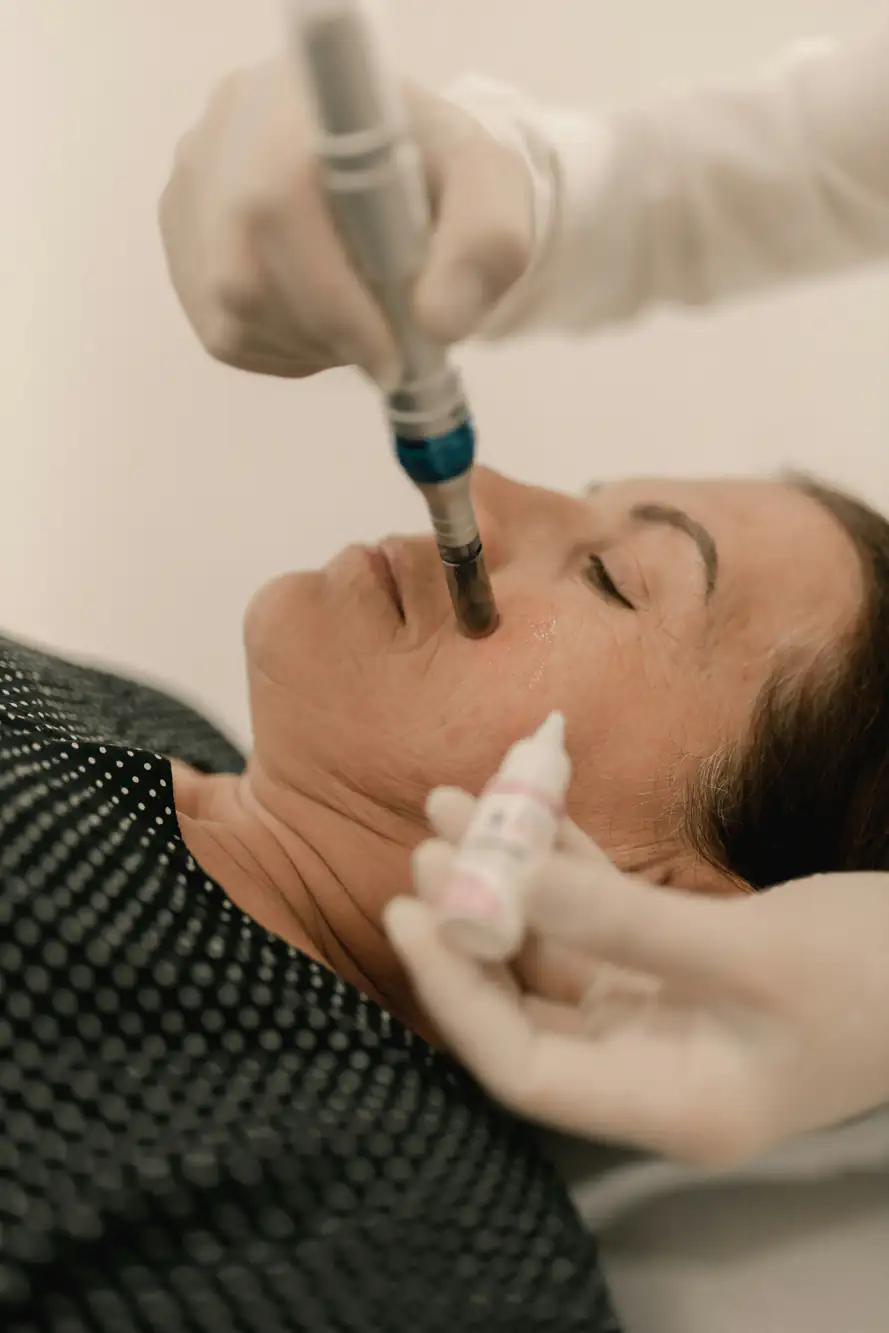
Here’s what actually happens when you get professional microneedling: your skin starts producing collagen again. Not because of a cream sitting on the surface, but because controlled micro-injuries trigger your body’s natural healing response. That’s collagen induction therapy—the clinical term for what happens when tiny, sterile needles create channels in your skin, signaling your body to repair and rebuild.
The difference shows up in stages. After your first session, you’ll notice a healthy glow—that’s increased circulation and cellular turnover. Over the next few weeks, texture starts to smooth. Acne scars that have been there for years begin to fade. Fine lines soften. Hyperpigmentation evens out.
This isn’t about covering up. It’s about your skin actually improving from the inside out. And unlike laser treatments that can be risky for darker skin tones, microneedling is safe for all skin types and tones.
Wake Skincare isn’t another medspa offering the same promotions you’ve seen everywhere else. Our founder and licensed esthetician, Jacqueline Grace, has been named Best Esthetician in Wake County three years running. She’s also HydraFacial Master Certified and took first place internationally in the Pigmentation Artist of the Year category at The Skin Games.
That’s not bragging—it’s context. When you’re dealing with acne scars that won’t budge or aging concerns that make you avoid the mirror, you want someone who knows what they’re doing. Someone who’s seen hundreds of skin types and conditions and knows how to customize treatment for your specific situation.
Apex has a median household income over $144,000 and a population that values quality. You’re not looking for the cheapest option. You’re looking for the one that works. We serve clients across 22 cities in Wake County because word travels when results are consistent.
Every treatment starts with a free consultation. Not a sales pitch—an actual skin evaluation where we look at your specific concerns, your skin type, your goals, and whether microneedling is the right fit. Some people need one session before an event. Others commit to a series for deeper scarring or significant anti-aging results.
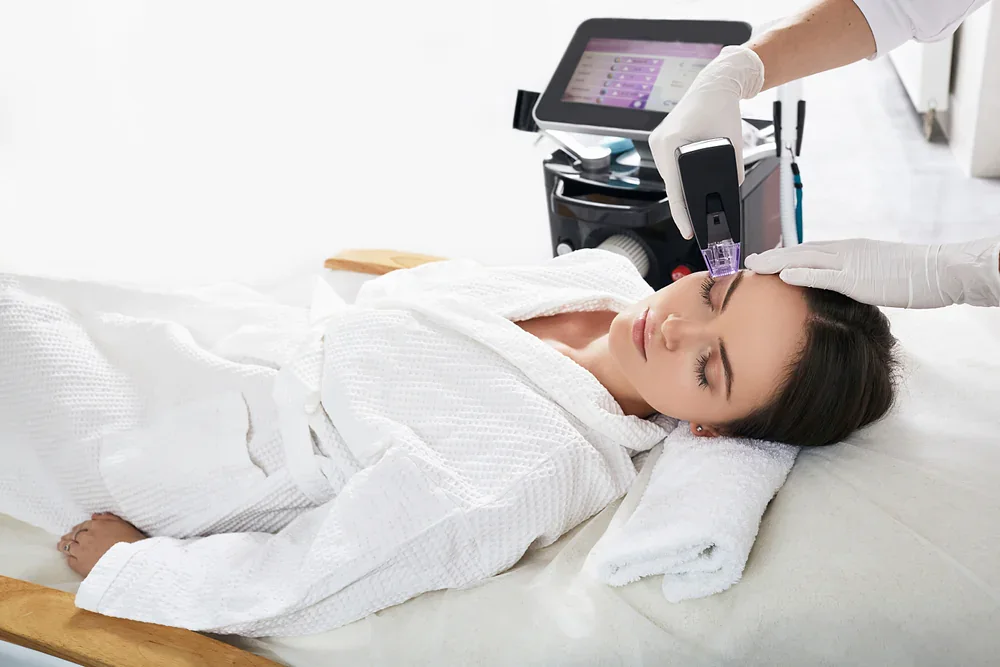
On treatment day, we cleanse your skin and apply a topical numbing cream. Most people don’t find microneedling painful, but we make sure you’re comfortable. We use SkinPen by Bellus Medical—the first and only FDA-cleared microneedling device. That matters because the FDA classifies this as a medical procedure, not a beauty treatment. Sterility, precision, and safety aren’t optional.
The device creates controlled micro-channels in your skin at specific depths depending on what we’re treating. For acne scars, we go deeper. For fine lines and general rejuvenation, we adjust accordingly. The whole process takes about 30 to 45 minutes.
Afterward, your skin will be red—similar to a sunburn. That’s normal and fades within two to three days for most people. You’ll get specific aftercare instructions, and we’ll schedule follow-ups if you’re doing a treatment series. Studies show that multiple sessions can fade acne scars by 50% to 70%. That’s not a guarantee, but it’s what the research supports.

Ready to get started?
You’re not just paying for the 30 minutes with the device. You’re getting a comprehensive approach that starts with understanding your skin and ends with a plan that makes sense for your goals and your schedule.
Your free consultation covers a full skin evaluation, a discussion of your concerns, and a realistic assessment of what microneedling can and can’t do for you. If you’re a good candidate, we’ll map out a treatment plan—whether that’s a single session or a series spaced four to six weeks apart.
The treatment itself uses FDA-cleared technology and medical-grade techniques. We’re not cutting corners. For clients in Apex dealing with sun damage—which is common given North Carolina’s climate—microneedling addresses pigmentation issues that topical products can’t reach. For those with acne scarring from years of breakouts, this is one of the few treatments proven to actually remodel scar tissue.
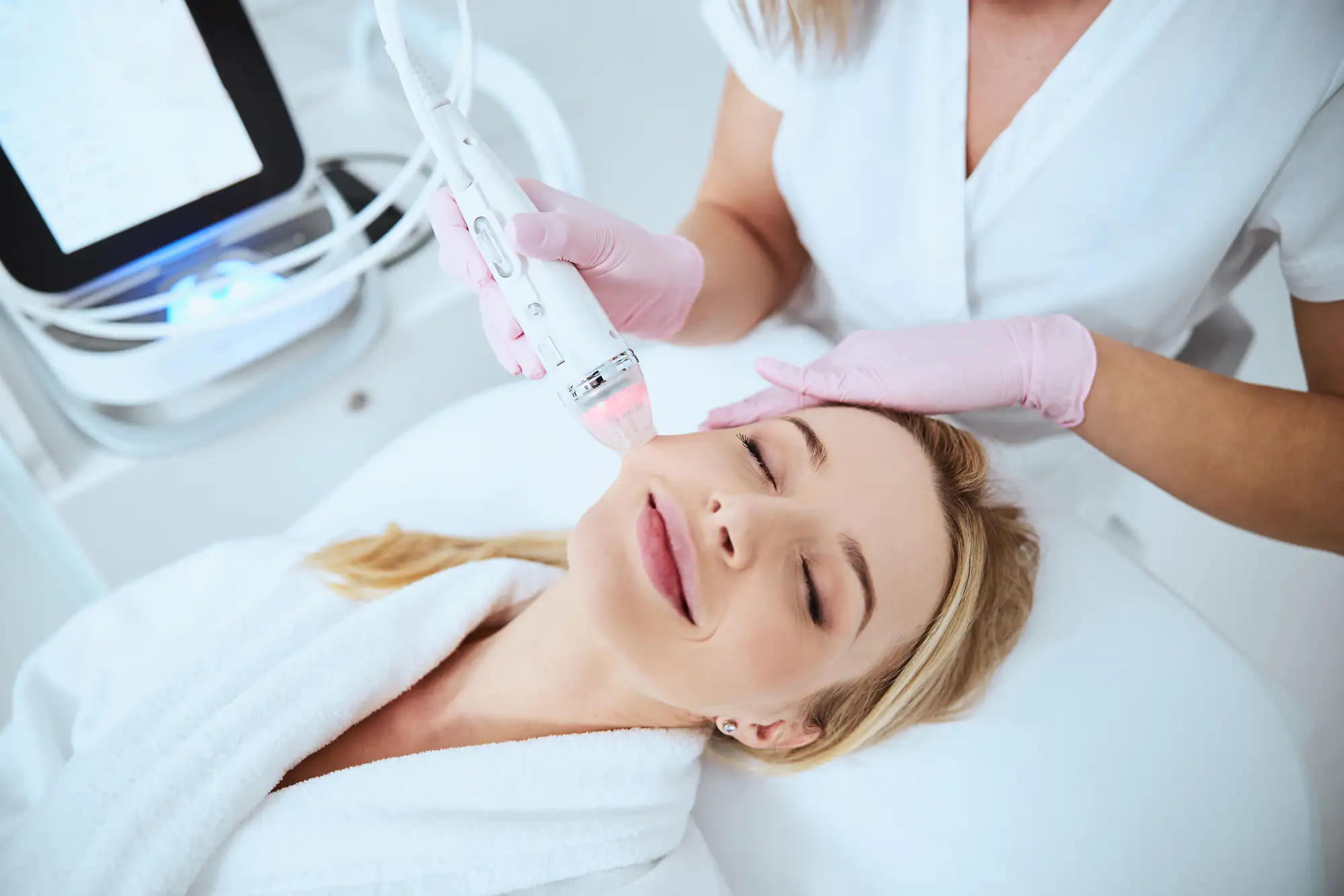
We also offer RF microneedling, which combines radiofrequency energy with the micro-injuries to further stimulate collagen and tighten skin. That’s an option we discuss based on your age, skin laxity, and goals. Some clients want the added tightening benefit. Others don’t need it.
Post-treatment, you’ll receive detailed aftercare instructions and product recommendations. The goal isn’t to upsell you on a shelf full of serums. It’s to make sure your skin heals properly and you get the results you came for.

At-home rollers and pens don’t penetrate deep enough to trigger real collagen production. They’re also not sterile, which means you’re risking infection and inflammation instead of healing. The viral idea that at-home microneedling is just a cheaper version of the professional treatment is misleading—it’s not the same thing, and your skin knows it.
Professional microneedling uses FDA-cleared devices that penetrate at controlled depths based on what we’re treating. For acne scars, we need to reach the dermis where scar tissue lives. At-home devices don’t go that deep, and even if they did, you wouldn’t want to do that without numbing and proper technique. The difference in results isn’t subtle. Studies on professional microneedling show measurable improvement in scar depth, skin texture, and collagen density. At-home devices don’t have that research backing them.
If you’ve been using an at-home device and not seeing results, that’s why. It’s not that your skin won’t respond—it’s that the tool isn’t doing what you need it to do.
Most people are back to their normal routine within two to three days. Your skin will be red immediately after treatment—think moderate sunburn. That redness typically fades significantly within 24 hours and is usually gone or easily covered with makeup by day three.
Some people experience light peeling or flaking around day three or four as the skin regenerates. That’s normal and actually a good sign that cellular turnover is happening. You’ll want to avoid intense workouts, saunas, and direct sun exposure for a few days, but you’re not bedridden or hiding indoors.
For Apex professionals with busy schedules and client-facing roles, we often recommend booking treatments on a Thursday or Friday so you have the weekend to heal. By Monday, most people are back to work without anyone noticing. If you have a big event coming up, we suggest scheduling your treatment at least a week out—not because you’ll look bad, but because you’ll look better once the initial redness is completely gone and the glow sets in.
It depends on the type of scarring you have, but microneedling is one of the most effective treatments for atrophic acne scars—the indented, pitted scars that don’t respond to topical treatments. Research shows that a series of microneedling sessions can reduce the appearance of acne scars by 50% to 70%. That’s not overnight, and it’s not one session, but it’s real improvement.
The reason it works is because microneedling breaks up scar tissue and stimulates new collagen formation in those depressed areas. Over time, the skin fills in and smooths out. Raised scars (hypertrophic scars) respond differently, and we’d discuss whether microneedling or another treatment is better for your situation.
During your free consultation, we’ll look at your specific scarring, talk about realistic expectations, and map out how many sessions you’d likely need. Some people see noticeable improvement after three sessions. Others with deeper scarring commit to five or six. The key is consistency and giving your skin time to rebuild between treatments.
Yes. Unlike laser treatments, which can cause hyperpigmentation or scarring on darker skin, microneedling is considered safe for all skin types and tones. That’s because it doesn’t use heat or light to create change—it uses controlled micro-injuries that trigger your body’s natural healing response.
That said, technique still matters. Darker skin tones are more prone to post-inflammatory hyperpigmentation, so aftercare is critical. We’ll give you specific instructions on sun protection, gentle cleansing, and what products to avoid while your skin heals. Following those guidelines minimizes any risk of discoloration.
Apex has a diverse population—about 20% Asian and 7% Black or African American—and we’ve worked with clients across the full spectrum of skin tones. The key is customizing depth, pressure, and aftercare based on your skin’s specific needs, not using a one-size-fits-all approach.
Pricing varies depending on whether you’re doing a single treatment or a series, and whether you’re adding RF microneedling for additional tightening and collagen stimulation. A single session typically ranges from $250 to $500 depending on the area treated and the technology used.
Most people dealing with acne scars or significant aging concerns benefit from a series of three to six treatments spaced four to six weeks apart. We offer package pricing that brings the per-session cost down when you commit to multiple treatments upfront. That’s not a sales tactic—it’s how the treatment works best. One session gives you a glow and some improvement. A series gives you measurable, lasting change.
During your free consultation, we’ll talk about your goals, your timeline, and what kind of investment makes sense for the results you’re after. We’re not the cheapest option in Apex, and that’s intentional. You’re paying for FDA-cleared technology, award-winning expertise, and a personalized approach that actually gets results. If you’ve been frustrated by treatments that didn’t work or at-home devices that promised too much, this is the difference between trying something and actually fixing it.
Yes, and many clients do. Microneedling pairs well with treatments like HydraFacial, chemical peels, and even Botox, but timing matters. We don’t do everything in one session because your skin needs time to heal and respond.
A common approach is to do a HydraFacial a week or two before microneedling to prep your skin, then follow up with another HydraFacial a few weeks after to enhance results. Some clients alternate between microneedling sessions and lighter treatments to maintain momentum without overdoing it. If you’re considering Botox, we typically recommend doing that at least two weeks before or after microneedling to avoid any interference with either treatment.
The goal is to build a skincare plan that makes sense for your skin, your concerns, and your schedule. That’s why the consultation matters. We’re not just selling you one service—we’re looking at the bigger picture and recommending what will actually move the needle. For Apex clients who are used to researching and making informed decisions, that approach tends to resonate. You’re not being upsold. You’re being given options based on what works.