Hear from Our Customers
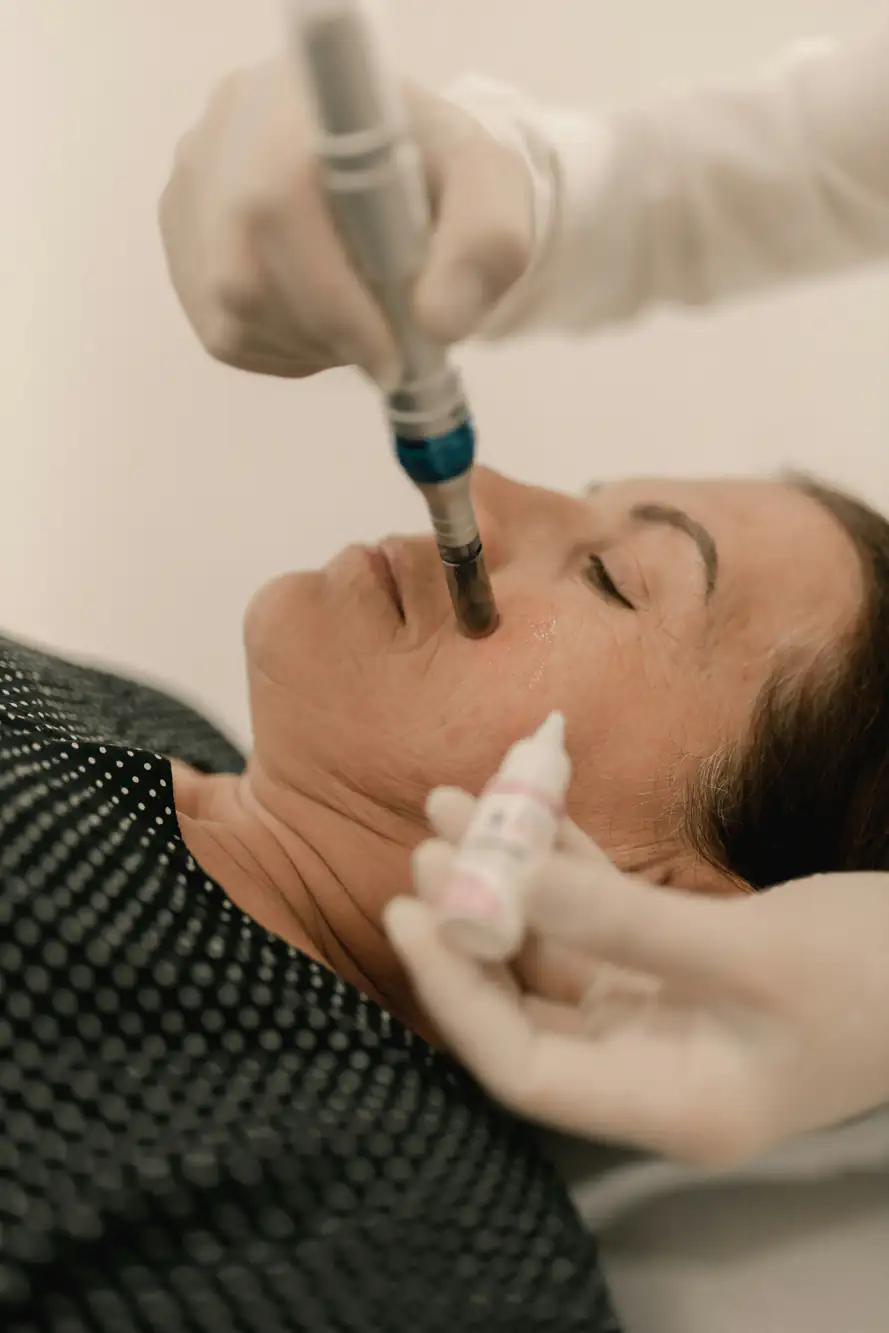
You’re not looking for another product that promises results in 12 weeks. You want visible improvement that doesn’t require you to hide at home for days afterward.
Microneedling creates controlled micro-injuries in your skin that trigger your body to produce new collagen and elastin. That means firmer skin, reduced scar depth, smaller pores, and smoother overall texture. Clinical studies show 100% of participants experienced acne scar improvement, with some seeing up to 75-100% reduction.
Your skin might be red for a few hours after treatment, similar to a mild sunburn. Most people return to normal activities the same day. You’ll start seeing changes within a week or two as new collagen forms, with results continuing to improve for months as your skin rebuilds itself from within.
This isn’t about covering up problems. It’s about actually changing the structure of your skin so you see real differences when you look in the mirror.
We serve Briar Chapel and the surrounding Wake County area with medical-grade treatments that actually work. Jacqueline Grace, our licensed esthetician, has been named Best Esthetician in Wake County three years running and holds a HydraFacial Master Certification that puts her among the top practitioners worldwide.
She’s also won first place for Pigmentation Artist of the Year at The Skin Games, an international esthetician competition. That’s not just a title—it means she knows how to treat different skin tones and concerns without causing damage or unwanted side effects.
Every treatment starts with a free consultation where we evaluate your skin and create a plan specific to what you’re dealing with. No pressure, no upselling. Just honest assessment and realistic expectations about what microneedling can do for your particular concerns.
We start with a consultation to look at your skin concerns and determine if microneedling is the right approach. Not everyone needs the same treatment depth or frequency, so this conversation matters.
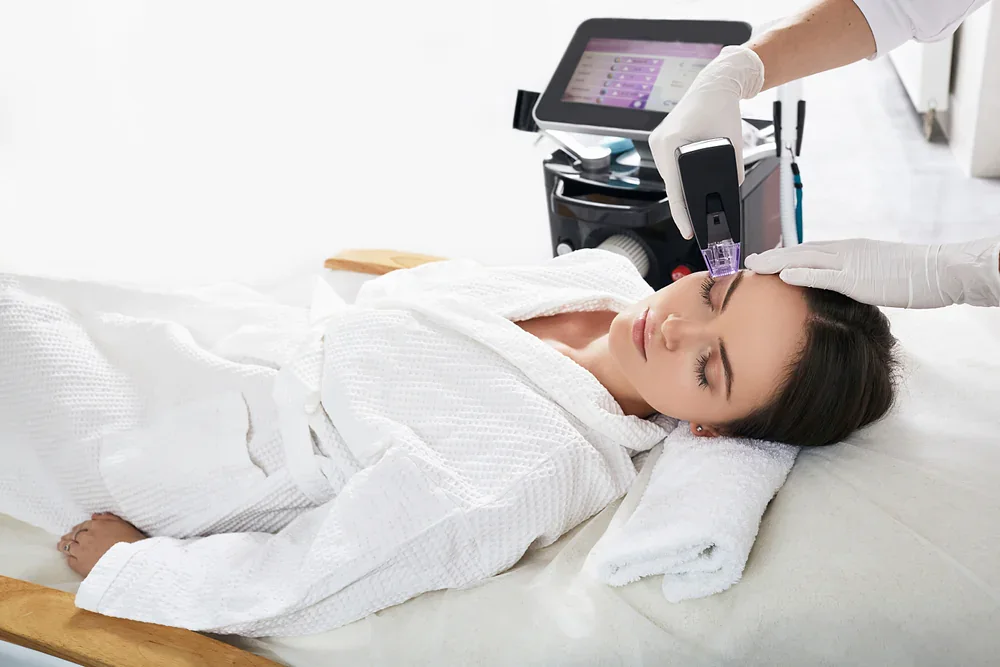
On treatment day, we cleanse your skin and apply a topical numbing cream so you’re comfortable throughout the session. Once that’s set, we use the SkinPen—the only FDA-approved microneedling device in its class—to create tiny, controlled channels in your skin. The depth is adjustable based on what we’re treating and where on your face or body we’re working.
The whole session typically takes 30-45 minutes. Afterward, your skin will be red and might feel tight or sensitive, similar to a sunburn. We’ll send you home with specific aftercare instructions, which usually include gentle cleansing and avoiding active ingredients for a few days while your skin heals.
Most people need 3-4 sessions spaced about four weeks apart to see optimal results for moderate acne scarring or significant texture concerns. Maintenance treatments once or twice a year help sustain the collagen production and keep your skin looking its best.

Ready to get started?
Microneedling works for acne scars, which affect 95% of people who’ve had acne. It’s also effective for fine lines, wrinkles, enlarged pores, uneven texture, sun damage, and even stretch marks on the body.
Unlike laser treatments, microneedling is safe for all skin types, including darker skin tones. There’s no risk of heat-induced hyperpigmentation, which is a real concern for many Briar Chapel residents who’ve had bad experiences with other treatments. The mechanical action of the needles stimulates healing without thermal damage.
You’ll also see better absorption of your skincare products after treatment—up to 3000% better, according to research. That means the serums and moisturizers you’re already using become significantly more effective because they can actually penetrate deeper into your skin.
Results aren’t just temporary surface changes. Clinical studies show elevated collagen levels up to one year after treatment, meaning the improvements you see continue to develop and last well beyond your final session.

A single microneedling session typically costs around $300, though pricing can vary based on the treatment area and whether you’re combining it with other services. Most people need 3-4 treatments spaced a month apart for optimal results with moderate acne scarring or significant texture issues.
We offer a free consultation first so you know exactly what to expect before committing to anything. During that conversation, we’ll assess your skin, discuss your specific concerns, and give you a clear treatment plan with transparent pricing.
Some people see enough improvement after 2-3 sessions that they stop there. Others continue with maintenance treatments once or twice a year to sustain collagen production and keep results consistent over time.
Yes. Microneedling is one of the safest skin rejuvenation treatments for darker skin because it doesn’t use heat or light energy that can trigger hyperpigmentation.
Laser treatments and certain chemical peels carry real risk for people with more melanin in their skin. Heat-based devices can cause dark spots or uneven pigmentation that’s difficult to reverse. Microneedling uses mechanical stimulation instead, so there’s no thermal damage and significantly lower risk of post-inflammatory hyperpigmentation.
That said, proper technique and aftercare still matter. Jacqueline’s first-place win as Pigmentation Artist of the Year at The Skin Games international competition means she has specific expertise in treating different skin tones safely and effectively. We adjust needle depth, treatment intensity, and post-care protocols based on your individual skin type and concerns.
Professional microneedling uses FDA-approved devices like SkinPen that can safely penetrate deeper into the skin where real collagen production happens. At-home dermarollers typically only reach the surface layer and don’t create the controlled injury response needed for significant improvement.
Depth matters. Professional treatments can adjust needle depth from 0.5mm to 2.5mm depending on what we’re treating and where. At-home devices usually max out around 0.25-0.5mm to prevent user injury, which means they’re basically just helping product absorption rather than stimulating actual collagen remodeling.
There’s also a sterility and safety factor. Medical-grade microneedling happens in a controlled environment with proper numbing, sterile single-use cartridges, and professional assessment of your skin’s condition. At-home use carries higher risk of infection, scarring, or making existing skin issues worse if technique or hygiene isn’t perfect.
You’ll notice some immediate glow and texture improvement within a week as your skin heals and cell turnover increases. Real structural changes—the collagen remodeling that reduces scars and firms skin—take longer to develop.
Most people see noticeable improvement around 4-6 weeks after their first treatment. Results continue building with each session as more collagen forms. By the time you finish a series of 3-4 treatments, you’re typically seeing significant reduction in scar depth, smaller pores, and smoother overall texture.
The timeline varies based on what you’re treating and how your body responds. Younger skin tends to produce collagen faster. Deeper scars take more time and multiple sessions to improve. But clinical studies show collagen levels remain elevated for up to a year after treatment, so the improvements you see aren’t just temporary—they last because you’ve actually changed the structure of your skin.
We apply topical numbing cream before treatment, so most people describe the sensation as mild pressure or light scratching rather than pain. Some areas are more sensitive than others—around the nose and upper lip tend to be more uncomfortable than cheeks or forehead.
The treatment itself takes 30-45 minutes. Afterward, your skin will be red and might feel warm and tight, similar to a moderate sunburn. That usually calms down within a few hours, though some redness can linger into the next day.
There’s no real social downtime. You can go back to work or normal activities the same day, though you might prefer to schedule treatments for late afternoon or evening so any redness fades overnight. You’ll need to avoid makeup for 24 hours, skip intense workouts for a day or two, and stay out of direct sun while your skin heals. Most people are back to their regular routine within 48 hours.
Yes. Microneedling is one of the most effective non-invasive treatments for acne scarring, particularly the rolling and boxcar types. Clinical studies show 100% of participants experienced some level of acne scar improvement, with nearly 18% seeing 75-100% reduction in scar appearance.
The treatment works by breaking up the fibrous tissue that tethers scars down and stimulating new collagen production to fill in depressed areas. Over a series of treatments, scars become shallower and less noticeable as your skin rebuilds itself from within.
Ice pick scars—the very deep, narrow ones—are harder to treat with microneedling alone and might need additional approaches. But for most types of acne scarring, especially when combined with proper skincare and realistic expectations about the number of sessions needed, microneedling produces significant visible improvement that continues developing for months after your final treatment.