Hear from Our Customers
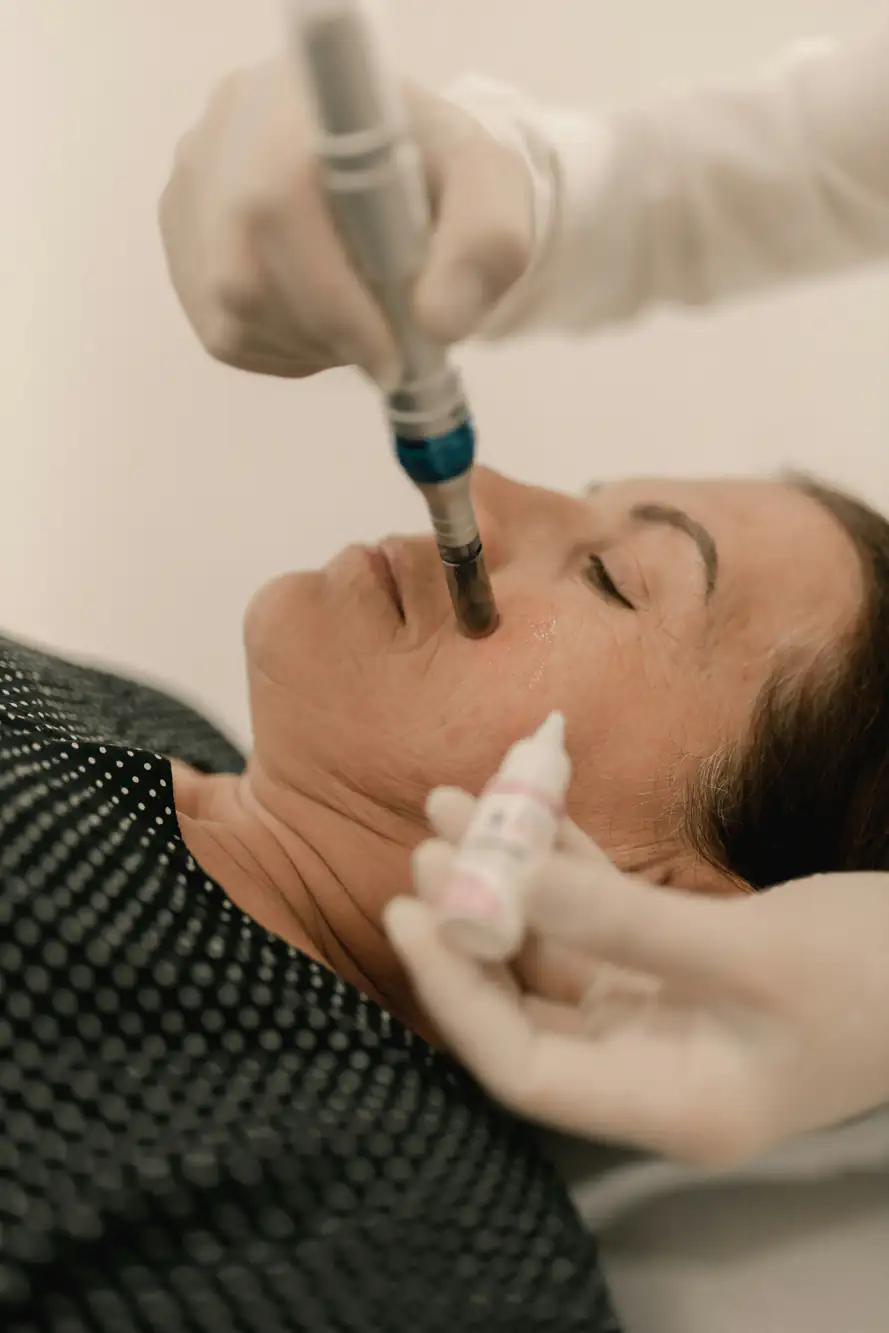
Your skin doesn’t just look smoother for a day or two. Microneedling triggers your body to produce new collagen over the next 90 to 150 days, which means the improvements you see at week four aren’t the final result—they’re just the beginning.
Most people notice redness for 24 to 48 hours, maybe up to a week if your skin runs sensitive. That’s it. You’re not hiding indoors or canceling plans. You’re back to normal life while your skin rebuilds itself from the inside.
This isn’t a surface fix. It’s collagen induction therapy, which means you’re working with your skin’s natural healing process to reduce the appearance of acne scars, fine lines, texture issues, and hyperpigmentation. The kind of stuff that doesn’t respond well to topical products alone.
If you’ve been dealing with stubborn skin concerns that creams can’t touch, this is the level of treatment that actually moves the needle. And it does it without the cost or downtime of laser resurfacing.
We’re based in Wake Forest and serve clients throughout Wake County, including Four Oaks, Raleigh, Youngsville, Rolesville, and over 40 other nearby communities. Jacqueline Grace, the licensed esthetician behind our clinic, has been recognized as Best Esthetician in Wake County three years in a row—and earned first place internationally in the Pigmentation Artist of the Year category at The Skin Games.
She’s also one of the first hundred practitioners worldwide to achieve HydraFacial Master Certification. That’s not marketing language. That’s measurable expertise.
Every treatment here starts with a free consultation. You’re not walking into a one-size-fits-all menu. You’re sitting down with someone who’s trained in New York, competed internationally, and built a reputation in this area for actually listening to what you’re dealing with—and then creating a plan that makes sense for your skin, your schedule, and your goals.
You’ll start with a consultation where we assess your skin concerns, talk through your goals, and determine if microneedling is the right fit. If it is, we’ll schedule your first session and walk you through what to expect before, during, and after.
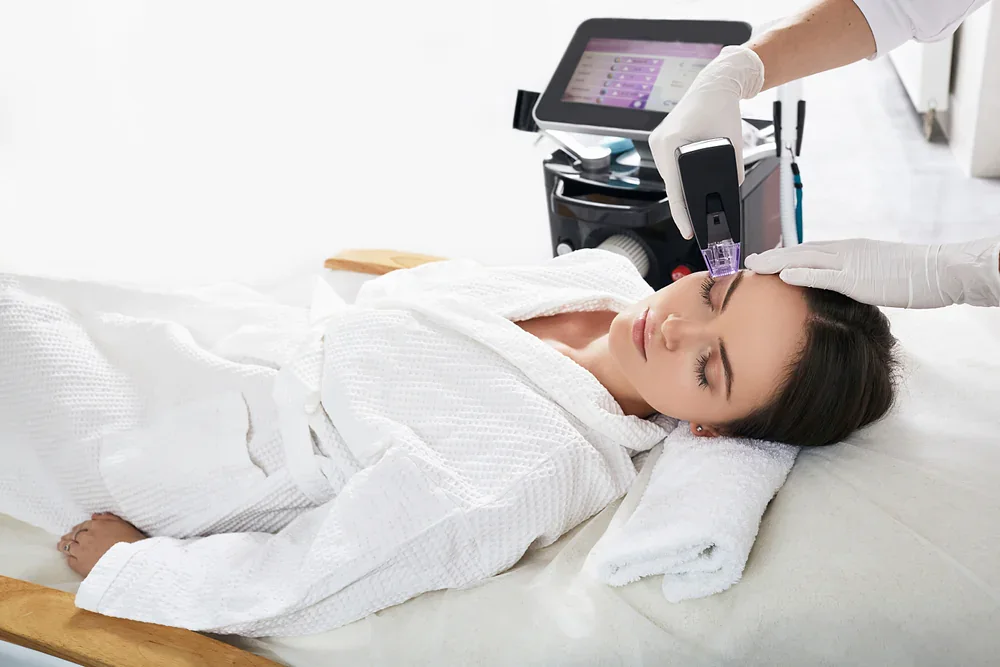
On treatment day, your skin is prepped and a topical numbing cream is applied so you’re comfortable throughout the process. We use the SkinPen, an FDA-cleared microneedling device that creates controlled micro-injuries in the skin. This triggers your body’s natural wound-healing response, which ramps up collagen and elastin production over the following weeks and months.
The treatment itself takes about 30 minutes depending on the area being treated. Afterward, your skin will be red—similar to a sunburn—but that typically fades within a day or two. We’ll send you home with clear aftercare instructions and recommend medical-grade products that support healing and maximize your results.
Most people see visible improvement after one session, but a series of three to six treatments spaced four to six weeks apart delivers the most dramatic, long-lasting change. You’re not just treating the surface. You’re rebuilding.

Ready to get started?
Microneedling is effective for acne scars, surgical scars, fine lines, wrinkles, enlarged pores, uneven texture, sun damage, and hyperpigmentation. It’s also used on the face, neck, and scalp, making it one of the most versatile skin rejuvenation treatments available.
In Four Oaks and throughout Wake County, sun damage is one of the top concerns we treat. North Carolina’s climate means year-round UV exposure, and that adds up over time. Microneedling helps reverse some of that damage by stimulating new skin cell production and improving tone and texture where sunscreen and serums fall short.
The treatment also enhances absorption of topical skincare products, so the medical-grade serums we apply during and after your session penetrate deeper and work harder. You’re not just getting microneedling—you’re getting a treatment designed to make everything else you use on your skin more effective.
Compared to laser rejuvenation, which can cost between $700 and $1,200 per session, microneedling averages around $425. It’s a more accessible option with less downtime and comparable results, especially when you’re consistent with a treatment plan.

You’ll likely notice some improvement within a few days as redness fades and your skin starts to look brighter and smoother. But the real changes happen over the next 90 to 150 days as your body produces new collagen.
Most people see visible improvement after their first session, but the results build with each treatment. By the time you finish a series of three to six sessions, the difference in texture, tone, and firmness is significant. This isn’t an instant fix—it’s a progressive improvement that lasts because it’s working with your skin’s natural healing process.
If you’re treating deeper acne scars or more advanced signs of aging, expect to be patient. The timeline is longer, but so is the payoff.
We apply a topical numbing cream before your treatment, so most people describe the sensation as mild pressure or tingling rather than pain. Everyone’s tolerance is different, but the numbing makes it manageable for the vast majority of clients.
Afterward, your skin will be red and may feel warm or tight, similar to a sunburn. That usually calms down within 24 to 48 hours. Some people experience mild flaking or dryness as the skin heals, which is completely normal and typically resolves within a week.
You can return to work and regular activities the next day in most cases. We recommend avoiding heavy exercise, direct sun exposure, and harsh skincare products for a few days while your skin recovers. It’s a short pause for long-term improvement.
Yes. We use SkinPen, which is FDA-cleared specifically for microneedling procedures. It’s been tested for safety and efficacy, and it’s designed for professional use in clinical settings like ours.
Microneedling has been widely studied and is considered a safe, minimally invasive treatment when performed by a trained, licensed professional. The controlled micro-injuries created during treatment are superficial and heal quickly, with minimal risk of complications when proper aftercare is followed.
That said, microneedling isn’t right for everyone. If you have active acne, certain skin conditions, or are pregnant, we’ll discuss alternatives during your consultation. Safety and results go hand in hand, and we don’t move forward unless we’re confident it’s the right choice for your skin.
Yes, and that’s one of the most common reasons people book this treatment. Microneedling is particularly effective for atrophic acne scars—the indented or pitted scars that don’t respond well to topical treatments. By stimulating collagen production in the deeper layers of skin, it helps fill in and smooth out those areas over time.
For hyperpigmentation, microneedling accelerates cell turnover and allows medical-grade brightening serums to penetrate more effectively. Sun damage, melasma, and post-inflammatory hyperpigmentation all respond well when treated consistently.
You won’t see overnight results, but after a series of treatments, the improvement in tone and texture is significant. If scarring or pigmentation has been a long-term frustration, this is one of the few treatments that actually addresses the root cause instead of just covering it up.
Pricing varies depending on the treatment area and whether you’re booking a single session or a package. On average, professional microneedling costs around $425 per session, which is significantly less than laser treatments that can run $700 to $1,200.
Most people need three to six sessions spaced four to six weeks apart to see optimal results. Your skin concern, age, and goals all factor into the recommendation. During your free consultation, we’ll give you a clear treatment plan and pricing so there are no surprises.
If you’re comparing this to at-home derma rollers, understand that professional microneedling uses deeper, more controlled penetration with medical-grade technology. The results aren’t comparable. You’re investing in real collagen induction therapy, not a surface-level DIY.
Before your appointment, avoid retinoids, exfoliating acids, and any harsh treatments for at least three to five days. Come in with clean skin—no makeup, no heavy products. If you’re prone to cold sores, let us know ahead of time so we can take preventive measures.
After treatment, keep your skin clean and moisturized with the products we recommend. Avoid direct sun exposure and wear a broad-spectrum SPF daily. Don’t use active ingredients like retinol, vitamin C, or acids for at least a week while your skin heals.
Your skin will be more sensitive than usual, so treat it gently. No picking, scratching, or aggressive cleansing. The better you follow aftercare instructions, the better your results will be. We’ll give you a detailed plan before you leave so you know exactly what to do.