Hear from Our Customers
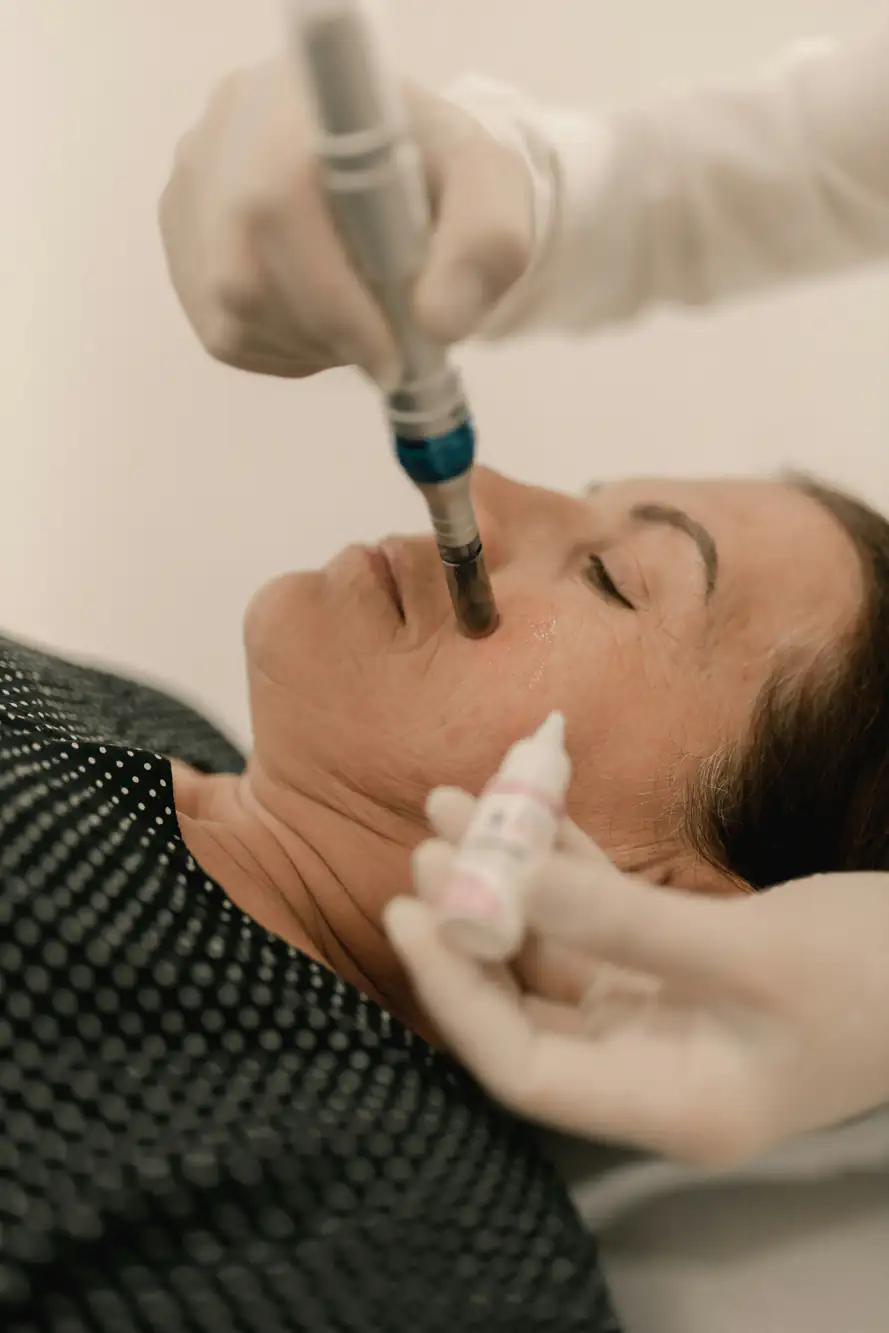
You’ve tried serums, peels, and every product promising to fade those acne scars or smooth out texture. Some helped a little. Most didn’t do much at all.
Microneedling works differently because it triggers your skin to repair itself from the inside. The controlled micro-injuries from SkinPen stimulate collagen production—the protein that keeps skin firm, smooth, and resilient. Within weeks, you’ll notice scars softening, pores tightening, and that dull, uneven tone starting to even out.
This isn’t about covering up damage. It’s about reversing it. And for people in Garner dealing with stubborn skin issues that won’t respond to topical treatments alone, that difference matters.
You’re not looking for another product to add to your routine. You want your skin to look better when you wake up, before you put anything on it. That’s what collagen induction therapy delivers—and why it’s become one of the most requested treatments for acne scarring, sun damage, and aging skin.
We’re led by Jacqueline Grace, a licensed esthetician who’s been named Best Esthetician in Wake County three years running. She’s also earned first place internationally in the Pigmentation Artist of the Year category at The Skin Games—a competition that draws top practitioners from around the world.
That’s not luck. It’s skill, training, and a level of precision most spas can’t match.
Jacqueline holds a HydraFacial Master Certification, making her one of fewer than 100 practitioners worldwide to reach that level. She’s also trained extensively in SkinPen microneedling and medical-grade skincare, combining science-backed techniques with a personalized approach that starts with a free consultation.
We serve 22 cities across Wake County, including Garner, Raleigh, Cary, and Knightdale. If you’re tired of cookie-cutter treatments and want someone who actually understands skin—not just sells services—this is where you go.
Your first visit starts with a free consultation. Jacqueline evaluates your skin, talks through your concerns, and builds a treatment plan based on what you’re dealing with—not a generic protocol.
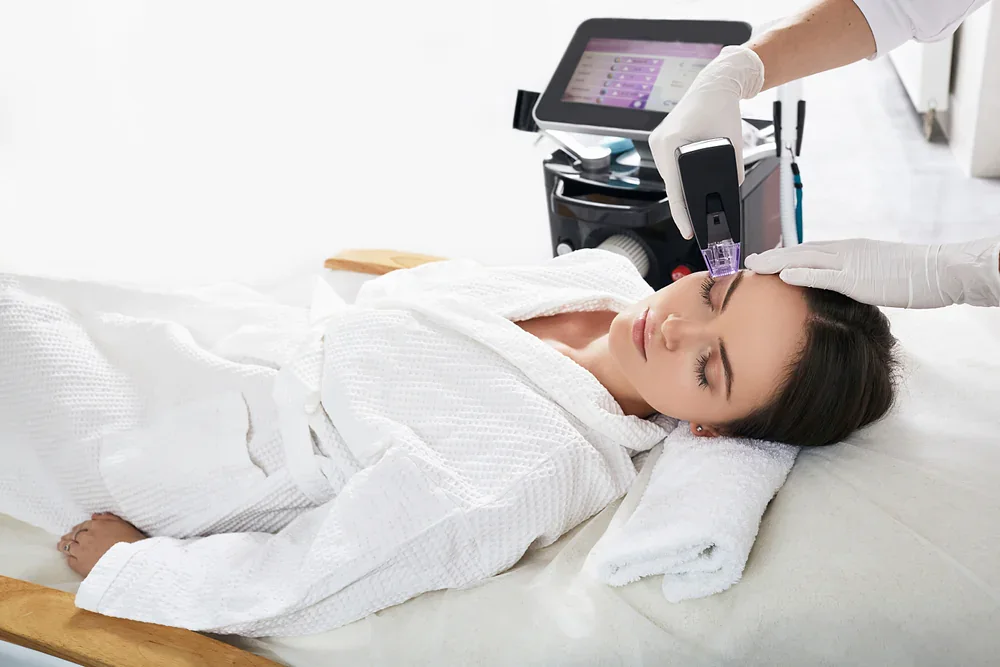
On treatment day, your skin is cleansed and a topical numbing cream is applied so you stay comfortable. The SkinPen device creates thousands of controlled micro-channels in your skin, triggering your body’s natural healing response. This is where collagen and elastin production kick in.
The session takes about 30 to 45 minutes depending on the area treated. Afterward, your skin will look pink—similar to a mild sunburn—but that fades within a day or two. Most people return to normal activities the next day.
You’ll start seeing improvements around two to three weeks as new collagen forms. For deeper concerns like acne scars or significant sun damage, a series of three to six treatments spaced four weeks apart usually delivers the best results. Each session builds on the last, and the changes are cumulative.
There’s no laser, no incisions, and no lengthy recovery. Just your skin doing what it’s designed to do—heal and rebuild.

Ready to get started?
Every microneedling session at Wake Skincare includes a personalized skin assessment, FDA-approved SkinPen treatment, and post-care guidance to protect your results. You’re not handed a brochure and sent home—you get clear instructions on what to use, what to avoid, and what to expect as your skin heals.
Treatments can be customized to target specific areas: full face, neck, décolletage, or focused zones like acne scars on the cheeks or fine lines around the eyes. Jacqueline adjusts needle depth and technique based on your skin type, thickness, and the concern being treated.
For clients in Garner and nearby areas like Clayton, Fuquay-Varina, and Apex, we also offer combination treatments that pair microneedling with other modalities for enhanced results. That might include a HydraFacial beforehand to prep the skin, or medical-grade serums applied during treatment to boost absorption and accelerate healing.
The average cost of professional microneedling in the area runs around $425 per session, which is significantly less than laser resurfacing and comes with fewer risks for darker skin tones. You’re investing in a treatment that’s safe, effective, and backed by someone who’s proven her expertise on an international stage.

Yes, and it’s one of the most common reasons people book this treatment. Acne scars form when inflammation damages the skin’s collagen structure, leaving behind pitted or raised areas that don’t heal on their own.
Microneedling addresses this by creating controlled micro-injuries that force your skin to produce new collagen and remodel scar tissue. Over a series of treatments, the depth of atrophic scars decreases and texture becomes noticeably smoother. Research shows significant improvement in acne scarring after 90 to 150 days following the first session.
It won’t erase every scar completely, but it can reduce their appearance by 50% or more depending on severity. For people in Garner who’ve been dealing with scarring for years, that’s a major shift—and often the first treatment that’s actually made a visible difference.
Your skin will be pink and slightly swollen immediately after, similar to a moderate sunburn. That usually peaks within the first 24 hours and fades over the next day or two.
Most people feel comfortable going back to work or regular activities the next day, especially if they use a good mineral sunscreen and avoid heavy makeup. Some redness might linger for up to three days, but it’s manageable and not the kind of downtime that keeps you home for a week.
You’ll want to skip intense workouts, saunas, and direct sun exposure for about 48 hours post-treatment. Your skin is in active repair mode, and you don’t want to irritate it or introduce bacteria while those micro-channels are still open. Follow the aftercare instructions you’re given, and healing goes smoothly.
Yes. Unlike some laser treatments that carry a higher risk of hyperpigmentation or burns on darker skin, microneedling is considered safe for all skin types, including Fitzpatrick types IV, V, and VI.
The treatment doesn’t use heat or light energy that can trigger melanin production unevenly. Instead, it relies on mechanical stimulation to promote collagen growth, which makes it a much safer option for people with melanin-rich skin who want to address scarring, texture, or aging without the risk.
That said, technique and experience matter. Jacqueline has extensive training in treating diverse skin types and adjusts needle depth and post-care protocols based on your individual skin response. If you’ve been told you’re not a candidate for laser resurfacing, microneedling might be exactly what you need.
It depends on what you’re treating. For general texture improvement, fine lines, or early signs of aging, you might see noticeable results after one or two sessions.
For deeper concerns like acne scars, sun damage, or significant wrinkles, most people need a series of three to six treatments spaced about four weeks apart. Each session builds on the previous one as collagen continues to form and remodel over time.
You’ll start seeing changes around two to three weeks after your first treatment, and results continue improving for up to six months as your skin produces new collagen. During your free consultation, Jacqueline will give you a realistic timeline based on your specific skin concerns and goals—not a sales pitch for more sessions than you actually need.
Not really. A topical numbing cream is applied about 30 minutes before treatment, so most people describe the sensation as mild pressure or a light scratching feeling—not pain.
Sensitive areas like around the nose or closer to the bone might feel slightly more intense, but it’s tolerable and quick. The numbing cream does most of the work, and the SkinPen device is designed to minimize discomfort compared to older microneedling tools.
If you have a low pain threshold or you’re nervous, let Jacqueline know during your consultation. She can adjust the approach or give extra time for numbing to make sure you’re comfortable throughout the session. The goal is results, not suffering through a treatment.
Yes, and combining treatments often enhances results. Many clients pair microneedling with a HydraFacial beforehand to deeply cleanse and prep the skin, which allows for better product absorption during the microneedling session.
Medical-grade serums containing growth factors, hyaluronic acid, or peptides can also be applied during treatment. The micro-channels created by the SkinPen allow these ingredients to penetrate much deeper than they would sitting on top of intact skin, amplifying their effectiveness.
Jacqueline designs combination protocols based on your skin type and goals. If you’re dealing with multiple concerns—say, acne scars plus hyperpigmentation—she’ll map out a treatment plan that addresses both without overwhelming your skin. That personalized approach is what sets us apart from clinics that offer one-size-fits-all packages.