Hear from Our Customers
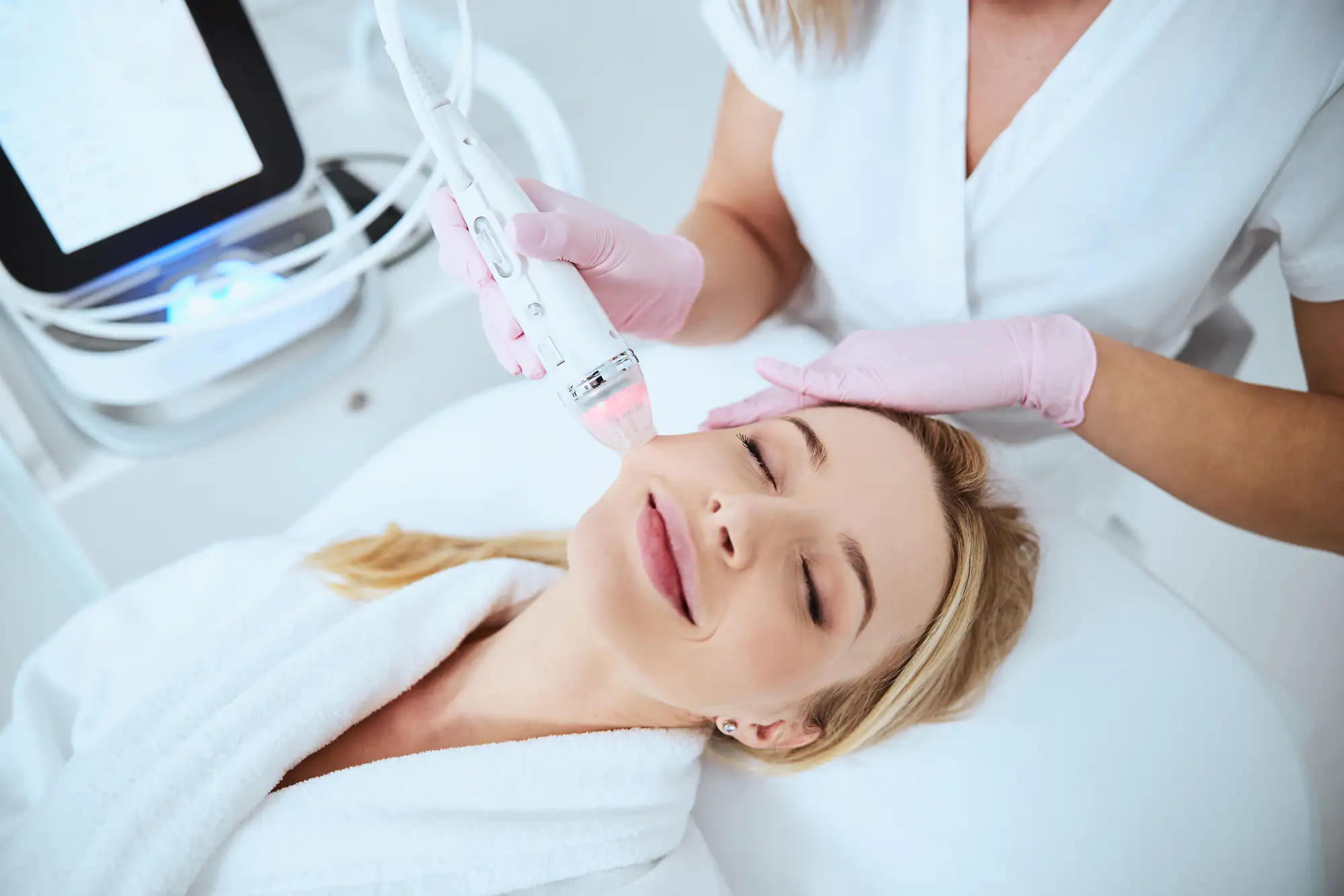
Microneedling works by creating controlled micro-injuries that trigger your skin’s natural healing response. That means increased collagen and elastin production—the proteins that keep your skin firm and smooth.
You’re not covering up problems. You’re addressing what’s happening beneath the surface.
Most people see improvement in skin texture within a few weeks. Acne scars start to soften. Fine lines become less noticeable. Pores look smaller. The results build over time because your skin is actually producing new collagen, not just temporarily plumping up.
This isn’t about one dramatic before-and-after. It’s about consistent improvement that looks natural because it is natural. Your skin doing what it’s supposed to do, with a little professional help to get there.
We serve Middlesex and the broader Wake County area with medical-grade treatments that actually work. Jacqueline Grace has been named Best Esthetician in Wake County three years running, and she’s a first-place winner in Pigmentation Artist of the Year at The Skin Games international competition.
That’s not marketing talk. That’s recognition from industry professionals who know what good work looks like.
Every treatment here is supervised by Dr. Joel Hummel, so you’re getting the expertise of a medical director combined with the personalized care of an esthetician who’s HydraFacial Master Certified. You’re also getting FDA-approved equipment—specifically SkinPen, the only FDA-approved microneedling device in its class. Middlesex residents don’t need to drive into Raleigh or Durham for this level of care.
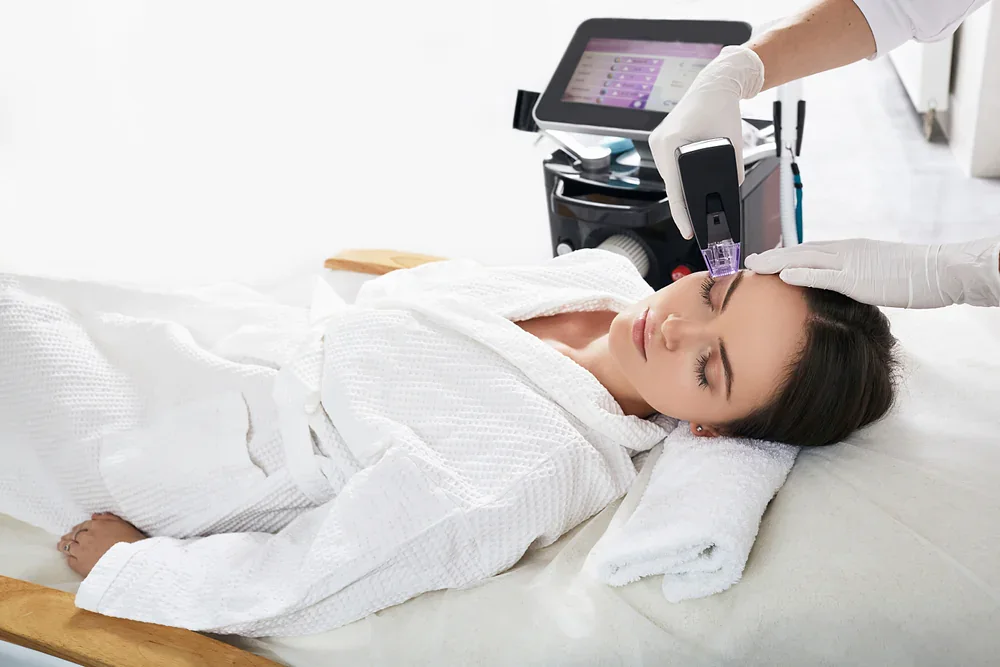
You’ll start with a free consultation where we evaluate your skin and talk about what you’re trying to fix. No pressure, no upselling—just an honest conversation about whether microneedling makes sense for your specific concerns.
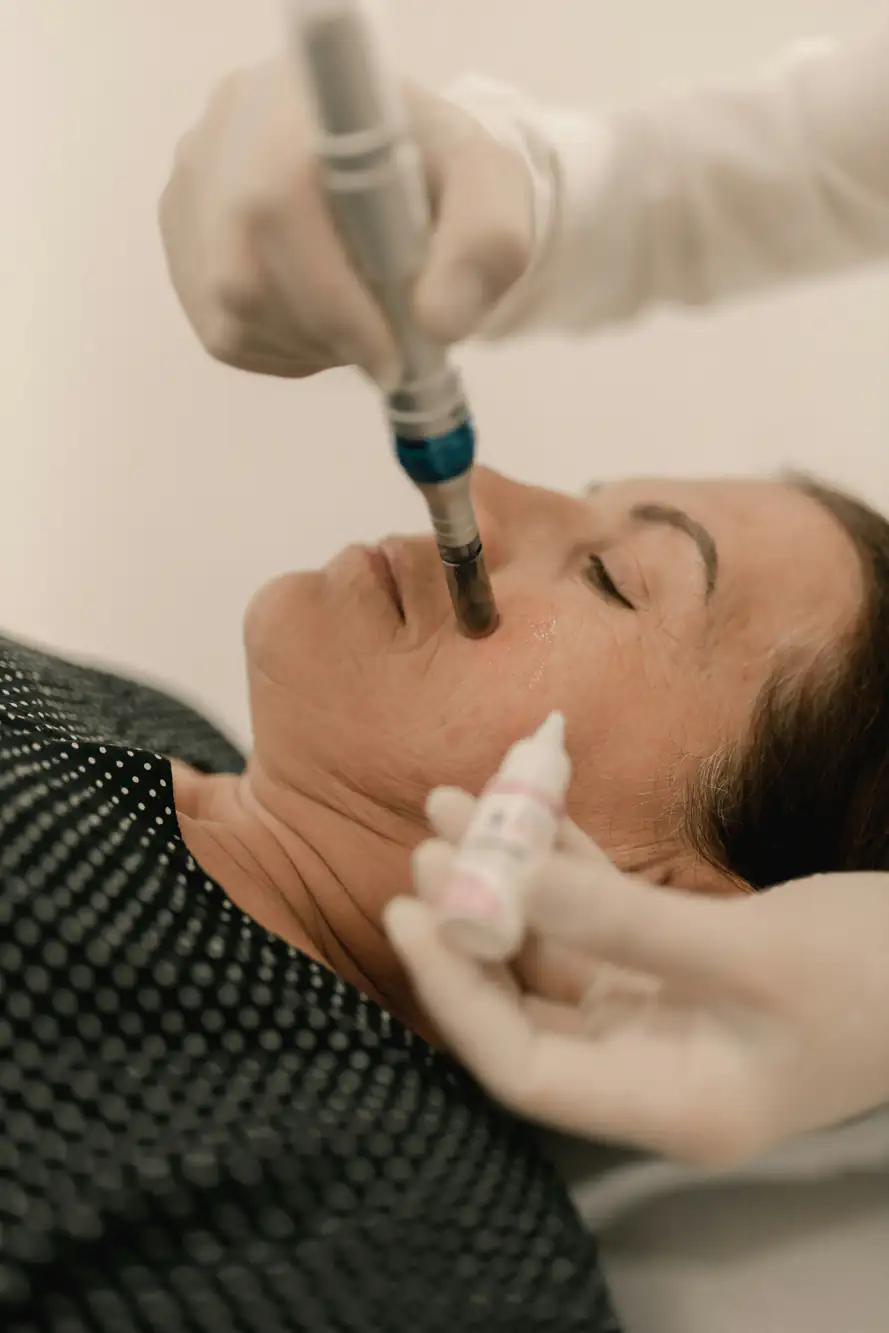
On treatment day, we apply numbing cream so you’re comfortable throughout the process. Most people describe the sensation as a light vibration or buzzing, not pain. The SkinPen device adjusts to different depths depending on what area we’re treating and what results you need.
Your skin will look pink afterward, similar to a mild sunburn. That typically lasts 24 to 48 hours. You might experience some dryness or light flaking for about a week as your skin renews itself.
Results start showing up one to two weeks later as collagen production ramps up. Most people need at least three treatments spaced four weeks apart to see significant changes. That’s not a sales tactic—it’s how collagen induction therapy actually works. Your skin needs time to rebuild.

Ready to get started?
We use SkinPen microneedling, which is FDA-approved and safe for all skin types. That’s especially important if you have darker skin, since microneedling doesn’t disrupt melanocytes the way some laser treatments do.
We can treat your face, neck, chest, and hands. The treatment depth is customizable, so we’re addressing exactly what you need—whether that’s surface-level texture issues or deeper acne scarring.
Middlesex and the surrounding Wake County area deal with a lot of sun exposure and humidity, which means hyperpigmentation and texture concerns are common here. Microneedling addresses both by promoting even skin tone and smoothing out rough patches. You’ll also absorb your skincare products more effectively after treatment, so the serums and moisturizers you’re already using actually penetrate deeper.
This isn’t just about looking better for an event, though plenty of people book treatments before weddings or reunions. It’s about long-term skin health and feeling confident without a full face of makeup.

Most people don’t describe microneedling as painful when it’s done correctly with numbing cream. We apply a topical anesthetic about 30 minutes before your treatment, which takes care of most discomfort.
What you’ll feel is a vibrating or buzzing sensation as the SkinPen moves across your skin. Some areas are more sensitive than others—around the nose and forehead tend to be more noticeable than cheeks, for example. But it’s not the kind of pain that makes you want to stop the treatment.
If you’ve ever had a facial or other skincare treatment, this is less uncomfortable than extractions and way less intense than laser treatments. The numbing cream does its job. You might feel a bit of pressure or tingling, but that’s about it.
Your skin will be pink for the rest of the day and possibly the next day, similar to a sunburn. Most people are comfortable going back to work the day after treatment, especially if they work in a casual environment where a little redness isn’t a big deal.
You should wait 24 hours before applying makeup to let your skin start healing without interference. After that, mineral-based makeup is fine. Avoid heavy foundations or anything with harsh chemicals for the first few days.
If you have an important event coming up, schedule your microneedling at least a week out. That gives your skin time to move past the pink stage and start showing the actual results—smoother texture and improved tone. Some people experience light peeling around day three or four, which is normal and means your skin is renewing itself.
At-home derma rollers don’t penetrate deep enough to trigger real collagen production. They might help with product absorption, but they’re not doing the same thing as professional microneedling.
SkinPen, which we use here, is FDA-approved and adjustable to different depths depending on what we’re treating. We can go deeper for acne scars and lighter for fine lines or sensitive areas. At-home devices can’t do that, and they’re not sterile in the same way medical-grade equipment is.
There’s also the licensing issue. In North Carolina, true microneedling requires a special license. Most estheticians use nano-needling pens, which are different and less effective. When you come here, you’re getting actual microneedling performed by someone who’s trained, certified, and working under medical supervision. That’s not something you can replicate at home, and it’s why the results are so much better.
Most people need at least three treatments spaced four weeks apart to see significant improvement. That’s because collagen production takes time—your skin doesn’t rebuild overnight.
You might notice some texture improvement after the first session, but the real changes happen as collagen accumulates over multiple treatments. Think of it like working out. One gym session won’t transform your body, but consistent effort over a few months will.
After your initial series, some people come back a few times a year for maintenance. Others are happy with their results and don’t need additional treatments for a while. It depends on your skin concerns and goals. During your free consultation, we’ll give you a realistic timeline based on what you’re dealing with—whether that’s acne scars, fine lines, or general texture issues.
Microneedling is actually one of the most effective treatments for acne scars, especially the rolling or boxcar types that create uneven texture. The controlled micro-injuries break down old scar tissue and stimulate new collagen formation, which fills in depressed areas over time.
Fine lines respond well too, but acne scarring is where a lot of people see the most dramatic improvement. That’s because you’re addressing structural damage in the skin, not just surface-level concerns.
Hyperpigmentation, enlarged pores, and sun damage also improve with microneedling. It’s a versatile treatment because it’s working with your skin’s natural healing process rather than forcing a specific outcome. If you’ve tried chemical peels or lasers without much success, microneedling might be the option that finally works. It’s safe for all skin types and doesn’t carry the same risk of post-inflammatory hyperpigmentation that some other treatments do.
Microneedling typically costs between $200 and $800 per session depending on the treatment area and how many sessions you need. That’s comparable to other professional skincare treatments, but the results tend to last longer because you’re building actual collagen.
Compare that to fillers, which need to be redone every six to twelve months, or facials, which are great for maintenance but don’t address deeper skin concerns. Microneedling gives you structural improvement that continues even after your treatment series is done.
You’re investing in long-term skin health, not just a temporary fix. For people dealing with acne scars or significant texture issues, that makes it worth the cost. You’re also getting FDA-approved technology and award-winning expertise here, which matters when someone’s working on your face. The free consultation helps you figure out if it makes sense for your budget and your goals before you commit to anything.