
Hear from Our Customers
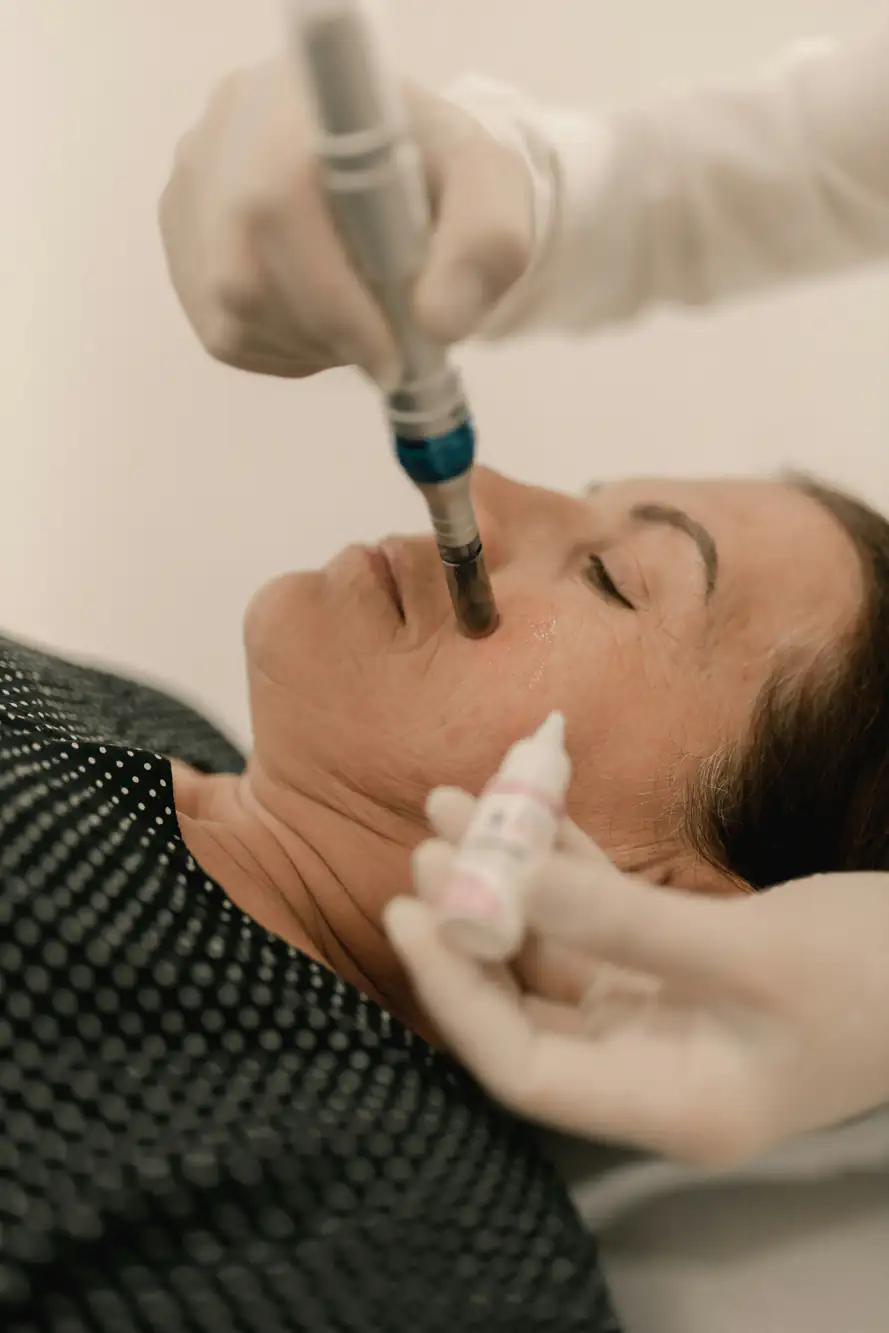
You’re not looking for another product that might work. You want visible improvement in the things that bother you most—acne scars that won’t fade, pores that look bigger every year, fine lines that makeup can’t hide anymore.
Microneedling triggers your skin to produce new collagen naturally. That means smoother texture, smaller-looking pores, and softer lines within weeks. Clinical studies show a 400% increase in collagen production six months after your final session when you complete four treatments spaced a month apart.
The treatment itself takes about 30 minutes. You’ll look pink for a day or two, like you spent time in the sun. After that, redness fades and your skin starts doing the work. No harsh chemicals, no heat damage, no wondering if it’s safe for your skin type—because SkinPen is FDA-cleared for all skin tones.
Most people see noticeable changes after three sessions. If you’re dealing with deeper acne scarring or more advanced signs of aging, a fourth or fifth treatment gives you better results. Your skin doesn’t stop improving after your last appointment either—collagen keeps building for months.
We opened in Wake Forest right before COVID hit, which tells you something about our commitment. Jacqueline Grace, our licensed esthetician and founder, was named Best Esthetician in Wake County three years running. She also placed first internationally in the Pigmentation Artist of the Year category at The Skin Games, competing against practitioners from around the world.
She’s one of fewer than 100 people globally to hold HydraFacial Master Certification. That’s not a weekend course—it’s advanced training that most aestheticians never pursue. When you’re getting microneedling here, you’re working with someone who understands skin at a level most clinics can’t match.
Pine Level is about 30 minutes from Wake Forest, and plenty of clients make the drive because they want someone who knows what they’re doing. Free consultations mean you’re not guessing whether this treatment makes sense for your skin. You sit down, talk through what’s bothering you, and get a real answer about what microneedling can and can’t fix.
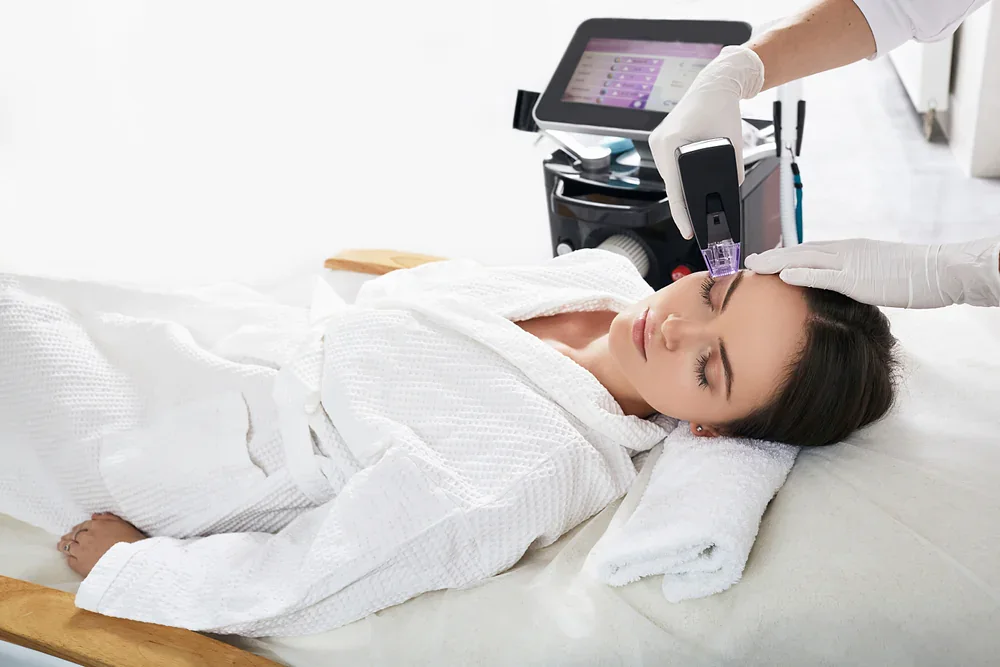
Your first step is a free consultation. You’ll talk through your skin concerns—whether that’s acne scarring, sun damage, texture issues, or aging. Jacqueline evaluates your skin type and explains what microneedling will realistically do for you. No overselling, no vague promises.
On treatment day, your skin gets cleansed and a topical numbing cream goes on for about 20 minutes. Once you’re comfortable, the SkinPen creates controlled micro-injuries in your skin using sterile, single-use needle cartridges. This sounds more intense than it feels—most people describe it as light pressure or tingling, not pain.
The device moves across treatment areas in a specific pattern. Depth settings adjust based on what you’re treating and where. Delicate areas like around your eyes get shallower penetration. Thicker skin on your cheeks can handle deeper treatment for better collagen response.
Right after, your skin looks flushed and feels tight. That’s normal and expected. You’ll get clear aftercare instructions—mainly keeping your skin clean, avoiding sun exposure, and skipping active ingredients like retinol for a few days. Most people go back to normal activities the next day, though you might still have some pinkness.
Results start showing up around week three. Your skin looks brighter first, then texture smooths out, then you notice the deeper improvements like reduced scarring and softer lines. Each session builds on the last one.

Ready to get started?
Every microneedling session at Wake Skincare includes the consultation, the treatment, and the follow-up guidance you need to get the best results. You’re using FDA-cleared SkinPen technology, which matters because it’s the only microneedling device with actual FDA clearance for treating acne scars and neck wrinkles.
The numbing cream is included—you’re not paying extra to be comfortable. Treatment time runs about 30 minutes depending on how many areas you’re addressing. Face, neck, and décolletage are common zones, and you can combine areas in one session.
For clients in Pine Level and the surrounding Johnston County area, this kind of advanced treatment usually means driving to Raleigh or Cary. We bring the same level of expertise and technology you’d find in those bigger markets, but with the personalized attention that gets lost at high-volume clinics. You’re not getting shuffled through appointments—you’re getting a customized treatment plan that adjusts based on how your skin responds.
If you want to accelerate results, microneedling pairs well with PRP therapy. That’s where your own platelet-rich plasma gets applied during treatment to boost collagen production even more. It’s an add-on option, not a requirement, and Jacqueline will tell you honestly whether it makes sense for your goals.

Most people need three to four sessions spaced about four weeks apart. You’ll start seeing improvements after the first treatment—brighter skin, smoother texture—but the deeper changes like reduced acne scarring and softer fine lines build over time.
Your skin needs about a month between sessions to complete its collagen production cycle. Booking treatments too close together doesn’t speed up results, it just irritates your skin. Spacing them properly gives each session time to work.
If you’re dealing with significant acne scarring or advanced aging, you might benefit from five or six sessions. That’s something you’ll discuss during your consultation based on what your skin actually looks like, not a sales pitch to book more appointments. Some clients also come back once or twice a year for maintenance after their initial series.
The treatment itself doesn’t hurt because you get numbing cream first. Most people describe the sensation as light scratching or vibration. It’s not comfortable exactly, but it’s not painful either.
Right after treatment, your skin looks and feels like a moderate sunburn. You’ll be pink or red depending on your skin tone, and your face might feel tight or warm for a few hours. That usually peaks the day of treatment and the next morning, then starts calming down.
By day two or three, the redness fades significantly. Some people get light flaking or peeling around day three or four, but it’s minimal—not the dramatic peeling you’d see with a chemical peel. Most clients go back to work the next day wearing mineral makeup if needed. You just need to avoid intense workouts, hot showers, and sun exposure for about 48 hours while your skin heals.
Yes. SkinPen is FDA-cleared for all skin types, including darker tones that can’t safely do certain laser or heat-based treatments. That’s one of the main reasons people choose microneedling over other options.
Treatments that use heat or light energy can cause hyperpigmentation in darker skin. Microneedling doesn’t use heat—it’s purely mechanical. The tiny needles create controlled injuries that trigger collagen production without the risk of burning or discoloring your skin.
If you have sensitive skin or conditions like rosacea, that doesn’t automatically rule you out. The depth and intensity of treatment adjust based on your skin’s needs. During your consultation, Jacqueline evaluates your skin type, any sensitivities, and your medical history to make sure microneedling is appropriate. Some people can’t do the treatment—like if you’re pregnant, have active infections, or take certain medications—but most skin types handle it well.
At-home derma rollers and pens don’t penetrate deep enough to trigger real collagen production. They might help skincare products absorb better, but they’re not doing what professional microneedling does.
SkinPen uses sterile, single-use needle cartridges and penetrates up to 2.5 millimeters depending on what you’re treating. At-home devices max out around 0.25 millimeters because going deeper without proper training and numbing would be painful and risky. That shallow depth can improve surface texture slightly, but it won’t reduce acne scars or stimulate significant collagen remodeling.
There’s also a safety factor. Professional microneedling happens in a controlled, sterile environment. At-home devices can cause infections or scarring if you’re not careful about sanitization or if you use too much pressure. You’re also not getting the benefit of someone who knows how to adjust depth and technique based on your specific skin concerns and anatomy.
Microneedling typically runs between $200 and $800 per session depending on the provider, location, and treatment area. At Wake Skincare, you’ll get exact pricing during your free consultation based on what you’re treating and how many sessions you’ll need.
Here’s the reality: three to four sessions will cost you somewhere in the range of $800 to $2,400 total for most people. That’s not cheap, but compare it to the cost of products that don’t work, makeup you buy to cover texture issues, or more invasive procedures down the road.
The results last. You’re not paying for temporary improvement that disappears in a few weeks. The collagen your skin produces during treatment continues developing for six months after your last session, and those improvements stick around for a year or longer. Many clients do maintenance sessions once or twice a year to keep results going, but you’re not locked into monthly treatments forever. If your main concern is acne scarring or skin texture that’s bothering you daily, most people feel the investment is worth it once they see actual improvement.
Yes, but timing matters. Microneedling works well with treatments like HydraFacial, chemical peels, and PRP therapy, but you need to space them correctly so you’re not over-treating your skin.
If you’re doing regular HydraFacials, you’d typically schedule those a week or two before or after microneedling. The HydraFacial preps your skin and clears out congestion, then microneedling does the deeper collagen work. Some people alternate treatments throughout the year based on what their skin needs at the time.
You’ll need to pause active ingredients like retinol, vitamin C, and acids for about three to five days before and after microneedling. Your skin is more sensitive during that window, and those products can cause irritation. If you’re on prescription tretinoin or doing regular chemical peels, mention that during your consultation so Jacqueline can adjust your treatment plan. The goal is to enhance your results, not irritate your skin or waste money on treatments that work against each other.