Hear from Our Customers
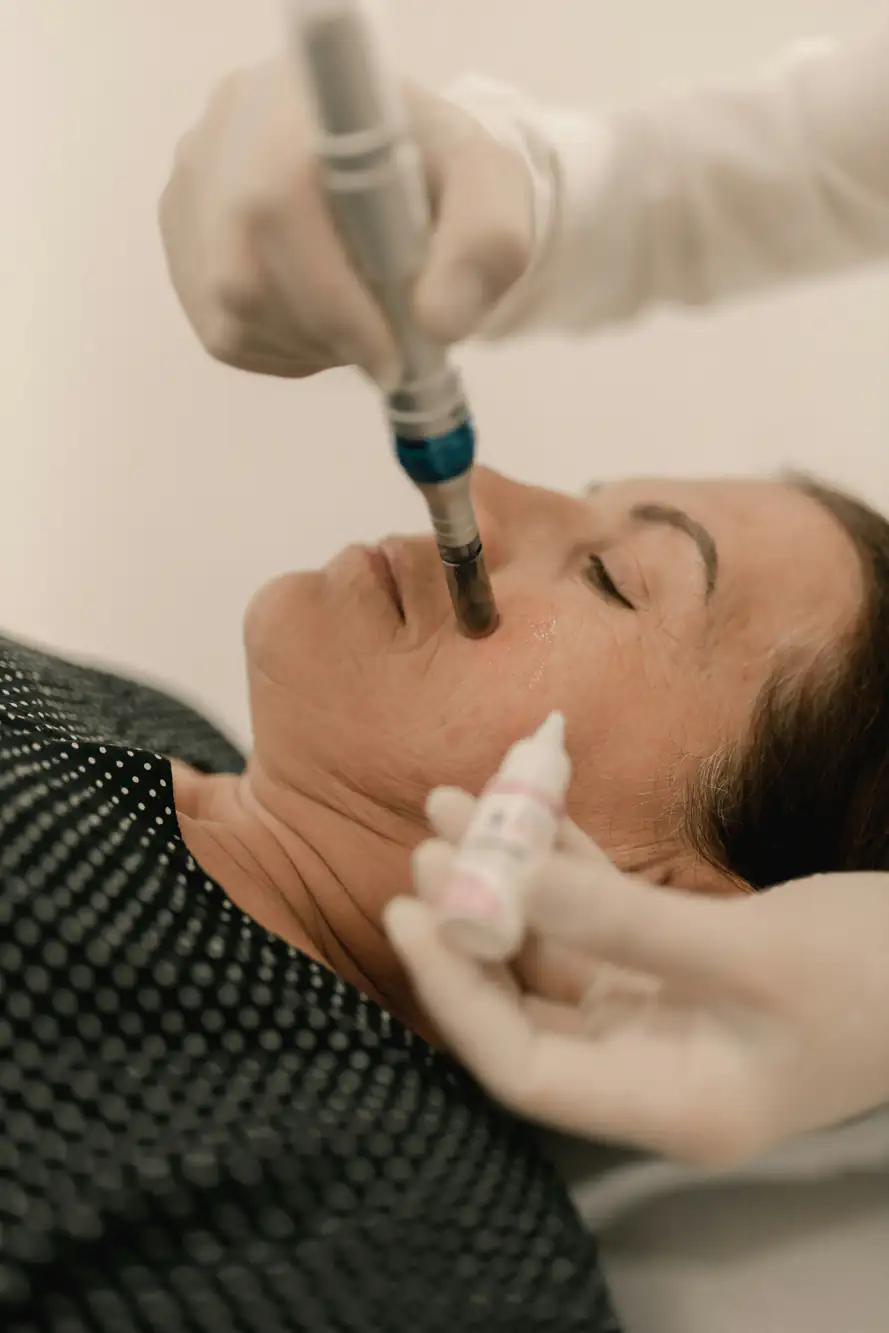
You’ve probably tried serums, creams, and at-home devices that promise to fix acne scars or smooth out fine lines. They sit on the surface. Microneedling works differently because it creates controlled micro-injuries that force your skin to produce new collagen and elastin.
After a series of treatments, you’ll notice your pores look smaller. Acne scars that have been there for years start to fade. Fine lines soften because your skin is actually thicker and healthier, not just temporarily plumped.
The results build over time. Research shows that four sessions spaced one month apart can increase collagen and elastin production by 400% six months after your final treatment. That’s not marketing language—that’s what happens when you give your skin the right stimulus to repair itself.
Living in Stem means dealing with humidity that clogs pores in summer and sun exposure that accelerates aging year-round. Microneedling addresses both issues at once by clearing congestion and repairing sun damage at the dermal level.
We’ve been recognized as the Best Esthetician in Wake County for three consecutive years. That recognition comes from results, not just good service.
Jacqueline Grace holds HydraFacial Master Certification and placed first internationally in the Pigmentation Artist of the Year category at The Skin Games. She’s one of fewer than 100 practitioners worldwide to achieve this level of training.
You’re not booking with someone who took a weekend course. You’re working with someone who understands how North Carolina’s climate affects your skin and knows how to customize treatments for lasting results. Every consultation is one-on-one, and every treatment plan is built specifically for what your skin needs right now.
Your first visit starts with a free consultation. You’ll talk through what’s bothering you about your skin—whether that’s acne scarring, sun damage, large pores, or signs of aging. No pressure, no upselling. Just an honest conversation about what microneedling can and can’t do for your specific concerns.
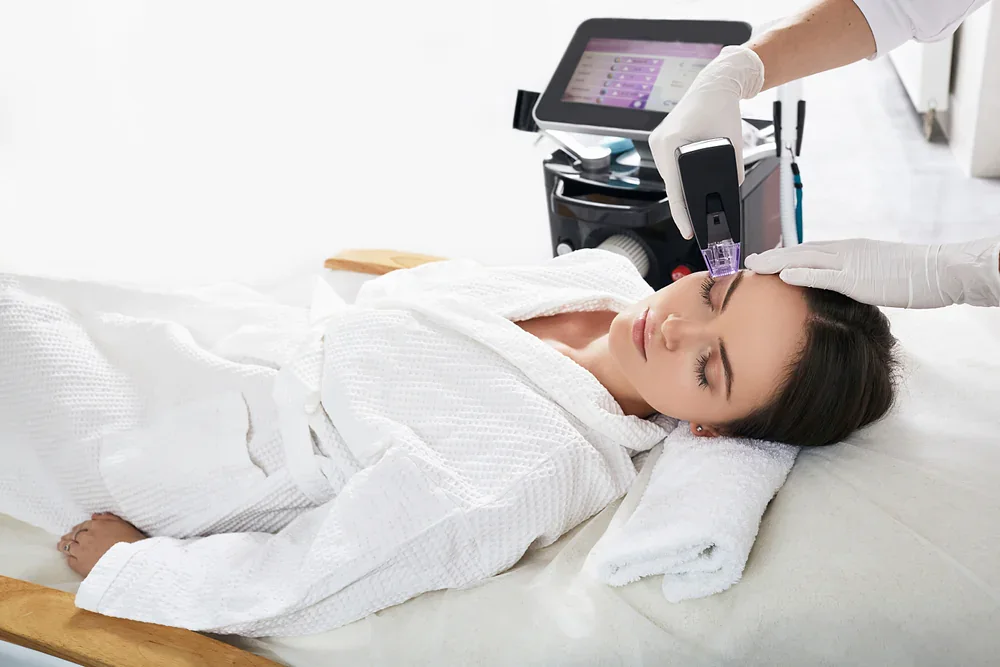
During the treatment itself, we use the FDA-approved SkinPen device. It creates thousands of tiny channels in your skin at a controlled depth. This triggers your body’s natural healing response, which floods the area with growth factors and starts building new collagen.
The session takes about 30 minutes. Your skin will be red afterward—similar to a moderate sunburn—and that redness typically lasts for the day of treatment and possibly the next day. You might also experience some dryness and light flaking for about a week as your skin renews itself.
Most people see noticeable improvements after just one session, but real transformation happens with a series of three treatments spaced about four weeks apart. That timing matters because it gives your skin time to complete its healing cycle before the next stimulus.

Ready to get started?
Each microneedling treatment includes a thorough skin analysis before we start. Your skin changes with the seasons, stress levels, and hormones. What worked last month might need adjustment this month.
We use medical-grade numbing cream to keep you comfortable during the procedure. The SkinPen device is adjustable, so the needle depth is customized based on what we’re treating and where on your face we’re working. Delicate areas around your eyes need a different approach than thicker skin on your cheeks.
After the microneedling portion, we apply serums packed with hyaluronic acid, peptides, and antioxidants. Those tiny channels we just created allow these ingredients to penetrate much deeper than they ever could on intact skin. You’re not just getting surface hydration—you’re delivering active ingredients directly to the dermal layer where they can actually work.
You’ll leave with specific aftercare instructions. For the first 24 hours, your skin needs to be left alone—no makeup, no active ingredients, no sweating. After that, you’ll use gentle, hydrating products for about a week while your skin completes its healing process. We’ll give you everything you need to know before you walk out the door.

Microneedling has solid clinical evidence behind it, particularly for atrophic acne scars—the indented kind that most people struggle with. The FDA approved SkinPen specifically for treating acne scars because the research showed consistent improvement across multiple studies.
Here’s why it works: acne scars form when your skin tries to heal from inflammation but produces too little collagen in that specific area. The result is an indentation. Microneedling creates controlled injury in that exact spot, which forces your body to deposit new collagen and fill in the depression from below.
You won’t see dramatic changes after one session. Acne scars took months or years to form, and they take time to improve. Most people need three to six treatments spaced four weeks apart to see significant results. The scars don’t disappear completely, but they become noticeably shallower and less visible. That’s realistic, and that’s what the research shows.
At-home derma rollers penetrate about 0.25mm into your skin. That’s enough to help products absorb better, but it’s not deep enough to trigger real collagen production. Professional microneedling with SkinPen reaches depths of 0.5mm to 2.5mm, depending on what we’re treating.
The depth matters because collagen lives in the deeper dermal layer of your skin. Surface-level punctures don’t reach that layer. Professional devices also create clean, vertical channels that heal predictably. Derma rollers create angled tears because of the rolling motion, which can cause more inflammation and less consistent results.
There’s also the sterility factor. The SkinPen uses single-use, disposable needle cartridges. At-home rollers are difficult to truly sterilize between uses, which increases your risk of infection—especially problematic if you’re dealing with active acne. Professional treatments are performed in a controlled environment with proper numbing, technique, and aftercare. You’re not just paying for the device. You’re paying for expertise and safety.
Your skin will be red and feel tight immediately after treatment—think moderate sunburn. That redness is most intense for the first few hours and typically calms down significantly by the next day. Some people are back to normal within 24 hours. Others have lingering pinkness for two to three days.
You can’t wear makeup for the first 24 hours because your skin is essentially an open wound during that time. After that first day, you can use mineral makeup if needed, though your skin might still be slightly pink underneath. Plan your appointments around your schedule. If you have a big event coming up, book your treatment at least a week in advance.
You’ll also experience some dryness and flaking around days three through seven as your skin sheds the damaged surface layer and reveals the fresh skin underneath. This isn’t painful, but it’s visible. Keep your skin hydrated with gentle, fragrance-free products during this time. Avoid anything active like retinol, acids, or vitamin C until your skin has fully healed. Sun exposure needs to be minimal, and sunscreen is non-negotiable.
You’ll see some improvement after your first session—better texture, a bit of glow, slightly smaller pores. But those initial results are mostly from the healing response and increased product absorption, not from new collagen yet. Collagen production takes time.
Real, lasting results require a series of three treatments minimum, spaced four to six weeks apart. That timing allows your skin to complete one full healing cycle before you stimulate it again. If you’re treating deeper concerns like significant acne scarring or advanced sun damage, you might need four to six sessions.
After you complete your initial series, maintenance treatments every six to twelve months help sustain your results. Your skin will continue producing collagen for up to six months after your last treatment, so you’re not starting from zero when you come back for maintenance. Think of it like working out—you build strength with consistent effort, then maintain it with less frequent sessions.
Microneedling is one of the safer options for darker skin tones because it doesn’t use heat or light energy, which can trigger hyperpigmentation in melanin-rich skin. The mechanical injury from the needles creates a healing response without the risk of thermal damage.
That said, technique matters. If the needles are pressed too hard or moved too aggressively, you can cause unnecessary trauma that leads to post-inflammatory hyperpigmentation. This is why working with someone experienced in treating skin of color makes a difference. We specifically focus on treating diverse skin types, including concerns common in melanin-rich skin like hyperpigmentation and keloid scarring.
There are some situations where microneedling isn’t appropriate. If you have active acne with open, inflamed lesions, we need to get that under control first. If you’re prone to keloid scarring, microneedling could potentially trigger more scarring. If you’re on Accutane or have been on it within the last six months, your skin isn’t ready for this type of treatment. These are all things we’ll discuss during your consultation before moving forward.
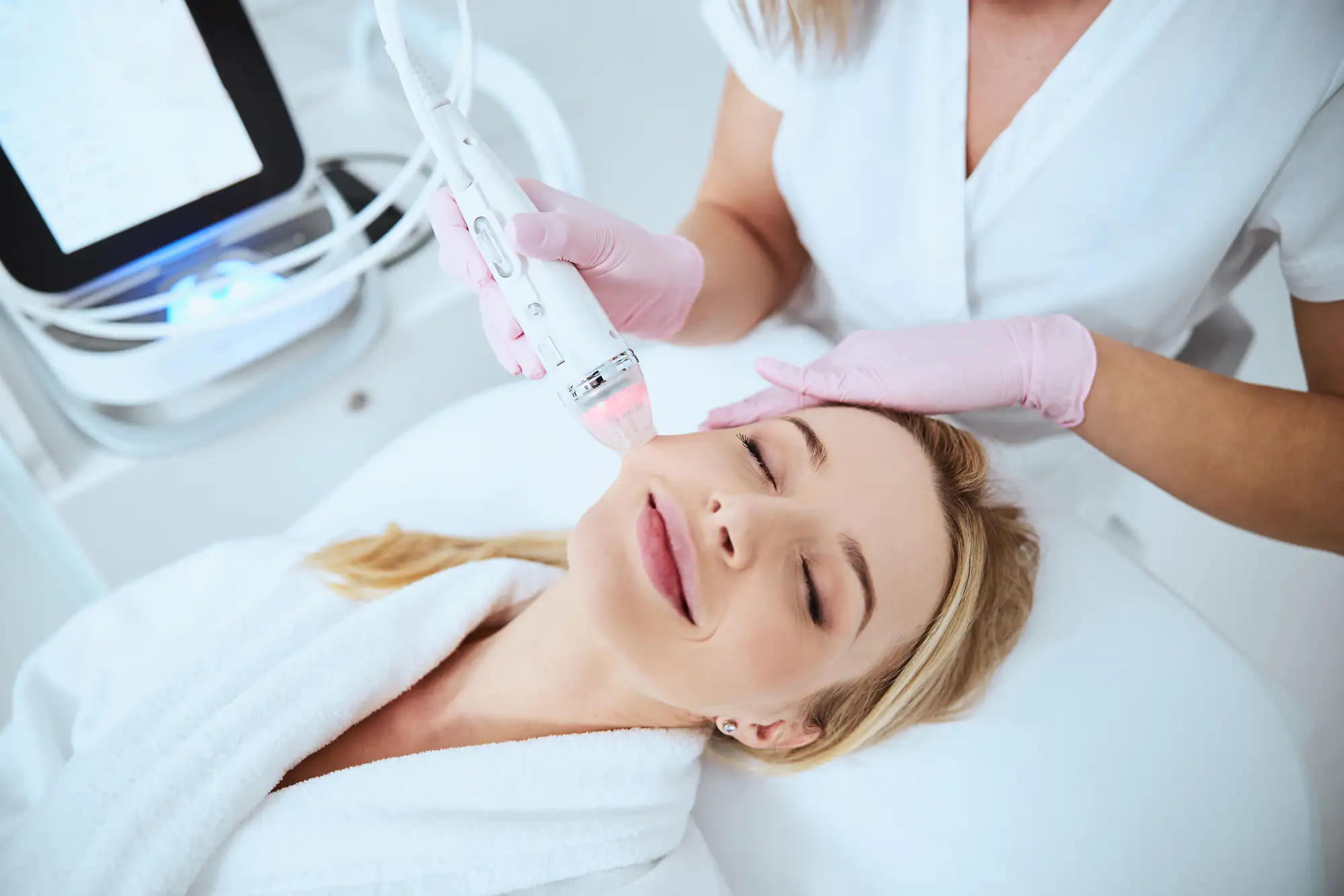
Standard microneedling uses needles to create controlled injury and trigger collagen production through your body’s natural healing response. RF (radiofrequency) microneedling adds heat energy delivered through those same needles, which creates additional collagen stimulation from thermal injury.
RF microneedling can produce more dramatic tightening results, especially for moderate skin laxity. The heat causes immediate collagen contraction, so you see some tightening right away, plus the long-term collagen building from the needling itself. It’s particularly effective for treating deeper wrinkles and loose skin on the lower face and neck.
The tradeoff is more downtime and higher cost. RF treatments typically cause more swelling and redness that lasts longer—usually three to five days instead of one to two. There’s also a slightly higher risk of hyperpigmentation in darker skin tones because of the heat component. For many concerns like acne scars, fine lines, and texture issues, standard microneedling with SkinPen produces excellent results without the added intensity. We’ll recommend RF only if your specific concerns would genuinely benefit from that extra stimulation.