Hear from Our Customers
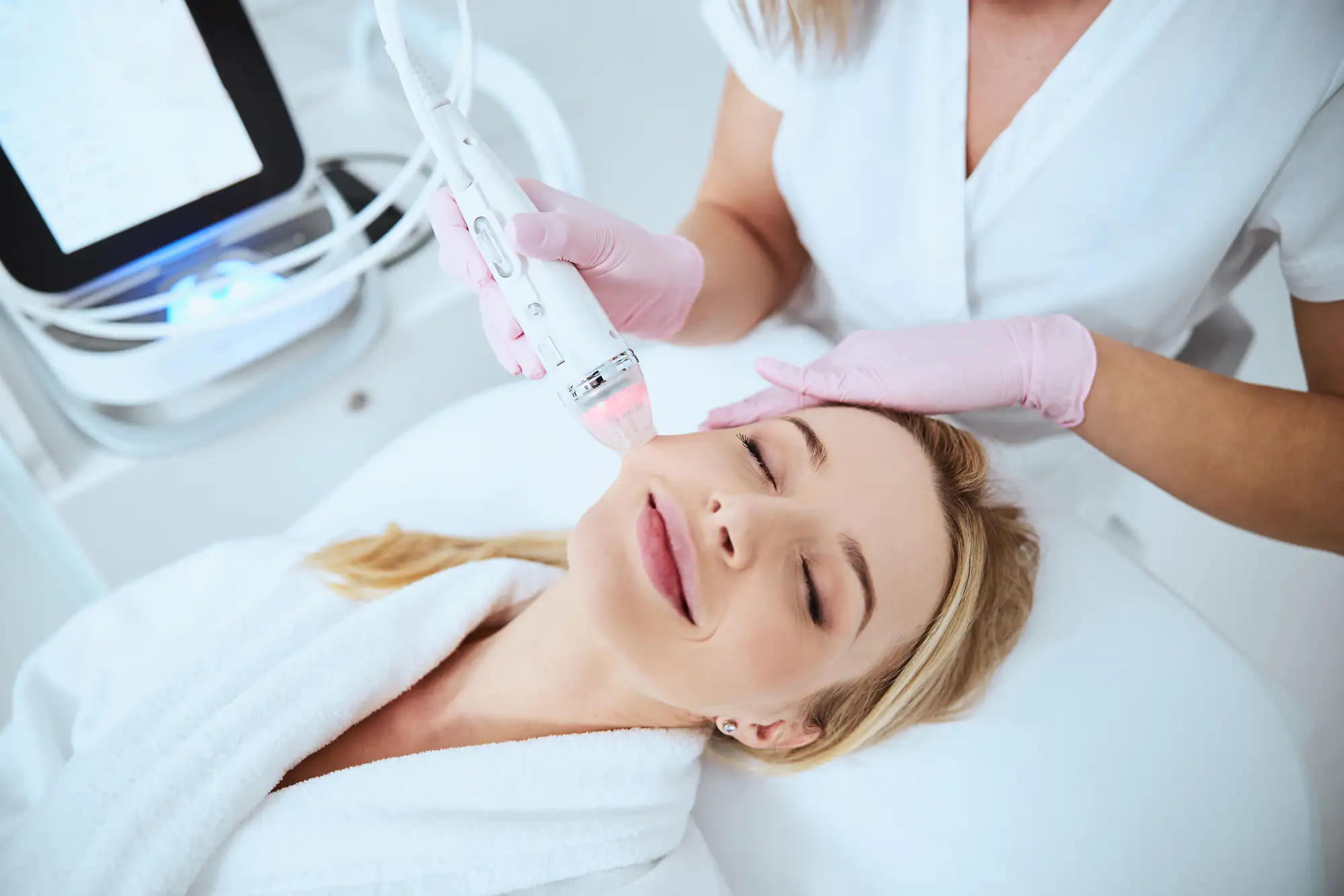
You’re dealing with skin that doesn’t cooperate. Acne scars that makeup can’t hide. Pores that look worse in certain lighting. Fine lines that showed up earlier than expected.
Microneedling works because it triggers your skin to produce new collagen—up to 400% more after a full treatment series. That’s not marketing speak. That’s what happens when controlled micro-injuries tell your body to repair itself from the inside out.
After three sessions spaced about a month apart, most people see smaller pores, smoother texture, and faded scarring. The redness peaks on treatment day and typically fades within 24 to 48 hours. You can wear makeup again by day three. You’re not hiding indoors for weeks.
This isn’t about erasing decades overnight. It’s about consistent improvement you can actually see—and skin that responds better to everything else you’re already doing.
We’re led by Jacqueline Grace, a licensed esthetician who’s been named Best Esthetician in Wake County three years running. She’s also placed first internationally in the Pigmentation Artist of the Year category and holds HydraFacial Master Certification—one of the first hundred practitioners worldwide to earn it.
That matters because microneedling isn’t just about owning the device. It’s about knowing how deep to go, where to focus, and how to customize treatment based on your skin type and concerns. Jacqueline has been serving clients across Wake Forest, Youngsville, Rolesville, Raleigh, and surrounding areas for over six years.
Every treatment starts with a free consultation. No pressure. No upselling. Just an honest conversation about what microneedling can and can’t do for your specific skin.
Your first visit is a consultation. Jacqueline evaluates your skin, talks through your concerns, and maps out a realistic treatment plan. If microneedling makes sense, you’ll typically need three to five sessions spaced four to six weeks apart.
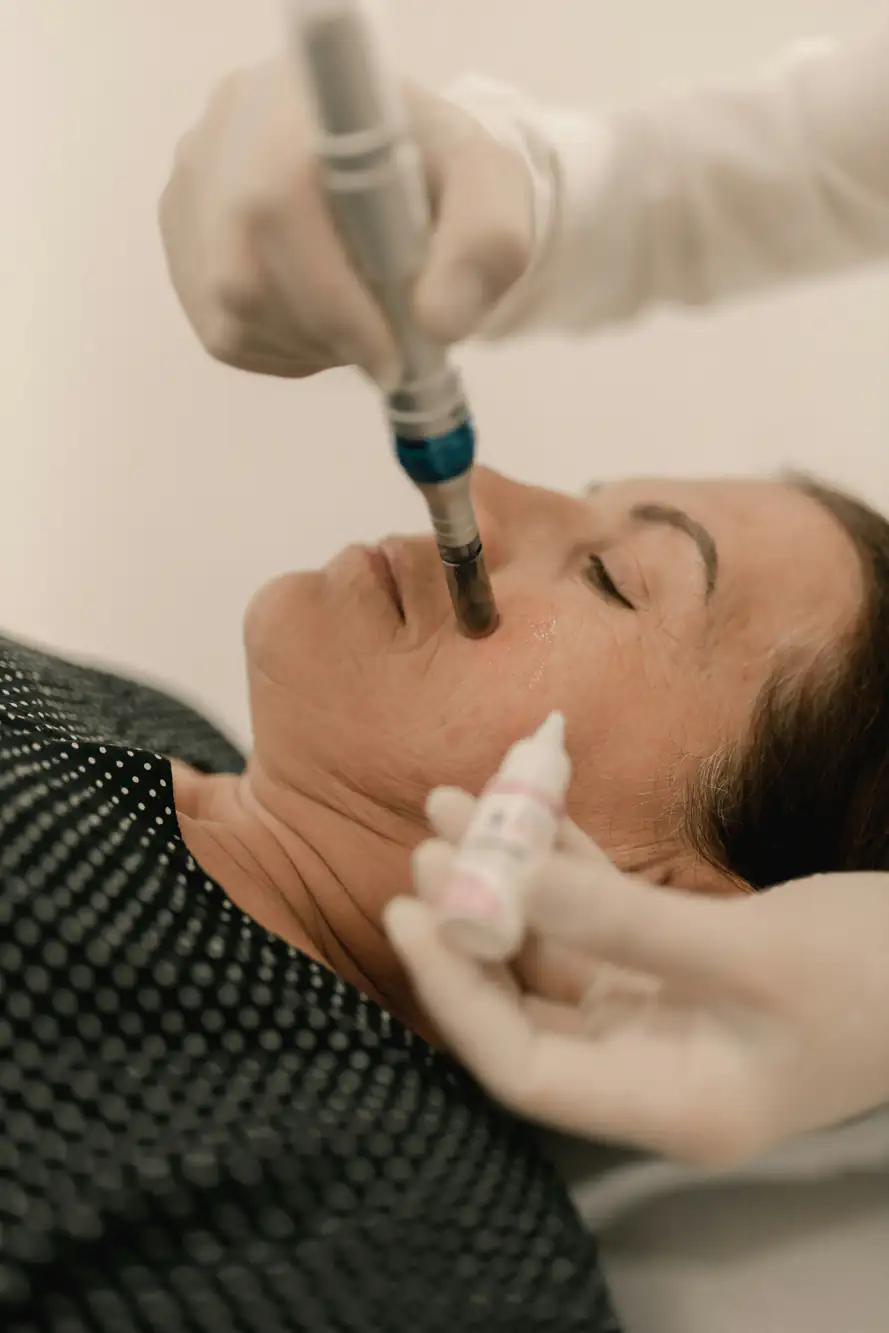
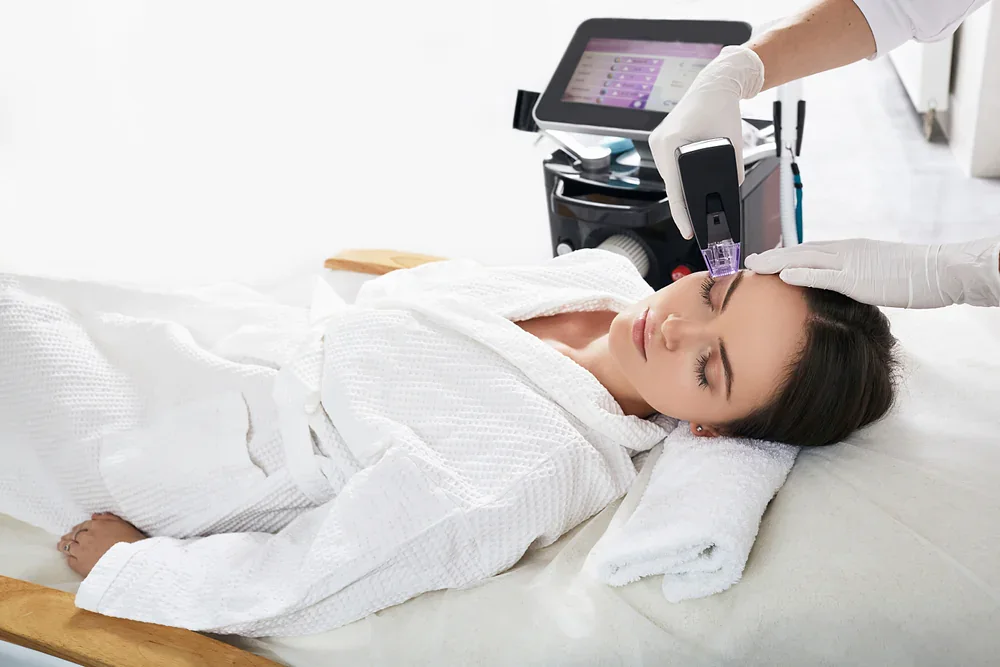
On treatment day, a topical numbing cream goes on first. It takes about 15 minutes to kick in and lasts through the entire session. Once you’re comfortable, the SkinPen device creates controlled micro-channels in your skin. It’s FDA-cleared, sterile, and designed specifically for this.
The actual microneedling takes 20 to 30 minutes depending on the area being treated. You’ll feel pressure and a light scratching sensation, but the numbing cream handles most of the discomfort. Afterward, your skin will be red—similar to a moderate sunburn.
That redness usually peaks within a few hours and starts fading by the next day. Most people are back to their normal routine within 24 hours, though you’ll want to skip heavy workouts and direct sun exposure for a few days. Results build over time as your collagen production ramps up, with the most noticeable improvements showing up around six months after your final session.

Ready to get started?
Microneedling is effective for acne scars—especially the rolling and boxcar types that don’t respond well to topical treatments. It also reduces the appearance of large pores, smooths rough texture, and softens fine lines and wrinkles around the eyes and mouth.
If you’re dealing with sun damage, hyperpigmentation, or mild skin laxity, microneedling can help. It’s safe for all skin types, including darker skin tones that might not be good candidates for laser treatments. That’s because it uses mechanical micro-injuries instead of heat, which lowers the risk of post-inflammatory hyperpigmentation.
Wake Forest has a strong professional community—people who work in Raleigh, Durham, and the Research Triangle Park area but want quality skincare closer to home. You’re balancing careers, families, and full calendars. Microneedling fits that lifestyle because the downtime is manageable and the results are cumulative.
Each session at Wake Skincare includes the numbing cream, the SkinPen treatment, and post-care guidance. You’ll also get recommendations for medical-grade skincare products that support your results between sessions. The goal isn’t just to treat your skin once—it’s to give you a sustainable plan that keeps working.

Most people don’t describe microneedling as painful when numbing cream is used. Before your treatment starts, a topical anesthetic called BLT cream is applied to your skin. It takes about 15 minutes to fully numb the area and lasts through the entire session.
During the treatment, you’ll feel pressure and a scratching sensation, but it’s not sharp or unbearable. Some areas—like around the nose or closer to bone—might be slightly more sensitive, but the numbing cream does most of the work.
Afterward, your skin will be red and might feel warm, similar to a sunburn. That redness peaks on the day of treatment and typically fades within 24 to 48 hours. By day three, most people can wear makeup again. If you have an important event or photos coming up, plan to schedule your session at least a week out to be safe.
Most people need three to five sessions spaced four to six weeks apart to see significant improvement. That timeline allows your skin to heal and start producing new collagen between treatments.
You might notice some immediate glow right after your first session due to increased circulation, but the real changes happen over time. Collagen production peaks around six months after your final treatment, which is when you’ll see the most dramatic results—smoother texture, smaller pores, and faded scarring.
If you’re treating deeper acne scars or more advanced signs of aging, you might need closer to five sessions. Jacqueline will give you a realistic estimate during your consultation based on your skin’s condition and your goals. After your initial series, maintenance sessions every six to twelve months help sustain your results.
Yes. Microneedling is safe for all Fitzpatrick skin types, including darker skin tones that might be at higher risk for complications with laser treatments.
Lasers use heat to resurface skin, which can sometimes trigger post-inflammatory hyperpigmentation in people with more melanin. Microneedling works differently—it creates controlled micro-injuries using fine needles, not heat. That mechanical approach lowers the risk of pigmentation issues.
The SkinPen device we use is FDA-cleared and designed with safety and precision in mind. Jacqueline adjusts the needle depth and treatment intensity based on your skin type, the area being treated, and your specific concerns. If you’ve had bad reactions to other treatments in the past, bring that up during your consultation so she can tailor your plan accordingly.
Before your appointment, avoid retinoids, exfoliating acids, and any harsh skincare products for at least three days. You should also skip blood-thinning medications like aspirin or ibuprofen if possible, as they can increase bruising. If you’re on prescription blood thinners, talk to your doctor first.
On the day of treatment, come in with clean skin—no makeup, no heavy moisturizers. After your session, your skin will be more sensitive than usual. Avoid direct sun exposure, heavy sweating, and swimming pools for at least 48 hours. Don’t use active ingredients like retinol, vitamin C, or acids for about a week.
Stick to gentle, hydrating products and a good mineral sunscreen once the initial redness fades. Jacqueline will give you specific post-care instructions based on how your skin responds. Following them makes a big difference in how quickly you heal and how well your results develop.
Microneedling sessions typically range from $200 to $800 depending on the area treated and the provider’s experience. At Wake Skincare, you’re paying for FDA-cleared equipment, a licensed and award-winning esthetician, and a personalized treatment plan—not a one-size-fits-all approach.
If you see deals that seem too good to be true, they probably are. Lower prices often mean less experience, outdated devices, or shortcuts that compromise your safety and results. This is your face. It’s worth investing in someone who knows what they’re doing.
Compared to more invasive procedures like laser resurfacing or surgical options, microneedling is cost-effective and has minimal downtime. It’s also more affordable than ongoing chemical peels, which can range from $200 to $6,000 depending on depth and frequency. When you factor in the collagen boost, the improvement in skin texture, and how long results last with maintenance, most people find it’s worth the investment.
Yes, but timing matters. Microneedling pairs well with other treatments, but you need to space them out properly to avoid irritation or compromising your results.
HydraFacial is a great option to do a week or two before microneedling because it deeply cleanses and preps your skin. Some people also schedule it a few weeks after microneedling to maintain hydration and glow. Botox can be done, but it’s best to wait at least two weeks after microneedling so the micro-channels have fully closed and the neurotoxin stays where it’s supposed to.
Chemical peels and microneedling shouldn’t be done back-to-back. Your skin needs time to recover between resurfacing treatments. Jacqueline can help you build a treatment calendar that layers services strategically without overloading your skin. We offer HydraFacial, chemical peels, dermaplaning, and Botox, so you can coordinate everything in one place instead of bouncing between providers.