Hear from Our Customers
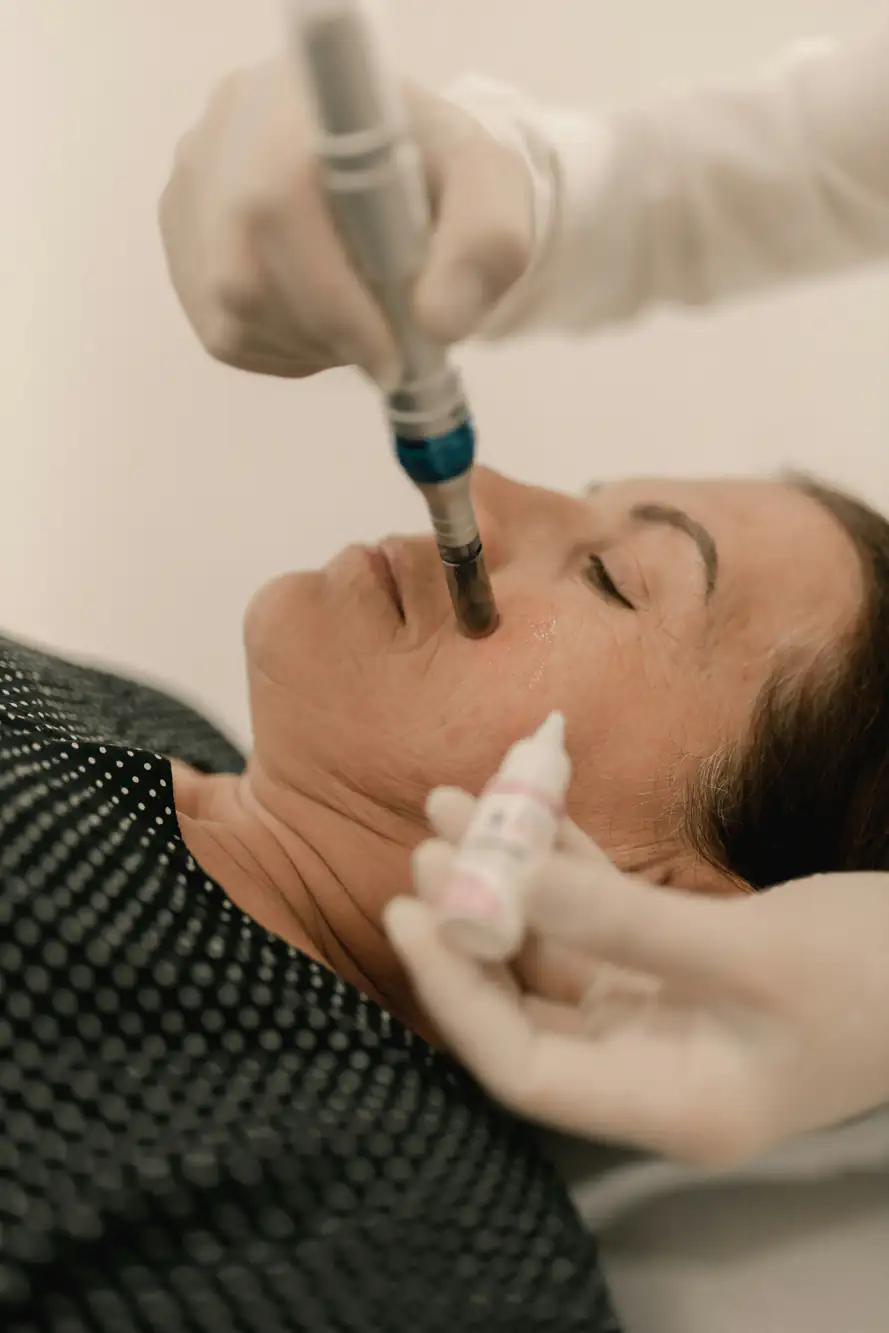
Your skin starts looking smoother within a week. Not dramatically different overnight, but noticeably more even, less textured, and more radiant as your body kicks collagen production into gear.
After a series of three sessions spaced about four to six weeks apart, you’ll see the bigger shifts. Acne scars flatten out. Pores tighten up. Fine lines around your eyes and mouth soften. The overall tone evens out, especially if you’re dealing with sun damage or dark spots that won’t budge with topicals alone.
This isn’t a quick fix. It’s collagen induction therapy, which means your skin rebuilds itself from the inside out over several weeks. You’re working with your body’s natural healing process, not against it. That’s why results keep improving for up to six weeks after each session, and why consistency matters more than intensity.
Wake Skincare is led by Jacqueline Grace, a licensed esthetician who trained in New York and moved to Wake Forest six years ago. She’s been named Best Esthetician in Wake County three years running and earned first place in the Pigmentation Artist of the Year category at The Skin Games, an international aesthetics competition.
She’s also one of fewer than 100 practitioners worldwide to achieve HydraFacial Master Certification. That’s not a weekend course. It’s advanced, hands-on training that sets a different standard for technique and results.
Wendell clients come to us because we’re close, the work is consistent, and there’s no upselling. You get a free consultation up front, a treatment plan that makes sense for your skin and your schedule, and follow-up that actually happens.
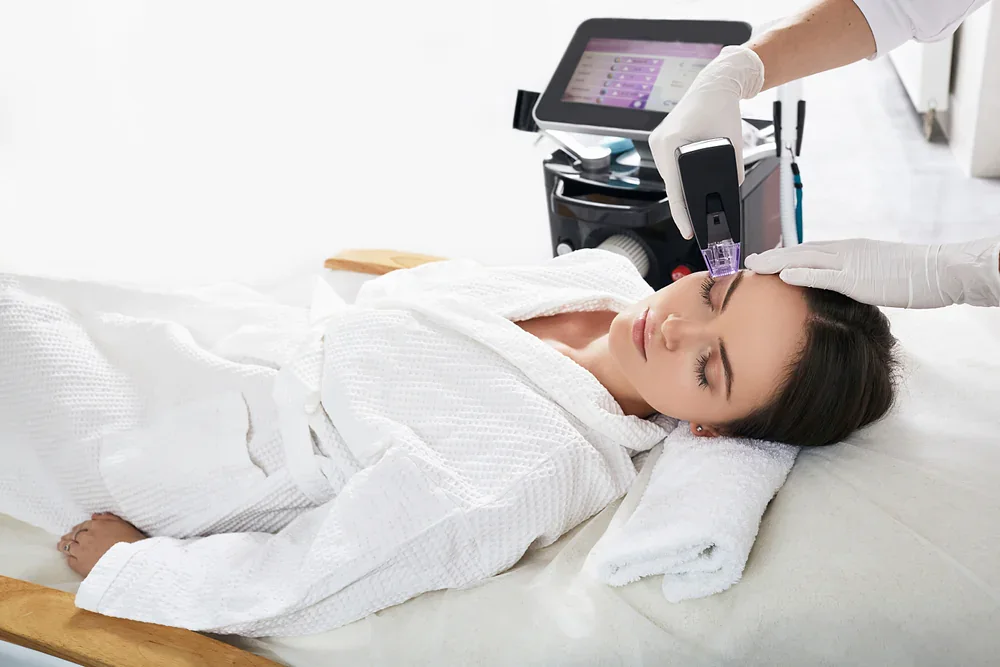
You start with a free consultation where Jacqueline evaluates your skin, talks through what you’re trying to fix, and maps out a realistic treatment plan. No pressure, no packages pushed on you before you’re ready.
On treatment day, your skin gets cleansed and a topical numbing cream is applied so you’re comfortable throughout the session. The SkinPen device creates thousands of tiny, controlled micro-injuries in your skin using sterile needle cartridges. This triggers your body’s wound-healing response, which ramps up collagen and elastin production. The whole process takes about 30 minutes.
Right after, your skin will be red like a mild sunburn. That usually fades within 24 to 48 hours. You’ll feel some tightness and see a bit of flaking as your skin turns over, but most people are back to normal activities the next day. Full results show up around four to six weeks post-treatment as new collagen fills in scars, tightens pores, and smooths texture.

Ready to get started?
We use the FDA-cleared SkinPen, which is the gold standard for professional microneedling. It’s not a derma roller you buy online. It’s a precision medical device with adjustable needle depth, sterile single-use cartridges, and controlled speed settings based on what your skin needs.
Every treatment is customized. If you’re dealing with deep acne scars, the needle depth goes deeper. If it’s fine lines or general texture, it stays more superficial. Jacqueline adjusts the treatment in real time based on how your skin responds, which is something you don’t get with cookie-cutter protocols.
In Wendell and across Wake County, a lot of places advertise “microneedling” but use nano-needling pens, which don’t penetrate deep enough to stimulate real collagen remodeling. In North Carolina, true microneedling requires special licensing. We operate under the supervision of Dr. Joseph Hummel, so you’re getting a medical-grade treatment in a clinical setting, not a day spa add-on.

Yes, but not all acne scars respond the same way. Microneedling works best on rolling scars and shallow boxcar scars because it stimulates collagen production underneath the depressed tissue, which gradually lifts and smooths the surface. You’ll see improvement after one session, but real change happens over a series of three to six treatments spaced four to six weeks apart.
Ice pick scars, which are deep and narrow, don’t respond as well to microneedling alone. Those usually need a combination approach with chemical peels or TCA cross treatments. During your consultation, Jacqueline will look at your specific scarring and tell you what’s realistic. If microneedling isn’t the best option, she’ll say so.
The key is consistency. Skipping sessions or spacing them too far apart interrupts the collagen-building process, and you won’t get the cumulative effect that makes the real difference.
Microneedling in the Wendell and Wake County area typically ranges from $200 to $400 per session, depending on the provider, the device used, and what’s included in the treatment. We fall in that range and include a free consultation, customized needle depth, and post-treatment skincare guidance.
You’ll get the best results with a series of three treatments, so factor that into your budget. Some clinics offer package pricing, which can bring the per-session cost down if you commit up front. It’s worth asking about during your consultation.
Cheaper options exist, but they’re often using nano-needling devices or non-medical settings where the depth and sterility standards aren’t the same. You’re paying for FDA-cleared equipment, a licensed esthetician with advanced training, and medical oversight. That’s not where you want to cut corners.
Your skin will be red and feel tight for about 24 to 48 hours, similar to a mild sunburn. Most people are comfortable going back to work or regular activities the next day, though some prefer to schedule treatments before a weekend just in case.
You’ll notice some dryness and flaking around day three or four as your skin starts to turn over. That’s normal and actually a good sign that the healing process is working. Don’t pick at it. Just keep your skin moisturized and avoid anything harsh like retinoids or exfoliating acids for at least a week.
Skip the gym, hot yoga, or anything that makes you sweat heavily for the first 24 hours. Your skin has thousands of tiny channels in it right after treatment, and you don’t want bacteria, sweat, or dirt getting in there. Also avoid direct sun exposure and wear SPF 30 or higher every day during the healing process.
Microneedling is safe when done by a licensed professional using FDA-cleared equipment in a clean, clinical setting. The SkinPen device we use has built-in safety features, sterile single-use needle cartridges, and adjustable settings to match your skin type and treatment goals.
You won’t have visible pin holes or scarring afterward. The micro-injuries are controlled and shallow enough that they close within hours. Some people experience minor bruising or swelling, especially if they’re treating deeper scars, but that resolves quickly and doesn’t leave lasting marks.
The biggest risk comes from going to unqualified providers or places that cut corners on sanitation. In North Carolina, microneedling requires special licensing, and it should always be done under medical supervision. We operate under Dr. Joseph Hummel’s oversight, so you’re getting a medical-grade treatment with proper protocols in place.
You’ll notice your skin looking brighter and smoother within about a week after your first session. That’s the initial healing phase where surface texture evens out and your complexion gets a bit of a glow. But the real changes happen deeper and take longer.
Collagen production ramps up over the next four to six weeks, which is when you’ll see scars start to flatten, pores tighten, and fine lines soften. Each treatment builds on the last one, so results get more noticeable as you move through a series of three sessions spaced about a month apart.
This isn’t Botox. You’re not walking out with an instant before-and-after. You’re triggering your skin to rebuild itself, and that takes time. If someone promises you dramatic results after one session, they’re overselling. Realistic expectations matter, and that’s something Jacqueline makes clear during your consultation.
Yes, and in a lot of cases, combining treatments gives you better results than microneedling alone. Chemical peels work well in between microneedling sessions to address pigmentation and surface texture. HydraFacial is another good pairing because it deeply hydrates and preps your skin before or after a microneedling treatment.
Timing matters. You don’t want to stack aggressive treatments too close together because your skin needs time to heal and rebuild. Jacqueline will map out a treatment plan that layers different modalities in a way that makes sense for your skin type and your goals.
If you’re already using retinoids, getting Botox, or doing other professional treatments, bring that up during your consultation. Some things need to be paused or adjusted around your microneedling sessions to avoid irritation or compromising your results. We build treatment plans around what you’re already doing, not in a vacuum.