Summary:
You’ve tried the serums. You’ve watched the tutorials. You’ve spent real money on products that promised to fix your skin — and your skin is still not where you want it to be. That’s a frustrating place to be, and it’s more common than you’d think.
The honest answer is that at-home skincare and professional facial treatments aren’t really competing — they’re doing different things entirely. One maintains. One transforms. Understanding which is which helps you stop wasting money on the wrong one and start actually seeing results. Here’s what you need to know.
What Professional Facial Treatments Actually Do
A professional facial isn’t a fancier version of washing your face. It’s a different category of care. The products we use in a clinical setting contain higher concentrations of active ingredients than anything you can buy over the counter — not because manufacturers are holding out on consumers, but because those concentrations require professional training to apply safely.
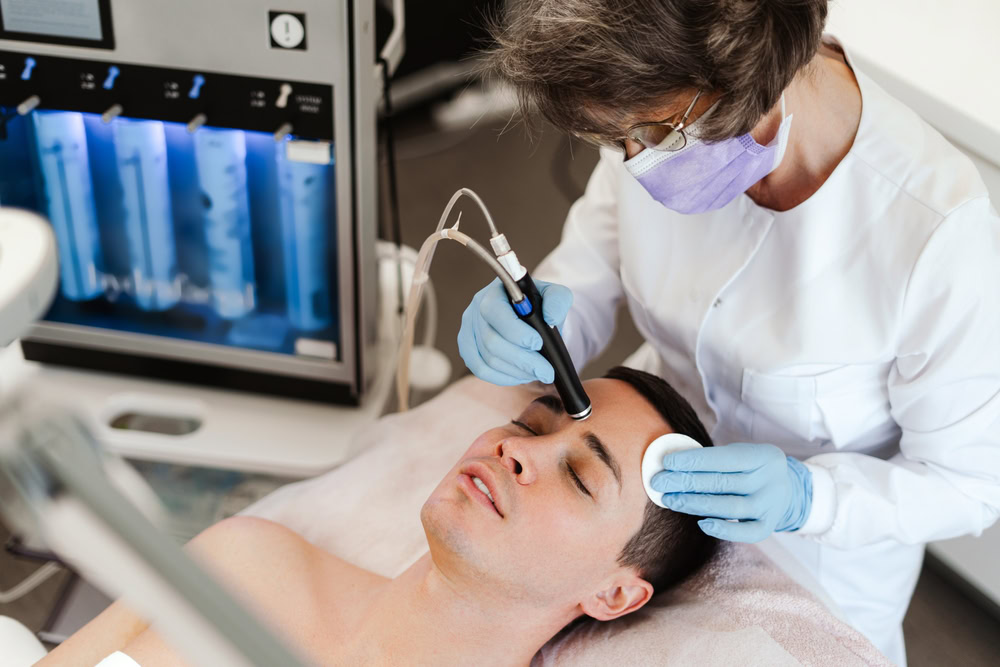
Beyond the products, there’s the equipment. Treatments like HydraFacial use vortex-fusion technology to simultaneously exfoliate, extract, and infuse serums into the skin at a depth and pressure that no at-home device can replicate. Microdermabrasion removes dead skin cells through controlled abrasion that requires calibrated equipment and a trained hand. These aren’t things you can approximate with a $40 tool from a beauty retailer.
The other piece is the assessment. A skilled esthetician reads your skin before they touch it — identifying congestion, dehydration, sensitivity, and pigmentation patterns that most people can’t see in a bathroom mirror. That assessment changes what gets used and how. That’s the part that makes results consistent.
Microdermabrasion Facial: What It Does and Who It's For
Microdermabrasion is one of those treatments that sounds more intense than it is. The short version: it uses a controlled exfoliation process to remove the outermost layer of dead skin cells, which reveals smoother, brighter skin underneath and encourages your skin to produce new cells faster.
There are two main types — diamond-tip microdermabrasion and wet diamond hydradermabrasion — and they’re not interchangeable. Diamond-tip uses a wand with a diamond-encrusted tip to physically buff the skin’s surface. It’s precise, effective, and well-suited for clients dealing with dullness, rough texture, mild sun damage, or fine lines. Wet diamond hydradermabrasion adds a water-based element to the process, which makes it gentler and better suited for clients whose skin is on the drier or more sensitive side. The hydration component means you’re exfoliating and replenishing at the same time rather than just stripping.
Most local competitors offer one type or neither. We offer both, because the right choice depends on your skin — not on what’s easiest to stock.
In terms of results, clients typically notice immediately smoother skin and improved product absorption after a single session. Skincare products applied after microdermabrasion penetrate more effectively because the barrier of dead cells has been cleared. Over a series of treatments, you’ll see more significant improvements in texture, tone, and overall brightness. It’s one of the more efficient treatments available for clients who want visible improvement without any real downtime — most people return to normal activity the same day.
It’s worth noting that microdermabrasion isn’t the right first step for every skin type. Active breakouts, rosacea, and certain inflammatory conditions require a different approach. That’s exactly why a skin evaluation before any treatment matters — it keeps you from spending money on something that isn’t right for your skin at this moment.
Back Facial Treatment: The Area Most Skincare Routines Completely Ignore
Most people put real effort into their face and forget that their back has skin too — skin that’s harder to reach, harder to cleanse, and prone to the same congestion, clogged pores, and breakouts that show up on the face. A back facial applies the same professional-grade cleansing, exfoliation, extraction, and treatment protocols as a facial, just to a different canvas.
If you’ve dealt with back acne, persistent breakouts along the shoulders, or just general roughness and uneven texture, a back facial addresses what your shower routine physically cannot. The back is one of the areas where DIY skincare has the most obvious limitations — you can’t extract your own clogged pores in the middle of your back, and most cleansing products don’t penetrate deeply enough to clear congestion at the follicle level.
The treatment itself typically includes a thorough cleanse, steam or enzyme softening to open pores, manual extractions, and a finishing mask or serum appropriate for the skin’s condition. If the back is dealing with active acne, that guides the product selection. If the concern is more about texture and dullness, the approach shifts accordingly. Same principle as a face facial — the treatment follows the skin, not the other way around.
Back facials are popular as standalone treatments and also as part of event preparation — particularly for clients getting ready for weddings, formal occasions, or anything involving a backless dress or open-back top. Booking four to six weeks before an event gives the skin time to clear and settle after extractions, so you’re not dealing with any post-treatment purging right before the occasion.
For clients who haven’t had one before, the experience is often described as overdue. It’s one of those treatments where the immediate results — smoother, clearer skin in an area that rarely gets real attention — are noticeable enough that most clients wonder why they waited.
Facial Treatments in Wake County: What to Know Before You Book
Wake County has a competitive skincare market. There are options across Wake Forest, Raleigh, Cary, Apex, and most of the surrounding towns — which means the challenge isn’t finding a provider, it’s knowing what separates a good one from a forgettable one.
The short answer is credentials, customization, and honesty. A provider worth booking will assess your skin before recommending anything. They’ll explain what they’re doing and why. They won’t push treatments you don’t need. And their results should be verifiable — through awards, certifications, and reviews that describe actual outcomes, not just “great experience.”
That’s the standard we hold ourselves to, and it’s the standard you should expect from anyone you trust with your skin.
Laser Facial Options: What They Are and When They Make Sense
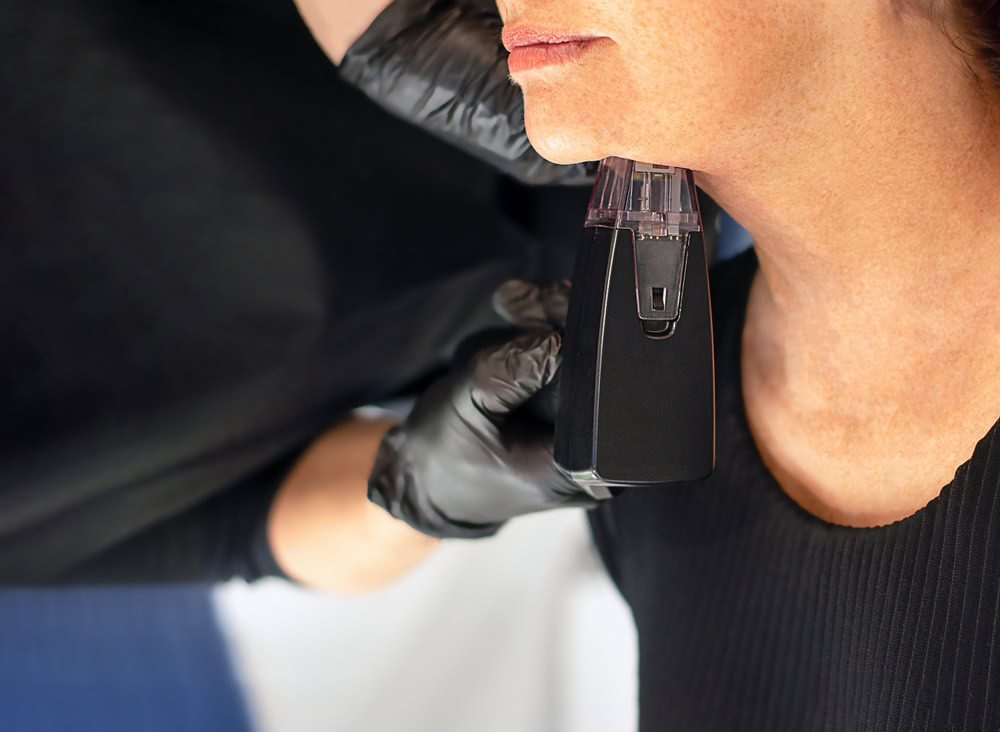
Laser facials sound more intimidating than they are, especially when you understand what the newer generation of treatments actually involves. Treatments like Clear + Brilliant and Lumecca IPL are non-ablative or minimally invasive — meaning they work beneath the surface of the skin without removing the outer layer entirely. There’s minimal downtime, and for many clients, the results are more significant than anything a topical product could produce.
Clear + Brilliant is a fractional laser treatment that creates microscopic treatment zones in the skin’s surface, triggering the body’s natural healing response and stimulating collagen production. It’s particularly effective for hyperpigmentation, uneven skin tone, and early signs of aging. Clients typically do a series of three treatments and begin noticing improvements in texture and tone after the first session. One client described it as “a game changer” for her hyperpigmentation — and she wasn’t exaggerating. The results from a properly administered series are that visible.
Lumecca IPL (intense pulsed light) works differently — it uses broad-spectrum light to target pigmentation and redness at a deeper level. It’s well-suited for sun damage, age spots, and redness caused by broken capillaries or rosacea. Wake County’s UV index runs high through most of the spring, summer, and fall, which means sun damage is a real and common concern here. IPL addresses the kind of pigmentation that builds up over years of sun exposure — the stuff that brightening serums chip away at slowly without ever fully clearing.
Both treatments require medical oversight to administer safely. That’s not a technicality — it’s a meaningful safety and quality distinction. In North Carolina, treatments like IPL and laser require a licensed physician’s supervision, which is why the presence of a medical director matters when you’re evaluating providers. It’s the difference between a treatment being done correctly and being done at all.
Fall and winter are the best seasons in Wake County for laser treatments. Reduced UV exposure means a lower risk of post-treatment hyperpigmentation, and it gives skin time to heal and settle before the high-sun months return. If you’ve been thinking about addressing sun damage or persistent pigmentation, the cooler months are genuinely the right time to act.
FAQ: What Wake County Residents Ask About Professional Facials
**How often should you get a professional facial?** Monthly is the professional standard — and there’s a practical reason for it. Your skin’s cell turnover cycle runs approximately 28 days. Scheduling a facial every four weeks means each treatment is working with a fresh cycle, reinforcing results rather than starting from scratch. That said, the right cadence depends on your skin’s condition and what you’re treating. Some clients doing a laser or chemical peel series will follow a different schedule. We build that into your plan during the initial consultation.
**Is a professional facial worth the cost compared to at-home products?** That depends on what you’re trying to accomplish. If your goal is daily maintenance — keeping skin hydrated, protected, and clean — a solid at-home routine is genuinely valuable and we’ll help you build one. But if you’re dealing with persistent acne, hyperpigmentation, texture issues, or visible signs of aging, at-home products are working with a fraction of the ingredient concentrations and none of the delivery technology available in a clinical setting. The investment in a professional treatment typically produces results faster and more reliably than months of product spending.
**What’s the best facial for hyperpigmentation in Wake County?** This is one of the most common questions we hear from clients throughout Wake County, and the honest answer is that it depends on the type and depth of pigmentation. Superficial discoloration responds well to HydraFacial with a brightening booster, chemical peels, or enzyme treatments. Deeper pigmentation — particularly post-inflammatory hyperpigmentation common in skin of color — often requires a more targeted approach like Clear + Brilliant, IPL, or a combination protocol. Wake County’s high UV exposure through most of the year means sun-related pigmentation is extremely common here, and it’s something we treat regularly. Jacqueline Grace holds a first-place international win in the Pigmentation Artist of the Year category — this is one of her specialties, not a secondary service.
**What should I expect at my first appointment?** Your first visit starts with a skin evaluation — a real one, not a form you fill out in the waiting room. We look at your skin’s current condition, ask about your concerns and goals, and talk through what’s realistic given where your skin is right now. Nothing is pushed. You leave with a clear picture of what your skin actually needs and what the path forward looks like. There’s no charge for that first conversation.
**Can people with sensitive skin get professional facials?** Yes — but the treatment selection matters. Sensitive skin requires a gentler approach, and a good esthetician will adjust accordingly. Enzyme peels, for example, are a significantly softer alternative to chemical peels for clients whose skin reacts easily. HydraFacial is generally well-tolerated across skin types, including sensitive. The key is being honest about your skin’s history so the treatment can be calibrated appropriately.
Which Facial Treatment Is Right for Your Skin?
At-home skincare has its place. A consistent routine with the right products makes a real difference in maintaining your skin’s health between professional treatments. But when you’re dealing with a specific concern — persistent acne, hyperpigmentation, texture, dehydration, early aging — products alone rarely close the gap. Professional treatments work at a depth and precision that a bathroom shelf simply can’t match.
The most important thing you can do before spending money on any treatment is get a real assessment of your skin. Not a quiz on a website, not a recommendation from a retail associate — an actual evaluation by someone who knows what they’re looking at.
That’s where we start with every client. If you’re in Wake County and want to know what your skin actually needs, we offer a free skin evaluation and consultation with no pressure and no obligation. It’s the clearest way to stop guessing and start seeing results.