Summary:
You’ve probably seen microneedling everywhere lately — on social media, in magazines, mentioned by a friend who swears by it. And maybe you’re genuinely curious. Or maybe you’ve already looked into it and walked away with more questions than answers: Does it hurt? What happens to your skin afterward? Is it actually different from using a dermaroller at home?
Those are fair questions, and they deserve straight answers. This guide covers everything you need to know before booking a microneedling treatment — what the process actually involves, what to expect during recovery, how it stacks up against chemical peels, and how to know whether you’re in qualified hands.
What Microneedling Treatments Actually Do to Your Skin
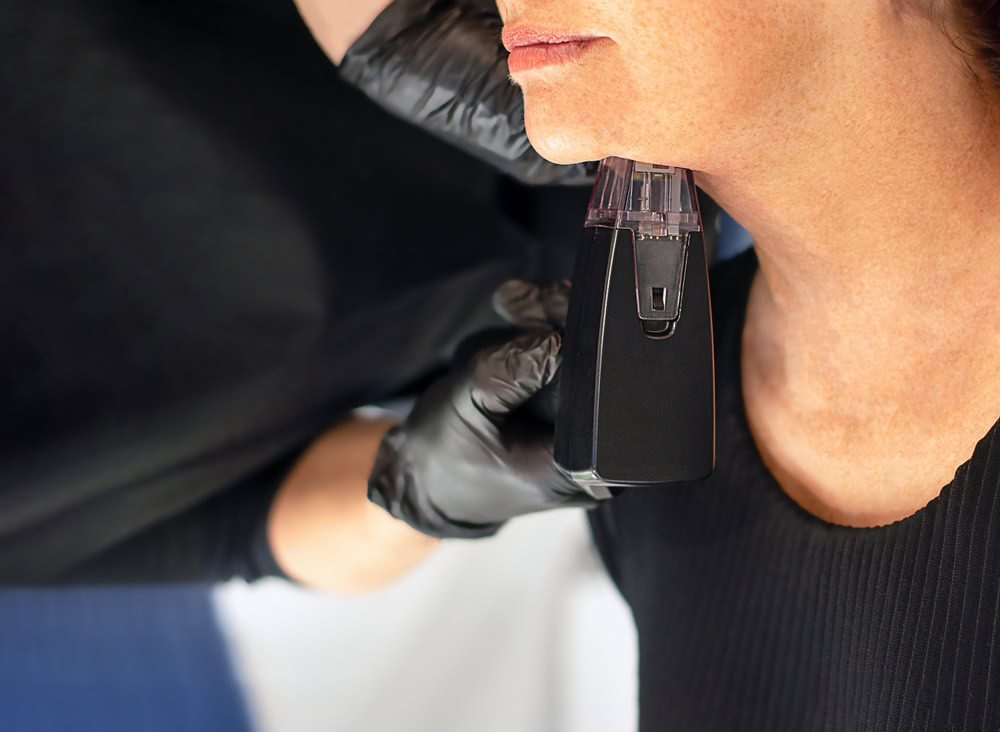
Microneedling — also called skin needling or collagen induction therapy — works by creating controlled micro-injuries in the skin using fine, sterile needles. That sounds more alarming than it is. The point isn’t to damage your skin; it’s to trigger your skin’s natural repair response. When your body detects those micro-channels, it sends collagen and elastin to the area to heal them. Over time, that new collagen is what smooths texture, reduces scarring, and firms the skin.
The results aren’t instant, and they shouldn’t be. Collagen remodeling takes four to six weeks to fully develop. Most people notice improved texture and glow within days, but the deeper changes — reduced acne scars, tighter skin, more even tone — build gradually over the course of a treatment series. A typical series runs three to six sessions, spaced four to six weeks apart, depending on what you’re treating.
Dermaroller vs. Professional Microneedling: Why the Difference Matters
This comes up constantly, and it’s worth addressing directly. At-home dermarollers and professional microneedling devices are not the same thing, and the gap between them is bigger than most people realize.
A typical at-home dermaroller reaches about 0.25mm into the skin — barely into the outer layer of the epidermis. Professional devices like the SkinPen, which is the first and only FDA-cleared microneedling device in the United States, can reach depths of 0.5mm to 2.5mm depending on the treatment area and the concern being addressed. That’s the difference between skimming the surface and actually reaching the dermis — the layer where collagen lives.
Sterility is the other major factor. Professional treatments use single-use, sterile needle cartridges that are never reused between clients. A dermaroller used at home accumulates bacteria over time, and the rolling motion can cause inconsistent micro-tears rather than the precise, controlled channels a professional device creates. The AAD has been clear on this: when microneedling is performed without proper training and equipment, the risk of infection, scarring, and long-lasting discoloration increases significantly.
The bottom line is that dermarolling and professional microneedling produce different biological responses. One is a surface-level tool; the other is a clinical treatment. If you’ve tried a dermaroller and been underwhelmed, that’s not a reflection of what microneedling can do — it’s a reflection of what that particular tool can reach.
Dermaplane Facial vs. Microneedling: Two Different Jobs
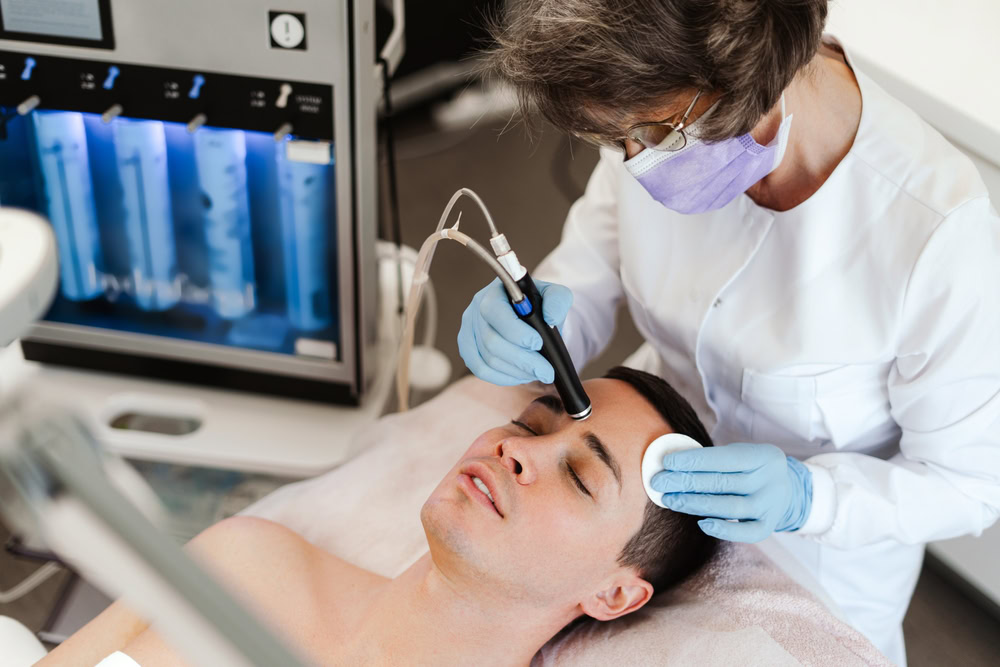
A dermaplane facial and microneedling are often mentioned in the same conversation, but they work very differently and serve different purposes. Dermaplaning uses a surgical-grade blade to manually remove dead skin cells and fine vellus hair from the surface of the skin. It’s an exfoliation treatment — effective, immediate, and with zero downtime. Your skin looks brighter and feels smoother right away.
Microneedling goes deeper. Rather than removing what’s on the surface, it stimulates structural change underneath it. The two treatments actually complement each other well. Dermaplaning before microneedling removes the surface layer of dead skin, which allows the microneedling device to work more effectively and helps any serums applied during treatment absorb more deeply. When sequenced correctly by a provider who understands both, the combination can produce noticeably better results than either treatment alone.
That said, they’re not interchangeable. If your primary concern is texture, dullness, or congestion, dermaplaning may be the right starting point. If you’re dealing with acne scarring, hyperpigmentation, fine lines, or skin laxity, microneedling addresses the root cause rather than the surface. A good provider will help you figure out which one — or which combination — makes sense for your skin and your goals.
Microneedling vs. Chemical Peel: Which One Is Right for You
This is one of the most common questions people bring to a consultation, and it’s a good one. Both treatments address skin texture, tone, and signs of aging — but they work through completely different mechanisms, and the right choice depends heavily on what your skin actually needs.
Chemical peels use acids to dissolve the outer layers of skin, triggering cell turnover and revealing fresher skin underneath. Microneedling stimulates the dermis to produce new collagen from within. One works top-down; the other works bottom-up. That distinction matters when you’re deciding which to prioritize.
Microneedling or Chemical Peel: How to Think Through the Decision
If your main concerns are surface-level — sun spots, uneven tone, dullness, mild discoloration — a chemical peel like a VI Peel is often the more direct route. Peels are particularly effective at accelerating cell turnover and addressing pigmentation that lives in the upper layers of the skin. Results can be visible within days of the peel finishing, and the downtime, while real, is typically predictable.
Microneedling tends to be the stronger choice when the concern is structural — acne scars, enlarged pores, fine lines, skin laxity, or deeper hyperpigmentation that hasn’t responded to surface treatments. Because it reaches the dermis and triggers actual collagen production, it addresses the architecture of the skin rather than just the surface layer. It’s also generally better tolerated across a wider range of skin tones, which matters for our clients in Wake County, NC, where skin types vary widely across the community.
For clients dealing with both surface pigmentation and structural concerns — which is common — the answer is often neither one alone. Combination therapy, done in the right sequence by a qualified provider, tends to produce the most comprehensive results.
Microneedling and chemical peels can absolutely be used together — but the order, timing, and spacing between treatments matter more than most people realize. Done correctly, the combination addresses both the surface and the deeper structure of the skin simultaneously, which is why the before-and-after results from combination protocols tend to be more dramatic than either treatment alone.
The most common sequencing question is whether to do a chemical peel before or after microneedling. In most cases, the peel comes after — not before. Microneedling creates micro-channels in the skin that temporarily increase its permeability, which means anything applied to the skin in the days following treatment absorbs more deeply than it normally would. A chemical peel applied too soon after microneedling can penetrate further than intended, causing over-exfoliation and barrier damage. Spacing them appropriately — typically two to four weeks apart — allows the skin to fully recover from microneedling before introducing the chemical exfoliation.
There are situations where a mild peel before microneedling makes sense, particularly to clear away surface buildup and improve the treatment surface. This is a clinical decision, not a general rule, and it depends on the individual’s skin type, sensitivity, and what’s being treated. Getting the sequencing wrong doesn’t just reduce results — it can cause the exact complications people are trying to avoid: irritation, prolonged redness, or worsened hyperpigmentation. That’s why combination treatments should always be planned and supervised by a provider who has direct experience with both.
Micro Needling After Effects: What's Normal and What Isn't
The hours and days immediately after microneedling are when most side effects show up. Redness is the most common after effect of micro needling, and it’s completely expected. Your skin has just experienced controlled trauma, and the inflammatory response is actually what triggers healing. Most clients see redness fade significantly within 24 to 48 hours, though some residual pinkness can linger for three to five days depending on skin sensitivity and needle depth.
Mild swelling, slight tenderness, and a warm sensation are all normal. Some clients describe the feeling as similar to a light sunburn. Pinpoint bleeding is also normal and nothing to worry about — it means the device reached the dermis where it needs to be. What you should avoid is picking at your skin, using active ingredients like retinol or vitamin C for at least a week, and direct sun exposure without SPF 30 or higher.
Itching can occur as the skin heals, and it’s a sign that collagen production is underway. Resist the urge to scratch. If itching becomes intense or doesn’t improve within a few days, contact your provider.