
Summary:
You’ve tried the serums. Maybe you’ve even had a professional treatment or two. And yet those dark spots are still there — faded a little, maybe, but not gone.
If you’re now researching microneedling versus chemical peels for hyperpigmentation, you’re asking the right question. The problem is that most of what you’ll find online gives you a generic answer that doesn’t account for your skin tone, your specific type of pigmentation, or the skill level of the person holding the device.
This page is here to change that. We’ll walk you through how each treatment actually works, what the research says, and how to figure out which one — or which combination — is right for you.
How Microneedling and Chemical Peels Address Hyperpigmentation Differently
These two treatments approach pigmentation from completely different angles, which is exactly why choosing between them isn’t a coin flip — it’s a clinical decision.
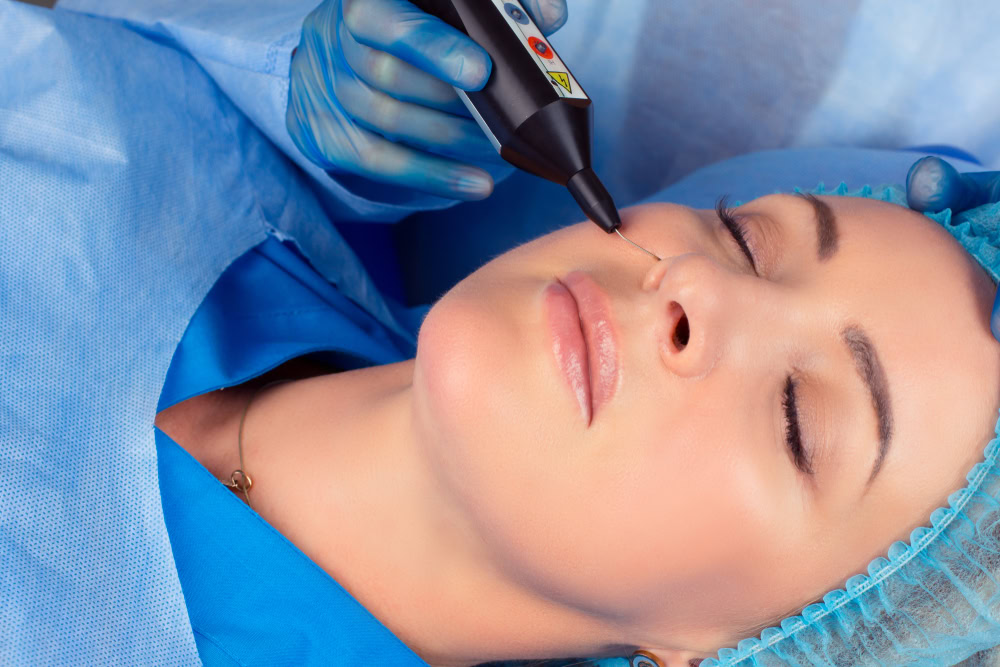
Microneedling works by creating thousands of tiny, controlled micro-injuries in the skin using a device with fine needles. That controlled trauma triggers your body’s natural healing response, stimulating collagen production and accelerating cell turnover. Over several weeks, as new skin forms, pigmented cells are gradually replaced. The SkinPen — the first FDA-cleared microneedling device on the market — is what we use at Wake Skincare, and its results have been shown to last up to six months per clinical data.
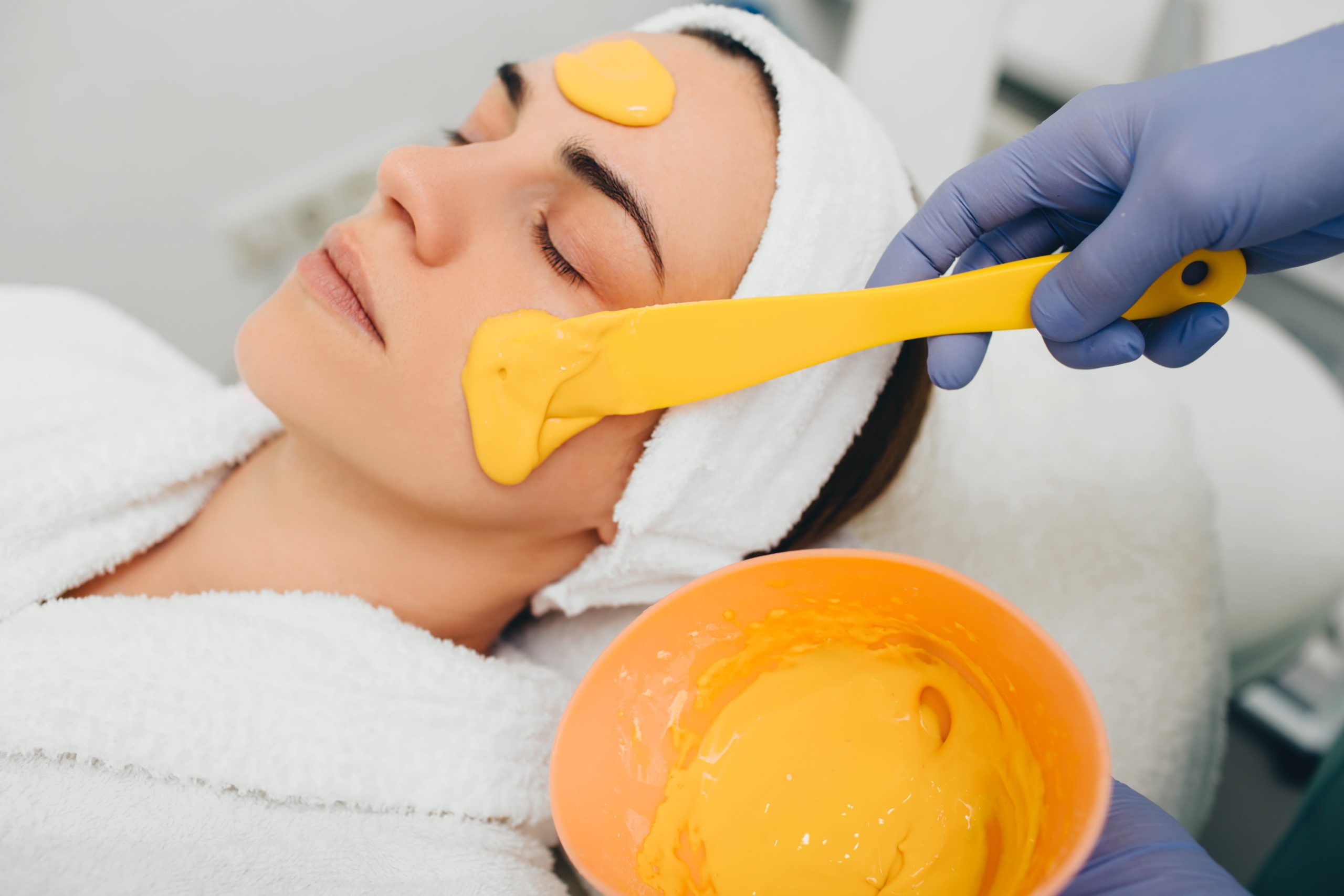
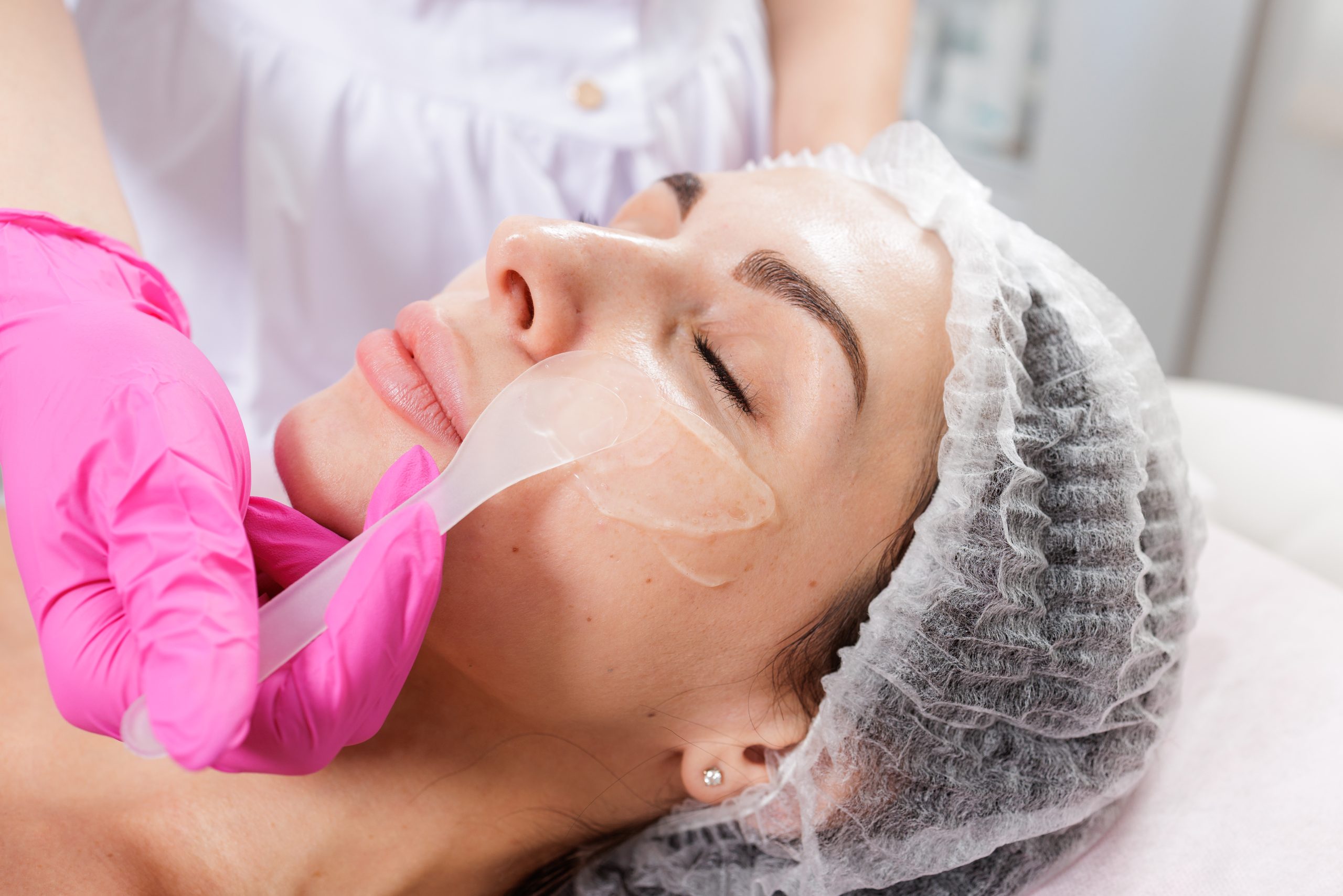
Chemical peels work differently. They use an acid solution — glycolic, salicylic, TCA, or a professional-grade formulation like the VI Peel — to dissolve the outermost layers of skin. As those layers shed, fresher, more evenly toned skin is revealed underneath. Research published in the Journal of Cutaneous and Aesthetic Surgery shows that superficial to medium-depth peels can reduce hyperpigmentation by 40 to 60 percent in appropriate candidates. The keyword there is “appropriate.”
What Microneedling for Dark Spots Actually Looks Like
People want to know what they’re signing up for. That’s fair.
Right after your session, your skin will look red — similar to a moderate sunburn. That typically settles within 24 to 48 hours. Over the next few days, you might notice some mild pinkness or sensitivity, but most people are comfortable going about their normal routine within two to three days. There’s no dramatic peeling, no week of hiding indoors.
The more important part is what happens after that initial healing window. Microneedling doesn’t produce overnight results. The real improvement comes from collagen remodeling — a process that unfolds over four to six weeks following each session. That means you won’t see your full results immediately, but what you do see tends to be progressive and cumulative. Most clients need a series of three to six sessions to achieve meaningful improvement in hyperpigmentation, with each session building on the last.
What microneedling does particularly well is address pigmentation that lives deeper in the skin — the kind that topical products can’t reach because they simply don’t penetrate far enough. Post-inflammatory hyperpigmentation from acne, for example, often has a structural component that surface-level treatments miss entirely. Microneedling reaches it. It also improves texture and pore appearance at the same time, which is why clients often notice their skin looks more even overall, not just lighter in specific spots.
One thing that doesn’t get said enough: the device matters. At-home dermarollers and professional microneedling are not the same treatment. The needle depth, sterility, and precision of an FDA-cleared device like the SkinPen are categorically different from anything you can buy online. If a previous microneedling experience didn’t deliver results, the device — or the depth settings — may have been the problem, not the treatment itself.
Why Skin Tone Changes Everything in Pigmentation Treatment
This is the part most comparison articles skip over, and it’s arguably the most important part — especially in a county as diverse as Wake County, NC.
If you have a medium to deep skin tone — what dermatologists classify as Fitzpatrick types IV through VI — the question of microneedling versus chemical peels isn’t just about results. It’s about safety. Melanocytes, the cells responsible for producing pigment, are naturally more reactive in melanin-rich skin. Any treatment that triggers inflammation can potentially cause those melanocytes to overproduce pigment in response — a condition called post-inflammatory hyperpigmentation, or PIH. The cruel irony: a treatment meant to reduce dark spots can cause new ones if the protocol isn’t right.
A peer-reviewed narrative review published in PubMed Central found that microneedling is generally very safe for Fitzpatrick types IV through VI, while medium-depth chemical peels require caution and deep peels should be avoided altogether in patients with darker skin. That’s not a minor footnote — it’s a clinical guideline that should directly inform your treatment decision.
For darker skin tones, microneedling tends to be the safer first-line option for hyperpigmentation because it doesn’t rely on chemical agents that can trigger melanocyte overactivity. That said, the needle depth still needs to be calibrated conservatively, and the provider needs to know what they’re doing. This is where experience with skin of color stops being a marketing phrase and becomes a genuine clinical requirement.
Wake County’s population reflects real demographic diversity — with significant Black, Hispanic, and Asian communities, a large portion of local residents fall into Fitzpatrick types III through VI. That’s not a niche demographic here. It’s the majority of people we work with. We specialize in skin of color specifically because the treatment protocols are different, the risk profile is different, and the results depend on getting those differences right.
If you’ve been told by another provider that your skin type isn’t a factor in choosing between these treatments, that’s worth reconsidering before you book.
When a Chemical Peel Is the Right Choice for Pigmentation Removal
Microneedling isn’t always the answer. For certain types of pigmentation and certain skin tones, a chemical peel is the more effective — and sometimes faster — option.
Superficial chemical peels work well for surface-level pigmentation: sun spots, mild melasma, and early-stage post-acne marks that haven’t yet settled deep into the dermis. Because they work by accelerating cell turnover rather than stimulating collagen from below, they can produce visible results more quickly than microneedling — sometimes within the first week of peeling. For clients with lighter skin tones (Fitzpatrick types I through III) dealing with sun damage or uneven tone, a well-chosen peel can be the most direct route to improvement.
The VI Peel variants — including the Precision Plus formulation specifically designed for pigmentation and melasma — are among the professional-grade options we use. These aren’t drugstore acid peels. The formulations, concentrations, and application protocols are calibrated for clinical outcomes, not just exfoliation.
Which Chemical Peel Works Best for Hyperpigmentation?
Not all chemical peels are created equal, and the type of peel matters as much as the decision to get one.
Superficial peels — glycolic acid, salicylic acid, and low-concentration TCA — work on the outermost layer of skin, the epidermis. They’re well-tolerated across a wider range of skin tones and require minimal downtime, typically three to five days of mild peeling. For clients with Fitzpatrick types I through III dealing with surface-level sun damage or uneven tone, these are often the most appropriate starting point.
Medium-depth peels, including higher-concentration TCA formulations, penetrate further and can address more stubborn pigmentation. They’re more effective for significant melasma or deeper discoloration — but they carry a meaningfully higher risk of PIH in darker skin tones. The research is clear on this: the risk of PIH from medium or deep chemical peels is two to three times higher in individuals with Fitzpatrick types IV through VI compared to lighter skin tones. That doesn’t mean medium-depth peels are off the table for darker skin, but it does mean they require a provider who understands how to prepare the skin beforehand, select the right formulation, and monitor the healing process carefully.
The VI Peel Precision Plus is one of the more thoughtfully formulated options for pigmentation specifically — it’s designed to suppress melanin production while promoting rapid cell turnover, which addresses the cycle of pigmentation rather than just the existing spots. It’s one of several tools in our approach at Wake Skincare, and whether it’s the right one for you depends on a proper skin assessment first.
Downtime for a superficial peel is typically three to five days of peeling and mild sensitivity. Medium-depth peels can involve five to seven days of more significant shedding. Neither is painless, but both are predictable — which matters when you’re planning around work, events, or life in general.
Combining Microneedling and Chemical Peels for Better Results
For many clients, the real answer isn’t either/or.
Microneedling and chemical peels address pigmentation through different mechanisms and at different depths. A superficial chemical peel can clear surface-level melanin and accelerate cell turnover. Microneedling can then go deeper, stimulating the dermal remodeling that addresses structural pigmentation and prevents it from cycling back. When sequenced correctly — typically a peel first, followed by microneedling sessions once the skin has healed — the two treatments can complement each other in ways that neither achieves alone.
This is the approach we take for clients with complex or stubborn pigmentation concerns: not a single treatment chosen from a menu, but a customized sequence built around what’s actually happening in your skin. That might mean starting with a VI Peel to address surface discoloration, then moving into a SkinPen microneedling series to address deeper structural concerns. Or it might mean microneedling first if your skin tone makes chemical peels a higher-risk starting point. There’s no universal protocol — and any provider who tells you otherwise is simplifying things in a way that may not serve you well.
Jacqueline Grace, who founded Wake Skincare, has won first and second place in the Pigmentation Artist of the Year category at The Skin Games — an international aesthetics competition. The Skin Games doesn’t hand out awards for showing up. It evaluates actual outcomes on actual clients. Winning that category twice means the results are independently verified, not self-reported.
Wake County’s hot, humid summers — and the cumulative UV exposure that comes with them — mean that pigmentation concerns here tend to be layered: part sun damage, part hormonal, sometimes part post-inflammatory. A one-size approach rarely works. A customized plan, built after a real skin evaluation, is what actually moves the needle.
Choosing the Right Pigmentation Removal Treatment for Your Skin
If you’ve read this far, you already know more than most people who walk into a skincare appointment. You know that the right answer depends on your pigmentation type, your skin tone, and the depth of the discoloration. You know that darker skin tones require a different approach — not a watered-down version of the same treatment, but genuinely different protocols. And you know that the device and the provider matter as much as the treatment category.
What you probably still don’t know is exactly which path is right for your skin specifically. That requires a real assessment.
We offer a free skin evaluation and consultation at Wake Skincare, and it’s exactly what it sounds like: a genuine look at your skin, your history, and your goals, followed by an honest recommendation. No pressure, no upselling mid-appointment. Just a clear answer to the question you’ve been trying to solve. If you’re in Wake County, NC and ready to stop guessing, that’s the right next step.