
Summary:
You searched “microneedling vs chemical peel reddit” because you wanted real answers — not a brochure. You’ve probably read a dozen conflicting threads by now. One person swears microneedling changed their skin. Another says a chemical peel cleared their dark spots in two sessions. A third says they tried both and regretted not going to a professional first.
Here’s the thing: a lot of what you’ll find on Reddit is genuinely useful. And some of it is genuinely risky. The difference almost always comes down to one variable Reddit never accounts for — your skin. Let’s sort through it.
What Is the Difference Between Microneedling and a Chemical Peel?
Microneedling and chemical peels both improve skin texture, tone, and appearance — but they do it in completely different ways, at different depths, and for different concerns.
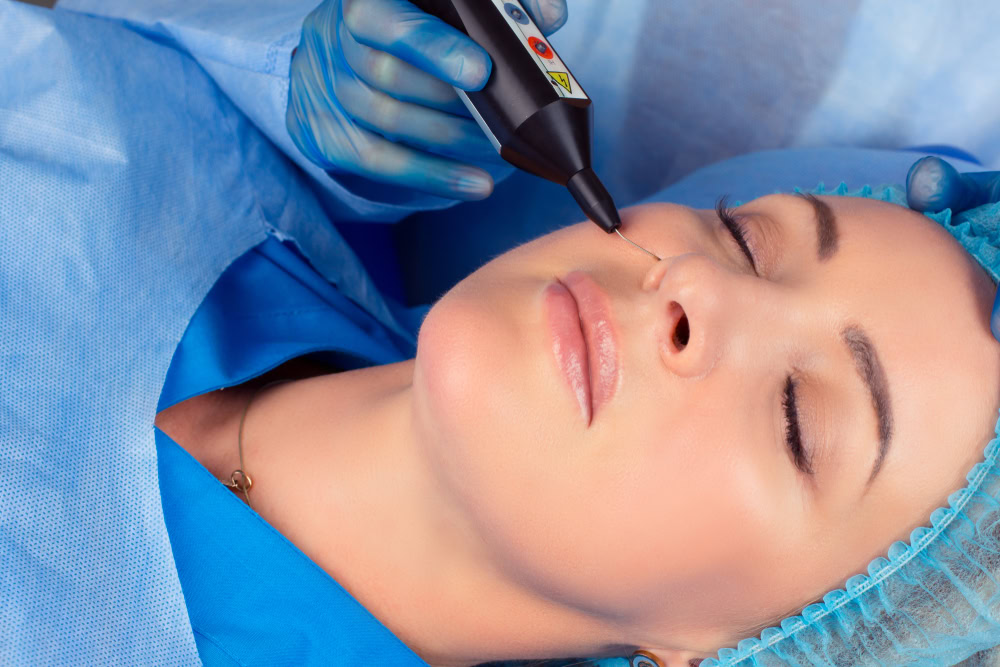
Microneedling uses a device with fine needles to create controlled micro-injuries in the skin. Those tiny punctures trigger your skin’s natural healing response, which produces new collagen and elastin. Over time — typically across a series of sessions — this process improves the appearance of acne scars, fine lines, enlarged pores, and uneven texture. We use the SkinPen at Wake Skincare, which is the first FDA-cleared microneedling device in the United States. That distinction matters when you’re choosing a provider.
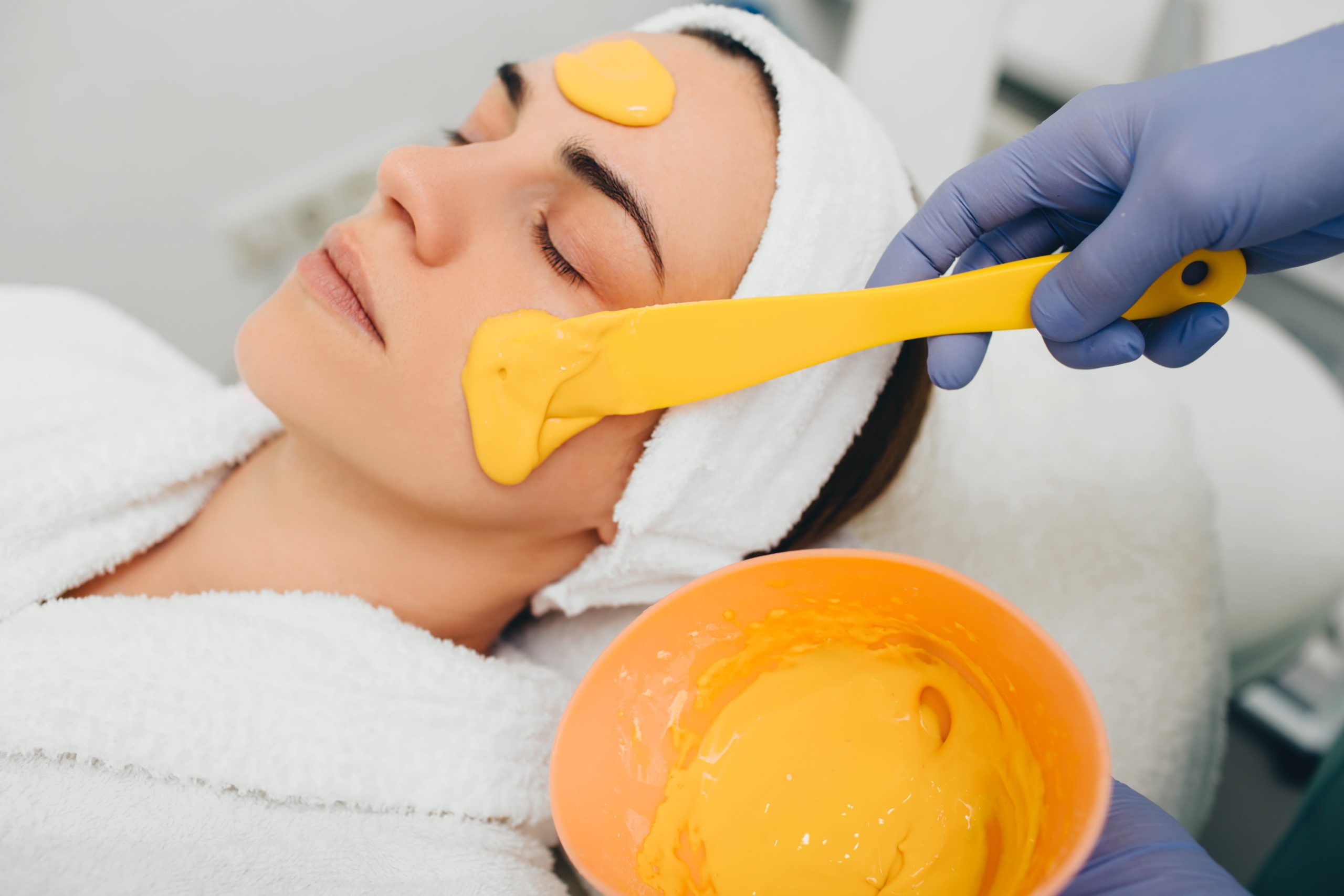
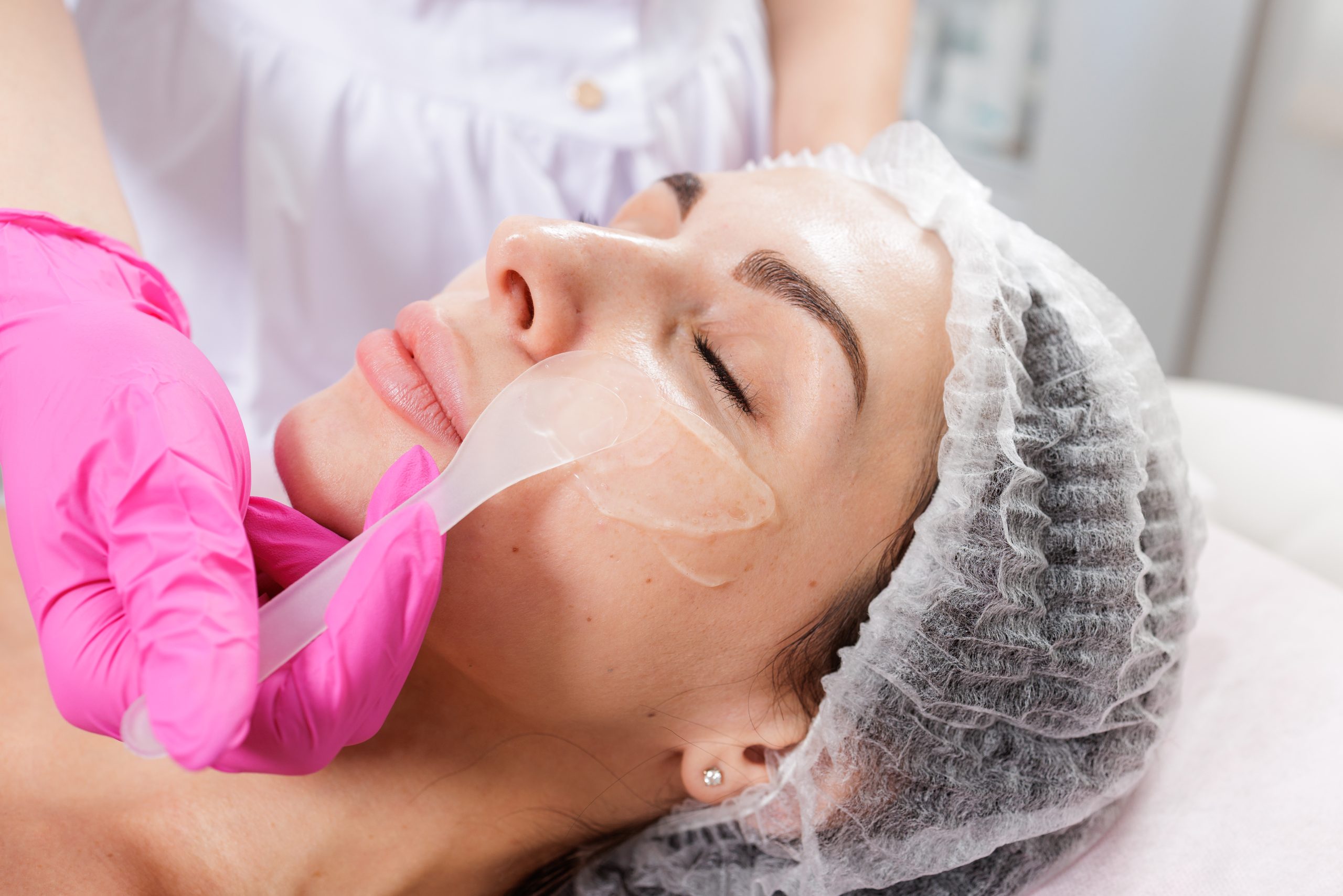
Chemical peels work differently. A carefully selected acid solution is applied to the skin to remove the outer layers, prompting fresh skin to resurface. Depending on the depth of the peel — superficial, medium, or deep — the results and recovery time vary significantly. Superficial peels using glycolic or salicylic acid are relatively gentle and require minimal downtime. Medium-depth peels using TCA go further and address more stubborn pigmentation, acne scarring, and moderate texture concerns.
Which Treatment Is Better for Your Specific Skin Concern?
This is where Reddit tends to oversimplify, and where the real answer starts to matter.
For acne scarring — the kind that leaves pitting or rolling texture — microneedling generally has the edge. A peer-reviewed clinical study published in the National Institutes of Health database compared microneedling directly against glycolic acid chemical peels for acne scar treatment and found microneedling to be the stronger option. The reason comes down to depth. Acne scars live below the surface. Chemical peels resurface the top layers of skin, but they can’t reach the structural damage underneath the way collagen induction therapy can.
For surface hyperpigmentation — sunspots, post-acne dark marks, uneven tone from UV exposure — a chemical peel is often the more direct route. Peels are specifically designed to accelerate cell turnover and break up pigment at the surface level. If your main concern is a complexion that looks dull, patchy, or sun-damaged after a long Wake County, NC summer, a well-matched peel can produce noticeable results relatively quickly.
Here’s where it gets more nuanced, and where Reddit almost always drops the ball: if you have a deeper skin tone — Fitzpatrick Type IV, V, or VI — chemical peels carry a real risk of triggering post-inflammatory hyperpigmentation if they’re not matched carefully to your skin. That same NIH study specifically flagged this. It’s not that peels are off the table for darker skin tones. It’s that the formula, depth, and provider experience matter enormously. A provider who doesn’t assess Fitzpatrick type before applying a peel is not a provider you want applying a peel.
Microneedling, by contrast, does not use heat or light energy. It doesn’t trigger the kind of inflammatory response that can worsen pigmentation in darker skin tones. For clients with skin of color who are dealing with hyperpigmentation, it’s often the safer starting point — and in many cases, the more effective one.
What Reddit Gets Wrong About These Treatments
Reddit skincare communities — r/SkincareAddiction, r/tretinoin, r/acne — are full of people sharing real experiences, and that has genuine value. But a few patterns show up consistently that are worth flagging before you make a decision based on them.
The first is the DIY peel recommendation. At-home peels use acid concentrations that are a fraction of what a professional formulation contains. That’s by design — it limits the damage an untrained person can do. But it also limits results. When someone on Reddit says “I just used a glycolic peel from Amazon and my skin looked amazing,” they’re describing a very different product than what a licensed provider applies in a clinical setting. Confusing the two leads to either disappointment or, worse, someone attempting to replicate professional-strength results at home and ending up with a burn.
The second is the assumption that microneedling gives instant results. It doesn’t. Collagen production takes time. Most clients need three to four sessions spaced about a month apart before they see the full benefit. Reddit posts that describe dramatic results after one session are either outliers or exaggerations. Setting realistic expectations before you start a treatment series is part of what a good consultation does.
The third — and this one matters most for Wake County’s diverse population — is the blanket advice that ignores skin tone entirely. Threads that say “just get a medium peel for your dark spots” without asking about skin type can steer someone with a deeper complexion toward a treatment that makes their hyperpigmentation significantly worse. It’s not malicious. It’s just that Reddit doesn’t know your skin. A qualified provider in Wake County, NC does — or should.
Should You Choose Microneedling, a Chemical Peel, or Both?
The question most people are really asking isn’t “which one is better” — it’s “which one should I start with, and do I need both?”
The honest answer is that these two treatments are not competing options. They work at different depths and address different layers of the same problem. Microneedling addresses structural concerns below the surface — collagen loss, deep scarring, textural irregularities. Chemical peels address what’s happening at and near the surface — pigmentation, dullness, uneven tone. When sequenced correctly, they complement each other well. The combination tends to produce better results than either treatment alone.
That said, the sequencing matters. Jumping into both at once without a professional assessment is exactly the kind of approach that leads to the “I tried everything and nothing worked” posts you see on Reddit. A proper skin evaluation determines which concern to address first, which treatment is appropriate for your skin type, and how to build from there.
How to Choose the Right Treatment in Wake County, NC
Wake County’s climate is worth factoring in here, and it’s something most national comparison articles completely ignore. The summers here are hot, humid, and high-UV. If you spend time outdoors — whether that’s the greenways around Raleigh, the parks in Wake Forest, or just commuting in the sun — you’re accumulating UV exposure that shows up as dark spots, uneven tone, and accelerated aging over time.
Both microneedling and chemical peels increase sun sensitivity after treatment, which is why fall and winter — October through March — are the preferred seasons for both. If you’re thinking about starting a treatment series, the cooler months are genuinely the better window. If you want results by summer, late winter is the time to start.
Wake County also has a meaningfully diverse population, with a significant share of residents with Fitzpatrick Skin Types III through VI. For that portion of the population, provider selection is not a minor detail — it’s the most important variable in whether a chemical peel helps or harms. At Wake Skincare, our founder Jacqueline Grace has won first place in Pigmentation Artist of the Year at The Skin Games, an international esthetician competition judged on actual treatment outcomes. That credential exists specifically because treating hyperpigmentation — especially in skin of color — requires a level of expertise that not every provider has. It’s not a marketing claim. It’s a result that was evaluated against practitioners from around the world.
For clients who are newer to professional skincare treatments and unsure where to start, a free consultation is the most practical first step. It removes the guesswork, removes the financial risk, and gives you an actual plan based on your actual skin — not a Reddit thread written by someone whose skin type, history, and goals you know nothing about.
Microdermabrasion vs Microneedling vs Chemical Peel: What's the Actual Difference?
This comes up constantly in searches, so it’s worth addressing directly — especially since the three treatments sound similar and get conflated in online discussions all the time.
Microdermabrasion is a physical exfoliation treatment. A device buffs away the outermost layer of dead skin cells using either a diamond-tip wand or fine crystals. It’s gentle, requires no downtime, and is a good option for maintaining skin texture and brightness. What it doesn’t do is stimulate collagen, reach deeper layers of the skin, or address structural concerns like acne scarring. It’s a surface treatment — effective within its limits, but not the right tool for deeper problems.
Microneedling goes further. By creating controlled micro-injuries in the dermis, it triggers a wound-healing response that generates new collagen and elastin. This is what makes it effective for acne scars, deeper texture irregularities, and skin laxity. The results build over time and across a series of sessions, but they address concerns that microdermabrasion simply cannot reach. The SkinPen device we use is FDA-cleared, which is a meaningful distinction in a market where device quality varies considerably.
Chemical peels occupy a different lane entirely. Rather than physical exfoliation or mechanical stimulation, they use acid chemistry to dissolve and remove damaged skin cells, accelerating turnover and targeting pigmentation at the cellular level. The depth of a peel — superficial, medium, or deep — determines what it can address and how much recovery is involved. A superficial glycolic or salicylic peel is a very different experience from a TCA peel, and both are very different from a deep phenol peel. At Wake Skincare, we offer glycolic, salicylic, and TCA peels, all customized to the individual’s skin type, tone, and concern.
The short version: microdermabrasion maintains, microneedling rebuilds, and chemical peels resurface. They’re not interchangeable, and for many clients, a thoughtfully sequenced combination of two or all three — over time — produces the best long-term results.
Make Your Decision Based on Your Skin, Not Reddit
Reddit is a reasonable place to start learning. It’s not a reasonable place to finish making a decision about your skin — especially if you have a deeper skin tone, active hyperpigmentation, or a history of treatments that haven’t worked.
The comparison between microneedling and a chemical peel isn’t a coin flip. It’s a clinical question that depends on your skin type, your specific concern, your history, and your goals. Both treatments are genuinely effective in the right context. Both can fall short — or cause problems — in the wrong one.
If you’re in Wake County, NC and want a real answer based on your actual skin, we offer free consultations at Wake Skincare. No pressure, no package upsell — just an honest assessment and a clear plan. That’s a better starting point than any thread online.