Summary:
You’ve got the venue locked in, the photographer is booked, and now you’re deep in the search for a wedding makeup artist near you. It’s a crowded market — everyone in Wake County seems to have a portfolio and a five-star review. So how do you actually figure out who’s worth trusting with your wedding day?
The honest answer is that most brides focus entirely on the day-of application and miss the bigger picture. The condition of your skin going into your wedding is the single biggest factor in how your makeup looks, lasts, and photographs. Get that right, and everything else gets easier.
How to Find a Wedding Makeup Artist Near Wake Forest
Wake County’s wedding market has grown fast. With more than 1.2 million residents and roughly 66 new people arriving every day, the Triangle area now has no shortage of bridal beauty vendors — freelancers, mobile teams, salon suites, and medical spas all competing for the same brides. That volume is good for options, but it makes comparison harder.
The most reliable filter isn’t price or availability. It’s credentials you can actually verify. Self-described “experienced” and “professional” claims are everywhere. What’s rarer is a provider whose recognition comes from sources outside their own marketing — third-party awards, peer-judged competitions, manufacturer certifications. Those are the signals worth paying attention to.
What to Look for in a Bridal Makeup Artist's Portfolio and Reviews
A portfolio tells you a lot, but only if you know what to look for. The most useful images aren’t the studio shots with controlled lighting — they’re real wedding photos taken outdoors or in mixed lighting, hours into the event. That’s where you see whether the makeup actually holds up or whether it’s fading, creasing, or looking cakey by the reception.
Look for consistency across skin tones and styles. An artist who only shows one type of bride — same complexion, same aesthetic — may not have the range to translate your vision. This matters especially in Wake County, where the population is increasingly diverse. A significant share of new residents come from international backgrounds, and the bridal market reflects that. If you have deeper skin, hyperpigmentation, or specific concerns around skin of color, you need an artist who has demonstrable experience with those complexions — not one who’s learning on your wedding day.
Reviews are equally important, but read past the star rating. The most telling reviews mention specifics: how the makeup held up through the ceremony and reception, how the artist communicated in the weeks leading up to the wedding, whether the trial session felt collaborative or rushed. Brides who felt ignored or uncertain before the event consistently describe that anxiety in their reviews — and it’s a red flag worth heeding.
One more thing: reliability. A brick-and-mortar business with an established local presence and years of community history in Wake County is a meaningfully different risk profile than a freelancer operating out of a personal Instagram account. Brides new to the area and without local referral networks should weight this factor heavily.
When to Book Your Wedding Makeup Artist in Wake County
The short answer: earlier than you think. Peak wedding season in North Carolina runs from April through June and again in September and October — the windows when the weather cooperates for outdoor ceremonies. Experienced artists and estheticians in Wake County fill those dates months in advance, sometimes more than a year out.
If your wedding falls in one of those peak windows, you should be reaching out to vendors at least nine to twelve months ahead. Not because you need to have every decision made, but because a free consultation costs you nothing and locks in your spot on the calendar before it disappears.
The trial session — where you and your artist work through the actual look before the wedding day — is typically scheduled one to three months out. This is the real conversion point. A good artist will document exactly which products and shades were used so the look can be replicated precisely. A great one will also ask about your skin, your concerns, and how you want to feel — not just how you want to look. If a trial session feels like a transaction rather than a conversation, that’s information.
There’s also a timing consideration that most brides overlook entirely: if you’re planning any pre-wedding skincare treatments — facials, chemical peels, dermaplaning, microneedling — those need to be scheduled with enough lead time to do their job and let your skin settle. Starting that conversation at the six-month mark gives you real options. Starting at six weeks gives you very few.
Why Skin Prep Changes Everything for Wedding Hair and Makeup
Ask any experienced makeup artist what separates a wedding look that photographs beautifully from one that doesn’t, and they’ll give you the same answer: the skin underneath. Makeup applied to well-hydrated, smooth, even-toned skin performs differently than makeup applied to congested, dehydrated, or textured skin. The products sit better, blend more naturally, and last longer — especially important in Wake County’s summer heat and humidity, where makeup that isn’t properly anchored to healthy skin will start to break down within hours.
This is why the most complete approach to bridal beauty isn’t just finding a makeup artist — it’s building a skin preparation timeline that starts months before the wedding and works toward the day-of application as the finish line, not the starting point.
Pre-Wedding Skincare Treatments That Actually Impact Your Makeup
Different treatments address different concerns, and the right sequence depends entirely on your skin. That’s why a free consultation with a licensed esthetician — before any treatment is scheduled — is the most valuable first step a bride can take.
HydraFacial is one of the most popular pre-wedding treatments because it delivers immediate, visible results: deep hydration, exfoliation, and a clarity that makes skin look genuinely refreshed rather than just temporarily glowy. For brides who want their skin to look its best on the wedding day, a series of HydraFacial treatments in the months leading up — with a final session scheduled a week or two before — can meaningfully change how makeup applies and photographs.
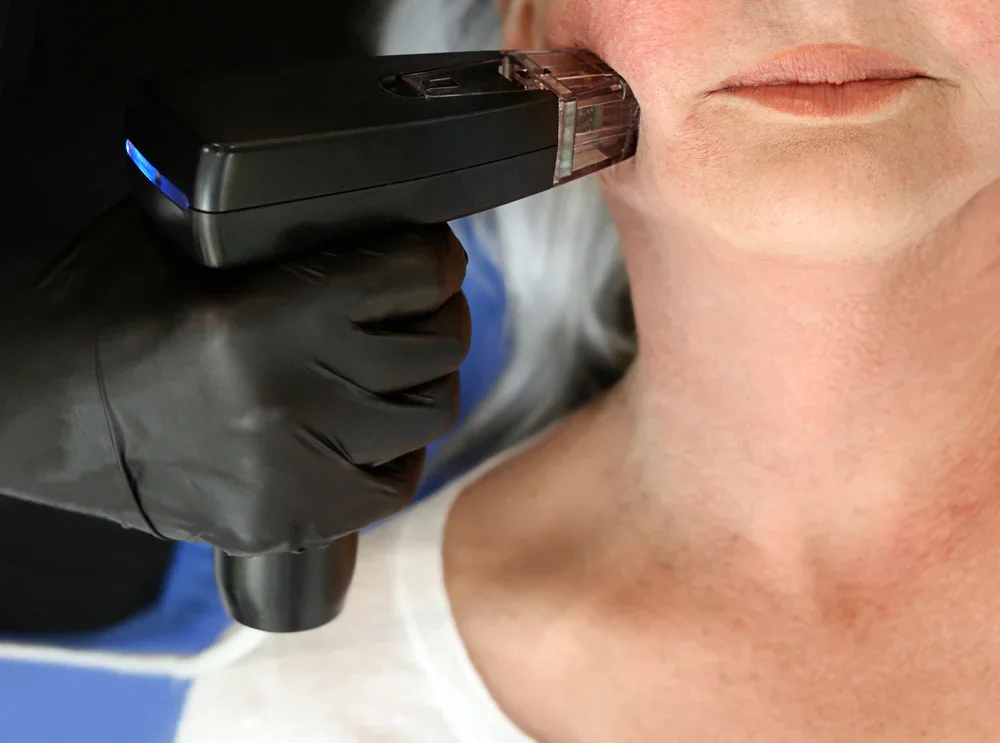
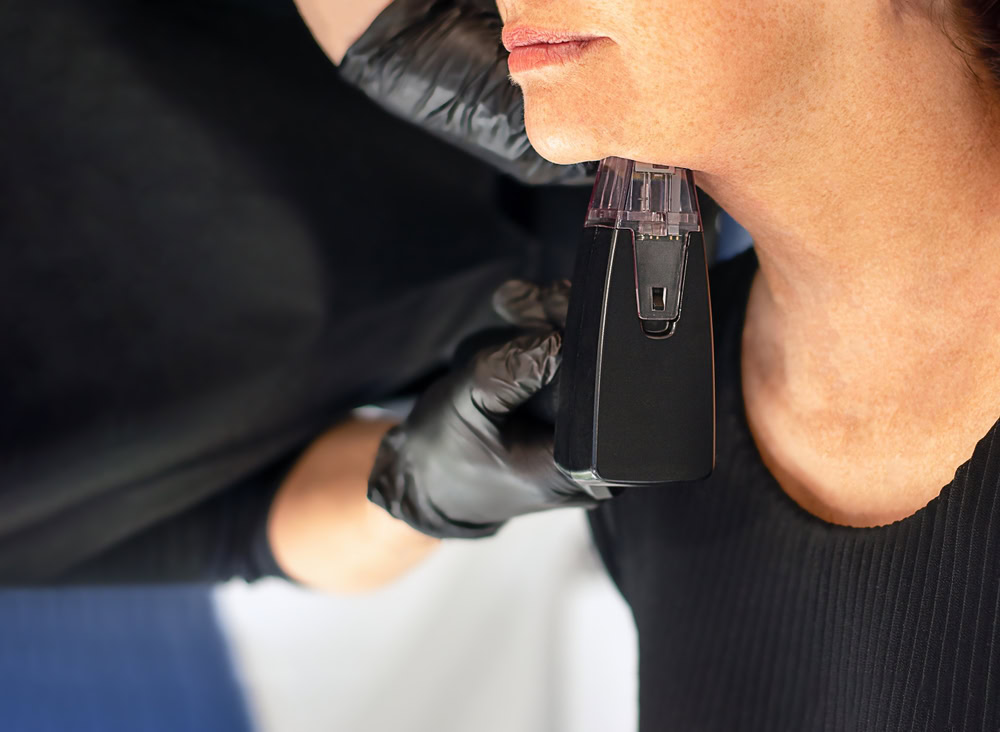
Dermaplaning removes the fine vellus hair and surface dead skin that cause makeup to sit unevenly. Chemical peels address tone, texture, and hyperpigmentation. SkinPen microneedling targets scarring and uneven texture at a deeper level. IPL (Intense Pulsed Light) can correct sun damage and redness — the kind of underlying discoloration that requires heavy coverage to conceal and still shows through in photographs under certain lighting.
The key with all of these is timing. Microneedling and chemical peels, for example, require adequate recovery time and should not be scheduled close to the wedding date. A knowledgeable esthetician will map out a treatment plan that accounts for your skin’s response time and builds toward your wedding date deliberately. Done right, the result is skin that needs less coverage, holds makeup longer, and looks natural in photos rather than masked.
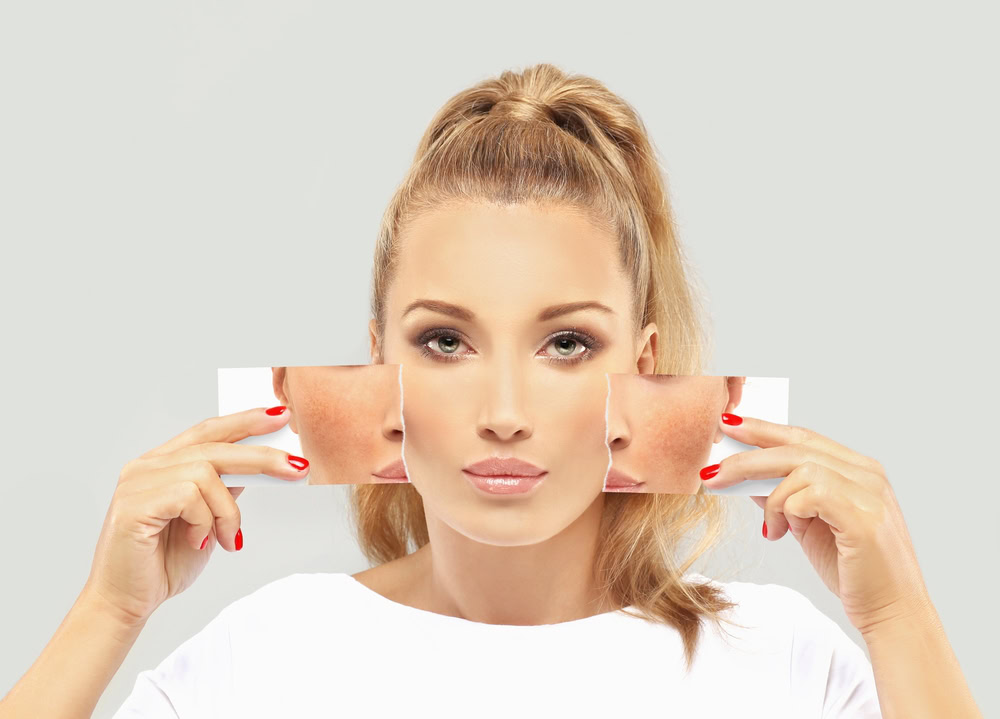
For brides with hyperpigmentation, acne scarring, or skin of color concerns, this preparation phase isn’t optional — it’s where the real work happens. Correcting those underlying issues before the wedding gives your makeup artist the best possible canvas to work with, and it shows in the final result.
Permanent Makeup: A Practical Option Before Your Wedding
For a growing number of brides, permanent makeup — specifically powder brows — has become one of the most practical decisions in their pre-wedding beauty planning. The appeal is straightforward: on a morning that’s already packed with getting-ready logistics, eliminating brow makeup from the equation entirely reduces stress and guarantees that one part of your look is locked in from the moment you wake up.
Powder brows use a technique that deposits pigment in a soft, diffused pattern — the result looks like filled-in brows rather than the harder, more defined look associated with older permanent makeup methods. Done well, it’s a subtle enhancement that photographs naturally and doesn’t require the daily maintenance of penciling or powder application.
The timing consideration here is more significant than with most skincare treatments. Permanent makeup should be scheduled several weeks before the wedding — not in the final days — to allow for any minor initial healing and to ensure the color has settled to its true tone. Most artists recommend a follow-up touch-up appointment four to eight weeks after the initial session, so planning ahead is essential.
If you’re considering this option, the consultation conversation is the right place to start. A qualified permanent makeup specialist will assess your natural brow shape, discuss the look you’re after, and give you an honest read on whether the timing works for your wedding date. The goal isn’t a dramatic transformation — it’s waking up on your wedding morning already feeling put together before the rest of the day begins.
Start Your Bridal Beauty Search in Wake County
The search for a wedding makeup artist near Wake Forest comes down to a few things that are easy to overlook when you’re comparing portfolios and reading reviews: verifiable credentials, real experience with your skin type, and a provider who thinks about your wedding day as the end of a preparation process — not the beginning of one.
Wake County’s bridal market is growing fast, and so is the number of vendors competing for your booking. The ones worth trusting are the ones whose recognition comes from somewhere other than their own website.
If you’re planning a wedding in Wake County and want to talk through what a realistic skin prep timeline looks like for your date, we at Wake Skincare offer a free consultation for all new clients. No commitment, no pressure — just a real conversation about your skin and what’s actually possible before your wedding day.