Summary:
Most people who come in asking about rosacea don’t actually know they have it. They describe their skin as “always red,” “reactive,” or “sensitive to everything.” They’ve tried gentle cleansers, calming creams, and probably a round of prescription topicals. Some things helped a little. Nothing held.
If that sounds familiar, you’re not dealing with a product problem. You’re dealing with a condition that requires a different approach entirely — one that starts with understanding what’s actually happening in your skin, not just what’s visible on the surface. Here’s what you need to know.
What Rosacea Is — and Why It's So Easy to Misread
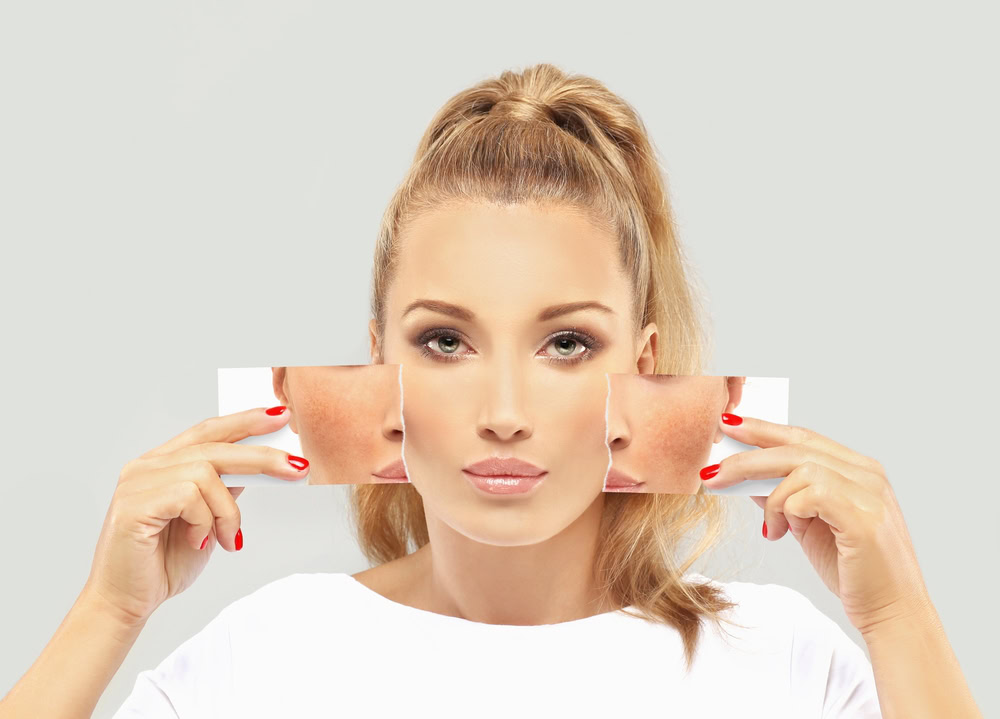
Rosacea is a chronic inflammatory skin condition that causes persistent redness, visible blood vessels, and sometimes bumps that look a lot like acne. It’s not the same as sensitive skin, and it’s not adult acne — even though it’s been mistaken for both. Estimates suggest it affects around 10% of the global population, though many cases go undiagnosed for years simply because the signs get written off as something else.
The condition is chronic, which means there’s no single treatment that makes it disappear forever. The goal is management — reducing how often flares happen, how intense they are, and how long they last. When that’s done right, most people see a dramatic improvement in how their skin looks and feels day to day.
Why Rosacea Keeps Coming Back (It's Not Just Your Products)
Here’s the part most people miss: rosacea is trigger-driven. That means even the best treatment in the world won’t hold if you haven’t identified what’s setting your skin off in the first place.
Common triggers include sun exposure, heat, wind, alcohol, spicy food, and stress — but they vary significantly from person to person. What sends one person’s skin into a full flare might not affect someone else at all. That’s why a generic protocol rarely works long-term. The treatment has to be built around your specific pattern, not a checklist pulled from a pamphlet.
In Wake County, NC, the climate adds its own layer of complexity. North Carolina summers are hot and humid, and the UV intensity here is significant enough to provoke rosacea flares even on overcast days. If you spend time outdoors — whether that’s on the greenways, around Falls Lake, or just commuting — your skin is getting hit with triggers that a lot of people in cooler climates never have to think about.
Then the seasons shift, and the rapid temperature swings that come with a Triangle spring or fall become their own source of irritation. It’s genuinely year-round here in a way it isn’t everywhere else. A 2024 retrospective study found that rosacea diagnoses have been trending upward, with 61% of cases in their cohort identified in just the final three years of a ten-year study window. Whether that reflects better awareness or environmental factors, the result is the same: more people are recognizing this condition and looking for real answers.
The frustrating part is that the answers aren’t always easy to find. Research published in peer-reviewed medical literature has documented that rosacea patients frequently experience what’s described as “perceived medication failure” and distrust of physicians — meaning many people have already cycled through prescriptions and standard treatments before they find something that actually works for them. That’s not a failure on your part. It’s a sign that rosacea needs a more individualized approach than most providers take the time to offer.
IPL for Rosacea: How Light Therapy Targets the Redness at the Source
When rosacea redness becomes persistent — not just a flush that fades, but a visible, constant baseline redness with visible blood vessels — in-office treatment becomes the most effective path forward. Intense Pulsed Light therapy, or IPL, is one of the most well-evidenced options available. A 2024 meta-analysis published in the Journal of Cosmetic Dermatology concluded that IPL demonstrates “robust efficacy and favorable safety profiles” in treating rosacea, and it’s consistently cited by dermatologists and estheticians as a first-line intervention for vascular rosacea specifically.
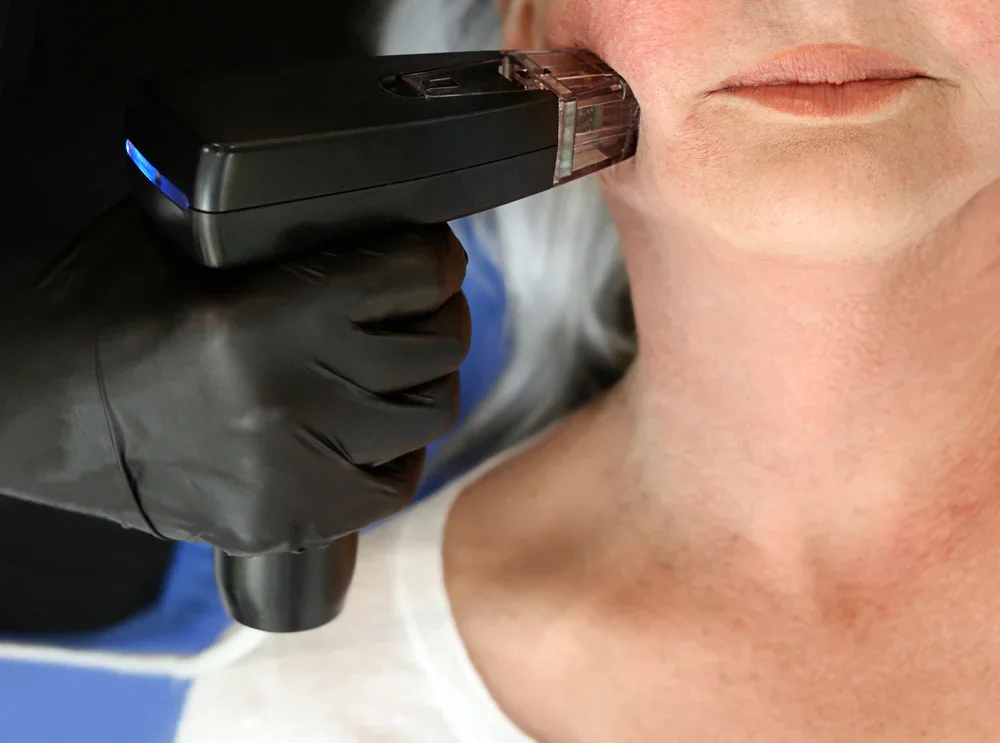
The way it works is fairly direct. IPL delivers calibrated pulses of light energy into the skin that are absorbed by the dilated blood vessels causing the redness. The heat from that absorption causes those vessels to collapse and get reabsorbed by the body over time. The result is a reduction in visible redness, fewer visible blood vessels, and skin that looks significantly calmer. It doesn’t damage the surrounding tissue when performed correctly, which is why the device calibration and the provider’s experience both matter enormously.
Most people need between four and six sessions for maximum results, though some see meaningful improvement after a single treatment. Sessions are typically spaced a few weeks apart, and the period immediately following treatment requires some care around sun exposure — which is worth planning around if you’re active outdoors in Wake County, NC.
At Wake Skincare, we use Lumecca by Inmode for IPL treatments — a medical-grade device designed specifically for vascular and pigmentation concerns. Our treatments are calibrated to each client’s skin, not set to a standard default. That distinction matters more than it might sound. We also have medical director oversight for our medical-grade services, which is a layer of safety and clinical accountability that not every spa-based practice can offer.
Jacqueline Grace, who founded Wake Skincare, has been named Best Esthetician in Wake County for three consecutive years and earned first and second place in the Pigmentation Artist of the Year category at The Skin Games — an international aesthetics competition where results are judged on documented, real skin transformations. Rosacea involves exactly the kind of vascular pigmentation and discoloration that category evaluates. That credential isn’t incidental to this work. It’s directly relevant.
Building a Rosacea Skin Care Routine That Doesn't Make Things Worse
Professional treatment makes the biggest difference when it’s supported by the right home routine. For rosacea-prone skin, that routine doesn’t need to be complicated — but it does need to be deliberate. The wrong products, even ones marketed as “gentle” or “natural,” can trigger a flare just as easily as heat or sun exposure.
The foundation is simple: a fragrance-free gentle cleanser, a non-comedogenic moisturizer, and a mineral sunscreen with at least SPF 30. That’s it to start. The goal is to protect the skin barrier, reduce inflammation, and block the UV exposure that triggers so many flares — especially in a climate like Wake County’s, where meaningful sun exposure is a reality for most of the year.
What to Avoid in Your Skincare Routine If You Have Rosacea
The list of ingredients that commonly irritate rosacea-prone skin is longer than most people expect. Alcohol-based toners and astringents, glycolic acid, fragrance (in any form), and physical exfoliants are among the most frequent culprits. These are ingredients that show up in products marketed for acne, anti-aging, and even “sensitive skin” — which is part of why so many people with rosacea feel like nothing works. They’re inadvertently using products that aggravate the very thing they’re trying to calm.
Washcloths, scrubs, and anything with a rough texture are also worth setting aside. Rosacea-prone skin doesn’t need exfoliation in the traditional sense — it needs support. That means gentle application, minimal friction, and a real commitment to letting the skin barrier function without disruption.
One of the most important things to understand about building a rosacea routine is the timeline. Meaningful improvement from a consistent routine typically takes six to eight weeks before it becomes visible. That’s not a sign the routine isn’t working — it’s just the pace at which skin responds to reduced inflammation and improved barrier function. The instinct to switch products when you don’t see immediate results is understandable, but it’s also one of the most common ways people accidentally reset their progress.
If you’re introducing anything new, do it one product at a time so you can actually identify what’s helping and what’s not. This is where a professional consultation genuinely changes the game. Rather than guessing which products to add or remove, you get a clear starting point based on your actual skin — your triggers, your current condition, your goals. For anyone in Wake County, NC who has been cycling through routines without a clear result, that kind of structured starting point can save months of frustration.
What a Rosacea Facial Actually Does — and When It Makes Sense
A rosacea facial isn’t a standard facial with a different name. It’s a treatment specifically designed to calm inflammation, support the skin barrier, and reduce the visible redness and reactivity that come with rosacea — without triggering a flare in the process. The approach is gentler than a typical facial, and the product selection is intentional. Nothing goes on the skin that hasn’t been evaluated for its effect on reactive, inflamed tissue.
For someone who is new to professional skincare treatment, or whose rosacea is in a more active phase, a rosacea-focused facial is often the right first step before moving to something like IPL. It allows the skin to be assessed in person, gives the provider a clear picture of what’s happening and how reactive the skin currently is, and starts the process of calming the baseline inflammation before introducing more targeted technology.
One of our clients came in describing his concern simply as “redness.” He’d never had a professional skin treatment before and wasn’t sure what he needed. Jacqueline identified rosacea on the first visit and recommended a HydraFacial rather than a more intensive treatment — because that was the right starting point for where his skin was. He saw immediate results and left with a clear understanding of what his skin needed going forward. That’s the kind of assessment that changes how someone relates to their skin — not an upsell, just the right call.
We offer a free skin evaluation to all new clients for exactly this reason. Rosacea looks different on every person, and the right treatment plan depends on factors that can’t be determined from a description alone. The evaluation gives us the information we need to make a real recommendation, and it gives you a clear picture of your options before you commit to anything. For Wake County, NC residents who’ve been dealing with persistent redness and aren’t sure where to start, that conversation is genuinely useful — and there’s no obligation attached to it.
Getting Rosacea Under Control in Wake County: Where to Start
Rosacea is manageable. It takes the right combination of a consistent home routine, professional treatment timed to your skin’s current state, and a provider who actually takes the time to understand your triggers — not just your symptoms.
If you’ve been living with persistent redness, reactive skin, or flares that keep returning no matter what you try, the answer probably isn’t a new product. It’s a different approach. One that starts with understanding your skin rather than guessing at it.
Wake Skincare is located in Wake Forest and serves clients across Wake County, NC. If you’re ready to stop cycling through routines that don’t hold, reach out to us to schedule your free skin evaluation. We’ll tell you exactly what we’re seeing and what we’d recommend — and we’ll start where your skin actually is, not where a standard protocol assumes it should be.