Summary:
If you spent the summer outdoors — at Falls Lake, on a patio in Raleigh, cheering at a sports field, or just living your life in the Wake County heat — your skin absorbed more than you probably noticed in the moment. Wake County’s UV index regularly hits 7 or higher for seven or more hours a day during peak summer months. That’s classified as “very high risk of harm from unprotected sun exposure.” And the evidence tends to show up in September.
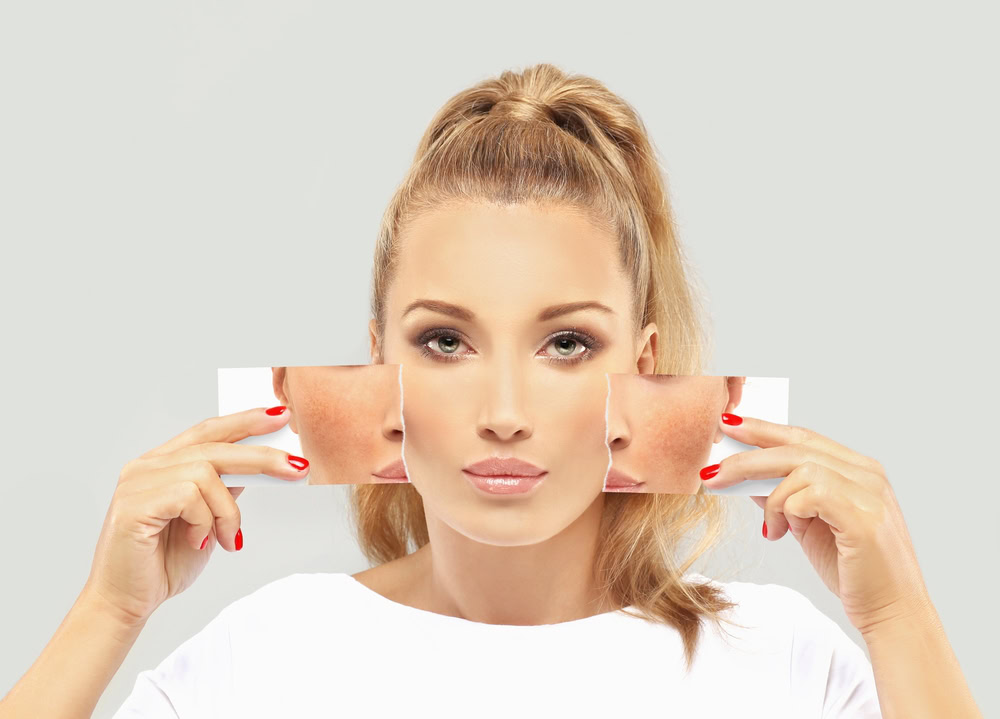
Dark spots that weren’t there before. Uneven tone that foundation used to cover but now can’t quite keep up with. Patches of discoloration that feel like they appeared overnight, even though they’ve been building all summer. If that sounds familiar, you’re not imagining it — and you’re not stuck with it.
Skin Care for Hyperpigmentation: Why Summer Makes It Worse
Hyperpigmentation happens when your skin produces too much melanin — the pigment that gives skin its color. UV exposure is one of the most reliable triggers for that overproduction. Your skin is essentially trying to protect itself, and dark spots are the result.
The tricky part is that the damage doesn’t always show up immediately. Melanin takes time to surface, which is why so many people in Wake County notice their skin looking worse in early fall than it did in July. You were in the sun all summer. Now you’re seeing the bill.
Without professional treatment, dark spots can take months to a year to fade on their own — and for many people, they don’t fully resolve without help. New ones can keep appearing, especially without consistent sun protection. That cycle is frustrating, and it’s exactly why so many Wake County residents start looking for something more effective than what’s sitting on their bathroom shelf.
Best Hyperpigmentation Treatment: How Professional Facials Actually Work
Here’s something worth understanding before you book anything: pigmentation doesn’t sit in one place. Some of it lives in the outermost layers of the skin — the epidermis — where it’s more accessible and responds faster to treatment. Some of it is deeper, in the dermal layer, where it takes a different approach entirely to address. Some people are dealing with both at once.
That’s why a one-size-fits-all facial won’t move the needle on pigmentation the way a targeted, customized protocol will. A relaxing hydration facial has its place, but it’s not designed for what you’re trying to fix.
The treatments that actually work for pigmentation do one or more of the following: they accelerate cell turnover to bring fresher, more evenly toned skin to the surface faster; they deliver brightening ingredients deeper into the skin than any over-the-counter product can reach; they use light or energy to break up melanin clusters beneath the surface; or they stimulate collagen production in a way that improves overall tone and texture over time. Ideally, your provider is doing more than one of these things — and doing them in the right order, with the right tools for your specific skin type.
A HydraFacial with brightening boosters, for example, cleanses, exfoliates, and infuses targeted serums — including ingredients specifically chosen to address discoloration — in a single session. It works for all skin types, including sensitive skin, which makes it a strong option for people who aren’t good candidates for light-based treatments.
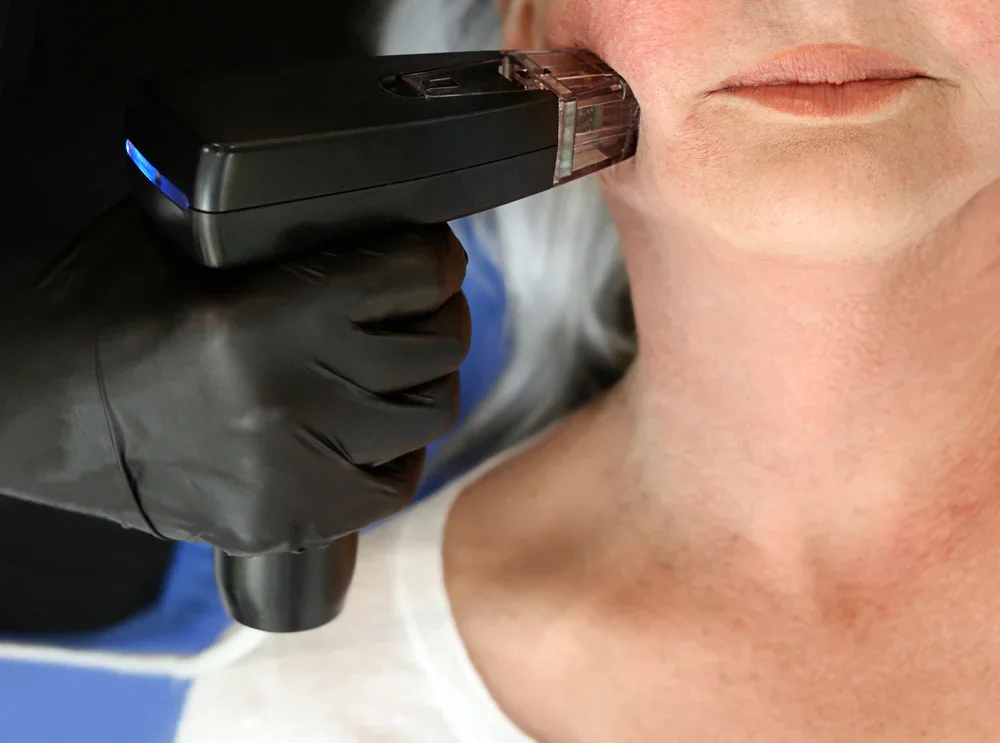
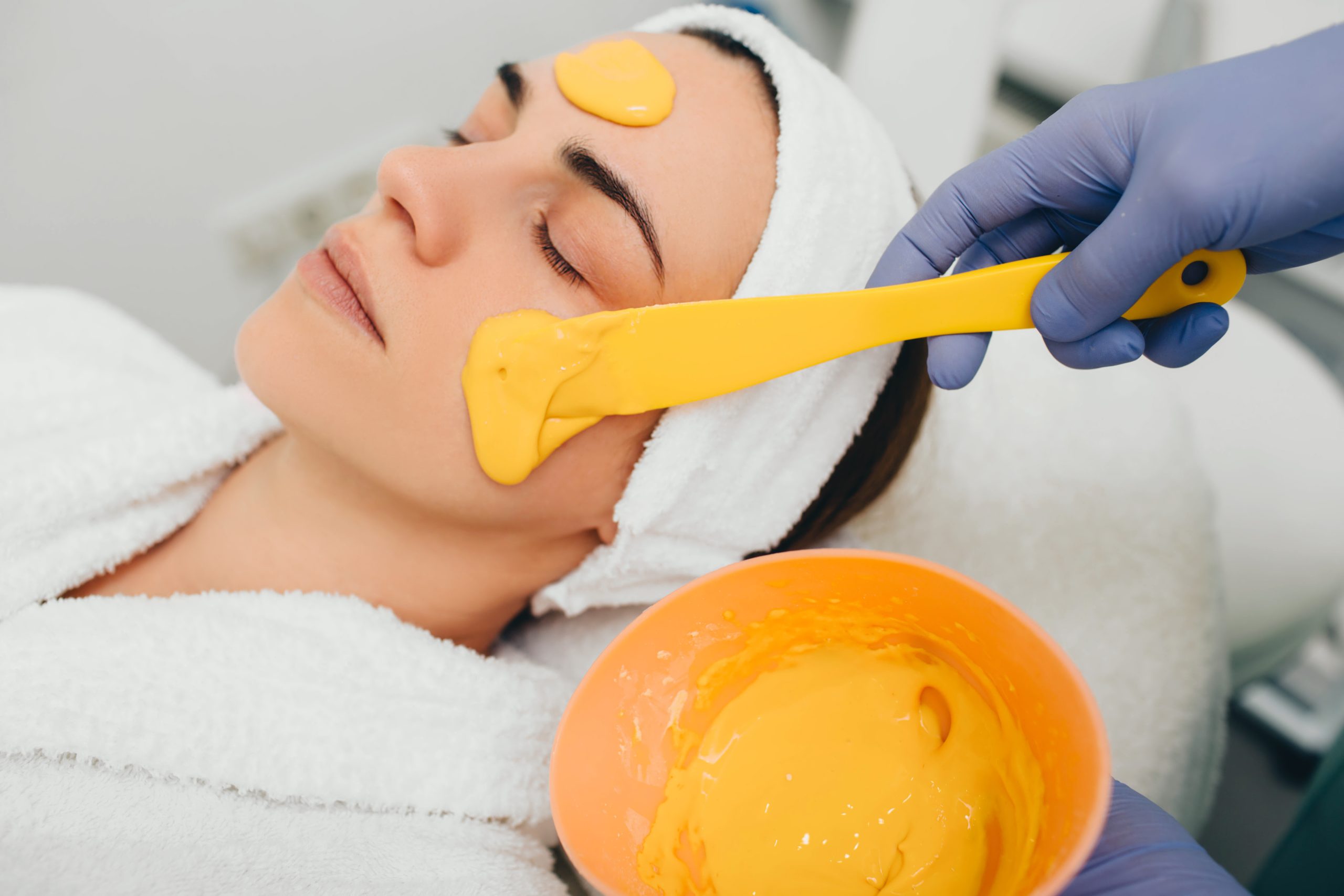
A medical-grade chemical peel goes deeper, removing the top layers of skin to lift pigmentation and accelerate turnover. Lumecca IPL uses light energy to target melanin clusters directly. SkinPen microneedling creates controlled micro-injuries that trigger the skin’s natural healing response, improving tone and texture over a series of sessions.
The right answer depends on your skin — its tone, its history, its sensitivity, and where your pigmentation actually lives. That’s not a sales pitch for more services. It’s just the reality of how skin works.
Is It Safe to Treat Hyperpigmentation on Darker Skin Tones?
This is one of the most important questions to ask — and one that too many providers don’t address directly. The short answer is yes, but only with the right expertise and the right approach.
People with medium to deep skin tones are more prone to hyperpigmentation to begin with. Post-inflammatory hyperpigmentation — the kind that shows up after acne, a rash, or any kind of skin trauma — affects a higher percentage of people with darker complexions. Research puts the rate of acne-induced PIH at over 65% in Black patients and over 52% in Hispanic patients, compared to lower rates in lighter skin tones. That means this is not a niche concern. It’s a common one, and it deserves a provider who actually knows how to treat it.
The risk comes when light-based treatments like IPL or certain lasers are applied without proper knowledge of how darker skin tones respond. In those cases, the treatment itself can trigger more pigmentation — the opposite of what you came in for. That’s a reason to be selective about who you trust with your skin.
At Wake Skincare, Jacqueline Grace has built her practice around this kind of specificity. Clients have noted — in their own words, in their own reviews — that she “understands and knows how to treat hyperpigmentation in people of color, which not all estheticians know how to do correctly.” One client described her Clear & Brilliant laser series as “a game changer,” noting a “drastic change in the texture and appearance of my skin” after just one treatment. That kind of result doesn’t happen by accident. It happens because the provider knows what they’re doing, with which tools, for which skin.
Jacqueline is also the only provider in Wake County who has placed first in Pigmentation Artist of the Year at The Skin Games — an international competition where estheticians are judged on actual client results, not marketing materials. That credential is peer-verified and specific to pigmentation. It’s the kind of thing that matters when you’re deciding who to trust.
Skin Care for Pigmentation: Why Fall Is the Right Time to Start
Most people think about pigmentation treatment as something to do when the problem is at its worst — which tends to be mid-summer. But that’s actually the hardest time to treat it effectively. Many of the most effective treatments for pigmentation, including chemical peels and laser, increase your skin’s photosensitivity. Treating in summer, when UV exposure is at its highest, works against you.
Fall is the clinical sweet spot. UV exposure drops, your skin is no longer being actively bombarded with the rays that triggered the pigmentation in the first place, and you have months of lower-sun conditions ahead to let your results develop and hold. If you’ve been putting off doing something about your dark spots, this is the window.
What to Expect From a Pigmentation Facial — Before, During, and After
Before anything else happens, a good provider is going to look at your skin. Not glance at it — actually assess it. Your skin type, your pigmentation depth, your history with treatments, any sensitivities or contraindications. At Wake Skincare, every new client starts with a free skin evaluation and consultation. This isn’t a formality. It’s how we figure out which treatment — or combination of treatments — is actually going to do something for your specific situation.
During treatment, what you experience depends on the modality. A HydraFacial with brightening boosters is comfortable and has no downtime — most clients leave with visibly more radiant skin the same day. A chemical peel may involve some tingling and a few days of peeling as your skin sheds the treated layers. Microneedling sessions are typically done in a series and involve some redness post-treatment that resolves within a day or two. We walk you through what to expect before you’re on the table, not after.
After treatment, sun protection is non-negotiable. This isn’t optional skincare advice — it’s the difference between your results lasting and your pigmentation coming back. We also give you guidance on at-home maintenance: what products support your results, what to avoid, and how to protect the progress you’ve made. Results from a single session can be meaningful, but sustained improvement in pigmentation — especially deeper pigmentation — typically involves a series of treatments. Knowing that upfront helps you plan and set realistic expectations, which is a sign of a provider who respects your time and your money.
How to Choose the Right Esthetician for Hyperpigmentation in Wake County, NC
Wake County, NC has no shortage of skincare providers. Raleigh alone has med spas, day spas, dermatology practices, and chain aesthetics studios all offering some version of pigmentation treatment. So how do you actually evaluate them?
Start with credentials that are specific to pigmentation — not just general aesthetics certifications, but demonstrated expertise in treating this particular concern. Ask whether the provider has experience with your skin type and tone. Ask what happens if you don’t respond the way they expect. A provider who gives you a straight, thoughtful answer to that question is a different kind of provider than one who pivots to a brochure.
Look for peer-verified recognition, not just community popularity votes. Winning Best Esthetician in a local poll is meaningful. Placing first in Pigmentation Artist of the Year at an international competition where you’re judged on actual client outcomes is something else entirely. Jacqueline Grace has both — three consecutive years as Best Esthetician in Wake County, including First Place in the Wake Weekly Best of the Best 2022, and a first-place international win at The Skin Games in the pigmentation category.
She’s also one of fewer than 100 practitioners in the world to hold HydraFacial Master Certification — the highest tier of a three-level program. That distinction matters when HydraFacial is part of your pigmentation protocol, because the outcomes depend heavily on how the treatment is customized and delivered.
Wake Skincare is backed by a named medical director, which matters if you’re considering medical-grade procedures like Lumecca IPL or laser treatments. North Carolina requires physician oversight for med spa procedures of that level. Knowing that oversight is in place — with a real, named physician — is a meaningful safety signal, not just a legal technicality.
Finding a provider you can trust in Wake County, NC is one of those tasks that feels small but matters more than it seems. We’ve built our practice one client at a time, and the reviews reflect that.
Ready to Finally Do Something About Post-Summer Dark Spots?
Pigmentation that builds up over a summer of outdoor living in Wake County, NC doesn’t have to be something you just live with. The right treatment, timed right, with a provider who actually knows what they’re doing with your skin — that combination gets results. Often the same day you walk out.
Fall is when the timing works in your favor. UV exposure is down, your skin is ready to respond, and the treatments that move the needle on dark spots and uneven tone are at their most effective. This is the window.
If you’re ready to stop guessing and start seeing a real difference, Wake Skincare offers a free skin evaluation and consultation — no pressure, no hard sell, just an honest look at your skin and a clear plan for what would actually help. Reach out to Wake Skincare and let’s figure out what your skin needs.