Summary:
You’ve heard about both. Maybe a friend swears by her HydraFacial. Maybe you’ve seen microneedling all over your feed. Now you’re trying to figure out which one is actually worth booking — and whether you’re even looking at the right treatment for what’s bothering you.
That’s the question worth asking. Because HydraFacial and microneedling are not the same thing, they don’t fix the same problems, and picking one without understanding the difference is how people end up frustrated with results that never quite matched the expectation.
Let’s clear that up.
What Is a HydraFacial — and What Does It Actually Do?
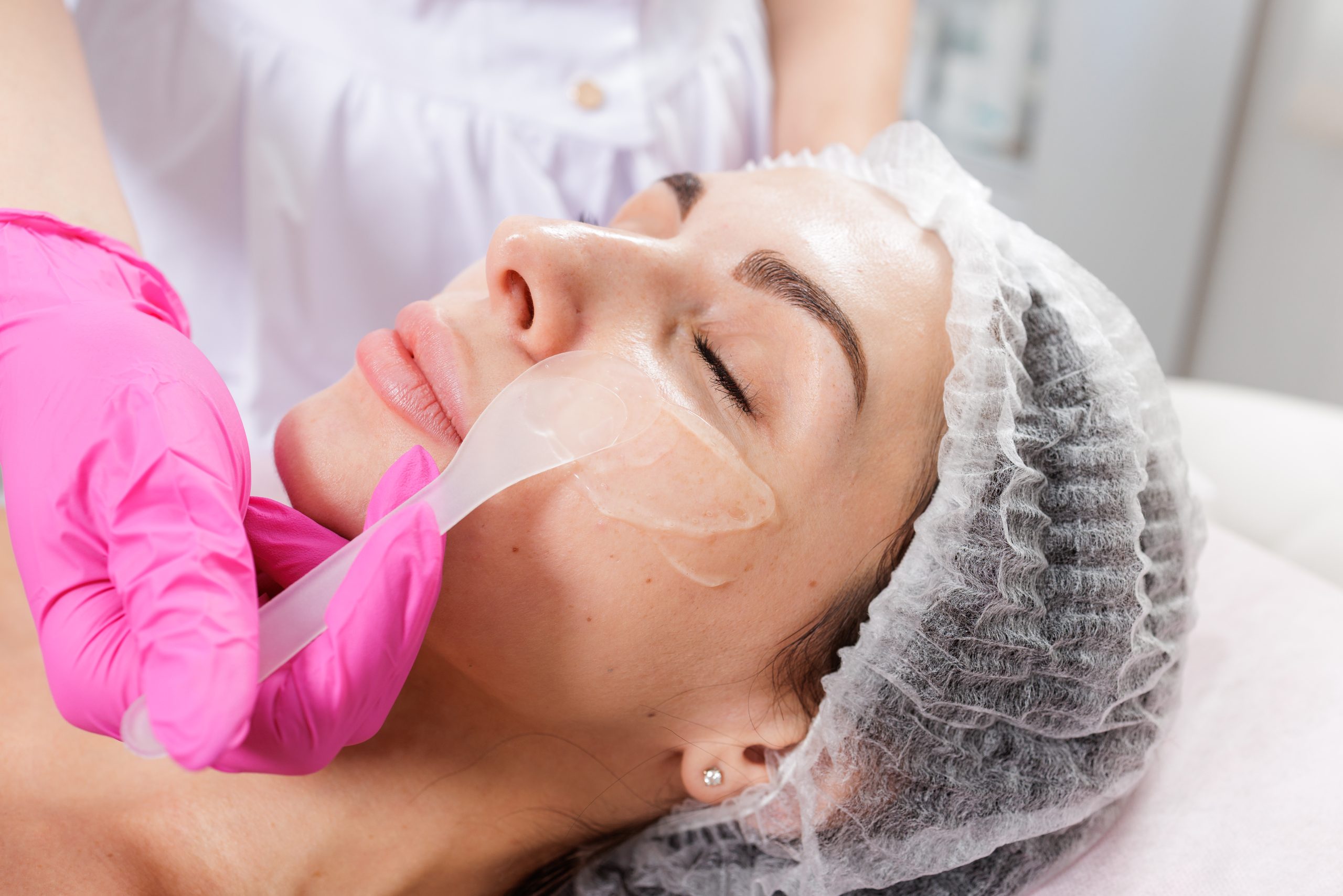
HydraFacial is a multi-step treatment that cleanses, exfoliates, extracts, and hydrates your skin in one session using patented Vortex-Fusion technology. That last part matters — it’s not a manual facial with products layered on top. The device simultaneously pulls out congestion and pushes in targeted serums, which is something no hand technique can replicate.
The result is skin that looks and feels noticeably different the same day. No redness, no recovery time, no waiting to see if something worked. You walk out looking like yourself — just a clearer, brighter, more hydrated version.
That’s why it’s the go-to before events, during high-stress seasons, or anytime you need your skin to show up without any downtime involved.
HydraFacial vs. Regular Facial: Why They're Not the Same Thing
A regular facial and a HydraFacial share the same general idea — cleanse, treat, hydrate — but the similarity stops there. A traditional facial relies on manual techniques: hands, steamers, gauze, and whatever products the esthetician applies in sequence. It can feel relaxing and leave your skin looking refreshed, but the depth of what it actually changes is limited.
HydraFacial uses a medical-grade device with interchangeable tips and customizable booster serums. The Vortex-Fusion system creates a continuous loop of extraction and infusion — pulling out debris from pores while simultaneously delivering active ingredients into the skin. That’s not something a regular facial can do, no matter how skilled the hands behind it.
For someone dealing with congested pores, dull skin, dehydration, or early signs of aging, that difference in delivery method translates directly into a difference in results. The HydraFacial also allows for targeted boosters — brightening formulas for hyperpigmentation, growth factors for anti-aging, salicylic acid for acne-prone skin — so the treatment adapts to your specific concern rather than following a fixed protocol.
In Wake County, where humid summers push oil production and clog pores faster than most people realize, a HydraFacial isn’t just a treat-yourself service. For many of our clients, it’s maintenance. The Triangle’s pollen seasons don’t help either — spring and fall bring environmental stressors that leave skin reactive and congested, and HydraFacial handles both without any recovery period.
What a regular facial can’t offer is that combination of precision, consistency, and customization in a single session. That’s the gap HydraFacial fills — and why it’s become a staple for clients who want something more than a relaxing hour with minimal skin-level impact.
Microneedling vs. Facial: When You Need More Than Surface-Level Results
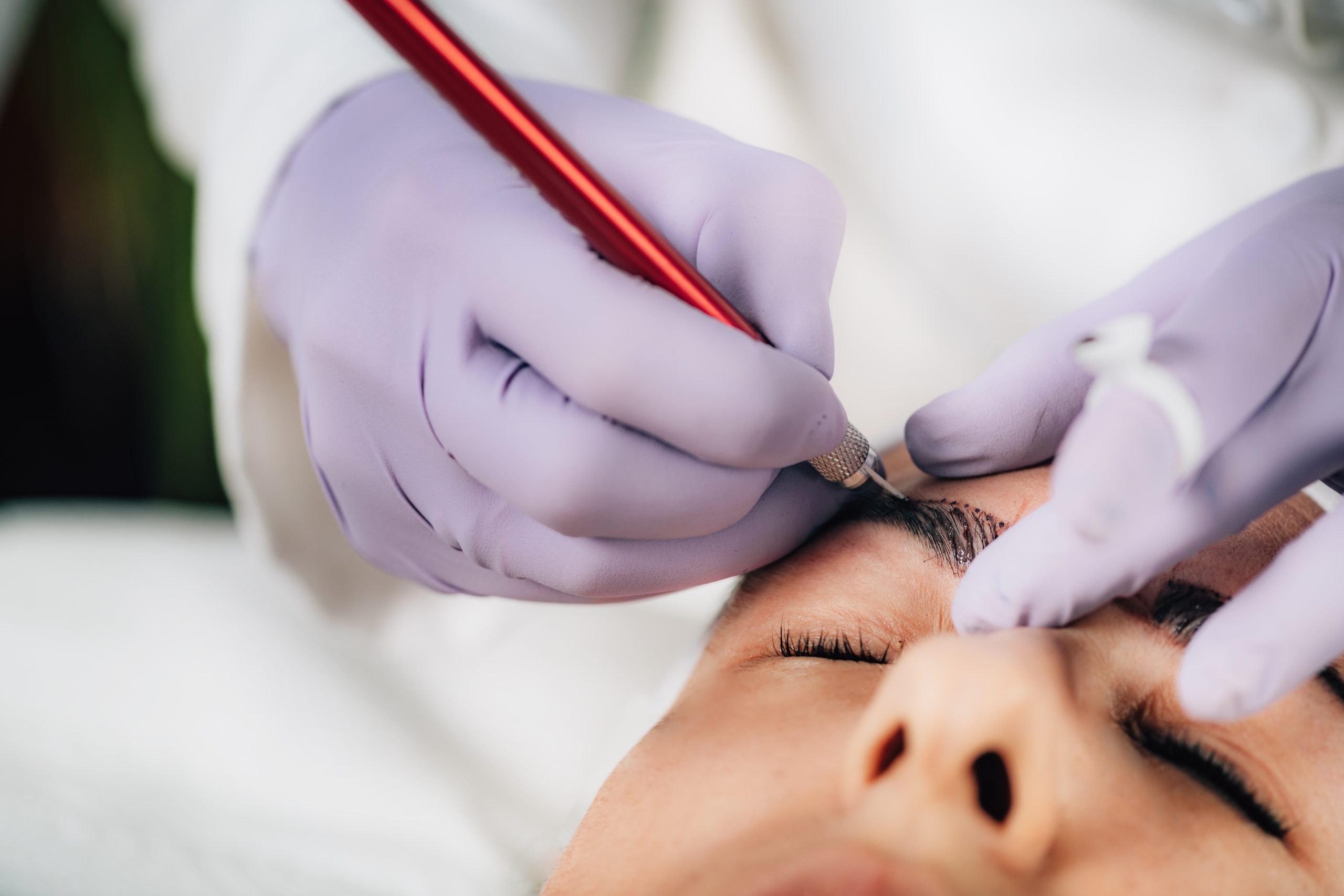
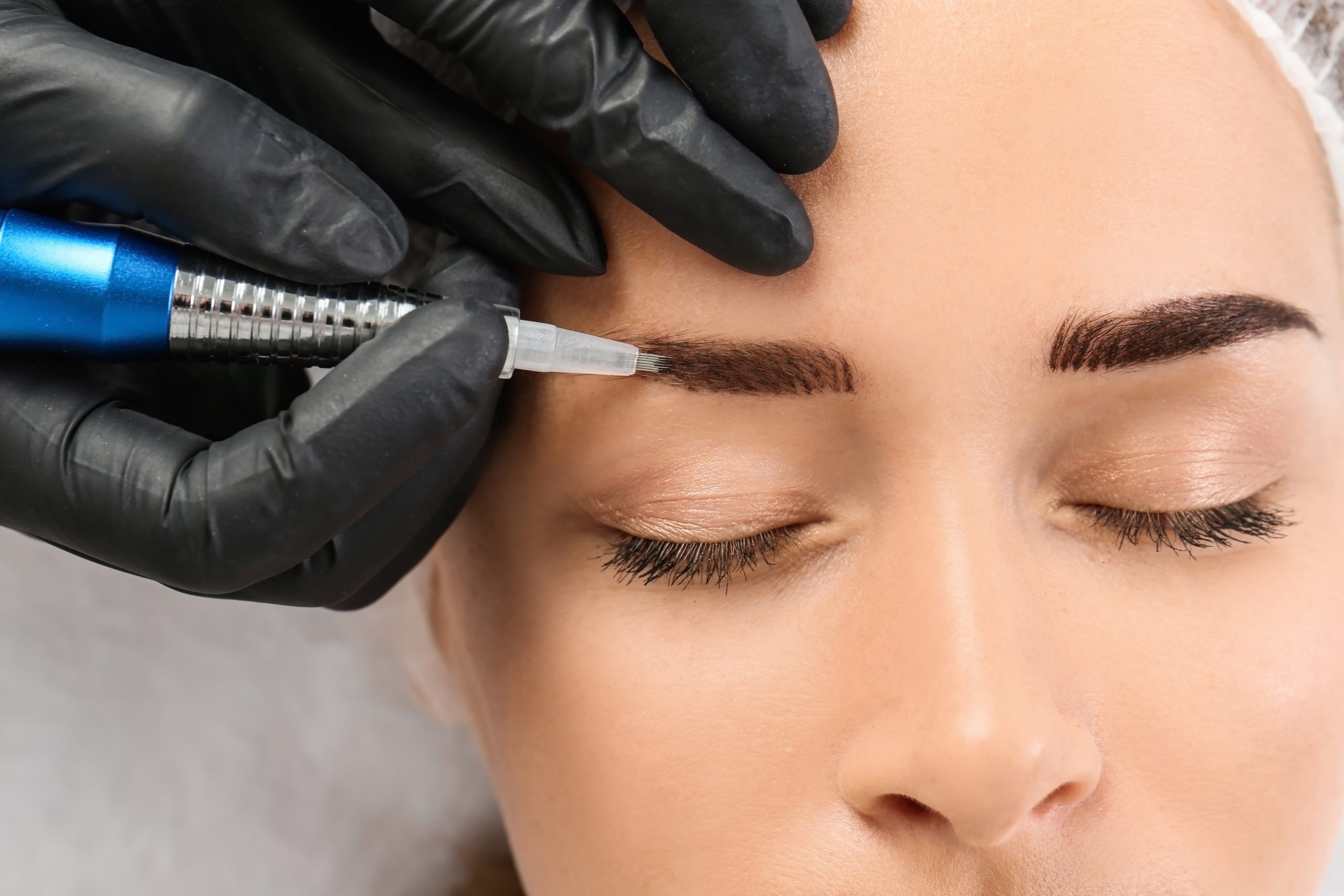
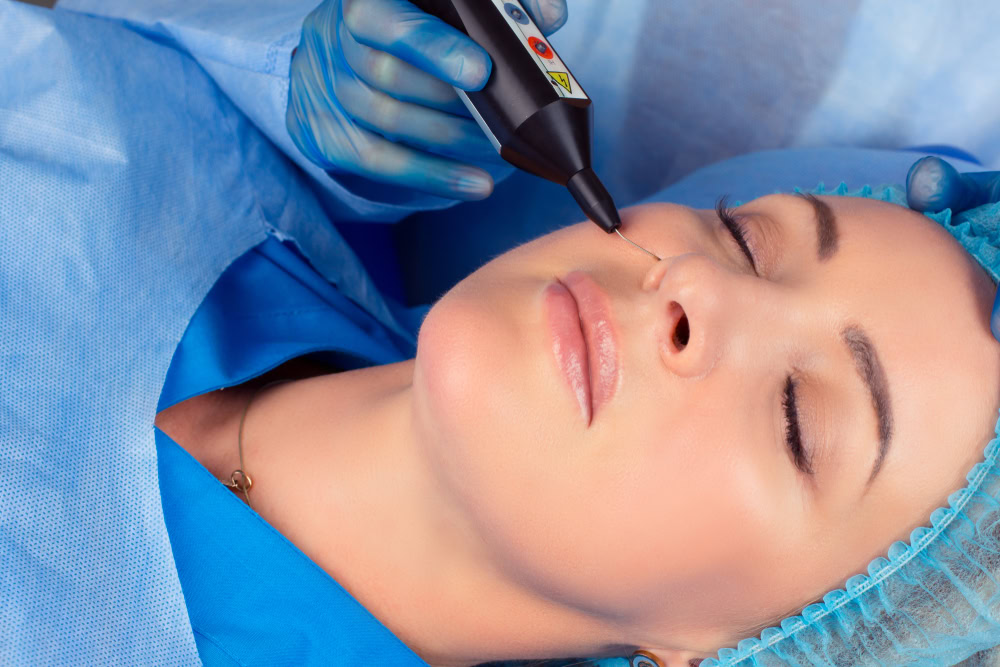
If a regular facial works at the surface, microneedling works beneath it. The treatment uses a device — we use SkinPen, which is FDA-cleared — to create controlled micro-channels in the skin. That sounds more intense than it feels (a topical numbing cream is applied beforehand), but the principle is straightforward: your skin responds to those micro-injuries by producing new collagen and elastin.
That collagen response is what makes microneedling a fundamentally different category of treatment. A facial can clean your skin. Microneedling can structurally change it over time.
For acne scars, enlarged pores, uneven texture, and early skin laxity, no amount of cleansing or topical application gets to the root of what’s happening. The issue is in the dermis — the deeper layer of skin where scar tissue forms and where collagen production slows with age. Microneedling works at that level. Clinical data shows that more than 80% of patients see 50–75% improvement in scar appearance after a series of treatments.
The tradeoff is time. Microneedling is typically done in a series of three sessions spaced about four weeks apart, and you’ll see some redness and mild peeling for a few days after each one. Results build gradually as collagen remodeling takes place — full improvement is usually visible around four to six weeks after each session.
For Wake County residents thinking about timing, fall and winter are the best seasons to start a microneedling series. Sun exposure is the primary post-treatment concern, and North Carolina’s long, sunny summers make it harder to protect freshly treated skin. Starting in October or November gives you the full series window with lower UV exposure and cooler temperatures that support healing.
Comparing microneedling to a facial isn’t really an apples-to-apples question — they’re built for different goals. If your concern is structural, microneedling is the right conversation to have.
Microneedling vs. Chemical Peel: Understanding Where Each One Fits
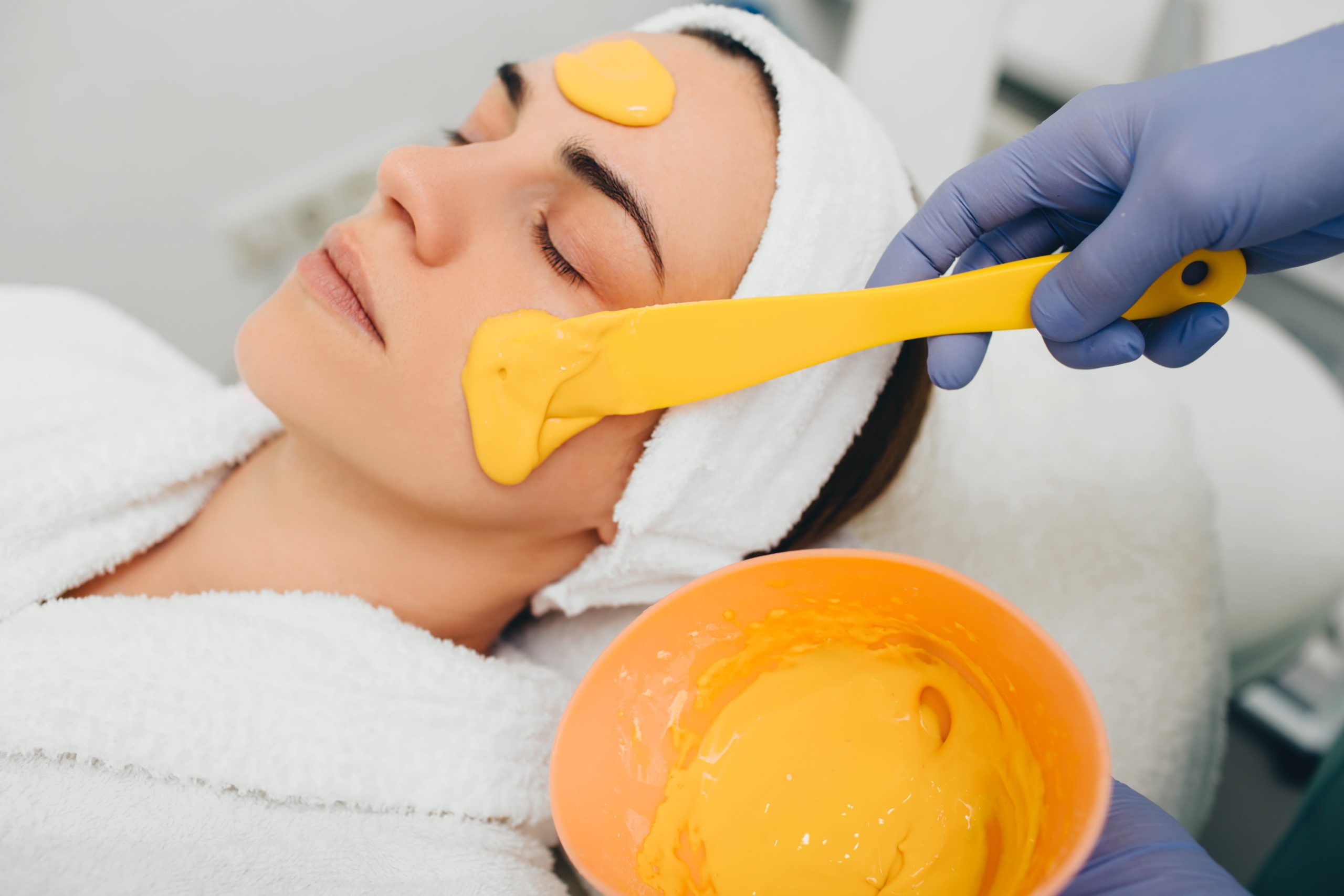
Microneedling and chemical peels both go deeper than a standard facial, and both address texture and tone — but they do it through completely different mechanisms. A chemical peel uses an acid solution to remove the outer layers of skin, prompting cell turnover and surface renewal. Microneedling triggers collagen production through controlled physical stimulation rather than chemical exfoliation.
For surface-level concerns like uneven tone, sun damage, or mild discoloration, a chemical peel can be highly effective. For structural concerns — acne scars, pore size, skin laxity — microneedling tends to produce more meaningful results because it’s working at the dermal level rather than removing surface layers.
Which Is Better for Acne Scars: Microneedling or a Chemical Peel?
The short answer is that it depends on the type of scarring — but for most people dealing with atrophic acne scars (the depressed, pitted kind), microneedling tends to outperform chemical peels. Peels address texture at the surface. Microneedling addresses the structural deficit underneath it.
Atrophic scars form when the skin loses collagen during the healing process. You can exfoliate the surface as many times as you want — the indentation doesn’t go away because the issue isn’t the surface. Microneedling prompts the skin to produce new collagen in the exact area where it’s deficient, which is why it’s been shown to produce significant scar improvement after a series of sessions.
Chemical peels do have a strong role in treating post-inflammatory hyperpigmentation (PIH) — the dark marks that often follow acne breakouts. For that specific concern, a peel targeting pigmentation can work well. We offer VI Peels as part of our treatment menu for exactly this reason.
The more important question — and one that doesn’t get asked enough — is what happens when the person treating you has darker skin. For Fitzpatrick skin types III through VI, aggressive chemical peels carry a real risk of triggering more hyperpigmentation rather than resolving it. Microneedling doesn’t carry that same risk profile, which is why it’s often the safer and more effective choice for clients with melanin-rich skin.
This is an area where provider expertise genuinely matters. Jacqueline Grace has won first and second place in Pigmentation Artist of the Year at The Skin Games — an international aesthetics competition — and has been specifically recognized by clients for understanding how to treat hyperpigmentation in people of color correctly. That’s not a common combination of credentials, and it’s one of the reasons clients come to us from across Wake County and beyond.
Can You Do HydraFacial and Microneedling Together?
Not on the same day — but yes, they work extremely well together when sequenced properly. This is actually one of the most underexplained aspects of both treatments, and it’s something we incorporate into personalized treatment plans regularly.
The typical approach is to use a HydraFacial to deep-clean and prep the skin before beginning a microneedling series. Starting microneedling on congested, compromised skin isn’t ideal — you want a clean, balanced canvas before you begin stimulating collagen production. A HydraFacial session accomplishes that effectively, and the extraction component removes the kind of buildup that could otherwise interfere with the healing process.
Between microneedling sessions, HydraFacial maintenance helps support the skin as it rebuilds. And once a microneedling series is complete, regular HydraFacial sessions help preserve the collagen improvement and keep skin clear and hydrated over time.
The framing of “HydraFacial or microneedling” is often the wrong question. For many clients — especially those dealing with both active congestion and structural concerns like scarring or texture — the better plan is both, in the right order, designed around their specific skin and timeline.
That’s the kind of plan that comes out of a real consultation, not a general article. Every new client at Wake Skincare starts with a free skin evaluation — not a sales pitch, just an honest assessment of what your skin needs and which treatment or combination of treatments will actually move the needle for you. Jacqueline holds a Master certification in HydraFacial, placing her among the first 100 practitioners in the world to achieve that level, and she brings the same depth of knowledge to every microneedling consultation.
Wake County’s population has grown dramatically in recent years, and a lot of people are still finding their footing with local providers. If you’ve moved to Wake Forest, Raleigh, or anywhere in the area and you’re starting fresh with your skincare routine, the free consultation is the right place to start — no pressure, no package pitch, just clarity on what your skin actually needs.
HydraFacial vs. Microneedling: How to Make the Right Call for Your Skin
Here’s the simplest way to think about it. If your concern is active congestion, dullness, dehydration, or you need results before an upcoming event, HydraFacial is likely your answer. If your concern is acne scars, enlarged pores, skin texture, or early laxity, microneedling is doing work that a facial simply can’t.
If you’re dealing with both — which is more common than people realize — a sequenced plan using both treatments is often the most effective approach. The two are complementary, not competing.
What matters most is that the treatment matches the concern, and that the person delivering it actually knows your skin. We offer free consultations to every new client for exactly that reason. If you’re in Wake County and you’re ready to stop guessing, reach out to Wake Skincare and start with an honest conversation about what your skin needs.