Summary:
You noticed it a few days ago — a dark spot that’s been on your skin for years suddenly feels different. Maybe it’s itching. Maybe it looks slightly bigger, or the color seems off. You told yourself it was probably nothing, but here you are, still thinking about it. That instinct to pay attention is worth trusting. Age spots are usually harmless, but when one starts behaving differently, there are a few things worth knowing before you either panic or dismiss it entirely. This page gives you a clear, honest breakdown of what’s actually going on — and what to do next.
What Causes Age Spot Itching — And Is It Ever Normal?
True age spots — the flat, tan-to-brown patches that show up after years of sun exposure — are not supposed to itch. They’re smooth, stable, and painless by nature. So when one starts itching, something has changed, and the question is what.
The most common culprits are completely benign. Dry skin is a frequent offender, especially during North Carolina’s drier winter months when indoor heat strips moisture from the skin. A new product in your routine — a different moisturizer, a toner, a fragrance — can irritate the skin around a dark spot without actually affecting the spot itself. Friction from clothing, a bra strap, or a waistband can do the same thing.
Then there’s seborrheic keratosis, a benign skin growth that’s extremely common in adults over 40 and is frequently mistaken for an age spot. These tend to be slightly raised and waxy, and they itch far more often than true age spots do. They’re harmless, but they look alarming and they feel annoying — and a professional evaluation is the fastest way to stop wondering which one you’re dealing with.
Age Spots on the Breast — What's Causing Them and Should You Be Concerned?
Age spots on the breast or décolleté area catch people off guard. Most people associate dark spots with the face and hands — the places that are always exposed — but the chest takes a significant amount of UV exposure over a lifetime, especially in Wake County where residents spend real time outdoors at Falls Lake, Jordan Lake, and the dozens of parks and greenways woven through the area. Low necklines, swimwear, and years of outdoor activity all add up.
The skin on the chest is also thinner and more delicate than the skin on your face, which means it shows UV damage earlier and more visibly. Age spots in this area often appear as flat, evenly pigmented patches that develop gradually over years. They’re typically not painful and not itchy — which is why a spot in that area that suddenly starts itching deserves a closer look.
Hormonal changes can also play a role. Pregnancy, contraceptives, and menopause can trigger a type of pigmentation called melasma, which can appear on the chest and look nearly identical to sun-related age spots. Post-inflammatory hyperpigmentation — darkening that follows skin irritation or friction — is also common in the breast area, particularly along bra lines.
If you have a spot on your breast that’s been stable for years and is now itching, changing color, or developing an irregular edge, that’s not something to wait on. It doesn’t mean the worst, but it does mean you need a professional evaluation rather than a Google search. If the spot looks and feels exactly as it always has and the itching seems to come and go with dryness or irritation, that’s a much lower-urgency situation — though still worth mentioning at your next skin consultation.
Age Spots on the Stomach — Why They Appear and When They're Worth Watching
Spots on the stomach tend to confuse people more than spots anywhere else, because the stomach feels like it should be protected. But UV exposure reaches the abdomen more than most people realize — through swimwear, crop tops, outdoor activities, and even incidental sun exposure during everyday life. If you’ve spent summers at the pool or the lake, your stomach has accumulated UV damage whether you thought about it at the time or not.
Beyond sun exposure, the stomach is also a common site for post-inflammatory hyperpigmentation. This is the darkening that follows any kind of skin trauma — a rash, a surgery, a stretch mark, or even repeated friction from clothing. The skin responds to injury by producing excess melanin, and that excess melanin shows up as a dark patch that can persist for months or years. It’s not dangerous, but it can be stubborn, and it often itches during the inflammatory phase or when the skin is dry.
Melasma can appear on the abdomen as well, particularly during pregnancy or in people who use hormonal contraceptives. These patches are typically symmetrical and brownish, and they respond differently to treatment than standard age spots do — which is one reason why a proper skin analysis matters before any treatment begins.
An itchy spot on the stomach that appeared without an obvious cause — no sun exposure, no skin trauma, no hormonal change you can point to — is worth getting evaluated. Not because it’s likely to be something serious, but because unexplained changes in the skin deserve an explanation. A professional skin assessment can usually clarify the picture quickly and point you toward the right next step, whether that’s a treatment plan or a referral to a dermatologist.
Are Age Spots Cancerous? What the Warning Signs Actually Look Like
Age spots themselves are not cancerous and don’t turn into cancer. That’s worth saying clearly, because a lot of people carry that fear around without ever getting a straight answer. What age spots do indicate is a history of UV exposure — and that same UV exposure is what raises the risk of skin cancer over time.
The real concern isn’t that your age spot will become melanoma. It’s that melanoma can look exactly like an age spot, especially in its early stages. Lentigo maligna melanoma, in particular, begins as a flat, irregularly pigmented spot that’s easy to dismiss. That’s why any dark spot that starts changing — in size, shape, color, or behavior — deserves professional attention.
One in five Americans will develop skin cancer in their lifetime. That statistic isn’t meant to frighten you; it’s meant to make the case for paying attention. A spot that’s been stable for years and stays stable is almost certainly benign. A spot that’s evolving is a different conversation.
How to Tell the Difference Between an Age Spot and Something More Serious
The ABCDE rule, developed by the American Academy of Dermatology, is the clearest framework for self-evaluation. It’s not a diagnostic tool — only a professional can give you that — but it’s a useful starting point for knowing whether a spot warrants urgency.
Asymmetry means one half of the spot doesn’t match the other. Border refers to edges that are ragged, blurred, or uneven rather than smooth and well-defined. Color variation — multiple shades of brown, black, pink, red, or white within a single spot — is a flag. Diameter larger than about six millimeters, roughly the size of a pencil eraser, is worth noting. And evolving means any change in size, shape, color, or texture, or any new symptom like itching, bleeding, or crusting.
A normal age spot checks none of those boxes. It’s flat, smooth, evenly pigmented, stable, and painless. The moment one starts behaving differently — especially if it’s itching, bleeding, or growing — it’s no longer behaving like a normal age spot, and that distinction matters.
Melanoma usually isn’t painful, but it may itch or bleed as it progresses. Itching alone, in a spot that otherwise looks exactly as it always has, is rarely a sign of something serious. Itching combined with visible changes is a different situation. If you’re genuinely unsure which category your spot falls into, the answer isn’t more searching — it’s a professional skin evaluation.
Safe Options for Treating Age Spots in Wake County Once You've Been Cleared
Once you know a spot is benign, the next question is usually: can I do something about it? The answer is yes — and the options available through professional treatment are meaningfully different from what you’ll find in a drugstore.
Over-the-counter serums with vitamin C, kojic acid, or retinol can offer modest improvement over time, but they work slowly and inconsistently. Established age spots — ones that have been accumulating melanin for years — typically don’t respond well to surface-level products alone. Professional treatments go deeper and work faster because they’re designed to.
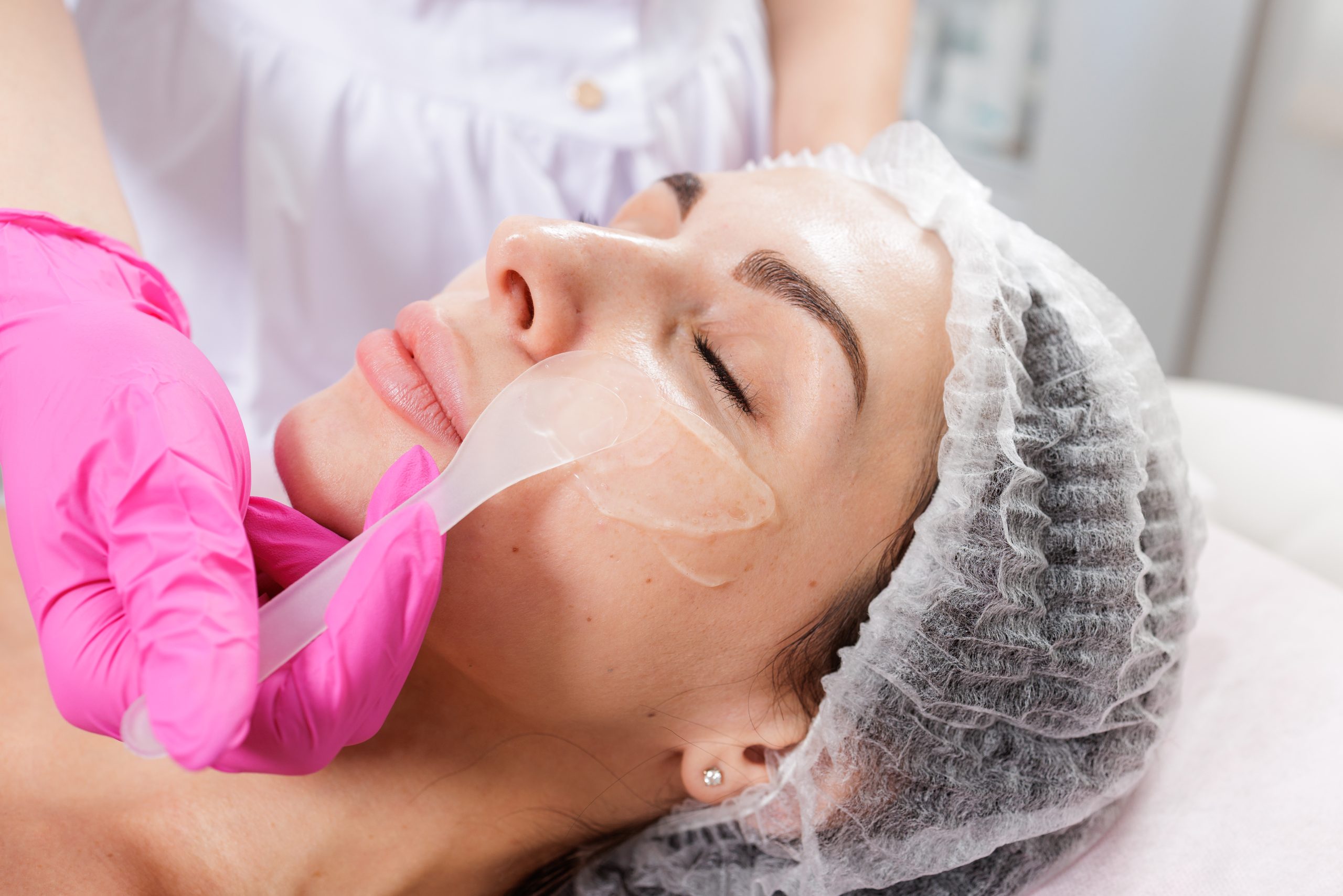
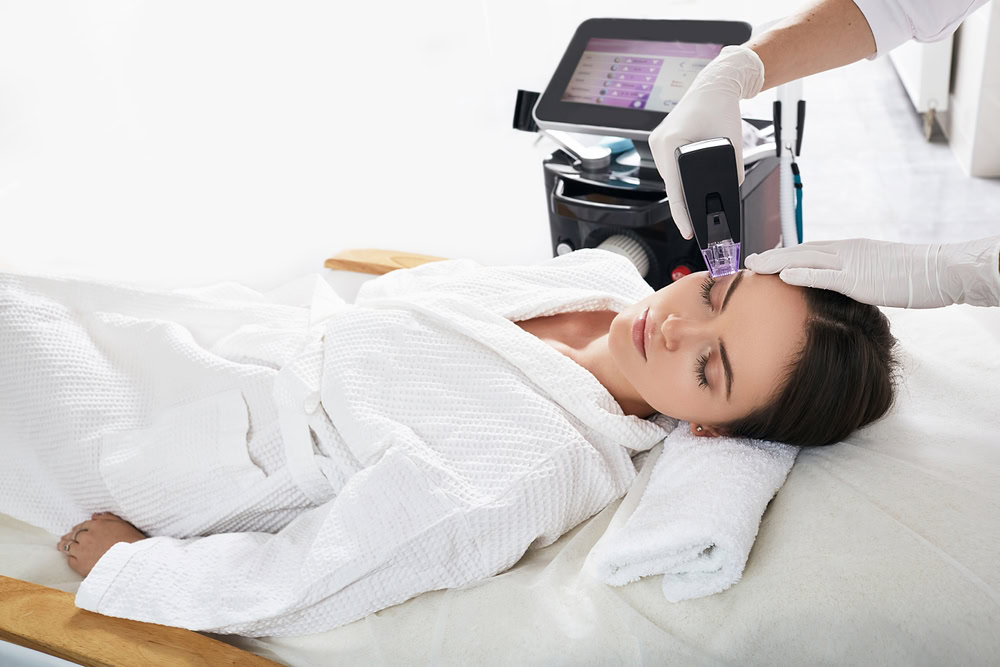
IPL, or intense pulsed light, targets the melanin in dark spots directly. The light energy breaks down the pigment, and the body clears it naturally over the following weeks. It’s one of the most effective options for sun-related hyperpigmentation on the face, neck, and chest. Chemical peels accelerate cell turnover and help lift surface pigmentation. HydraFacial with brightening boosters — specifically formulated serums like Britenol — works to visibly even skin tone while simultaneously hydrating and resurfacing. For more persistent pigmentation, microneedling and Clear & Brilliant laser treatments can produce significant improvements in both texture and tone.
The right choice depends entirely on your skin — its tone, its history, the type of pigmentation you’re dealing with, and what you’ve already tried. That’s exactly why a consultation comes before any treatment recommendation. Wake County residents who come in for a free skin evaluation leave with a clear picture of what’s going on with their skin and a plan that’s built around their specific situation, not a generic protocol. Jacqueline Grace, who holds a first-place international win in the Pigmentation Artist of the Year category at The Skin Games, brings a level of specialization to this work that goes well beyond standard aesthetics training. When pigmentation is the concern, that kind of focused expertise makes a real difference in the outcome.
When to Seek Professional Help for an Itchy Age Spot in Wake County, NC
The short answer: sooner than you think, and with less anxiety than you might expect. Most itchy dark spots turn out to be benign — dry skin, a harmless growth, a reaction to something in your routine. But the only way to know for certain is to have someone with real expertise take a look.
If a spot is changing, itching persistently, bleeding, or simply doesn’t look the way it used to, that’s a reason to act. If it looks stable and the itching seems tied to dryness or irritation, a professional skin evaluation can confirm that and point you toward treatment options that actually work.
We offer free skin evaluations for exactly this reason — to give you a clear, honest assessment without pressure or guesswork. If something looks like it needs a dermatologist’s attention, we’ll tell you that directly. If it’s a cosmetic concern we can address, we’ll build a plan around your skin specifically. Reach out to us to schedule your free consultation and get a straight answer about what your skin is telling you.