Summary:
You’ve done the research. You know your skin needs something more than what’s sitting on your bathroom shelf. But somewhere between reading about glycolic acid and falling down a rabbit hole on laser resurfacing, you hit a wall — because nobody seems to give a straight answer about which one actually works better.
The honest truth? There isn’t one universal answer. But there is a right answer for your skin. This page breaks down how chemical peeling skin treatment and laser therapy actually compare — on results, downtime, cost, and skin type compatibility — so you can stop guessing and start making a real decision.
What Chemical Peeling Skin Treatment Actually Does
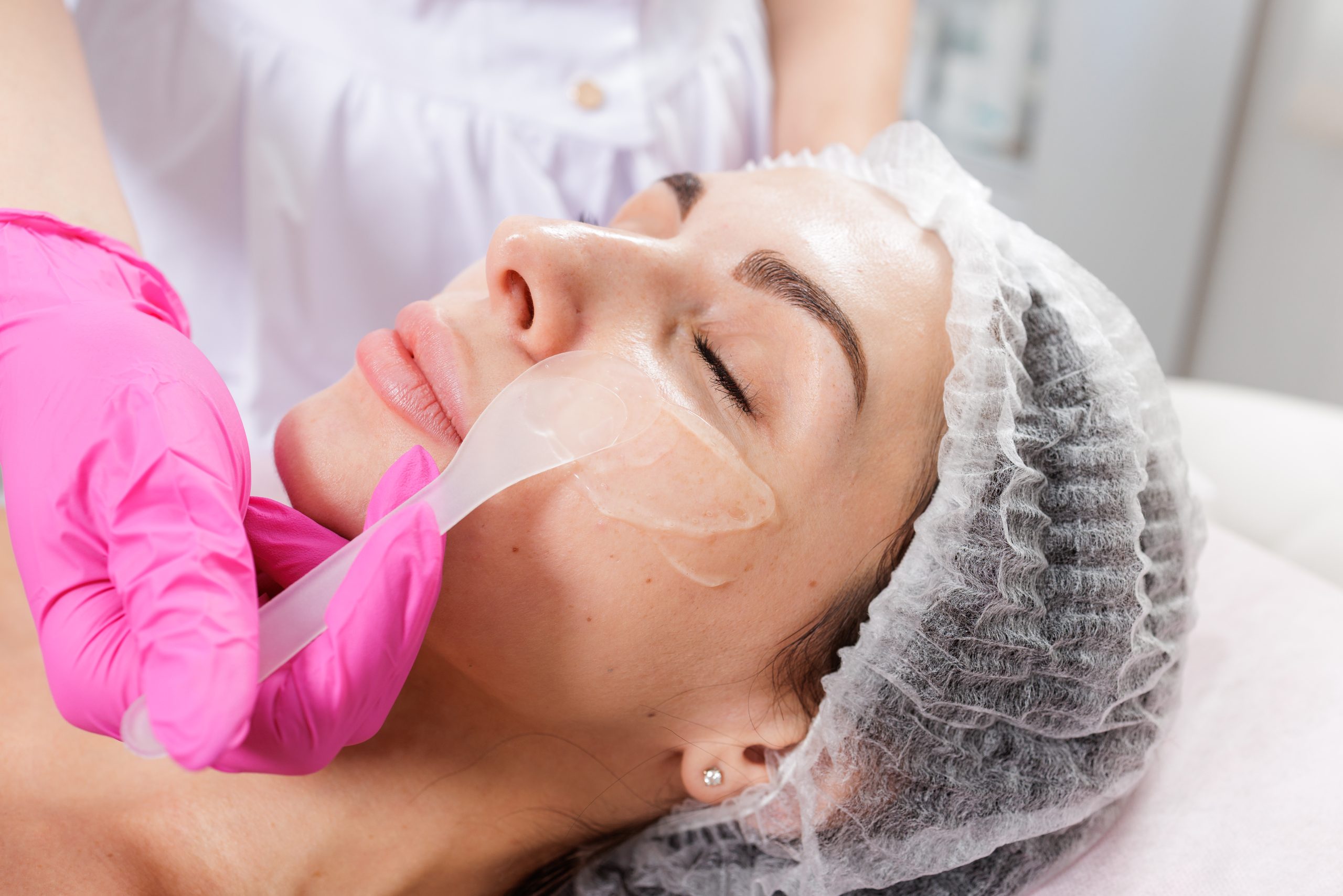
A chemical peel works by applying an acid-based solution to the skin that loosens and removes the outermost layers, prompting the skin underneath to regenerate. Depending on the depth of the peel — superficial, medium, or deep — you’re either refreshing the surface or triggering a more significant renewal process further down.
Superficial peels, like glycolic or enzyme-based options, are the most common. They address dullness, mild discoloration, and uneven texture with little to no visible peeling afterward. Medium-depth peels, such as TCA or VI Peels, go further and are better suited for more stubborn pigmentation, fine lines, and acne scarring. Deep peels are the most intensive and require more recovery time, but the results can last significantly longer.
What makes chemical peels particularly effective is their versatility. The formulation, strength, and application technique can be adjusted based on your skin type and concern — which is exactly why the provider matters as much as the treatment itself.
Which Skin Concerns Respond Best to Chemical Peels?
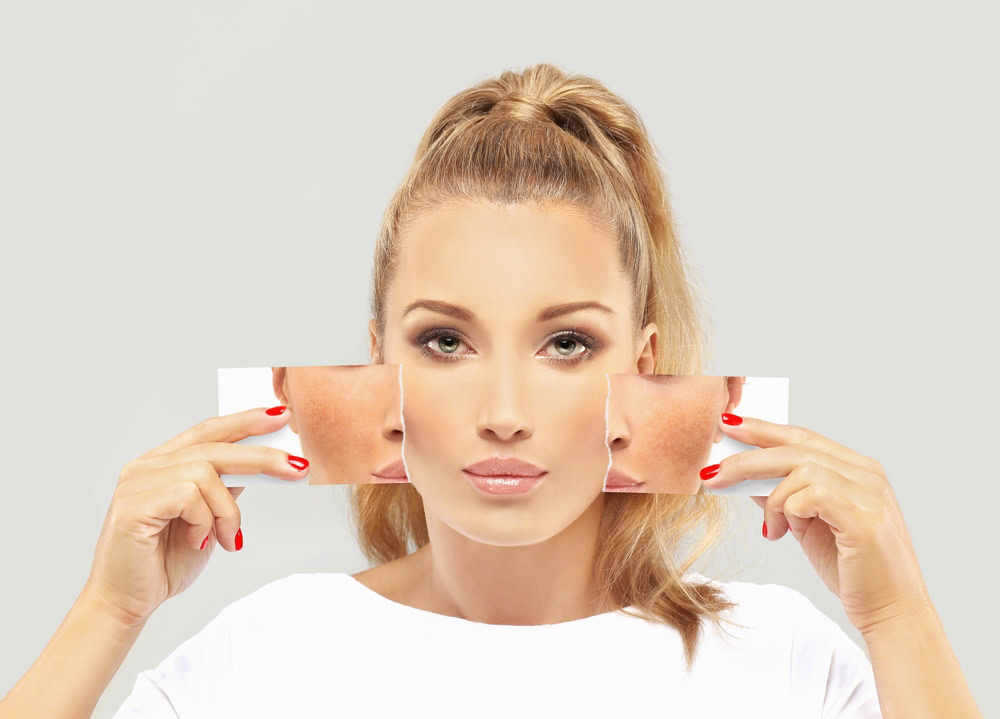
Chemical peels tend to perform exceptionally well for hyperpigmentation, sun damage, acne-prone skin, uneven texture, and early signs of aging. If your primary concern is discoloration — whether from melasma, post-acne marks, or years of sun exposure — a properly selected peel can produce results that genuinely surprise people.
Hyperpigmentation is worth addressing specifically, because it’s one of the most common reasons people across Wake County start researching skin treatments. Raleigh sees over 213 sunny days a year, well above the national average, and that cumulative UV exposure adds up. Sun spots, uneven tone, and melasma are endemic concerns throughout the region — and chemical peels, when matched correctly to the client’s skin type, are one of the most effective tools for addressing them.
That last part — matched correctly to the client’s skin type — is where things get more nuanced. For clients with deeper skin tones, the wrong peel formulation or depth can actually worsen hyperpigmentation rather than improve it. Post-inflammatory hyperpigmentation is a real risk when the treatment isn’t calibrated for the individual. This is why the “just book a peel” approach without a proper consultation can backfire, and why working with someone who has documented expertise in treating diverse skin tones is not a minor detail — it’s the whole ballgame.
Acne-prone skin also responds well to chemical peels, particularly salicylic acid-based options, which are oil-soluble and penetrate into the pore lining to clear congestion. For clients dealing with active breakouts alongside post-acne scarring, a well-sequenced peel protocol can address both concerns over a series of treatments. Results from superficial peels are cumulative — one session gives you a preview; a series gives you the transformation.
How Much Downtime Should You Actually Expect?
This is the question most people are really asking when they hesitate to book. The image of peeling skin for two weeks is what keeps a lot of people from trying chemical peels at all — and it’s based on a misunderstanding of what most professional peels actually involve.
Superficial peels typically cause little to no visible peeling. Your skin may feel slightly tight or look a touch more radiant the next day, but you’re not going to be hiding indoors. Medium-depth peels do involve more visible shedding — usually starting around day three and resolving by day seven — but it’s manageable, and the results are proportionally more significant. Deep peels have a longer recovery window and are performed less frequently, but they’re also not the default recommendation for most clients.
The practical reality for most working professionals in Wake County is that a light peel fits easily into a normal week. You come in, you get the treatment, you follow the aftercare instructions, and you go about your life. The skin may look slightly flushed for a day. That’s usually it.
What matters most is that your provider sets accurate expectations before you ever sit down in the chair. A thorough consultation should walk you through exactly what to expect based on the specific peel being used and your skin’s current condition. If a provider can’t give you that level of detail upfront, that’s worth paying attention to.
One more thing on timing: fall and winter are genuinely the best seasons for chemical peeling skin treatment in North Carolina. Post-treatment skin is more sensitive to UV exposure, and with NC’s long, sunny summers, scheduling your peel series between October and February gives your skin the best chance to heal and hold the results.
Skin Laser Treatment: What It Does Differently
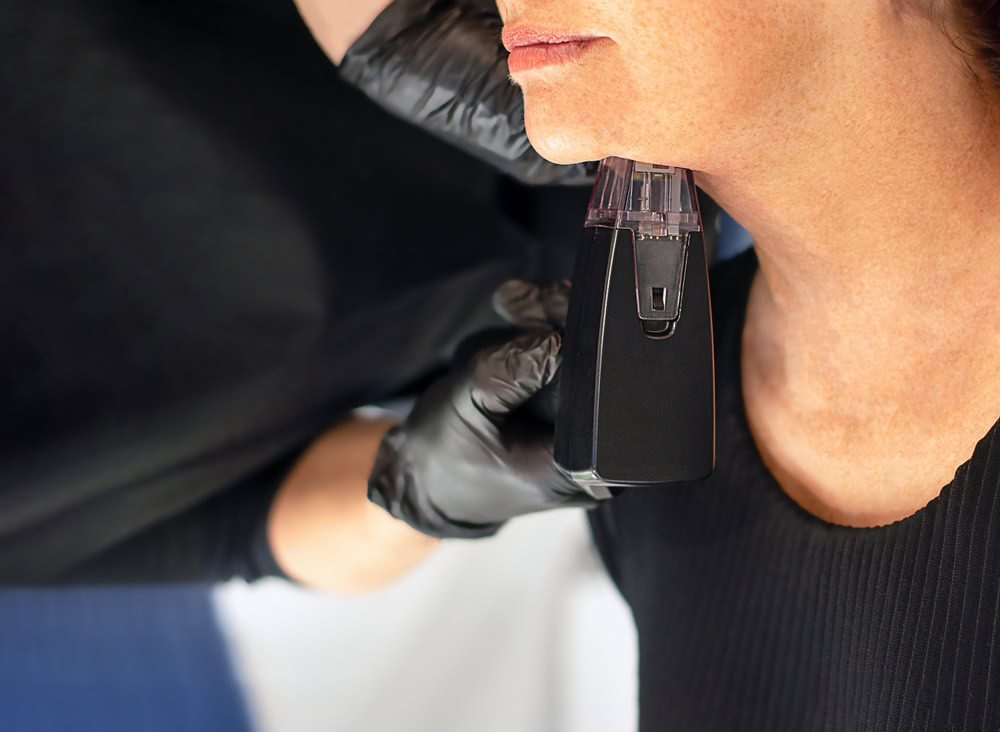
Laser skin treatment works through a fundamentally different mechanism. Instead of chemically dissolving surface layers, lasers deliver concentrated light energy into the skin — either removing damaged tissue directly (ablative lasers) or stimulating collagen production beneath the surface without breaking it (non-ablative lasers).
The result depends heavily on which type of laser is used. Ablative options like CO2 lasers produce dramatic results but come with significant downtime. Non-ablative and fractional lasers — like Clear and Brilliant, which we offer at our Wake Forest clinic — are far more approachable. They improve skin tone, texture, and luminosity with minimal recovery time, and clients often notice a visible difference after just one session.
Laser treatments tend to outperform peels when the primary concern is skin laxity, deeper wrinkles, or vascular issues like redness and broken capillaries. For those concerns, the collagen-stimulating effect of laser energy is hard to replicate with a chemical peel alone.
Is Laser Treatment Safe for All Skin Tones?
This is one of the most important questions in this entire comparison, and it deserves a direct answer rather than a vague reassurance.
Older ablative lasers — particularly high-powered CO2 and Erbium lasers — carry a meaningful risk of post-inflammatory hyperpigmentation in clients with medium to dark skin tones (Fitzpatrick types III through VI). That risk is well-documented, and it’s the reason many clients with deeper complexions have historically been steered away from laser treatments altogether.
Modern fractional and non-ablative lasers have changed that picture considerably. Devices like Clear and Brilliant operate at lower intensities and target the skin more selectively, making them safer for a broader range of skin tones when used by a provider who understands how to calibrate the settings appropriately. The key phrase there is “when used by a provider who understands.” The technology alone doesn’t make it safe — the expertise behind it does.
Wake County’s population is genuinely diverse. With over 218,000 Black or African American residents and approximately 100,000 Asian residents, a significant portion of the people seeking skin laser treatment in this area have skin tones that require a more careful, individualized approach. That’s not a footnote — it should be central to how any provider in Wake County talks about laser therapy.
For clients in this range, the consultation isn’t just a formality. It’s where we assess your Fitzpatrick skin type, review your history with prior treatments, and determine whether laser, a chemical peel, or a combination protocol is the safest and most effective path forward. Skipping that step — or working with a provider who doesn’t have documented experience treating diverse skin tones — is where things go wrong.
Chemical Peel vs Laser: How Do the Costs and Results Actually Compare?
Cost is a real factor, and it’s worth being honest about rather than glossing over with vague language about “investment.”
Laser sessions typically run between $350 and $1,200 or more per treatment, depending on the device and the area being treated. Chemical peels start considerably lower — lighter options often fall in the $99–$125 range per session. The tradeoff is that peels, particularly superficial ones, are cumulative. A single session gives you results; a series of four to six treatments spaced four to six weeks apart gives you the kind of sustained improvement that holds up over time.
Laser results, depending on the treatment, can last three to five years. Deep chemical peel results can last a decade or more. Superficial peels need more regular maintenance — think of them less like a one-time fix and more like a structured skincare protocol that compounds over time.
Neither approach is inherently more cost-effective than the other. It depends on what you’re treating, how quickly you want to see results, and what your skin can realistically tolerate. A client dealing with mild sun damage and dullness may get everything they need from a well-planned peel series at a fraction of the cost of laser. A client with significant skin laxity or vascular concerns may find that a laser treatment is worth every dollar because it addresses something peels simply can’t.
The honest answer to “which is cheaper?” is the same as the honest answer to “which works better?” — it depends on your skin and your goals. That’s not a cop-out. It’s just the truth, and any provider worth trusting will tell you the same thing. What matters is getting an honest assessment from someone qualified to give one, rather than defaulting to the most expensive option or the trendiest treatment of the moment.
One thing worth noting: combining treatments is often where the best results come from. A peel series to address pigmentation, followed by a laser treatment to tighten and refine — or vice versa — can produce outcomes that neither treatment achieves alone. A good consultation will map out that kind of sequenced protocol if it’s appropriate for your skin.
How to Choose the Right Skin Treatment in Wake County, NC
If you’ve read this far, you already know more than most people walking into a skincare consultation. You understand that chemical peeling skin treatment and laser therapy work differently, suit different concerns, and carry different considerations depending on your skin tone, budget, and goals.
What you probably also know by now is that the real answer lives in a proper skin evaluation — not a blog post. The right treatment is the one that’s matched to your skin after someone who actually knows what they’re looking at takes the time to assess it.
That’s exactly what we do at Wake Skincare. Our consultations are free, there’s no pressure, and the recommendation you walk away with is based entirely on your skin — not on what’s easiest to sell. If you’re in Wake Forest, Raleigh, Durham, Chapel Hill, or anywhere across Wake County and you’re ready to stop guessing, reach out to us and book your free skin evaluation.