Summary:
Your skincare routine is solid. You’re consistent. But your skin still looks a little dull, your foundation catches on dry patches by noon, and the serums you’ve invested in don’t seem to be doing much. Sound familiar? For a lot of people in Wake County, the issue isn’t the products — it’s the barrier sitting on top of the skin that’s blocking everything from working the way it should. Dermaplaning treatments are designed to remove exactly that. Here’s what the process actually involves, what it can and can’t do, and how to know whether it’s worth your time.
What Are Dermaplaning Treatments and How Do They Work?
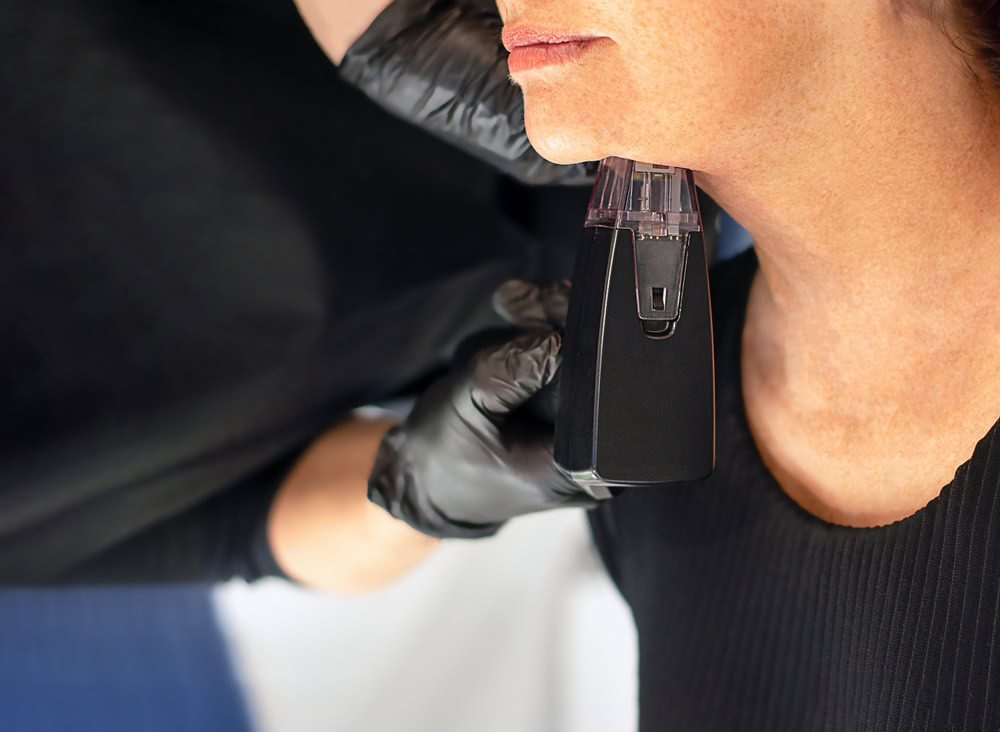
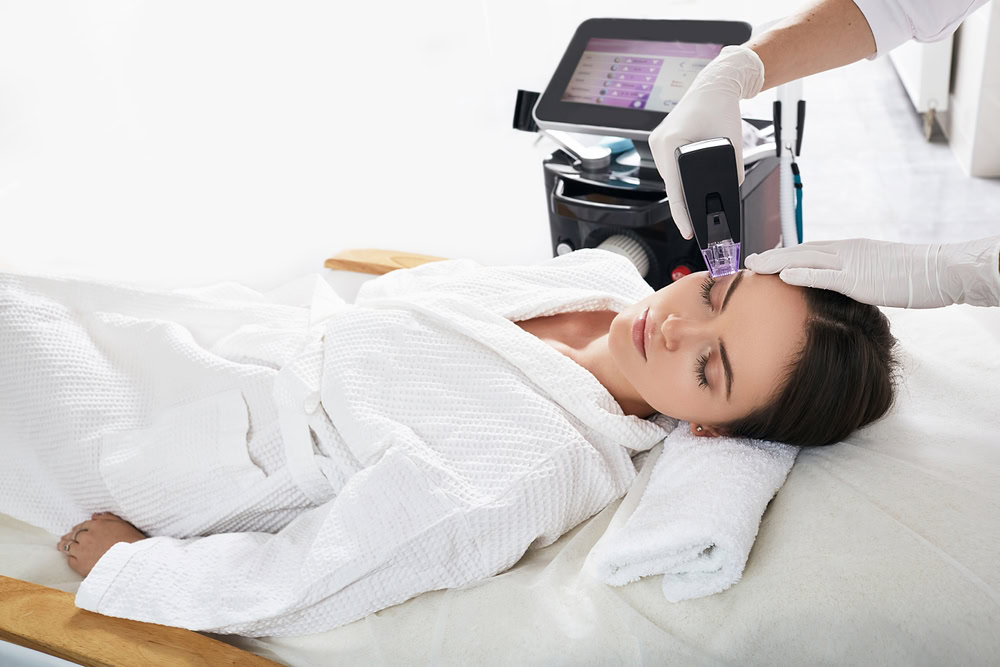
Dermaplaning is a professional exfoliation treatment where a licensed esthetician uses a sterile, medical-grade surgical scalpel to gently remove the outermost layer of dead skin cells and fine facial hair — what most people call peach fuzz. The blade is held at a precise angle and moved across the skin in short, controlled strokes. No chemicals, no heat, no downtime.
The whole appointment typically runs 30 to 45 minutes. Most people describe it as painless — closer to a light scratching sensation than anything uncomfortable. When it’s done well, you walk out with noticeably smoother skin the same day.
What makes it genuinely useful isn’t just the cosmetic result. Removing that surface layer of dead cells and hair means your skincare products can actually penetrate deeper — reaching the lower layers of the skin rather than sitting on top of a barrier that blocks them. That’s why dermaplaning is often paired with serums or other treatments to amplify their effects.
Is Dermaplaning a Good Skin Aging Treatment?
This is where dermaplaning earns more credit than it usually gets. Most people think of it as a quick fix for dull skin or a way to get rid of peach fuzz before a big event. But the anti-aging benefits are real and worth understanding.
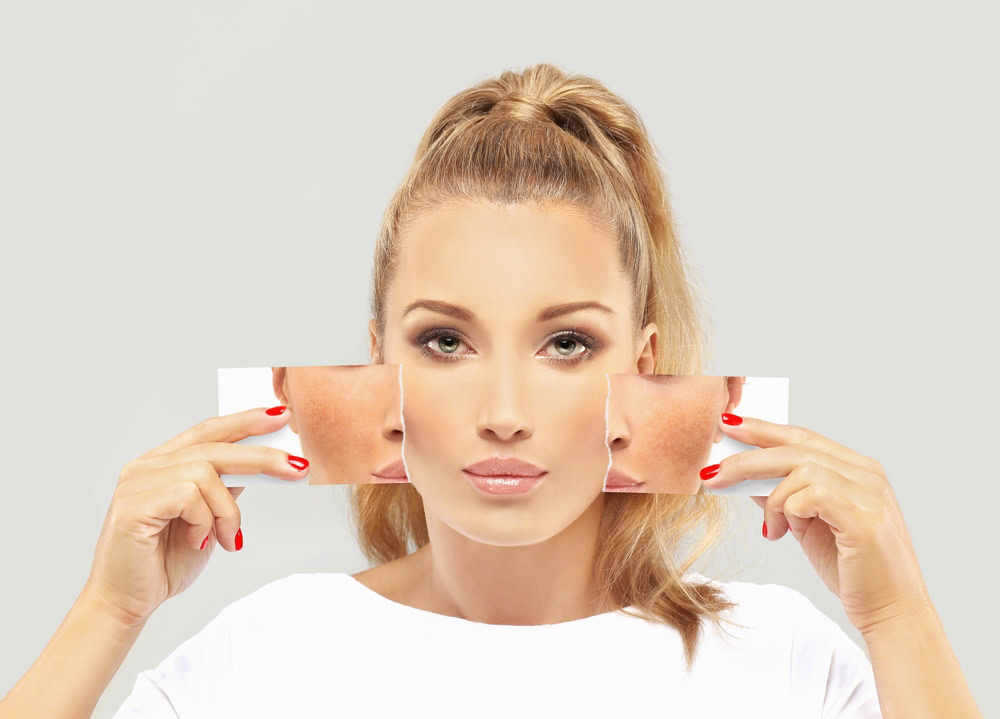
When you remove the top layer of dead skin cells, you’re triggering the skin’s natural renewal process. Your body responds by accelerating cell turnover — producing fresh, new cells to replace the ones that were removed. Over time and with regular sessions, this process helps soften the appearance of fine lines, improve uneven skin tone, and reduce the look of hyperpigmentation and mild surface scarring.
Think about what aging skin actually looks like up close: dull, slightly rough, uneven in texture, and slower to respond to products. Dermaplaning addresses all of those things directly. It’s not going to replace more intensive treatments for deep wrinkles or significant volume loss, but as part of a broader skincare strategy, it’s a legitimate anti-aging tool — not just a cosmetic shortcut.
There’s also the product absorption angle, which compounds over time. If you’re using retinols, vitamin C serums, or peptide-based moisturizers and wondering why they’re not delivering the results you expected, a buildup of dead skin cells is often the reason. After dermaplaning, those same products can reach the epidermis — the living layer of skin — instead of sitting on the surface. Clients frequently notice that their existing skincare routine performs significantly better in the weeks following a treatment.
For anyone in Wake County dealing with sun-related skin aging — which is a genuine year-round concern given North Carolina’s climate — dermaplaning is particularly relevant. UV exposure accelerates surface skin damage and uneven pigmentation, and regular exfoliation helps the skin recover and renew more effectively. That said, SPF after any dermaplaning session is non-negotiable. Freshly exfoliated skin is more sensitive to the sun, and skipping sun protection will undo the benefits quickly.
Will Dermaplaning Make Facial Hair Grow Back Thicker or Darker?
This is the question that stops more people from trying dermaplaning than almost anything else. The short answer is no — and it’s worth understanding why, because the fear is based on a misunderstanding of how hair actually grows.
The hair removed during dermaplaning is vellus hair — the soft, fine, barely-there fuzz that covers most of the face. It’s fundamentally different from terminal hair, which is the coarser hair found on your scalp, eyebrows, or legs. Vellus hair has no pigment-producing capacity to speak of, and its growth rate, thickness, and color are determined entirely by your hair follicles — not by whether the surface hair has been cut or removed.
When vellus hair grows back after dermaplaning, it may feel slightly different to the touch because it’s growing back with a blunt tip rather than the tapered natural tip it had before. That’s it. It doesn’t grow faster. It doesn’t come back darker. It doesn’t thicken. The biology simply doesn’t support those outcomes.
This myth persists largely because it gets conflated with the experience of shaving coarser body or leg hair, where the blunt regrowth feels stubbly and more noticeable. But those are different hair types entirely. Vellus facial hair doesn’t behave that way.
If you’ve been holding off on dermaplaning specifically because of this concern, it’s worth setting it aside. The people who are most relieved after their first session are often the ones who spent the most time worrying about this beforehand. The peach fuzz comes back the same as it was — and in the meantime, your skin gets weeks of improved texture, better product absorption, and a noticeably smoother surface.
Dermaplaning vs. Other Peeling Treatments for Skin — What's the Difference?
Dermaplaning isn’t the only professional exfoliation option available, and it’s not always the right first choice for every skin concern. Understanding how it compares to other peeling treatments for skin helps you make a smarter decision — and it’s something we take seriously before recommending any treatment.
Chemical peels work by applying an acid solution to the skin that dissolves the bonds between dead cells, causing them to shed over the following days. Dermaplaning, by contrast, is purely physical — a blade removes those cells immediately and mechanically. The recovery experience is different, the depth of exfoliation varies, and the ideal candidate for each treatment isn’t always the same person.
The good news is that they’re not competing options. Dermaplaning and chemical peels are genuinely complementary, and combining them often produces better results than either treatment alone — which is exactly why a proper skin consultation matters before you decide.
How Does Dermaplaning Compare to a Chemical Peel?
The most practical way to think about it: dermaplaning works on the surface immediately, while a chemical peel works at a slightly deeper level over a few days. Both remove dead skin cells and improve texture, but the mechanisms and timelines are different.
With dermaplaning, the results are instant. You leave the appointment with visibly smoother, brighter skin the same day. There’s no peeling, no downtime, and no period of looking worse before you look better. It’s a good fit for anyone who needs results quickly — before a wedding, a professional headshot, or any event where you want your skin looking its best without a recovery window.
Chemical peels go a step further for certain concerns. A VI Peel, for example, can target deeper pigmentation, more significant sun damage, and active acne scarring in ways that dermaplaning alone can’t address. The tradeoff is a few days of visible skin shedding and some sensitivity during recovery.
Where it gets interesting is when you combine them. Dermaplaning before a chemical peel removes the surface barrier of dead cells and hair, which allows the peel solution to penetrate more evenly and effectively. The result is a more consistent, deeper treatment with better outcomes than the peel would have achieved on its own. This is one of the reasons why a thorough skin assessment before any treatment matters — knowing which approach, or which combination, is right for your specific skin takes experience and training, not a one-size-fits-all menu.
For clients in Wake County dealing with hyperpigmentation from sun exposure, or those managing combination skin through North Carolina’s humid summers, the right answer often isn’t dermaplaning or a chemical peel alone. It’s a thoughtful plan that uses both strategically.
Who Should — and Shouldn't — Get Dermaplaning Treatments?
Dermaplaning is well-suited for most skin types, but it’s not appropriate for everyone in every situation. Knowing the contraindications is just as important as knowing the benefits — and a qualified provider will assess these before touching your skin.
If you have active breakouts, open wounds, a current rosacea flare, or significant skin inflammation at the time of your appointment, dermaplaning isn’t the right choice for that session. The treatment is designed for stable skin. That said, for people who experience mild or occasional breakouts but don’t have active acne, dermaplaning can actually support clearer skin over time by removing the buildup of dead cells, oil, and surface debris that contributes to congestion.
People with darker skin tones can be good candidates for dermaplaning, but it requires a provider who understands how to approach treatment safely and effectively for varied skin types. Not every esthetician has that training or experience, and the difference matters. Improper technique — wrong blade angle, too much pressure, or skipping the consultation entirely — can cause micro-tears or irritation that sets your skin back rather than moving it forward.
This is one of the most important things to understand about dermaplaning: the treatment itself is straightforward, but the person performing it makes all the difference. The assessment that happens before the blade ever touches your face — skin type, current condition, goals, contraindications — determines whether you get a great result or a frustrating one.
In Wake County, NC, where the population is genuinely diverse and where residents deal with everything from humid summer skin to dry, dehydrated winter skin driven by indoor heating, we customize our approach rather than applying the same technique to every client. That’s what separates a treatment that works from one that doesn’t. It’s a standard we hold ourselves to at every appointment — starting with a free skin evaluation before any service begins.
Is Dermaplaning Worth It? What to Know Before You Book
Dermaplaning treatments deliver real results when they’re performed correctly by someone who knows what they’re doing. Smoother texture, better product absorption, a more even complexion, and genuine support for skin aging concerns — those outcomes are well-documented and consistently reported by clients who’ve had the treatment done properly.
The caveat is always the provider. A scalpel on your face requires training, technique, and a thorough assessment beforehand. Skipping the consultation, using the wrong approach for your skin type, or working around active contraindications turns a safe, effective treatment into an unnecessary risk.
If you’re in Wake County and you’ve been curious about dermaplaning — or wondering whether it’s the right fit compared to other options — we offer a free skin evaluation and consultation with no pressure and no commitment. It’s the right place to start.