Summary:
You’ve done the serums. You’ve layered the SPF. And those sun spots are still there, staring back at you every morning. At some point, over-the-counter just doesn’t cut it — and that’s when most people start looking at professional treatments. IPL and chemical peels are two of the most effective options out there for sun damage, but they’re not the same thing, and they’re not right for every person or every skin concern. By the time you finish reading this, you’ll have a clear picture of how each one works, what to expect from both, and how to figure out which one actually makes sense for your skin.
IPL vs Chemical Peel: How Each One Actually Targets Sun Damage
IPL — short for Intense Pulsed Light — uses broad-spectrum light energy to target melanin in the skin. When the light hits a sun spot, the pigment absorbs the energy, breaks apart, and gradually rises to the surface before flaking off. It also stimulates collagen production along the way, which is why clients often notice improvements in skin tone and texture beyond just the spots themselves.
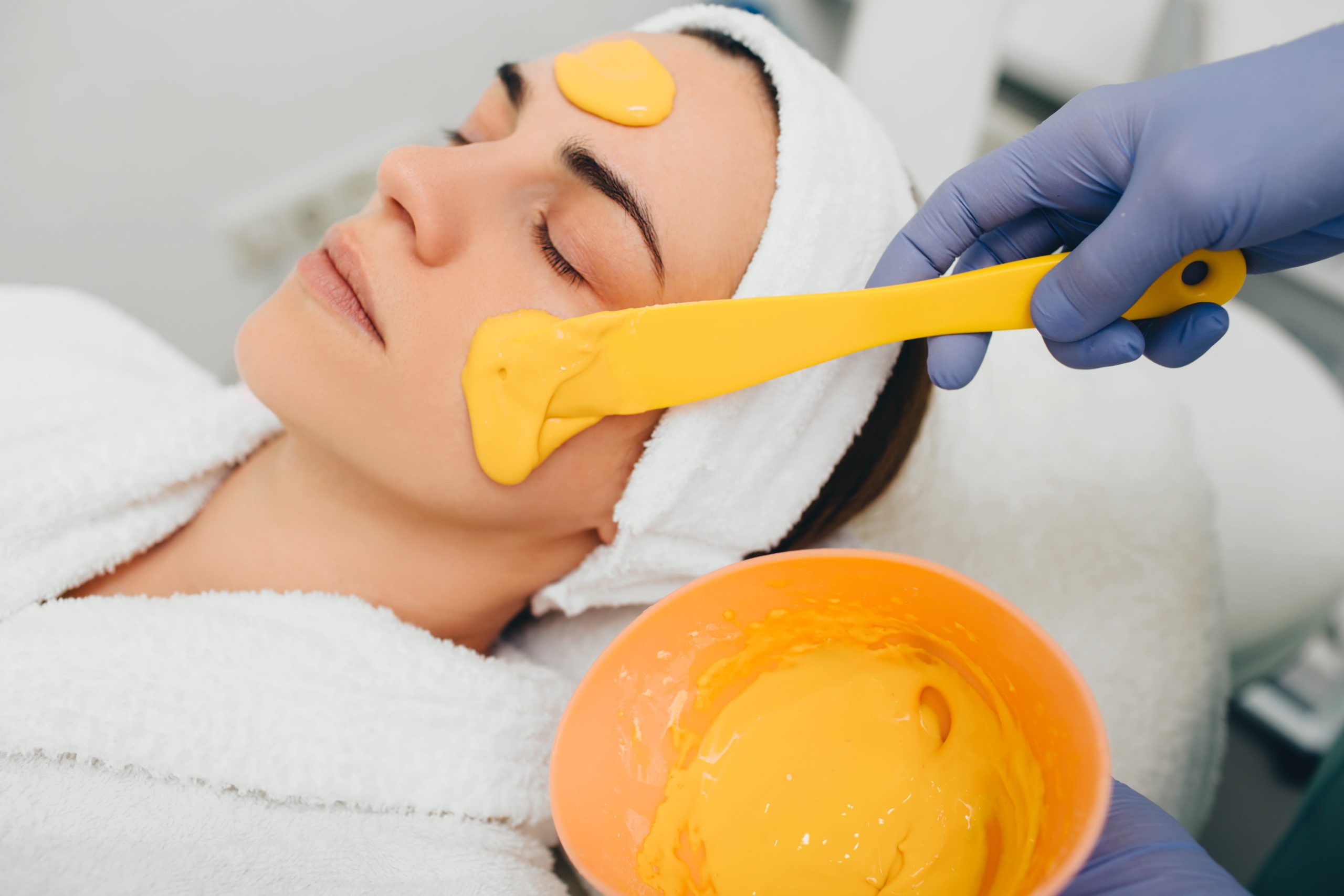
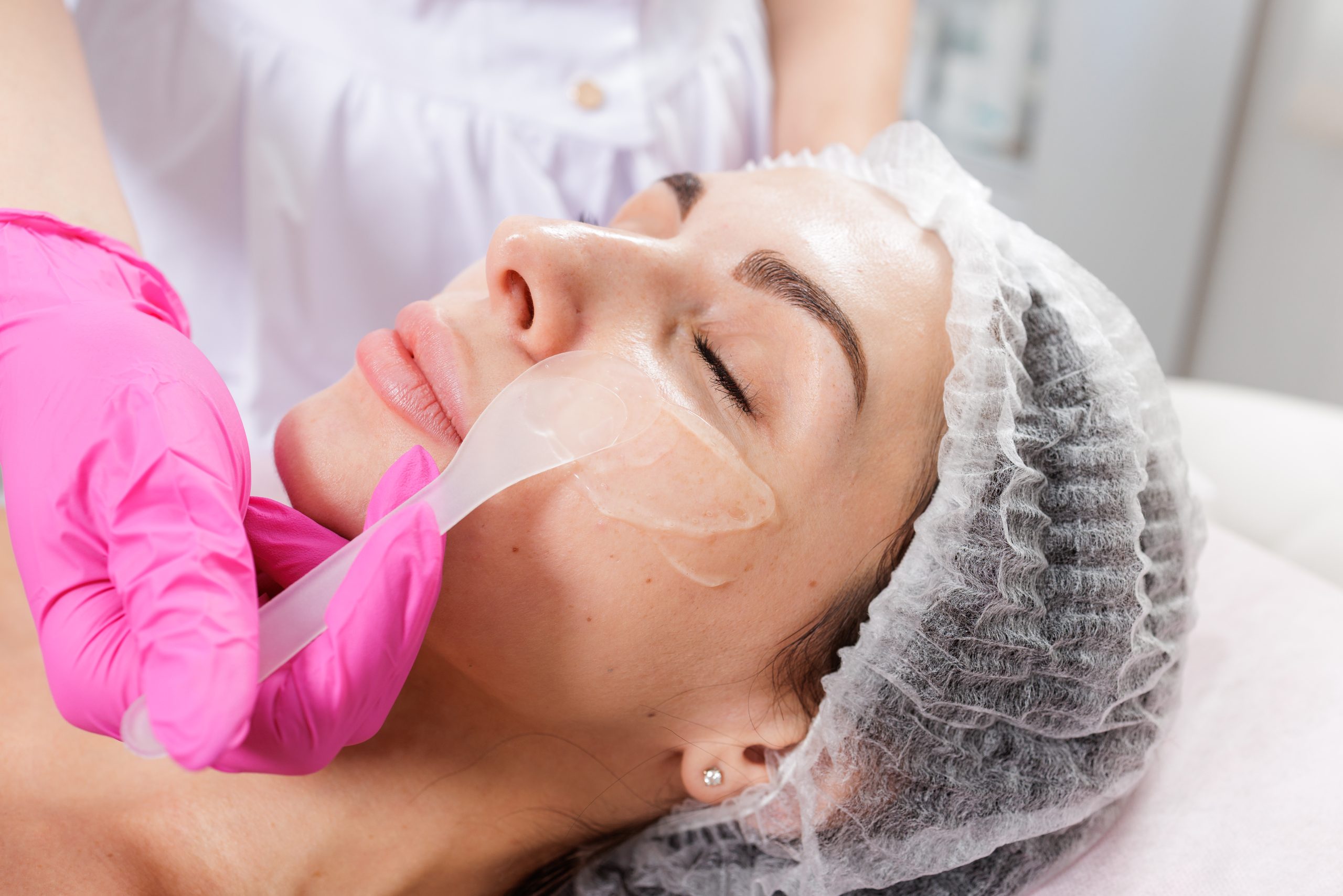
Chemical peels work differently. Instead of light, they use a carefully selected acid — glycolic, salicylic, TCA, or a blended formula like the VI Peel — to dissolve the outermost layers of skin and accelerate cell turnover. As the damaged surface peels away, fresher, more even skin replaces it. The depth of the peel determines how aggressively it works and how much recovery is involved.
Both approaches can significantly improve sun damage. The difference is in what your skin actually needs and how your body responds to each method.
IPL Treatment vs Peel: Recovery Time and What to Expect After Each
Recovery is often the deciding factor for people, and it’s worth being honest about what each treatment actually involves.
With IPL, most clients experience mild redness for the first 24 to 48 hours — nothing dramatic. What surprises people who haven’t been told to expect it is what happens over the following week: the sun spots darken. They turn a deeper brown, sometimes described as looking like coffee grounds or pepper flecks on the skin. This is not a bad sign. It means the treatment worked. The melanin is being drawn to the surface before it naturally flakes off, usually within seven to ten days. Once it clears, the skin underneath is noticeably more even. Most clients need three to five sessions spaced about three to four weeks apart to see optimal results — not because one session fails, but because sun damage builds up in layers and responds best to a gradual, progressive approach.
Chemical peel recovery depends entirely on the depth of the peel. A light peel — glycolic or a mild salicylic formula — typically causes a day or two of mild flaking and some tightness. You can usually go about your normal life without anyone noticing much. A medium-depth peel, like TCA, involves more visible peeling over five to seven days, along with redness and sensitivity. The tradeoff is that the results tend to be more dramatic and longer-lasting. Deeper peels go further still, but those are a less common recommendation for sun damage alone.
One thing both treatments share: your skin will be more photosensitive afterward. Sun avoidance for at least one to two weeks post-treatment isn’t optional — it’s essential. For anyone living in Wake County, where summers run hot and the UV index regularly hits nine or above from May through September, that timing matters. Planning your treatment series for fall or winter gives your skin the best environment to heal and respond.
Which Treatment Works Better for Your Skin Type and Concern?
This is where a lot of generic comparison articles fall short — they treat IPL and chemical peels as interchangeable options and leave you to figure out which applies to you. They’re not interchangeable, and your skin type is one of the most important variables in the decision.
IPL works best on Fitzpatrick skin types I through III — fair to medium skin tones. The reason is physics: IPL targets the contrast between the pigment in a sun spot and the surrounding skin. When that contrast is high, the treatment is precise and effective. On deeper skin tones, that contrast is lower, and there’s a real risk of the light affecting the surrounding melanin rather than just the spot. That doesn’t mean IPL is off the table for everyone with a medium-to-deeper complexion, but it does mean the provider’s experience and ability to calibrate the device correctly becomes critical. An inexperienced hand with an IPL device on the wrong skin type can cause hyperpigmentation rather than fix it.
Chemical peels are generally more flexible across skin types, though formulation and depth still need to be matched carefully to the individual. For clients with melasma — a type of hyperpigmentation that’s notoriously stubborn and often triggered by heat — IPL can sometimes make things worse, while certain peels are better suited to address it. For diffuse redness, broken capillaries, or generalized blotchiness alongside sun spots, IPL tends to be the stronger choice because it can address vascular concerns that peels can’t touch.
The honest answer is that the right treatment depends on your specific combination of concerns, your skin tone, your downtime tolerance, and your history with other treatments. That’s not a dodge — it’s just the reality of how skin works. No two clients walk in with the same picture, and the best results come from a plan built around yours specifically, not a default protocol.
Best Treatment for Sun Damage in Wake County: What Local Skin Conditions Actually Demand
Wake County’s climate is genuinely beautiful — and genuinely hard on skin. The Research Triangle sits in a humid subtropical zone where summer UV levels regularly reach the “very high” to “extreme” range, outdoor culture runs year-round, and the growing season for UV damage never really stops. Falls Lake, Umstead State Park, the Neuse River Greenway, NC State football Saturdays — the lifestyle here means cumulative sun exposure that adds up faster than most people realize.
Sun damage in this climate isn’t a one-time event. It builds. And by the time spots become visible, the underlying damage has usually been accumulating for years. That’s why a single treatment — regardless of type — rarely tells the whole story. The best outcomes come from a thoughtful plan that accounts for your skin’s history, not just what’s showing up on the surface today.
IPL or Chemical Peel First: Does Treatment Order Actually Matter?
If you’re considering both treatments — which many clients do — the order and timing matter more than most people expect. Combining IPL and a chemical peel in the same session is not something any qualified provider should do. Both treatments create a controlled stress response in the skin, and layering them simultaneously pushes the skin past what it can safely handle. The result can be excessive irritation, prolonged redness, or in some cases, post-inflammatory hyperpigmentation — the exact thing you were trying to fix.
The better approach is a planned sequence. In most cases, starting with a chemical peel makes sense. Peels remove the damaged surface layer and accelerate cell turnover, which can actually improve how the skin responds to IPL afterward. Once the skin has fully healed — typically four to six weeks later — IPL can go deeper, targeting the pigment that the peel couldn’t reach. Used in the right order, the two treatments complement each other in a way that neither achieves alone.
That said, the sequence isn’t universal. Some clients do better starting with IPL, particularly when vascular concerns like redness or broken capillaries are the primary issue. Others benefit from alternating between the two over several months as part of a longer correction plan. The point isn’t that one formula works for everyone — it’s that the order should be intentional, based on your skin’s current state and what you’re trying to achieve.
For Wake County clients specifically, the fall-through-winter window is the ideal time to run any multi-treatment series. Lower UV exposure between October and March gives your skin the recovery environment it needs, and it sets you up to head into spring and summer with noticeably clearer, more even skin.
How to Choose Between IPL and a Chemical Peel Without Wasting Time or Money
The question most people are really asking isn’t “which treatment is better” in the abstract — it’s “which one is right for me, right now, without making things worse.” That’s a fair question, and it deserves a direct answer.
Start with your primary concern. If your main issue is flat sun spots, diffuse redness, or broken capillaries — and your skin tone falls in the fair-to-medium range — IPL is often the stronger first choice. It targets pigment and vascular issues simultaneously, and the results tend to be dramatic when the right candidate gets the right number of sessions. If your main concern is texture, fine lines, rough patches, or more superficial discoloration that’s spread evenly across the skin, a chemical peel may deliver faster visible results with a more straightforward recovery.
Consider your schedule honestly. A light peel fits into most people’s lives with minimal disruption. An IPL series requires multiple appointments spaced weeks apart, plus the expectation that your spots will look darker before they look better. If you have a major event coming up in the next two weeks, neither treatment is the right move — but IPL in particular requires some lead time before you’ll see the finished result.
Think about your skin history. If you’ve tried treatments before and been disappointed, it’s worth asking why. In some cases, the treatment itself wasn’t wrong — the depth, the settings, or the aftercare were. In others, the wrong treatment was chosen for the concern. Either way, that history is useful information for whoever is building your plan.
The most reliable path to the right answer is a real consultation with someone who has actually treated the full range of skin concerns — not just one or two. We’ve worked with clients across Wake Forest, Raleigh, Cary, Durham, Chapel Hill, and throughout Wake County, NC, and we’ve seen what happens when treatments are matched carefully versus when they’re not. Our esthetician placed first internationally in the Pigmentation Artist of the Year category at The Skin Games — a competition that draws the top estheticians in the world — and that level of experience with pigmentation specifically changes what a consultation looks like. You’re not getting a checklist. You’re getting a read of your actual skin.
Still Deciding Between IPL and a Chemical Peel? Here's Where to Start
Both IPL and chemical peels are genuinely effective for sun damage — and neither one is the automatic right answer. The best treatment is the one that fits your skin type, your concern, your timeline, and your life. What that looks like is different for every person who walks through the door.
What we do know is that guessing rarely gets you where you want to go. A free consultation costs you nothing and tells you far more than any comparison article can. You’ll leave with a clear sense of what your skin actually needs — not a sales pitch, just an honest assessment from someone who has spent years treating exactly these concerns.
If you’re in Wake County, NC and ready to stop wondering which treatment is right for you, we’re here to help you figure it out.