Summary:
Here’s something most brides figure out too late: the skin you show up with on your wedding day was decided months ago. Not by your foundation. Not by your makeup artist. By whether you gave your skin enough time to actually change.
If you’re engaged and planning a wedding in Wake County, NC — whether that’s in Raleigh, Cary, Wake Forest, or anywhere in between — this guide is for you. We’re going to walk through a realistic 12-month timeline that maps out what to do, when to do it, and why the sequence matters more than any single treatment. By the end, you’ll know exactly where to start.
What Does a 12-Month Bridal Skin Prep Timeline Actually Look Like?
Think of your skin prep timeline less like a to-do list and more like a building project. Some treatments lay the foundation. Others are finishing work. Do them out of order and you either waste money, run out of time for results to show, or worse — create a problem right before the wedding.
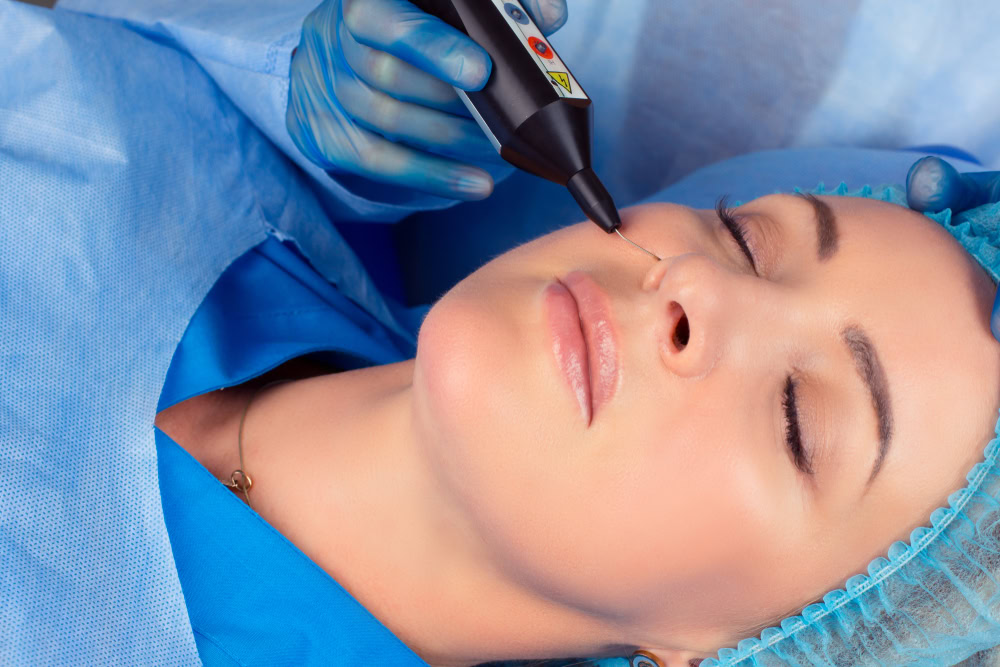
The treatments that make the biggest structural difference — things like RF microneedling for texture and tightening, or microblading for effortless brows — need months of lead time, not weeks. Starting 12 months out isn’t about being overly cautious. It’s about giving every treatment the time it needs to actually work.
Months 12–9: The Foundation Work That Changes Your Skin from the Inside Out
This is when you want to tackle the treatments that work below the surface — the ones that take time to show their full results because they’re stimulating your body to produce something, not just polishing the top layer.
RF microneedling is the anchor here. It combines the collagen-stimulating effect of microneedling with radiofrequency energy to tighten and resurface skin at the dermal level. The results build over three to four months as your skin produces new collagen and elastin. That means a treatment done at the 12-month mark looks noticeably better by month eight or nine — right when you’re entering the final stretch of wedding planning.
If you wait until six months out to book this, you’re cutting it close. If you wait until three months out, you’re leaving the best results on the table.
This is also the window to address anything that needs a real treatment plan — active acne, hyperpigmentation, significant texture issues. These aren’t problems that resolve with a single facial. They need a sequence, and that sequence needs time.
At Wake Skincare, we start every new client with a free skin evaluation and consultation, which is exactly what this phase calls for. You sit down, we look at your skin, and we build a realistic plan around your actual wedding date — not a generic menu.
One more thing worth doing in this window: microblading, nano brows, or powder brows, if you’re considering them. Semi-permanent brow work needs a minimum of six to eight weeks to heal, plus a touch-up session four to six weeks after the initial appointment. That means booking at least ten to twelve weeks before the wedding — and doing it earlier gives you buffer time if you want any adjustments.
Jacqueline Grace, our founder, placed first internationally in the Pigmentation Artist of the Year category at The Skin Games, which is specifically a competition in color placement and natural-looking pigment work. If the fear holding you back is “what if it looks fake,” that credential is the direct answer.
Months 8–4: Building the Surface — Skin Clarity, Brows, and Lashes
By now, your deeper treatments are doing their work. This is when you shift focus to the treatments that refine the surface and lock in your brow and lash game.
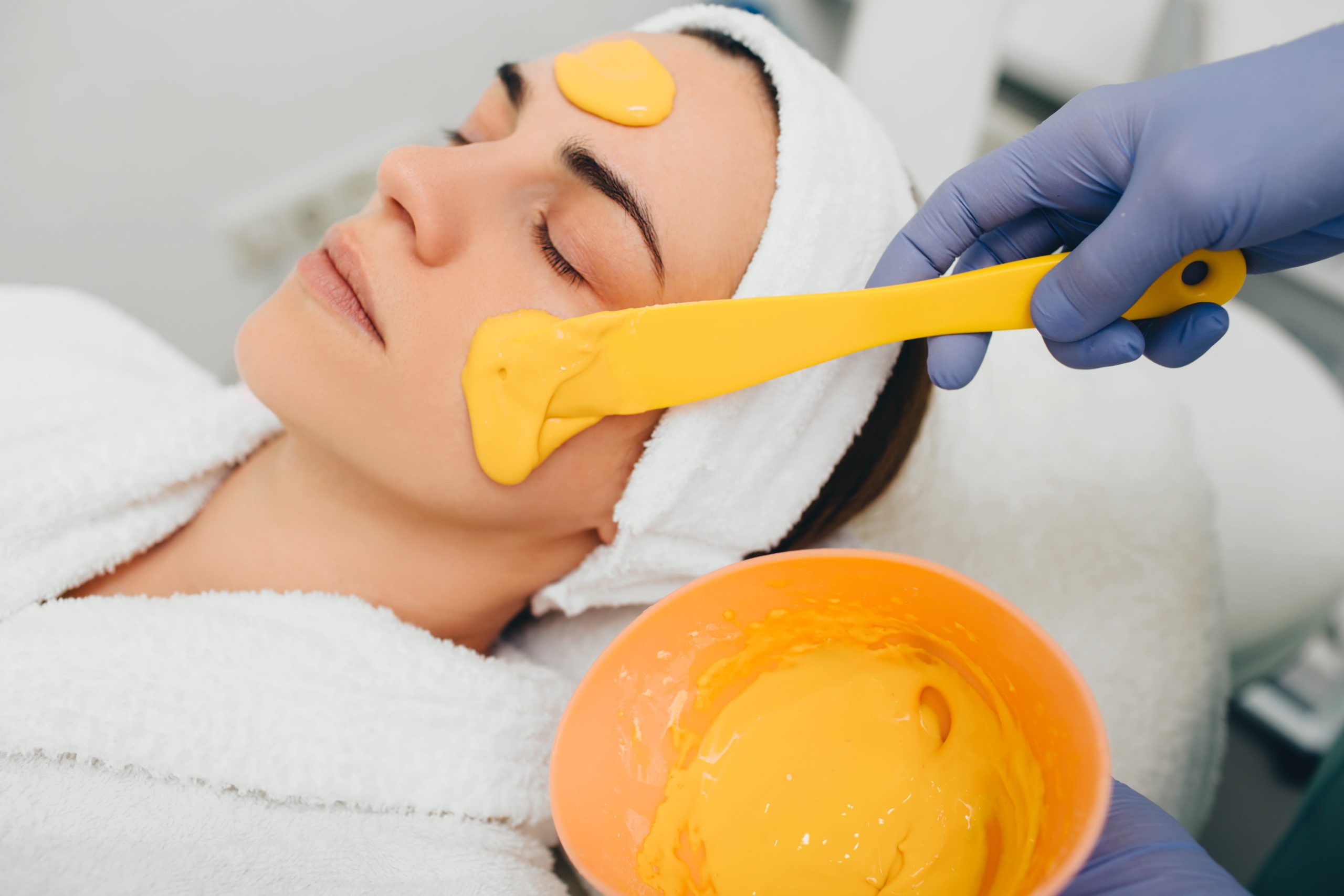
A HydraFacial series fits perfectly in this window. It’s one of the most bridal-friendly treatments available for a simple reason: zero downtime and immediate results. Each session combines deep cleansing, gentle exfoliation, extraction, and intense hydration — and the results are cumulative, meaning your third session looks noticeably better than your first.
For brides who want to minimize how much foundation they’re wearing on their wedding day, a consistent HydraFacial series over three to four months makes that genuinely achievable. We hold HydraFacial Master Certification and were among the first 100 practitioners in the world to reach that level, which means you’re getting the treatment done by someone who knows it at a depth most providers don’t.
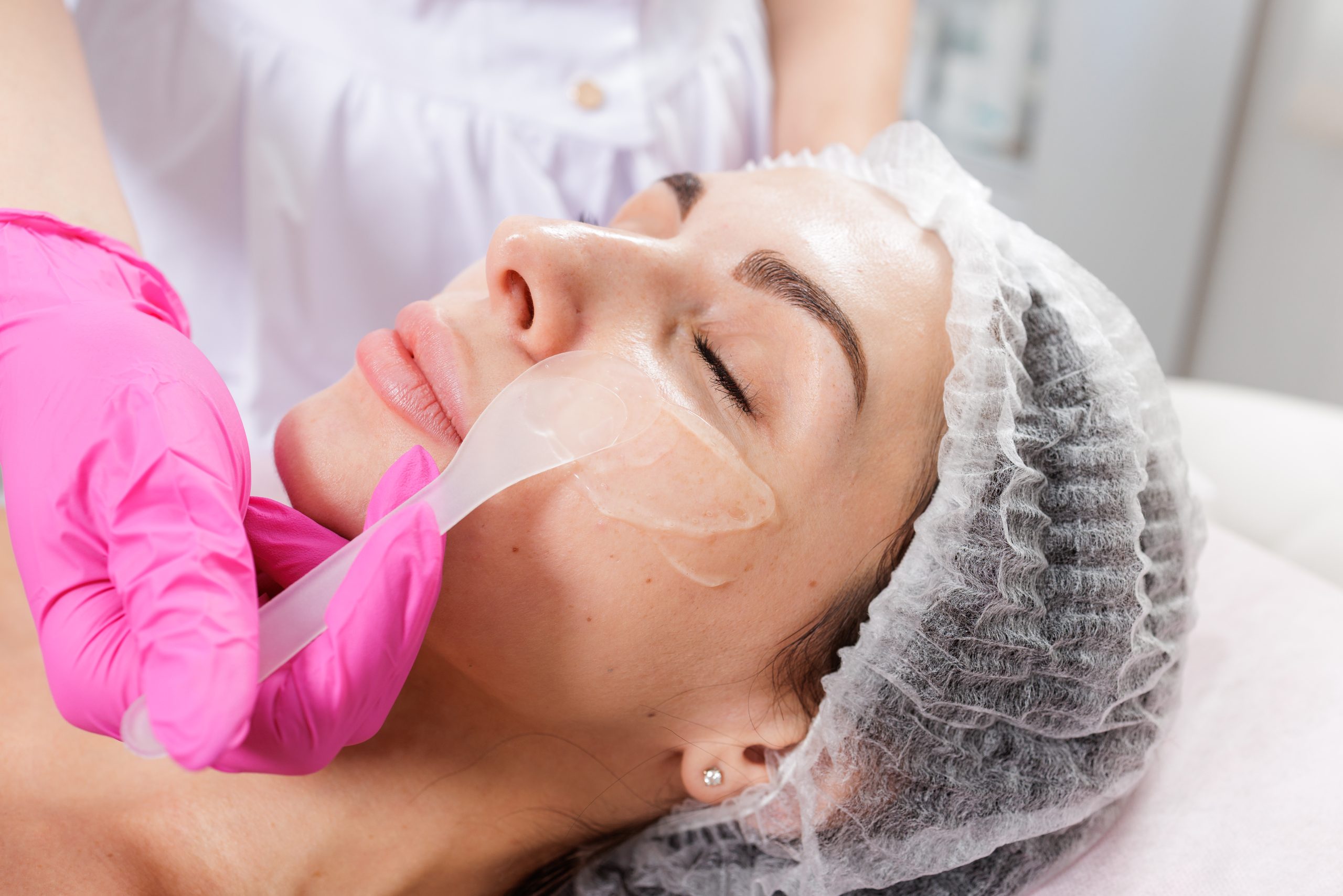
Chemical peels and dermaplaning also belong in this phase — they address texture, dullness, and dead skin buildup that can make even great makeup look uneven. The key is building in enough buffer time after each treatment. Dermaplaning has no downtime. A light chemical peel might mean a few days of mild flaking. A deeper peel needs four to six weeks of healing before a major event. Your timeline has room for all of it, as long as you’ve planned ahead.
If you’re thinking about a lash lift and tint, this is also the phase to get your first one. A lash lift lasts six to eight weeks and requires no maintenance between appointments — no fills, no glue, no worrying about losing an extension the morning of the ceremony. For brides who want to skip mascara entirely on their wedding day, a lash lift done four to six weeks before the wedding is the move.
Jacqueline also placed second in Lash and Brow Artist of the Year at The Skin Games, so the brow and lash work here is backed by the same level of competitive validation as the pigmentation work.
Wedding Makeup That Actually Lasts All Day in Wake County's Climate
If you’ve lived in Wake County through a summer, you know what the humidity does. It’s not just warm — it’s heavy. And if your wedding falls between June and August, your skin prep needs to account for that.
Skin that’s well-hydrated and barrier-strong holds makeup differently than skin that’s dehydrated or compromised. It doesn’t just look better at the start of the day — it holds up through the outdoor ceremony, the photos, the dancing, and the long evening. That’s what a consistent skincare prep timeline actually delivers: skin that’s fundamentally in better shape, not just better covered.
Microblading Before and After: What Wake County Brides Actually Need to Know
The before-and-after photos for microblading are compelling. But what they don’t show is the timeline, and that’s the part most brides miss.
Here’s how it actually works: the initial appointment takes about two hours. Your brows will look darker and slightly more defined immediately after — that’s normal, and it’s temporary. Over the next ten to fourteen days, the pigment softens and the skin heals. Some areas may look lighter or patchy during this phase. That’s also normal.
At the four-to-six-week mark, you come back for a touch-up to fill in any areas that healed unevenly and refine the shape. After that second appointment, you have fully healed, natural-looking brows that photograph beautifully and don’t require any product to maintain.
The mistake brides make is booking microblading too close to the wedding. If you book your initial appointment eight weeks out, your touch-up falls at week four — and you’re going into the wedding with brows that have only been fully healed for a few weeks. There’s no buffer for adjustments. If you book at the twelve-month mark, you have fully healed brows well in advance, time for a second touch-up if you want one, and zero stress about your brows on the wedding day.
For brides with darker skin tones or a history of hyperpigmentation, the pigment selection and placement process is even more specific. Jacqueline’s specialization in skin of color — validated by her international competition wins — means we approach this work with a level of precision that matters. Wake County’s population is genuinely diverse, and the idea that semi-permanent brow work is only straightforward on lighter skin tones is simply not true when it’s done by someone with the right expertise.
Lash Lift and Tint vs. Lash Extensions: Which Is Better for Your Wedding Day?
This is one of the most common questions we hear from brides, and the honest answer is that it depends on what you’re optimizing for.
Lash extensions give you dramatic volume and length immediately. They look stunning in photos. They also require a fill every two to three weeks to maintain, they can cause natural lash damage over time with repeated use, and there’s a real risk of losing extensions in the days leading up to the wedding if you’re not careful about aftercare.
For a bride who already wears extensions regularly and has a reliable lash artist she trusts, extensions can absolutely work. But for a bride who’s new to them or who doesn’t want to manage the maintenance during an already busy wedding planning period, they’re a higher-stakes option than they appear.
A lash lift and tint is a different kind of result. It doesn’t add volume or dramatic length — it lifts and curls your natural lashes from the root, then tints them so they look darker and more defined without mascara. The result lasts six to eight weeks, requires zero maintenance, and leaves your natural lashes intact.
For brides who want to cry happy tears without worrying about mascara, it’s genuinely practical. Done four to six weeks before the wedding, the lift is fully settled and the tint has softened slightly from its initial intensity — which is exactly when it looks its best.
More brides in 2025 are specifically choosing lash lifts over mascara and focusing on pre-wedding skincare to reduce how much foundation they need on the day. The “no-makeup makeup” look that so many brides want isn’t achieved with better products — it’s achieved by having skin and features that are already in great shape. That’s the whole premise of starting this timeline 12 months out.
How to Start Your Bridal Skin Prep in Wake County
The brides who love their wedding photos didn’t get lucky with their skin. They started early, made a plan, and gave each treatment the time it needed to work. That’s the whole secret.
If you’re engaged and planning a wedding in Wake County, NC, the best thing you can do right now is get a real skin evaluation before you book anything. Know what your skin actually needs, map it to your timeline, and build from there.
We offer a free consultation and skin evaluation for every new client. It’s a genuine conversation about your skin, your wedding date, and what’s realistic — not a sales pitch. If you’re ready to stop guessing and start planning, that’s where to begin.