Summary:
If you’ve spent real money on brightening serums, tried a peel or two, maybe even done an IPL session — and your dark spots are still there — you’re not doing anything wrong. You might just be treating the wrong thing.
Melasma, post-inflammatory hyperpigmentation, and sun damage all look similar on the surface. But they sit at different depths in the skin, respond to different treatments, and carry very different risks depending on your skin tone. Getting that distinction right is the difference between results and frustration.
Here’s what you actually need to know before your next treatment decision.
Hyperpigmentation Treatment: Why One Size Doesn't Fit Every Dark Spot
The word “hyperpigmentation” gets used as a catch-all, but it covers at least three distinct conditions. Melasma is driven by hormones — it tends to appear symmetrically across the cheeks, forehead, or upper lip, and it often sits deeper in the skin than it looks. Post-inflammatory hyperpigmentation (PIH) shows up after acne, a rash, or any kind of trauma to the skin. Sun damage, or solar lentigines, is what most people call age spots or liver spots — caused by cumulative UV exposure over time.
Each one has a different cause, a different depth, and a different best treatment. That’s why a glycolic peel that clears up post-acne marks might do almost nothing for melasma. And why an IPL session that works beautifully for sun spots on fair skin could trigger a flare in someone with a deeper skin tone.
Post-Inflammatory Hyperpigmentation Causes — and Why It's Not the Same as Melasma
PIH is what happens when your skin overreacts to inflammation. A breakout heals, but the melanin response doesn’t fully shut off, leaving a dark mark behind. The same thing can happen after a waxing reaction, an allergic response, or even an aggressive skincare treatment. In most cases, PIH sits in the upper layers of the skin — which is why it tends to fade faster than melasma and responds well to superficial treatments like gentle chemical peels, certain topical ingredients, and light-based therapies calibrated for your skin tone.
Melasma is a different animal. It’s hormonally influenced, which is why it’s so common during pregnancy (it even has a nickname — the “mask of pregnancy”) and in people taking hormonal birth control or hormone replacement therapy. Genetics play a role too. And because melasma can sit in the deeper layers of the skin — what clinicians call dermal or mixed-type melasma — it often doesn’t respond to the same treatments that clear up PIH.
That distinction matters enormously for anyone with a deeper skin tone. Darker skin types, particularly Fitzpatrick types IV through VI, are more prone to melasma in the first place, and also more vulnerable to PIH triggered by overly aggressive treatments. It’s not that laser or IPL is off the table — it’s that the wrong settings, the wrong device, or the wrong provider can cause more pigmentation, not less. This is one of the most important things to understand before booking any professional treatment, and it’s something that doesn’t get nearly enough attention in the Wake County market.
PIH from a poorly administered treatment can take months or even years to resolve. So if you’re in Wake County, NC and you have a deeper skin tone, the question isn’t just “what works for melasma” — it’s “what works safely for my skin.”
Dark Spot Treatment: Matching the Approach to the Actual Problem
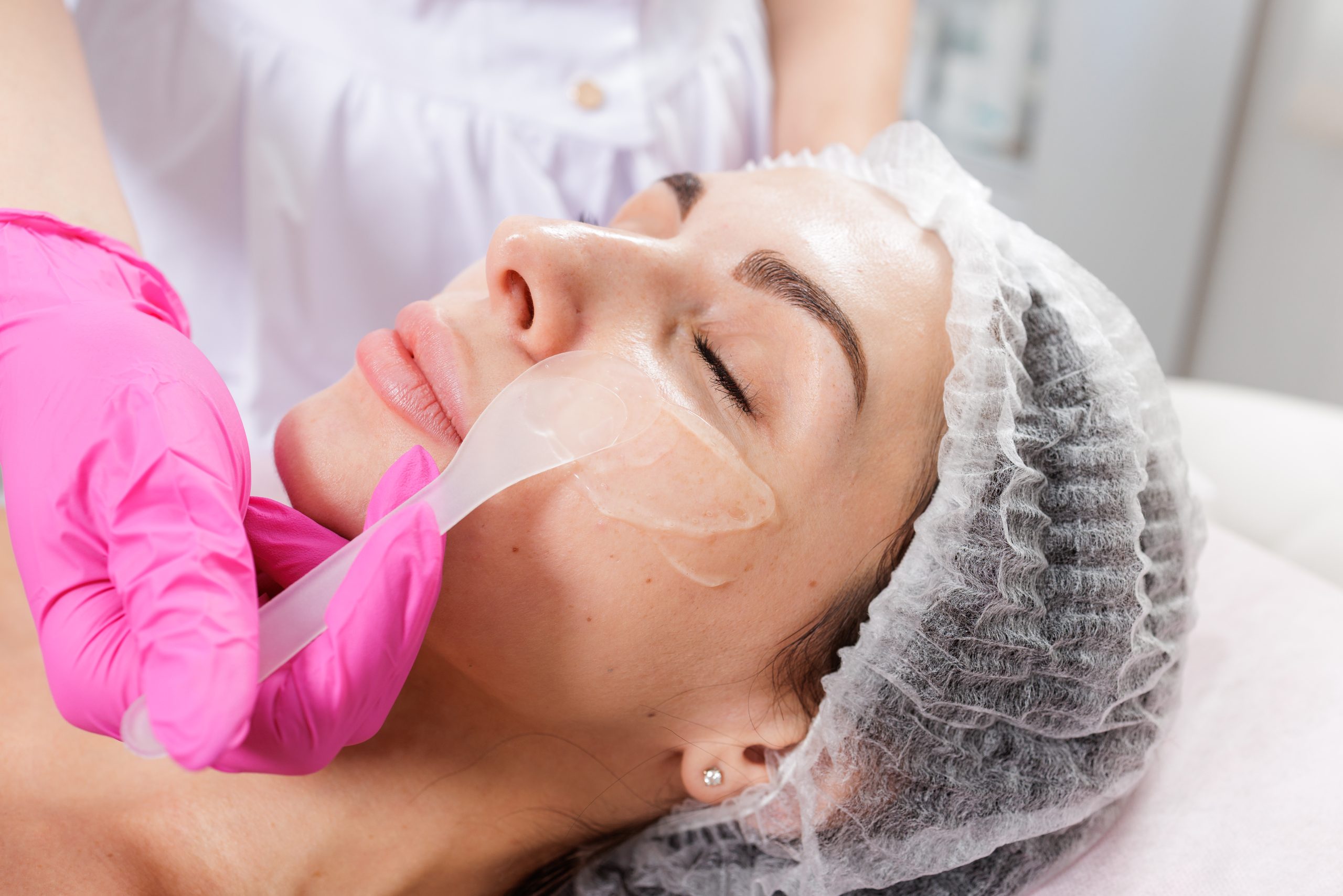
Once you know what you’re dealing with, treatment becomes a lot more logical. For sun-induced pigmentation on lighter skin, IPL is often an excellent first option — it targets melanin in the upper layers of the skin without damaging surrounding tissue, and results can be visible after just one or two sessions. For PIH, a combination of professional chemical peels and targeted topical ingredients tends to work well, though the depth of the peel matters a lot depending on your skin type.
For melasma — especially mixed or dermal melasma — the research is consistent: combination approaches outperform single-modality treatments. A 2023 network meta-analysis ranked Q-switched Nd:YAG laser combined with topical medications as the top-performing treatment option, followed by oral tranexamic acid, microneedling with topical medications, and laser combined with IPL. The takeaway isn’t that you need all of these at once — it’s that melasma rarely responds to a single treatment the way simpler pigmentation issues do.
Topical treatments like hydroquinone, azelaic acid, kojic acid, niacinamide, and tranexamic acid can all play a supporting role, but the peer-reviewed literature is clear that topical-only approaches are often unsatisfactory for moderate to severe melasma — either because results are too slow, or because certain topicals (hydroquinone in particular) can cause adverse effects with prolonged use. Professional treatments aren’t a luxury for melasma patients; for many people, they’re the only thing that actually moves the needle.
In our experience at Wake Skincare, the clients who see the most meaningful improvement are the ones whose treatment plan was built around their specific skin — their Fitzpatrick type, the depth of their pigmentation, their history with previous treatments, and their realistic tolerance for downtime. That’s not a marketing line. It’s just how melasma works.
IPL vs. Laser for Pigmentation: What's the Actual Difference?
This is one of the most searched questions in the aesthetics space, and the honest answer is that both can work — but they work differently, and they’re not interchangeable.
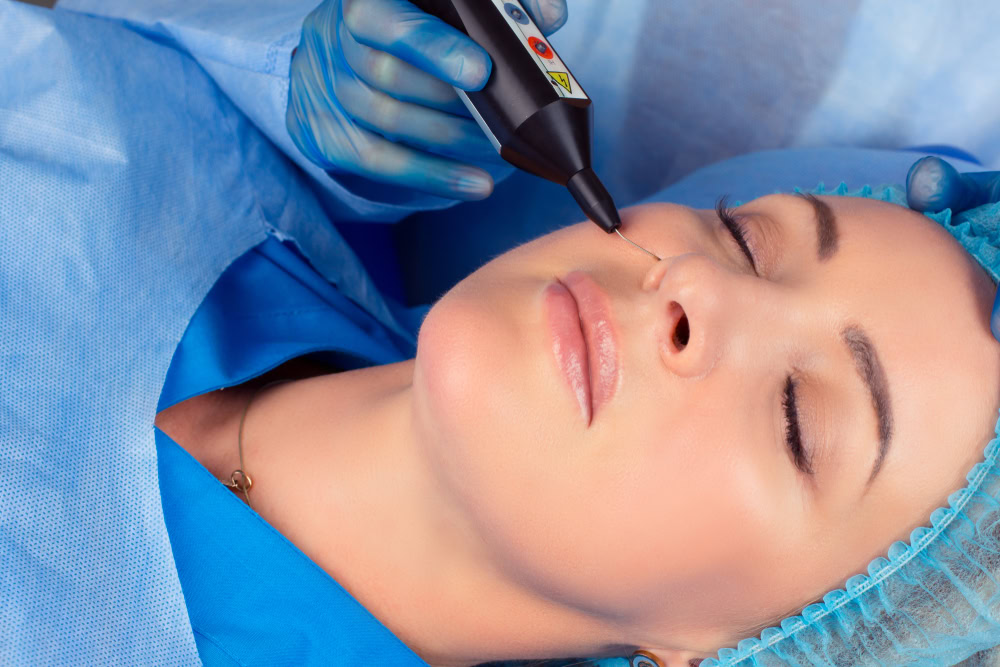
IPL, or Intense Pulsed Light, uses a broad spectrum of light wavelengths delivered in a scattered pattern. It’s excellent for targeting surface-level pigmentation, sun damage, and redness. Laser, by contrast, delivers a single focused wavelength of light energy, which allows it to penetrate more precisely to a specific depth in the skin. That precision is what makes certain lasers more effective for deeper pigmentation — and also what makes them higher-risk in less experienced hands.
IPL vs. Pico Laser vs. YAG: Which One Is Right for You?
If you’ve spent any time on IPL vs laser Reddit threads or skincare forums trying to sort out IPL versus pico laser versus YAG, you already know how fast the conversation gets complicated. Here’s a plain-language breakdown.
IPL works well for sun-induced pigmentation and redness on lighter to medium skin tones. It’s not ideal for melasma in isolation, and it carries real risk on darker skin if not properly calibrated — the broad-spectrum energy can overstimulate melanin production instead of suppressing it.
Pico lasers deliver ultra-short pulses of energy that shatter pigment into smaller particles, which the body then clears naturally. Because the energy is delivered so quickly, there’s less heat generated in surrounding tissue, which theoretically reduces the risk of PIH. Pico laser vs IPL comparisons often favor pico for melasma, particularly in patients with darker skin tones, though it works best as part of a multi-session protocol.
Q-switched Nd:YAG lasers have been used in pigmentation treatment for decades and remain one of the most studied options for melasma, particularly in darker skin types. The 2023 meta-analysis cited earlier ranked Q-switched Nd:YAG combined with topical medications as the single highest-performing treatment combination for melasma. The YAG wavelength penetrates deeper into the skin and has a longer safety track record for Fitzpatrick IV–VI skin types than many other laser options.
The Clear and Brilliant laser — which we use at Wake Skincare — is a fractional laser that resurfaces the skin at a controlled depth, improving texture and pigmentation with less downtime than more aggressive fractional CO2 systems. We’ve seen excellent results combining Clear and Brilliant with a targeted chemical peel for clients dealing with both hyperpigmentation and texture concerns.
This is the question that doesn’t get asked often enough — and when it doesn’t get answered clearly, people get hurt.
The short answer: IPL can be safe for deeper skin tones, but it requires a provider who understands how to calibrate settings for your specific Fitzpatrick type and who has real experience treating skin of color. In the wrong hands, IPL on darker skin can trigger post-inflammatory hyperpigmentation — meaning you leave the appointment with more dark spots than you came in with.
Wake County’s population is genuinely diverse. A significant portion of our clients come to us from Raleigh, Wake Forest, Knightdale, and surrounding areas with Fitzpatrick skin types III through VI — skin tones that are disproportionately affected by melasma, and also disproportionately underserved by providers who haven’t specialized in this area. Most local competitors don’t address this directly. We do.
Jacqueline Grace, who founded Wake Skincare, placed first internationally in Pigmentation Artist of the Year at The Skin Games — a competition judged on real client outcomes, not technique demonstrations. That credential matters because it’s directly relevant to whether your provider can be trusted with your skin. She has also been named Best Esthetician in Wake County three consecutive years running.
For clients with deeper skin tones who are concerned about laser or IPL risk, SkinPen microneedling is often a safer starting point. Unlike laser treatments, microneedling doesn’t damage the outer layer of skin or generate the heat that can overstimulate melanin production. It creates controlled micro-channels that stimulate collagen and allow topical brightening agents to penetrate more effectively — without the PIH risk that comes with improperly administered light-based treatments.
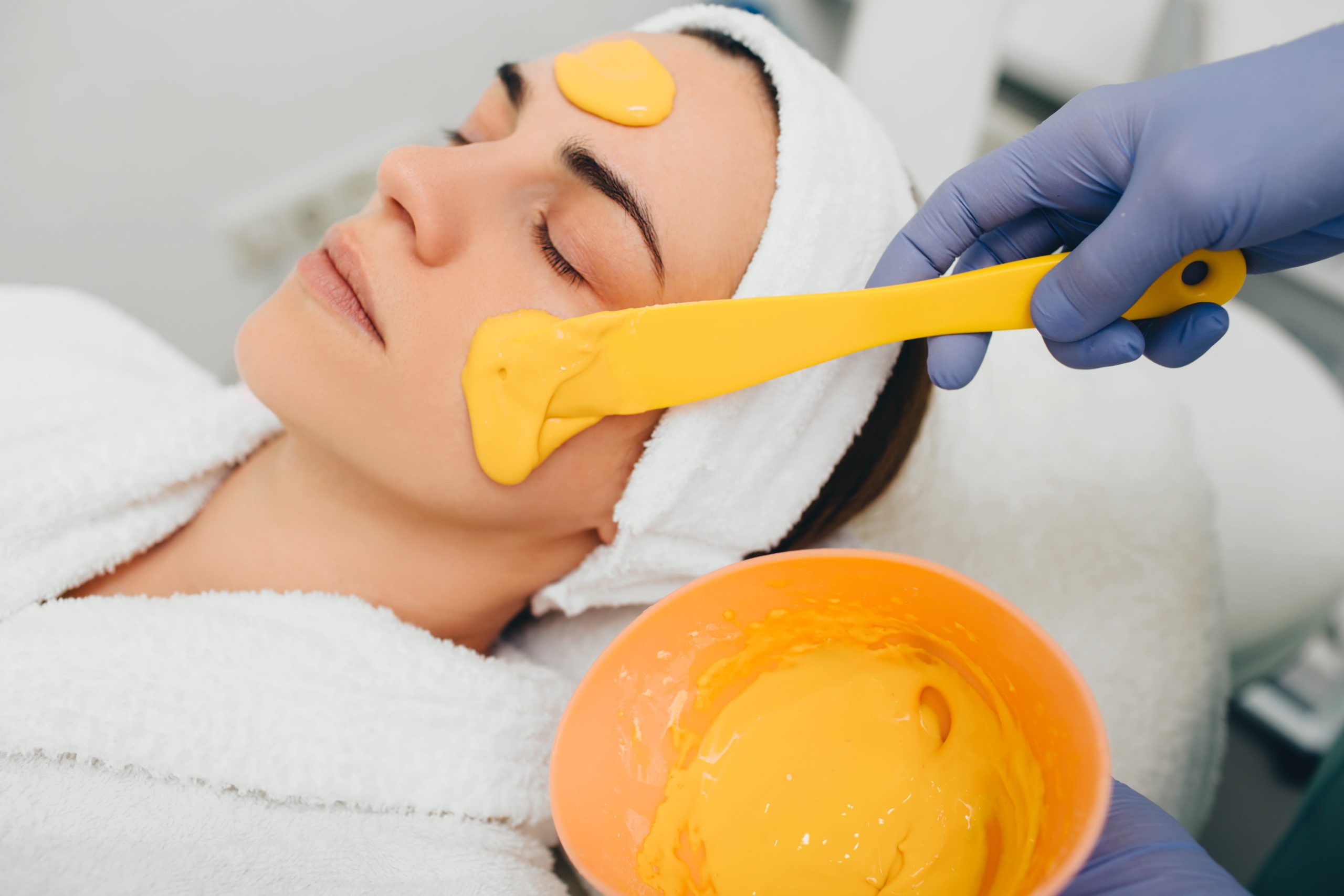
The VI Peel is another option worth knowing about. It’s a medical-grade chemical peel that works through a blend of retinoic acid, salicylic acid, phenol, vitamin C, and minerals. The skin typically rejuvenates within three to five days, and it’s been shown to be highly effective at reducing stubborn hyperpigmentation including melasma, age spots, and freckles. For many clients, a VI Peel combined with a HydraFacial using the Britenol booster — a pigmentation-targeting booster available at the Deluxe and Platinum HydraFacial tiers — creates a meaningful shift in overall skin tone without the downtime or risk associated with more aggressive laser protocols.
The right treatment for your skin isn’t the most aggressive one. It’s the one calibrated to your skin type, your pigmentation depth, and your history — delivered by someone who has actually specialized in this.
Finding the Right Melasma Treatment in Wake County, NC
Melasma is chronic. There’s no single treatment that cures it permanently. What is possible — with the right approach — is meaningful, lasting reduction that gives you your skin back. That requires a provider who understands the condition at a clinical level, knows how to work safely across all skin tones, and builds a plan around your specific situation rather than a default protocol.
If you’ve been frustrated by treatments that didn’t deliver, or you’re nervous about trying something that could make things worse, that’s a completely reasonable place to be. The free skin evaluation we offer at Wake Skincare exists exactly for that moment — to give you a clear picture of what you’re dealing with, what options actually make sense for your skin, and what realistic results look like before you commit to anything.
Reach out to Wake Skincare to schedule your consultation. No pressure, no guesswork — just a real conversation about your skin.