Summary:
You’ve done the research. You know chemical peels and microneedling exist, and you have a general sense that one of them might finally address what’s been bothering you — the dark spots, the texture, the acne scars that won’t quit. But every article you find either oversimplifies the comparison or leaves you more confused than when you started. The truth is, these treatments aren’t interchangeable. They work on different layers of the skin, target different concerns, and deliver different timelines. What’s right for your neighbor may not be right for you. Here’s what you actually need to know to make a smart decision.
Microneedling vs Chemical Peel: How Each Treatment Actually Works
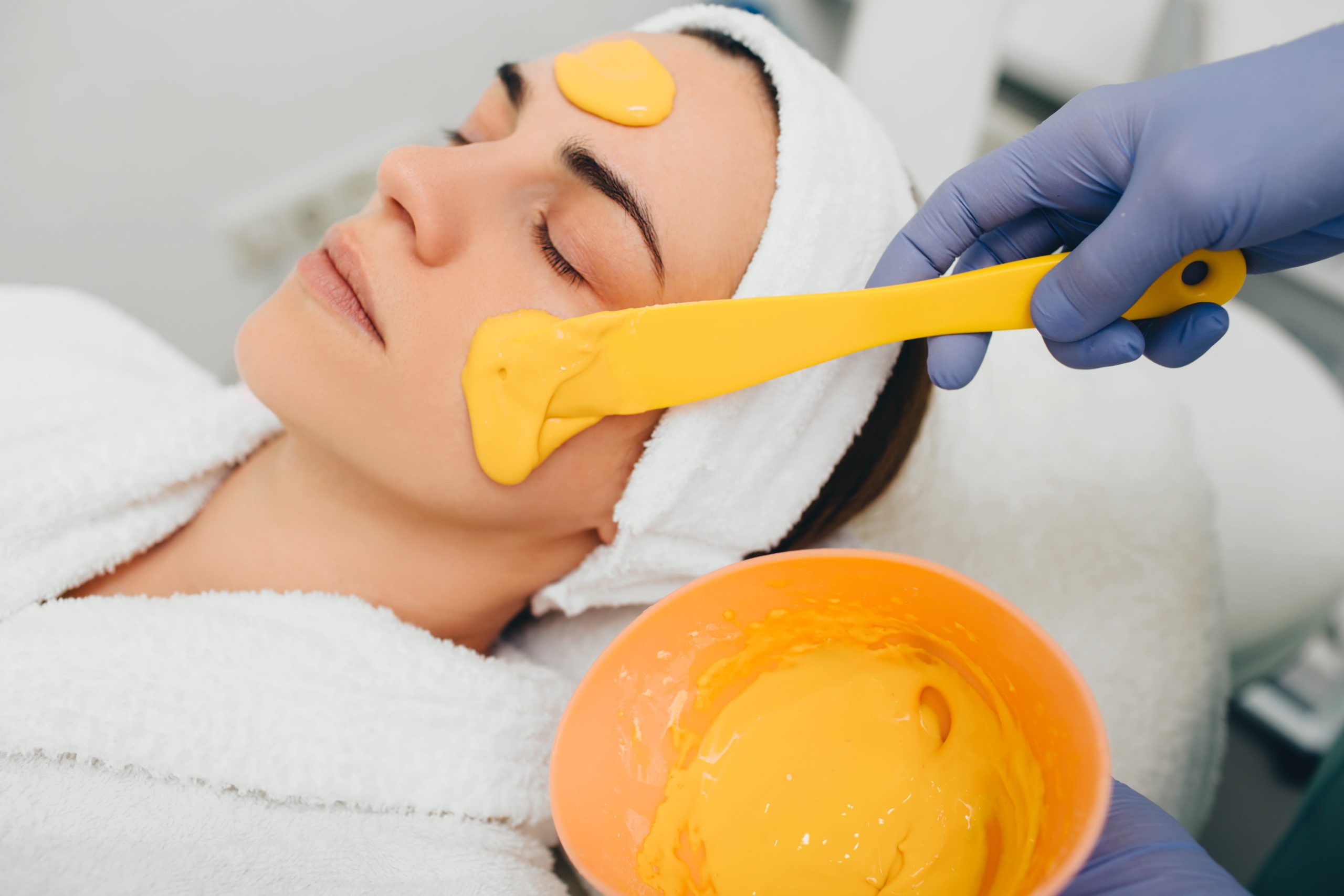
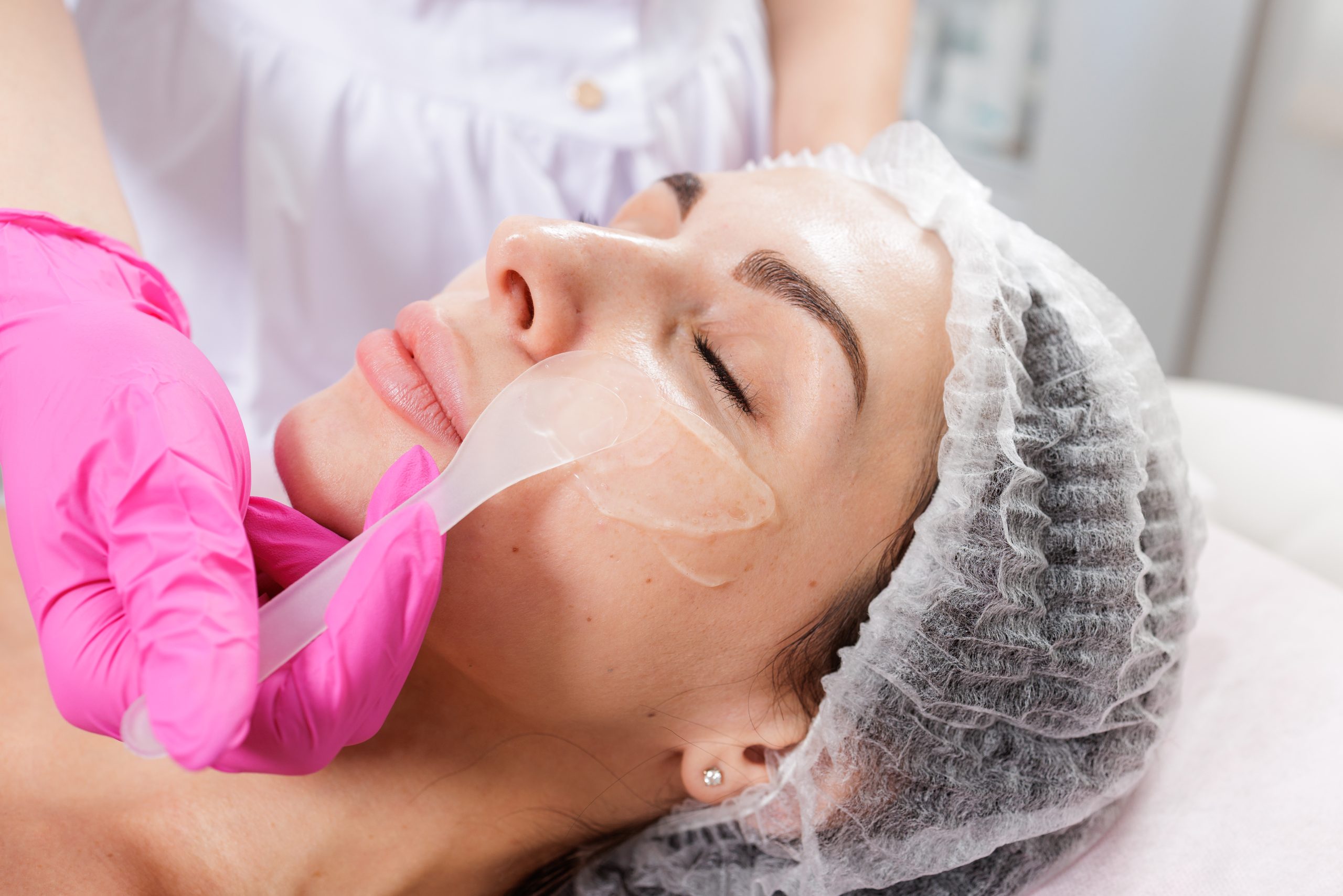
The core difference comes down to where each treatment does its work. A chemical peel uses an acid solution — glycolic, salicylic, TCA, or a blend — to remove damaged outer layers of skin. The result is a controlled shedding process that reveals fresher, more even skin underneath. It’s working from the outside in.
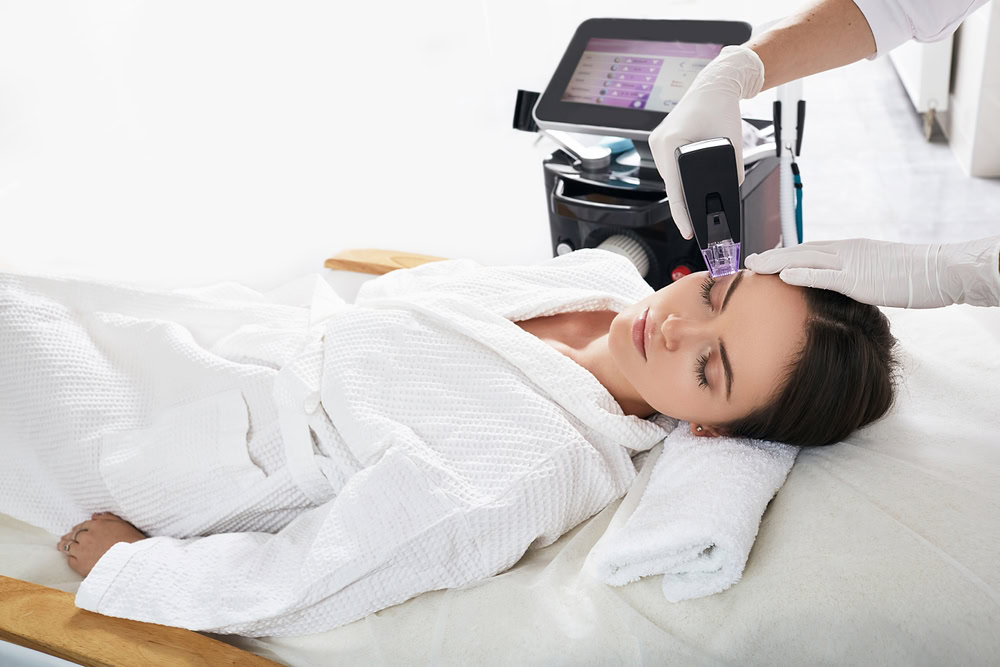
Microneedling works the opposite way. A device like the SkinPen — the only FDA-cleared microneedling device on the U.S. market — creates thousands of tiny, precise micro-channels in the skin. Your body reads those as minor injuries and responds by producing new collagen and elastin. No chemicals involved. The improvement builds from the inside out, over several weeks.
Neither approach is universally better. They’re built for different jobs.
Which Treatment Works Better for Acne Scars and Skin Texture?
If acne scars are your primary concern — especially the pitted, indented kind — microneedling has a clear advantage. Those depressions in the skin are structural. They exist because the tissue beneath the surface was damaged, and the collagen that should have filled it back in never did. Microneedling directly addresses that by stimulating new collagen production in the scar tissue itself. Clinical studies show a 50–70% improvement in acne scar appearance over a series of treatments. That’s not a minor cosmetic shift — that’s a meaningful change in the actual architecture of the skin.
Chemical peels can improve the appearance of surface-level texture and the dark marks that acne leaves behind — what’s often called post-inflammatory hyperpigmentation. But for deeper, structural scarring, peels work on the wrong layer. They’re removing what’s on top; they’re not rebuilding what’s underneath.
That said, the two treatments are frequently used together for comprehensive scar treatment. Someone dealing with both pitted scars and dark post-acne marks might benefit from a series of microneedling sessions alongside targeted chemical peels — each handling the part of the problem it’s actually equipped to solve. The key is sequencing them correctly, which is why a real consultation matters more than any general comparison you’ll read online.
One thing worth knowing: at-home microneedling rollers are not the same as professional treatment. Consumer-grade devices use dull, non-sterile needles that can cause micro-tears and even infection rather than controlled collagen stimulation. Professional devices like the SkinPen use single-use sterile cartridges and allow for precise depth control — factors that determine whether microneedling helps your skin or harms it.
Which Is Better for Hyperpigmentation, Sun Damage, and Uneven Tone?
For surface hyperpigmentation — sun spots, melasma, uneven tone from years of UV exposure — chemical peels are typically the more direct route. They work at the epidermal level, where most pigmentation problems originate, and can produce noticeable improvements in tone and clarity relatively quickly. Glycolic acid peels are well-suited for general brightening and texture. Salicylic acid peels work particularly well for oily or acne-prone skin. TCA peels go deeper and can address more stubborn discoloration, though they come with more downtime and require careful skin type assessment before use.
Microneedling can also improve pigmentation over time, but it works more slowly and less directly on surface tone. Where it adds value in a pigmentation protocol is when hyperpigmentation is layered with texture concerns or when the goal is longer-term skin quality — not just a faster fade.
Here’s where skin tone becomes critical. Certain chemical peels — particularly medium and deep peels — carry a real risk of triggering post-inflammatory hyperpigmentation (PIH) in clients with deeper skin tones (Fitzpatrick types IV through VI). PIH means the treatment meant to reduce dark spots can actually create new ones if the wrong peel is selected or applied incorrectly. Microneedling, by contrast, is generally considered safe across all Fitzpatrick skin types because it doesn’t use heat or chemicals that can overstimulate melanin production.
This isn’t a reason to avoid chemical peels if you have a deeper skin tone — it’s a reason to be selective about who administers them. Jacqueline Grace, who founded our clinic in Wake Forest, NC, holds first place in the Pigmentation Artist of the Year category at The Skin Games, one of the most prestigious international esthetics competitions. That credential exists specifically because treating hyperpigmentation — across all skin tones — requires a level of expertise that goes well beyond general esthetics training.
Chemical Peel or Microneedling: What Wake County Skin Actually Deals With
Context matters. Wake County’s climate — hot, humid summers from April through September, with a UV index that stays elevated well into fall — creates specific, predictable skin patterns. By the time September arrives, most people in the area are carrying accumulated sun damage, uneven tone, and congested pores from months of heat and UV exposure. That’s not incidental. It’s the reason fall is consistently the best time to start a treatment series here.
Both chemical peels and microneedling increase photosensitivity after treatment. Starting either during a Wake County summer means navigating real sun avoidance challenges. Starting in fall means you’re treating the damage summer left behind, during the season when your skin can actually recover properly.
How Much Downtime Should You Expect From Each Treatment?
Downtime is one of the most searched questions in this category — and for good reason. If you’re a professional in the Research Triangle working in-person five days a week, “some redness” means something very different than it does to someone with a flexible remote schedule.
Microneedling typically produces one to three days of redness and mild sensitivity, similar to a moderate sunburn. Most clients can return to normal activity within 48 hours, though makeup should be avoided for the first day or two to let the micro-channels close properly. The redness fades quickly, and most people find it easy to manage around a normal schedule.
Chemical peels vary significantly by depth. A light peel — glycolic or salicylic at a lower concentration — may cause minimal flaking for two to four days, nothing dramatic. A medium peel, like a mid-strength TCA, involves more visible peeling that typically peaks around days three through five and resolves within a week to ten days. This is the peel people picture when they imagine the dramatic “face peeling off” scenario, and while it’s not quite that cinematic, it’s real enough that you’ll want to plan around it.
Deep peels require the most significant downtime and are generally performed under physician supervision. They’re not a standard esthetics-level service and aren’t what most clients in a typical skincare consultation are considering.
For most people, the honest answer is that microneedling is the lower-downtime option. But a light peel isn’t far behind. If downtime is your primary concern, that conversation is worth having during a consultation — because the right peel at the right strength for your skin type may have far less recovery than you’re imagining.
When Combining Both Treatments Gets You Further Than Choosing One
The framing of “chemical peel versus microneedling” can be a little misleading, because for many clients, the real answer isn’t one or the other — it’s both, sequenced strategically. These treatments work on different skin layers and address different parts of the same problem. Used together, they can compound results in ways that neither delivers alone.
A common protocol for someone dealing with both uneven tone and textural concerns might look like this: a series of chemical peels to address surface pigmentation and refine texture, followed by — or alternating with — microneedling sessions to build collagen, improve skin density, and address any structural scarring beneath the surface. The treatments aren’t competing; they’re complementary.
What makes combination protocols work is timing and sequencing. You wouldn’t perform a medium-depth peel and microneedling in the same session. The skin needs to recover from one before it’s ready for the other. Getting that order right — and knowing which to start with based on your specific concerns and skin type — is exactly the kind of decision that should happen in a real consultation, not from a generic protocol you found online.
We serve clients across Wake County — from Wake Forest and Rolesville to Raleigh, Knightdale, Zebulon, and beyond — and the concerns we see most consistently are the ones Wake County’s climate produces: sun damage, hyperpigmentation, post-acne marks, and texture from years of outdoor living in a high-UV environment. Those concerns respond well to combination treatment. But the combination has to be built around your skin, not a template.
Jacqueline has been named Best Esthetician in Wake County three consecutive years running by Wake Weekly’s Best of the Best — a community-voted recognition from the people who actually live here. That kind of trust gets built one honest consultation at a time.
How to Choose Between a Chemical Peel and Microneedling in Wake County
If you’re dealing with surface pigmentation, sun damage, or uneven tone, a chemical peel is likely your starting point. If your concern is acne scarring, fine lines, or rebuilding skin quality from within, microneedling is probably the stronger fit. If you’re dealing with both — which is more common than not — a combination approach, built around your skin type and timeline, will usually outperform either treatment on its own.
The honest answer to “which one is right for me” isn’t something a blog post can give you. It depends on your Fitzpatrick skin type, your specific concerns, your downtime tolerance, and what you’ve already tried. What a blog post can do is make sure you walk into a consultation already knowing the right questions to ask.
We offer free skin evaluations and consultations — no pressure, no pitch, just a real assessment of your skin and a clear recommendation for what will actually move the needle. If you’re ready to stop guessing and start seeing results, Wake Skincare is here.