Summary:
You’ve read the ingredient lists. You’ve waited the twelve weeks. You’ve layered vitamin C in the morning and retinol at night, and you’ve been consistent about it. The dark spots are still there.
That’s not a failure on your part. It’s a limitation of what serums can actually do — and it’s something a lot of skincare marketing conveniently glosses over.
There’s a real reason why topical products work beautifully for some things and hit a wall with established hyperpigmentation. Understanding that reason is the first step toward finally doing something that works.
Why Topical Products Fall Short for Dark Spots on Your Face
Vitamin C, niacinamide, kojic acid, tranexamic acid — these are legitimate ingredients. They’re not snake oil. Used consistently, they can help prevent new pigmentation from forming and give your skin a brighter overall tone over time.
The problem is depth. Serums work at the surface of the skin. Stubborn dark spots — the ones that linger for months after a pimple clears, the ones that show up after sun exposure or time outdoors in Wake County — those live deeper in the epidermal layers than most topical products can meaningfully reach at over-the-counter concentrations.
So the serum is doing something. It’s just not reaching the source of the problem. And that gap is why so many people spend months being consistent, doing everything right, and still see the same spots in the mirror every morning.
What Is Post-Inflammatory Hyperpigmentation — and Why Is It So Stubborn?
When your skin experiences inflammation — from a breakout, a scratch, a bug bite, or even an aggressive skincare product — it responds by producing extra melanin. That melanin is your skin’s version of scar tissue. It’s protective, but it leaves a mark.
This is called post-inflammatory hyperpigmentation, or PIH. And it’s one of the most common skincare concerns we see at Wake Skincare, particularly among clients with deeper skin tones. Research puts the incidence of acne-related PIH at up to 65% in patients with darker complexions. That’s not a niche concern — that’s the majority.
What makes PIH so frustrating is that it has nothing to do with how well you’re taking care of your skin. You can have a flawless routine and still end up with dark spots every time your skin goes through any kind of inflammation. Acne. A reaction to a new product. An ingrown hair. A mosquito bite.
The common thread across all of these triggers is that the resulting pigmentation isn’t sitting on the surface waiting to be exfoliated away. It’s embedded in the skin. Topical brighteners can slow the process down or keep new spots from forming, but they rarely resolve what’s already there — especially in Fitzpatrick skin types III through VI, where melanin production runs deeper and the stakes of using the wrong treatment are higher.
Post-Inflammatory Hyperpigmentation from Bug Bites: A Wake County Reality
Most dark spot content focuses on acne and sun damage. But if you’ve ever been left with a lingering dark mark after a mosquito bite — especially on your face or arms — you’re dealing with the same underlying issue.
Wake County’s warm, humid climate means mosquito and insect activity runs from spring through fall. If you’re spending time outdoors at Umstead Park, around Falls Lake, or just in your backyard, you’re exposed. When a bug bites you, your immune system triggers an inflammatory response. For many people, that inflammation is enough to kick melanin production into overdrive.
The bite heals. The inflammation resolves. The dark spot stays. For people with medium to deep skin tones, this happens more readily and more visibly. The spot can last six months or longer.
Over-the-counter treatments — even the ones with strong clinical backing — rarely move the needle on established PIH from insect bites. The pigmentation has already set in, and a serum applied twice daily to the surface of the skin doesn’t have the reach to address it.
The good news is that professional treatments designed for post-inflammatory hyperpigmentation work on PIH regardless of the trigger. Whether it started with a breakout or a bug bite, the treatment approach is the same: get beneath the surface, interrupt the melanin cycle, and support the skin’s renewal process in a way that topical products simply can’t replicate on their own.
Professional Treatments That Actually Remove Dark Spots on Skin
Professional treatment isn’t just a stronger version of what’s in your serum. It works through different mechanisms entirely.
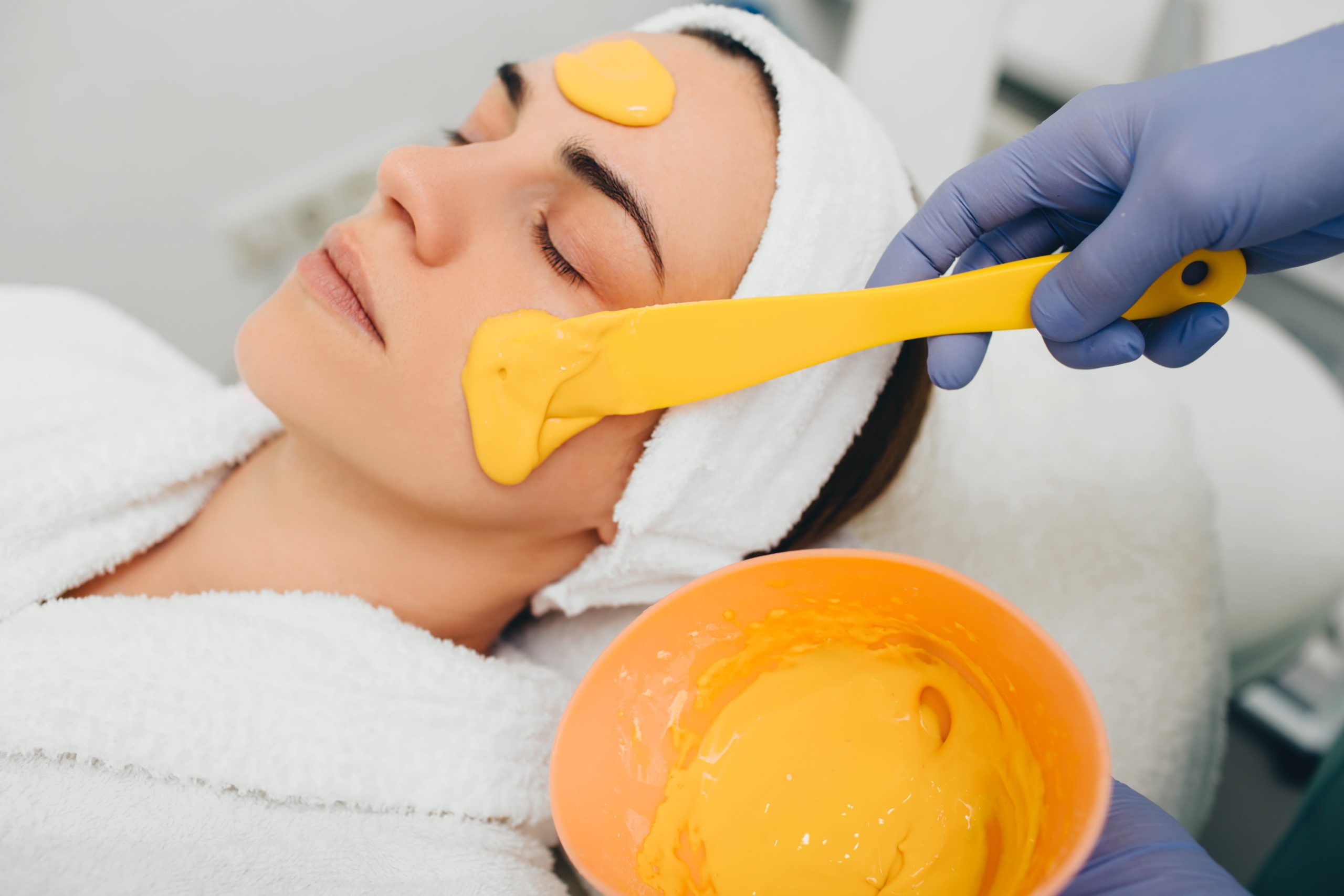
A medical-grade chemical peel creates controlled exfoliation at a depth that reaches the pigmented cells — not just the outermost layer of skin. A HydraFacial with a brightening booster delivers active ingredients like kojic acid and tranexamic acid under conditions that maximize absorption. Microneedling creates micro-channels that stimulate collagen production and skin renewal at a cellular level. These aren’t incremental upgrades. They’re a different category of intervention.
The other difference is personalization. Not every dark spot responds to the same treatment, and not every skin type tolerates the same approach. A treatment plan built around your skin — your tone, your triggers, your history — will outperform any product you can buy off the shelf every time.
Which Treatments Work Best for Stubborn Hyperpigmentation?
There’s no single answer, and anyone who tells you otherwise is oversimplifying. The right treatment depends on what type of hyperpigmentation you have, how deep it sits, your skin tone, and what’s caused it. That’s why a thorough consultation isn’t just a formality — it’s the most important part of the process.
HydraFacial with brightening boosters is often the first step, and for some clients, the results after a single session are immediately visible. The treatment combines deep cleansing, exfoliation, and the delivery of targeted active ingredients — including vitamin C, kojic acid, and tranexamic acid — in a way that bypasses the absorption limitations of at-home serums. It’s also gentle enough to be used on a range of skin tones without the risk of worsening pigmentation.
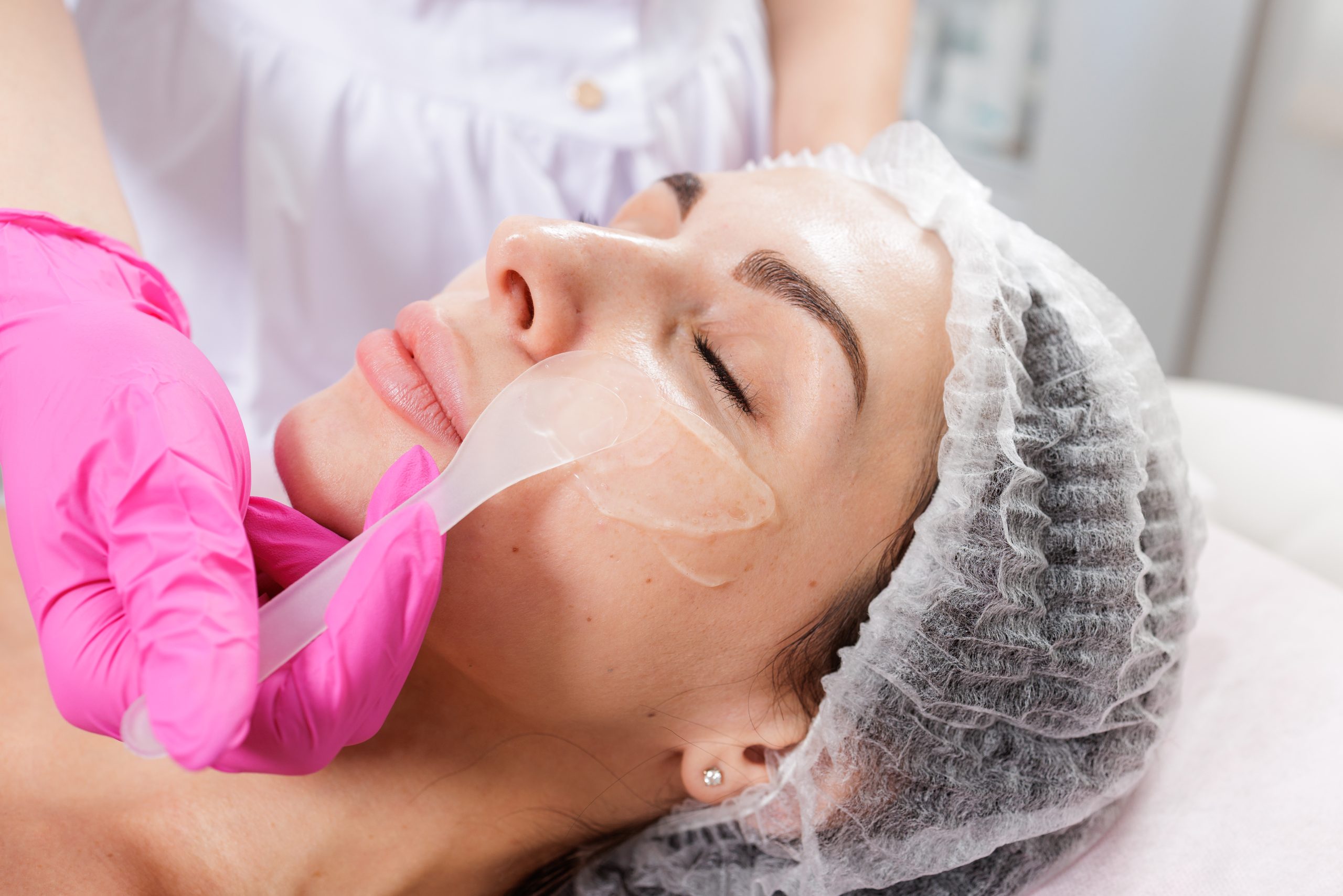
For deeper or more established hyperpigmentation, a VI Peel or glycolic acid chemical peel goes further. Medical-grade peels work at a level that triggers real cellular turnover — not just surface brightening. They’re particularly effective for post-acne PIH and sun damage that has been building up over time.
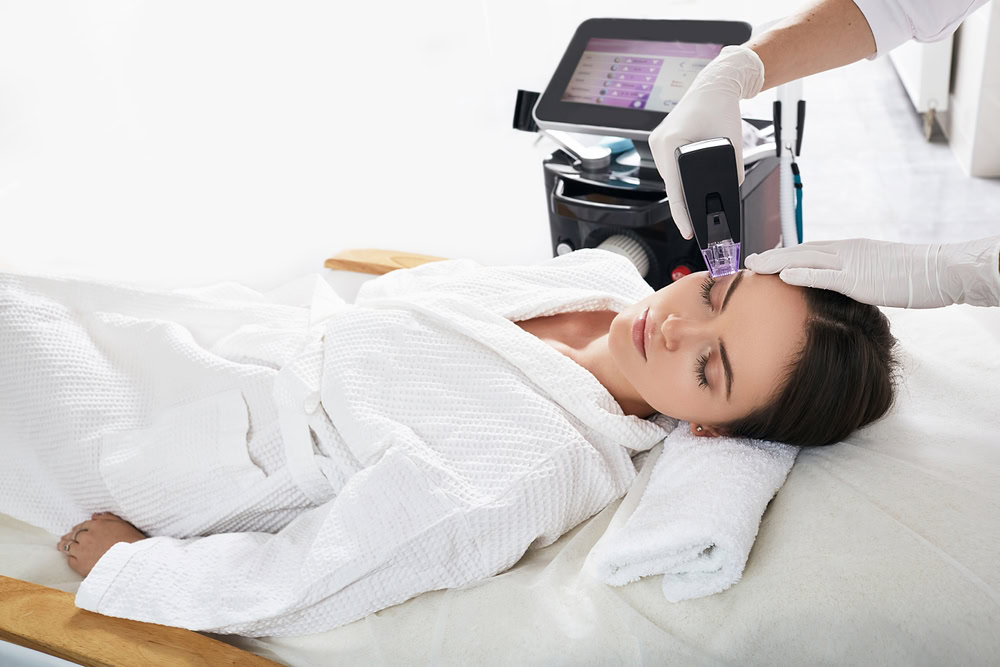
Microneedling with SkinPen addresses both pigmentation and texture. By creating controlled micro-injuries in the skin, it stimulates collagen production and accelerates the skin’s natural renewal process. For clients dealing with both dark spots and uneven texture from acne scarring, this is often a key part of a longer-term plan.
Clear & Brilliant, a fractional laser treatment, is another option for clients whose pigmentation has proven resistant to other approaches. Results take time — weeks to months, not days — but they’re the kind of results that serums alone can’t deliver.
Finding the Right Hyperpigmentation Specialist in Wake County, NC
This matters more than most people realize. Treating hyperpigmentation — especially in medium to deep skin tones — requires genuine expertise. The wrong peel on the wrong skin type doesn’t just fail to work. It can make pigmentation worse. That’s a reason to be selective about who you trust with it.
A few things are worth looking for. First, credentials that are specific to pigmentation — not just general esthetics experience. There’s a meaningful difference between a practitioner who has completed standard training and one who has competed in and won an international pigmentation competition. Our founder Jacqueline Grace took first place in Pigmentation Artist of the Year at The Skin Games, an international esthetic competition where results are judged on actual before-and-after outcomes. That credential isn’t self-reported. It’s verifiable.
Second, look for a practitioner who will assess before recommending. Anyone who suggests a treatment before understanding your skin type, your history, and your specific type of hyperpigmentation is guessing. A proper consultation — the kind that’s thorough, unhurried, and genuinely diagnostic — is what separates a plan that works from one that doesn’t.
Third, if the practice offers medical-grade treatments, confirm there’s physician oversight. We operate under the medical direction of Dr. Joseph Hummel, which is what allows us to offer treatments beyond what a standard esthetic spa can provide.
Jacqueline has been named Best Esthetician in Wake County for three consecutive years by Wake Weekly Best of the Best, including First Place in 2022. She’s also among the first 100 practitioners in the world to achieve HydraFacial Master certification — the highest tier in the HydraFacial credentialing system. These aren’t marketing claims. They’re named awards and certifications you can look up.
Getting Rid of Dark Spots Starts with the Right Assessment
Serums aren’t the problem. Expecting them to do something they’re not designed to do is. For surface-level brightening and maintenance, topical products have a role. For stubborn hyperpigmentation — the kind that’s been sitting on your face for months, the kind that shows up every time your skin gets inflamed, the kind that hasn’t responded to anything you’ve tried — you need something that works at a different level.
The frustrating part is that most people don’t realize this until they’ve already spent a year and a lot of money finding out the hard way.
If you’re in Wake County and you’re ready to stop guessing, we offer a free skin evaluation and consultation. No commitment, no pressure — just a real assessment of what’s going on with your skin and an honest conversation about what’s likely to help. That’s where every treatment plan starts, and it’s the only way to get one that actually fits.